You love your bike, and keeping it safe is a top priority. But how do you lock your bike with a cable the right way to stop thieves in their tracks?
Simply wrapping a cable around your bike won’t cut it—literally. You need a smart, effective method that secures your frame and wheels to a sturdy object. In this guide, you’ll learn easy steps to lock your bike with a cable properly, so you can leave it with confidence wherever you go.
Ready to protect your ride and avoid the heartbreak of theft? Let’s dive in.
Credit: transportation.wwu.edu
Choosing Cable Locks
Choosing the right cable lock is key to keeping your bike safe. Cable locks come in different styles and strengths. Picking one depends on where you park and how long you leave your bike. Understanding the types and their limits helps you protect your bike better. Below, learn about the main types, their strength, and how they compare to other locks.
Types Of Cable Locks
There are various cable locks available. The most common are straight cables, coiled cables, and combination cables. Straight cables are long and flexible. They work well for locking multiple bikes or parts. Coiled cables are shorter but stretchable. They are easy to carry and store. Combination cables use a number code instead of a key. This removes the need to carry extra keys. Each type serves different needs and preferences.
Strength And Vulnerabilities
Cable locks offer moderate security. They are lightweight and easy to use. But the thin cables can be cut with simple tools like wire cutters. This makes them less secure than other locks. Some cables have extra layers of steel to improve strength. Still, they are best for low-risk areas or short stops. Avoid leaving a bike locked with only a cable lock overnight or in busy places.
Cable Lock Vs Other Locks
Cable locks are more flexible than U-locks or chains. They bend easily around bike frames and objects. U-locks are heavier but provide better protection against theft. Chains are strong but can be bulky to carry. Cable locks are good as a secondary lock for extra security. Using a cable lock with a U-lock covers more parts of the bike. This combination lowers the chance of theft significantly.
Essential Locking Gear
Choosing the right gear helps protect your bike from theft. Essential locking gear includes strong locks and useful accessories. These tools secure your bike to a fixed object safely. Knowing the best options helps you lock your bike quickly and correctly. This section covers the main types of locks and accessories. It also points out which tools to avoid.
U-locks And Chain Locks
U-locks are solid and hard to break. They fit around the bike frame and a fixed object. Chain locks are flexible and strong. Heavy-duty chains offer more security than thin cables. Both types resist cutting and leverage attacks well. Choose a lock size that fits your bike frame tightly. This prevents thieves from using tools inside the lock.
Cable Extensions And Accessories
Cable extensions add length to your lock system. They help secure wheels or extra parts. Use thick, braided cables for better protection. Some cables come with protective sleeves to avoid scratching. Accessories like lock holders make carrying easier. They keep your lock handy while riding. Using extensions with a U-lock covers more bike parts.
Tools To Avoid
Thin cable locks are easy to cut. Basic cables offer low security and are not reliable. Cheap locks often use weak materials. These can break quickly under pressure. Avoid locks with plastic parts or thin metal. Combination locks with weak dials can be picked easily. Spending a bit more on quality locks saves your bike from theft.
Locking Techniques
Locking techniques play a key role in bike security. Using a cable lock properly helps protect your bike from theft. The right method makes it harder for thieves to take parts or the whole bike. Below are simple ways to lock your bike with a cable.
Securing Frame And Rear Wheel
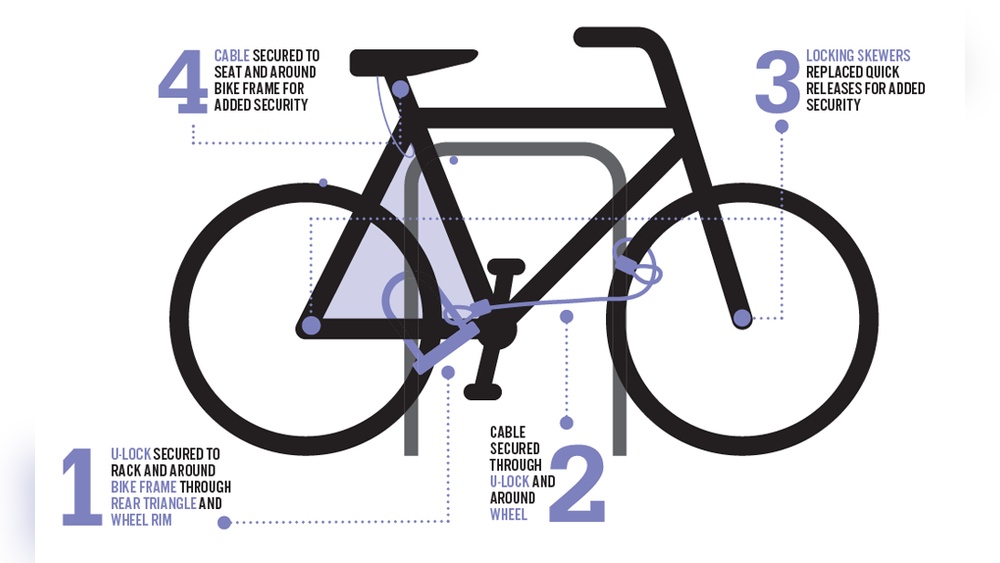
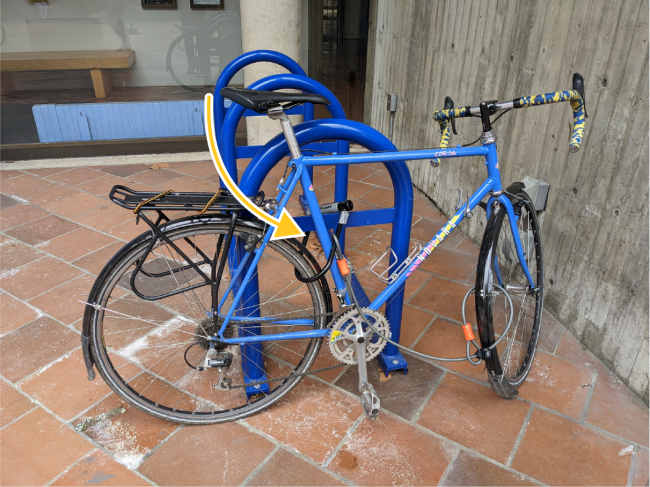
Start by placing the cable around the bike frame. Include the rear wheel in the loop. Use a solid object like a bike rack or pole. Make sure the object cannot be moved or cut easily. Lock the cable tightly to avoid any slack. This step keeps the most valuable parts safe.
Locking Front Wheel With Cable
Next, run the cable through the front wheel spokes. This prevents the wheel from being stolen alone. Secure the cable to the frame or the locked rear wheel. Avoid leaving space for tools to be inserted. A tight cable here adds another layer of protection.
Using Cable With U-lock
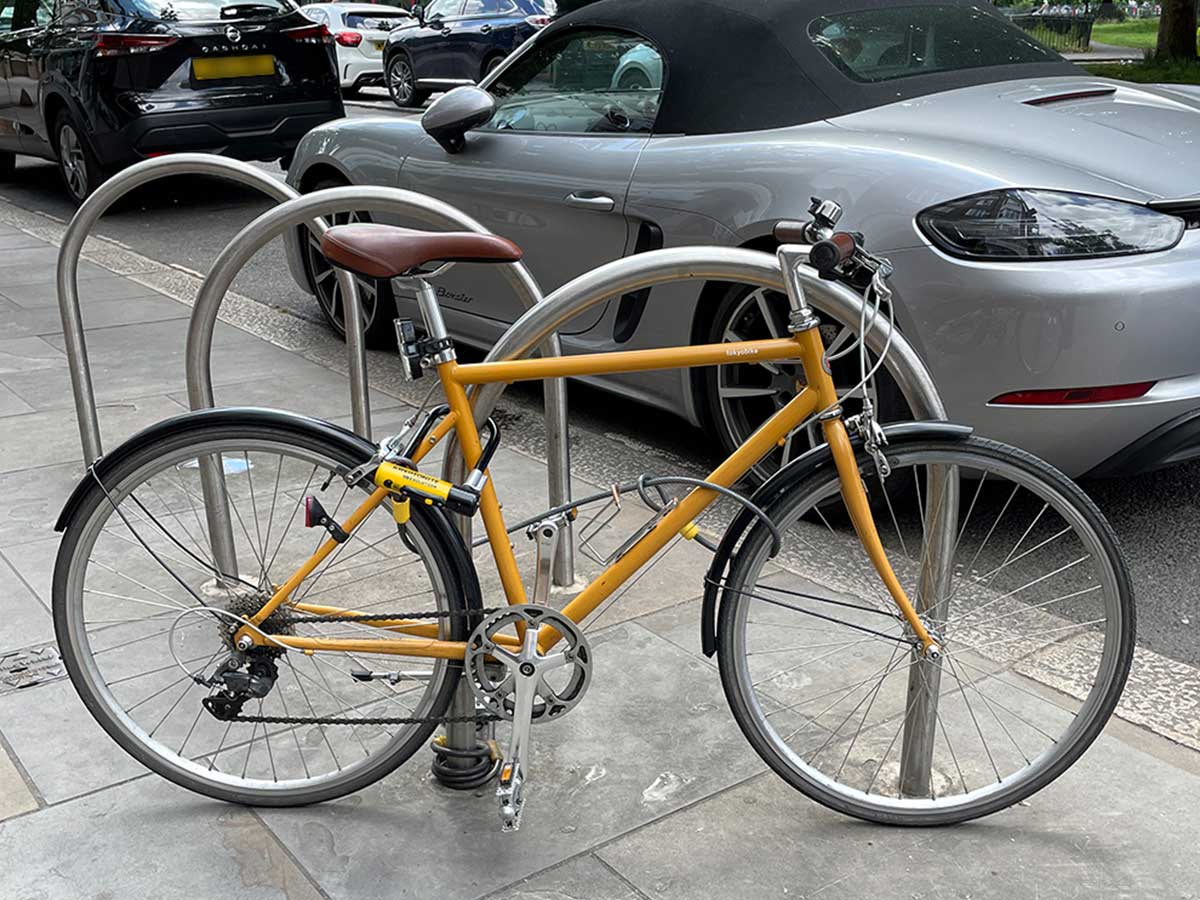
Combine a cable lock with a U-lock for stronger security. Use the U-lock for the frame and rear wheel first. Then wrap the cable around the front wheel. Attach the cable to the U-lock or a fixed object. This method covers more parts and slows down thieves.
Best Locking Spots
Finding the best spots to lock your bike with a cable is key to keeping it safe. The right location makes theft much harder. Focus on places that secure your bike firmly and reduce risk.
Choosing Immovable Objects
Pick objects that cannot move or be broken easily. Strong bike racks, metal poles, or fixed signposts work well. Avoid thin trees or weak fences. The object must hold your bike steady and secure.
Lock your bike frame and one wheel to the object. This stops thieves from lifting the whole bike away. Make sure the object is tall enough to prevent lifting over it.
Avoiding Vulnerable Locations
Stay away from dark, isolated, or hidden spots. Thieves like places where they cannot be seen. Busy, well-lit areas with lots of people are safer. Look for spots near cameras or where people pass often.
Do not lock your bike in areas that are easy to access with tools. Avoid soft ground where objects can be dug out. Choose hard surfaces like concrete or asphalt.
Unconventional Locking Spots
Sometimes common spots are full or risky. Try less obvious places like sturdy street furniture or strong railings. Look for places that blend security with visibility.
Locking under benches or through heavy-duty bike stands adds extra protection. Just ensure the spot is solid and not easy to break or move. Always double-check the spot before leaving your bike.
Additional Security Tips
Securing your bike with a cable lock is a good start. Taking extra steps improves your bike’s safety. These tips help reduce the risk of theft and protect your investment.
Small actions can make a big difference. Follow these additional security tips to keep your bike safer.
Removing Or Securing Accessories
Take off easily removable parts like lights, saddlebags, or GPS units. Thieves target these accessories quickly. Store them with you or lock them separately. Use small locks or cable ties for extra security. This makes your bike less attractive to thieves.
Double Locking For Extra Safety
Use two locks if possible. A cable lock paired with a U-lock works well. Lock the frame and at least one wheel to a solid object. Double locking slows down thieves and forces them to use more tools. This extra effort often deters theft.
Registering And Marking Your Bike
Register your bike with a local or national database. This helps recover it if stolen. Mark your bike with a unique ID or engraving. Some use special paint or stickers. These identifiers make it harder for thieves to sell your bike.
Credit: www.pedalsure.com
Common Mistakes To Avoid
Using a cable lock to secure your bike is common, but many cyclists make simple mistakes. These errors can leave your bike vulnerable to theft. Understanding what to avoid helps you protect your bike better. Here are some common mistakes you should watch out for.
Locking Only Wheels
Many riders only lock the wheels, especially the front one. Thieves can easily remove the locked wheel and steal the rest of the bike. Always lock the bike frame along with at least one wheel. Secure your frame to a fixed object for better protection.
Using Thin Or Worn Cables
Thin cables look convenient but are easy to cut. Worn cables weaken over time and break quickly. Choose thick, sturdy cables and check them regularly. Replace any cable showing signs of wear or damage immediately.
Ignoring Lock Quality Ratings
Not all cable locks are equal in strength. Some have low security ratings and can be broken fast. Look for locks with high security ratings from trusted sources. Investing in a better lock greatly reduces the chance of theft.

Credit: transportation.wisc.edu
Frequently Asked Questions
Are Cable Bike Locks Easy To Cut?
Cable bike locks are easy to cut with bolt cutters or cable cutters. Thin strands make them vulnerable. Use stronger locks for better security.
How To Use Lock With Cable?
Loop the cable through your bike frame and wheels. Secure it tightly to a sturdy rack using the lock. Ensure no parts are loose.
How To Lock A Bike With A D Lock And Cable?
Thread the D lock through the rear wheel and frame, securing it to a solid object. Loop the cable through the front wheel and frame, then attach it to the D lock. Tighten both locks to prevent movement and theft.
How To Lock Your Bike So No One Steals It?
Use a sturdy U-lock through the frame and rear wheel, securing to a fixed object. Add a cable lock through the front wheel. Lock in well-lit, busy areas. Avoid thin cable locks as they cut easily. Double locking deters thieves effectively.
Conclusion
Securing your bike with a cable lock takes simple, smart steps. Always loop the cable through your frame and wheels. Choose a sturdy, fixed object to lock your bike to. Double-check the lock to make sure it clicks firmly. Remember, no lock is completely theft-proof, but these tips help a lot.
Regularly inspect your lock for damage or wear. Stay aware of your surroundings when parking your bike. Practice these habits to keep your bike safer every day.


