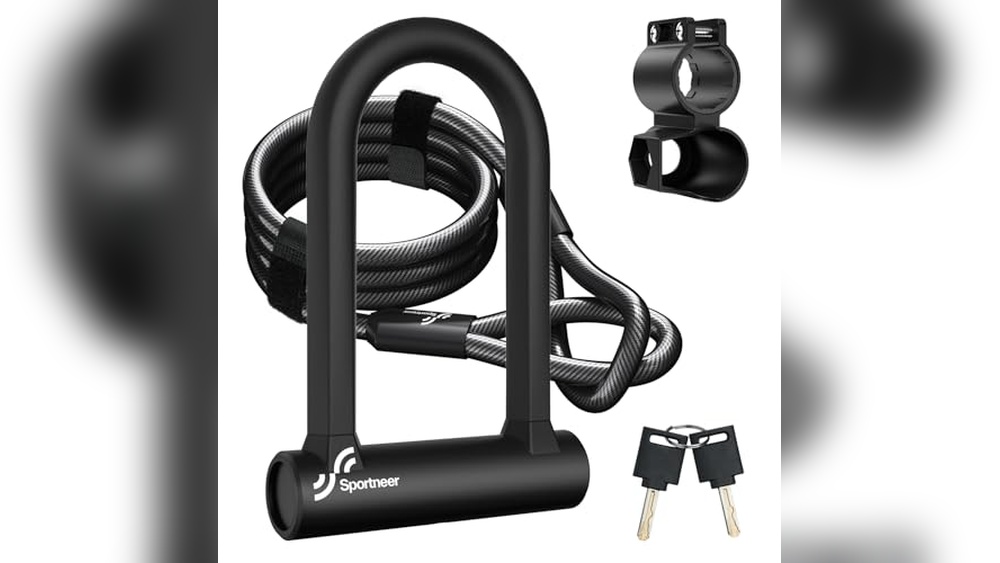
You want to keep your bike safe, right? But just locking it any way won’t do.
Using a D lock and cable together is one of the smartest ways to protect your bike from thieves. In this guide, you’ll learn simple, clear steps to lock your bike securely every time. By the end, you’ll feel confident that your bike is safe no matter where you leave it.
Ready to make bike theft a thing of the past? Let’s dive in!
Credit: www.pedalsure.com
Choosing The Right D Lock
Choosing the right D lock is key to keeping your bike safe. The right lock stops thieves and gives you peace of mind. Not all D locks are the same. Some are stronger, some are lighter, and some fit your bike better. Understanding these differences helps you pick the best lock.
Material And Build Quality
Strong materials make a strong lock. Look for locks made from hardened steel. This metal resists cutting and breaking. Avoid locks with thin or soft metal parts. A good lock feels solid and heavy in your hand. Check the lock’s finish. Rust-resistant coatings last longer outside.
Size And Weight Considerations
Size matters for convenience and security. A larger D lock fits around bigger bike frames and objects. But big locks can be heavy and hard to carry. Small locks are lighter but may not fit all bike parts. Choose a size that fits your bike frame and where you park it. Balance weight and security for daily use.
Security Ratings To Look For
Security ratings show how tough a lock is. Look for locks tested by recognized organizations. Ratings like Sold Secure or ART show quality. Higher ratings mean better protection. Avoid locks without any security rating. These can be easy targets for thieves.

Credit: transportation.wisc.edu
Selecting A Suitable Cable
Choosing the right cable for your bike lock is very important. The cable must work well with your D lock. It should be strong but easy to use. A good cable keeps your bike safe without causing trouble.
Cable Thickness And Flexibility
Thick cables are harder to cut. They offer better protection for your bike. But very thick cables can be stiff and hard to bend. Flexibility helps wrap the cable around different objects. A balance between thickness and flexibility is best.
Length And Lock Compatibility
The cable must be long enough to fit around your bike and a solid object. Too short cables limit where you can lock your bike. Also, check if the cable fits your D lock. Some cables are made to work with specific locks.
Additional Security Features
Look for cables with extra layers of protection. Some have steel cores inside to stop cutting tools. Others have special coatings that prevent rust. These features add more safety and make the cable last longer.
Preparing Your Bike And Location
Preparing your bike and location is the first step in securing your bike properly. A well-prepared setup makes it hard for thieves to steal your bike. Paying attention to where and how you lock your bike helps keep it safe. Small actions add up to better security.
Finding A Secure Anchor Point
Choose a strong, fixed object to lock your bike. Look for metal poles, bike racks, or sturdy fences. Avoid objects that can be easily cut or moved. The anchor should not wobble or tilt. A solid anchor point holds your bike firmly in place.
Positioning Your Bike Strategically
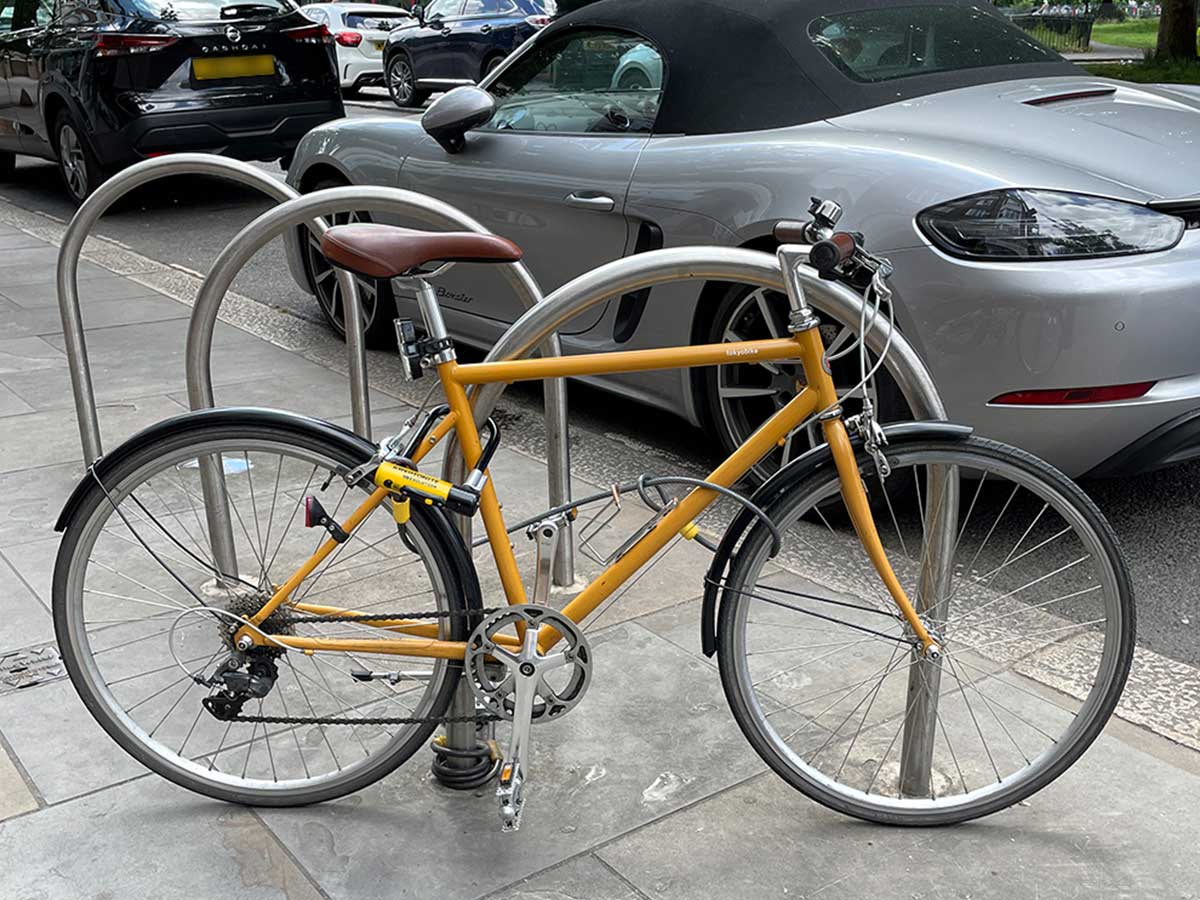
Place your bike close to the anchor point. Lock the frame and at least one wheel to the anchor. Keep the lock off the ground to prevent leverage attacks. Position your bike in a well-lit area with good visibility. A busy spot reduces the chance of theft.
Avoiding Common Locking Mistakes
Do not lock only the wheel or the seat. Avoid using quick-release parts without securing them. Never leave gaps between the lock and the bike. Avoid weak anchors like wooden posts or plastic fences. Double-check the lock before leaving your bike.
Step-by-step Locking Process
Locking your bike properly keeps it safe from theft. Using a D lock and cable together offers strong security. Follow these simple steps to lock your bike correctly.
Using The D Lock Effectively
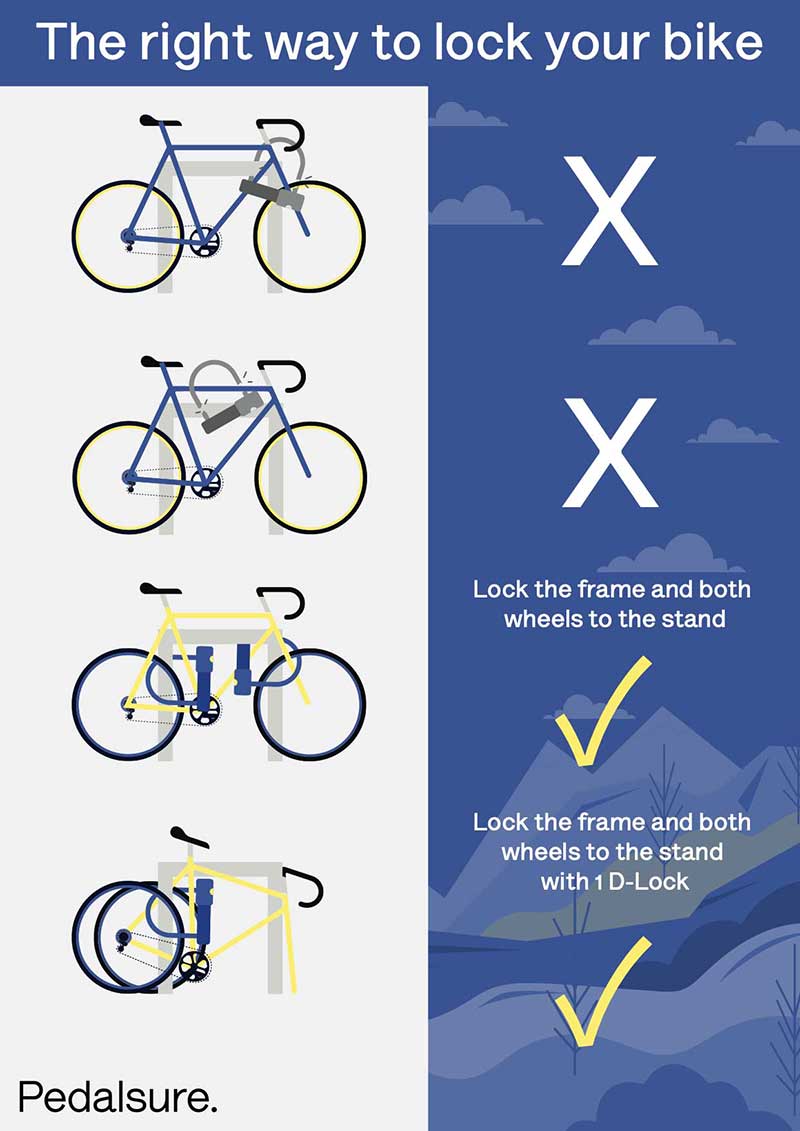
Place the D lock around the bike frame and a solid object. Choose a fixed item, like a bike rack or pole. Make sure the lock fits snugly and leaves little space. Avoid locking just the wheel or seat post. The frame is the strongest part to secure.
Securing Wheels With The Cable
Thread the cable through the wheels to protect them. Use the cable to loop the front and rear wheels. Attach the cable to the locked frame or object. This prevents thieves from removing wheels easily. Keep the cable tight to reduce movement.
Double Checking The Locking Setup
Check both the D lock and cable for a firm hold. Shake the bike gently to test security. Ensure nothing moves or slips out of place. Confirm the lock mechanism works smoothly. A secure setup deters quick theft attempts effectively.
Extra Security Tips
Extra security makes a big difference when locking your bike. It helps stop thieves and keeps your bike safe. Using smart habits can protect your bike beyond just a lock and cable.
Using Multiple Locks
Use more than one lock to secure your bike. A D lock and a cable lock together work well. The D lock holds the frame tight to a fixed object. The cable lock can secure the wheels and seat. Thieves find it harder to break two locks than one.
Timing And Parking Spot Choices
Choose busy, well-lit places to park your bike. Thieves avoid crowded areas. Park near cameras or where many people pass by. Avoid dark or hidden spots. Lock your bike during the day if possible. Night parking increases risk.
Regular Maintenance Of Locks
Keep your locks clean and working well. Dirt or rust can make locks weak or hard to use. Use lubricant on the lock mechanism regularly. Check your locks for damage or wear. Replace locks that look old or broken.
Credit: www.pedalsure.com
What To Avoid When Locking
Knowing what to avoid when locking your bike helps keep it safe. Small mistakes make it easier for thieves. Learn common errors to protect your bike better. Pay close attention to these key points.
Weak Anchor Points
Never lock your bike to weak or thin objects. Thin poles or signs can be broken or cut easily. Choose strong and sturdy anchors like thick metal posts or bike racks. A solid anchor stops thieves from lifting or moving your bike.
Leaving Quick-release Parts Unsecured
Many bikes have quick-release wheels or seats. These parts can be taken off fast if left unsecured. Use your cable lock to secure these parts to the frame. This extra step helps stop thieves from stealing parts only.
Exposing Locks To The Ground
Avoid placing your lock on the ground. Locks touching the ground get easier to cut or pry. Dirt and moisture can damage your lock over time. Keep the lock off the ground and close to your bike frame.
Frequently Asked Questions
How Do I Use A D Lock And Cable Together?
First, secure your bike frame and rear wheel with the D lock. Then, wrap the cable around the front wheel and attach it to the D lock. This method locks both wheels and the frame, providing better security against theft.
What Is The Best Way To Lock A Bike With A D Lock?
Place the D lock through the bike frame and a sturdy, immovable object. Ensure the lock is tight to prevent leverage attacks. Use the cable to secure the wheels separately for added protection.
Can A Cable Lock Increase Bike Security With A D Lock?
Yes, using a cable lock with a D lock secures both wheels and the frame. The D lock protects the frame and rear wheel, while the cable secures the front wheel, making theft more difficult.
Where Should I Position The D Lock When Locking My Bike?
Position the D lock around the bike frame and a fixed object. Avoid locking just the wheel. This ensures the bike cannot be easily lifted or detached from the lock.
Conclusion
Using a D lock and cable together keeps your bike very secure. Wrap the cable around the wheels and frame. Then, lock the D lock through the cable and a fixed object. This method stops thieves from taking your bike or parts.
Always choose a strong, sturdy lock and cable. Check them often for damage or wear. Practice locking your bike quickly and correctly. This simple habit protects your bike every day. Stay safe and enjoy your ride with peace of mind.