Are you tired of your bike suspension slowing you down on smooth roads or making climbs harder than they should be? Knowing how to lock your bike suspension can make a huge difference in your ride.
It gives you more control, saves your energy, and makes pedaling easier when you don’t need the extra bounce. You’ll discover simple steps to lock your suspension quickly and effectively. Keep reading to unlock better performance and enjoy a smoother, faster ride every time you hit the road or trail.
Types Of Bike Suspensions
Bikes come with different suspension types to improve comfort and control. Suspension helps absorb bumps and rough terrain. Knowing the types of bike suspensions helps you choose the right one.
Front Suspension
Front suspension uses a shock absorber in the front fork. It softens impacts on the front wheel. This type is common on mountain bikes and hybrids. It helps keep the front tire on the ground for better control.
Rear Suspension
Rear suspension has a shock absorber near the rear wheel. It cushions impacts from the back of the bike. This setup improves comfort on rough trails. It also helps maintain traction on uneven surfaces.
Dual Suspension
Dual suspension means the bike has both front and rear shock absorbers. It offers the best comfort and control on tough rides. This type is usually found on high-end mountain bikes. It reduces rider fatigue on long, bumpy trips.
Credit: www.sixthreezero.com
Benefits Of Locking Suspension
Locking your bike suspension offers clear advantages. It helps you control the bike better on different surfaces. You can save energy and improve your ride quality by using this feature smartly.
Improved Climbing Efficiency
Locking the suspension stops it from moving while climbing hills. This means more of your pedal power goes into moving forward. Less energy is lost, making climbs easier and faster.
Enhanced Pedaling Power
With the suspension locked, the bike feels firmer. This firmness helps transfer your pedaling force directly to the wheels. You get better speed and control on flat roads.
Smoother Rides On Smooth Terrain
On smooth roads, a locked suspension reduces unnecessary bouncing. Your ride feels stable and steady. This makes long rides less tiring and more comfortable.
When To Lock Your Suspension
Knowing when to lock your bike suspension can make your ride smoother and more efficient. Locking helps save energy and improves control on certain terrains. It stops the suspension from moving unnecessarily. This keeps your bike stable and faster on hard surfaces. Understanding the right moments to use this feature is key for better cycling.
Flat Roads
Lock your suspension on flat, smooth roads. Suspension movement here wastes your pedaling power. Keeping it locked keeps the bike firm and steady. This helps you pedal harder and go faster. You also feel more connected to the road.
Uphill Climbs
On uphill climbs, lock your suspension for better power transfer. Movement in suspension can slow you down. Locking it lets you push more force through the pedals. It also keeps your bike from bouncing. This makes climbing easier and more efficient.
Avoiding Suspension Bob
Suspension bob is when the bike bounces while pedaling. It wastes energy and slows you down. Locking your suspension stops this bobbing effect. It keeps your ride steady and saves your strength. Use the lock on smooth or hard surfaces to avoid this problem.

Credit: www.trainerroad.com
Steps To Lock Front Suspension
Locking the front suspension on your bike improves pedaling efficiency on smooth roads. This process is simple and quick. Follow these clear steps to lock your front suspension correctly.
Understanding how to lock the suspension helps you save energy and ride faster on flat surfaces. It also protects the suspension from unnecessary wear.
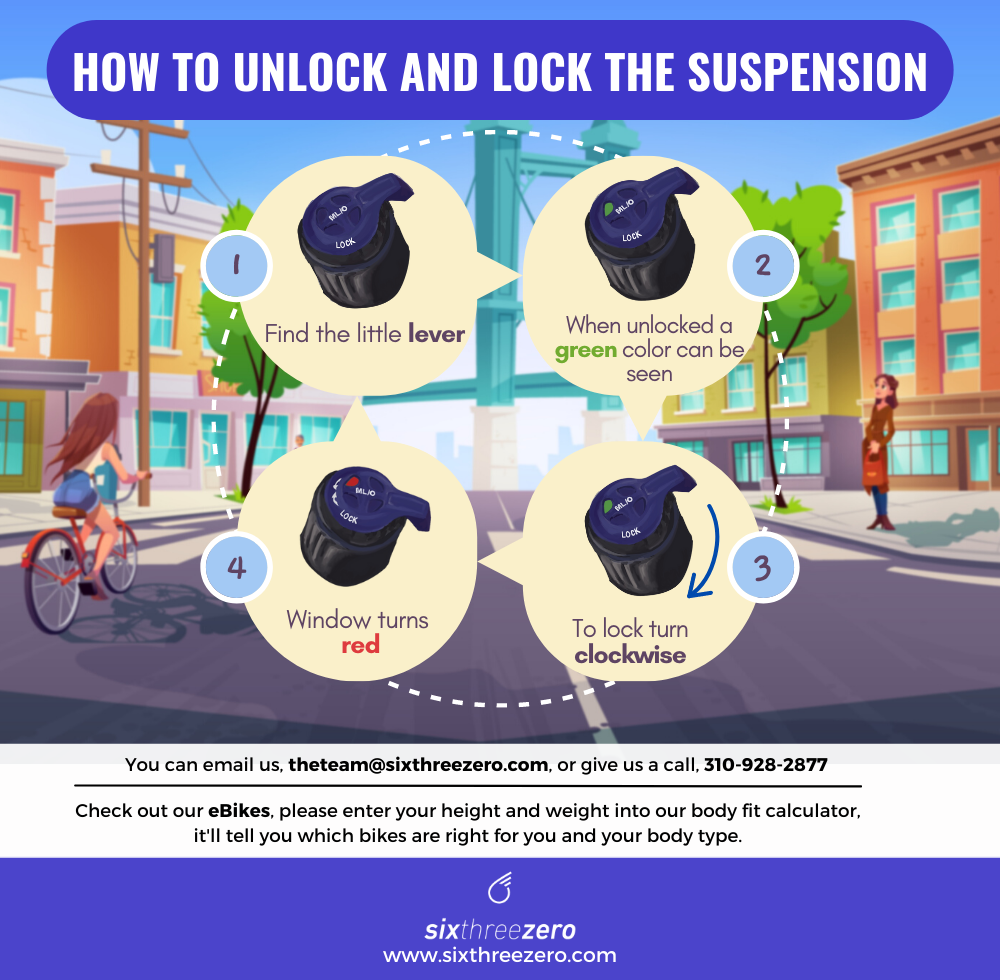
Locate The Lockout Lever
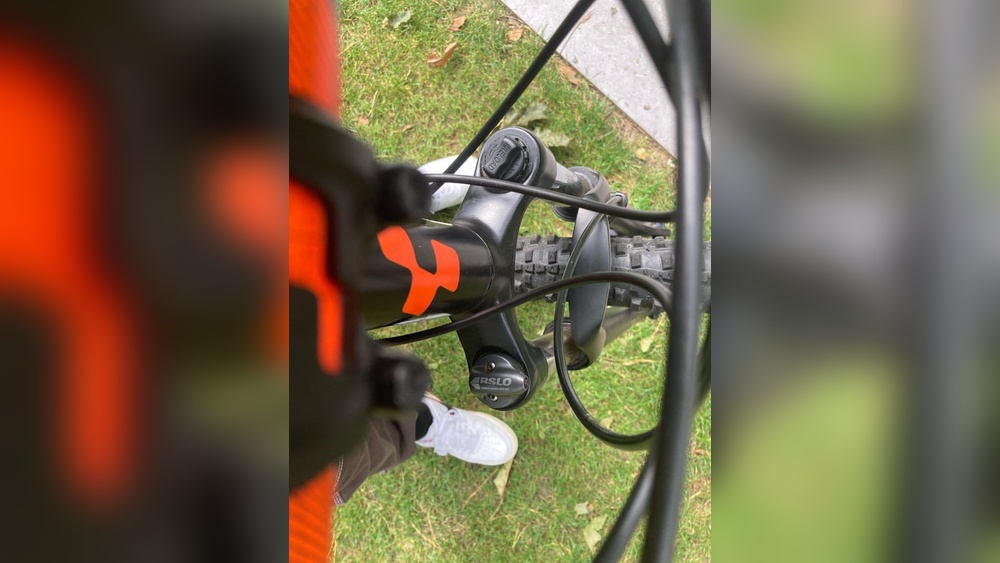
Find the lockout lever on the front fork of your bike. It is usually near the top of the suspension fork, on the right or left side. The lever is small and may be marked with symbols or letters.
Adjusting The Lever Position
Move the lockout lever to the locked position. This usually means pushing or turning the lever until it clicks. The suspension will feel firm and less bouncy when locked. Adjust carefully to avoid damaging the mechanism.
Testing The Lock
Push down on the front fork to test if the lock is engaged. The suspension should not compress easily. If it still moves freely, check the lever position again. Practice this step to ensure proper locking before every ride.
Steps To Lock Rear Suspension
Locking the rear suspension on your bike improves pedaling efficiency on smooth surfaces. This helps save energy and makes your ride faster. Follow these simple steps to lock your rear suspension correctly. It takes just a few moments and some practice.
Identify The Lockout Mechanism
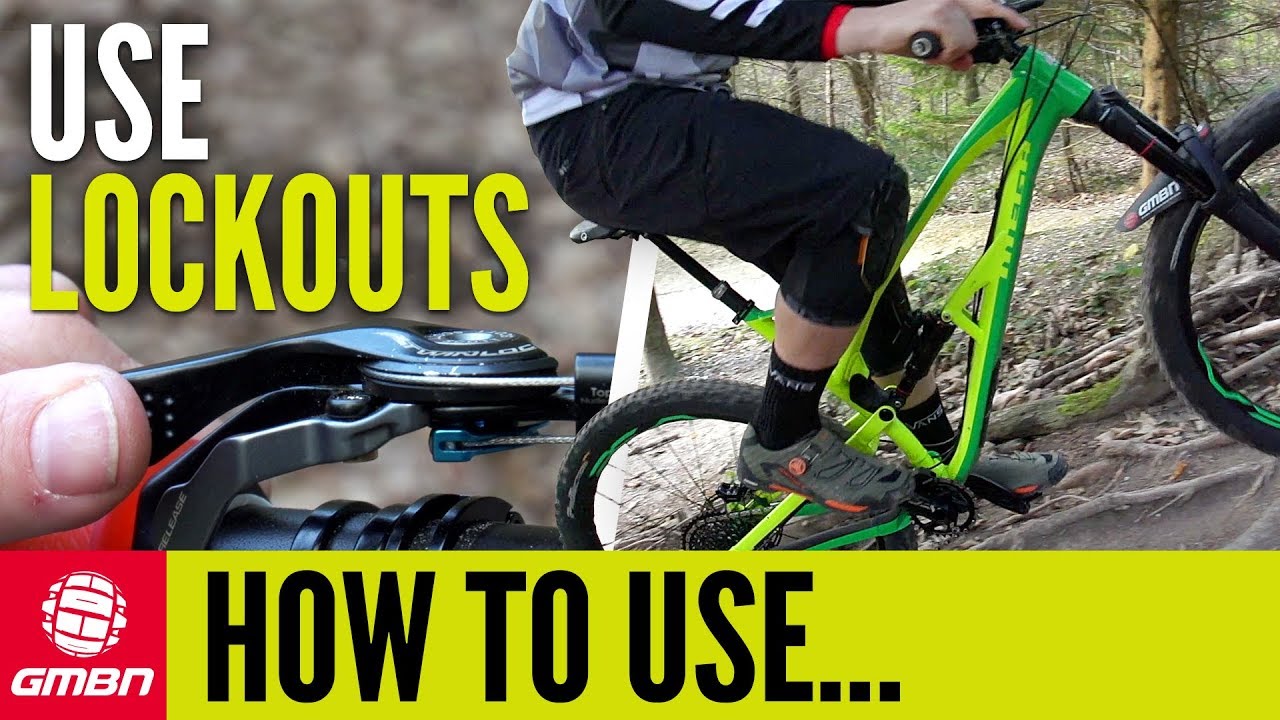
Find the lockout lever or switch on your bike’s rear shock. It is usually located near the top of the shock or on the handlebar controls. The lockout mechanism looks like a small lever or dial. Knowing its position helps you use it easily while riding.
Engaging The Lock
Move the lever or dial to the lock position. This stops the suspension from compressing. You will feel the rear shock become firm. Use gentle force to avoid damaging the mechanism. The bike now rides like a hardtail, with less bounce.
Verifying Suspension Lock
Press down on the bike’s rear with your hand or sit on the saddle. Check if the suspension compresses or stays firm. If it does not compress, the lock is engaged properly. If it moves, try adjusting the lever again. Confirming the lock ensures better ride control.
Tips For Maintaining Your Suspension
Maintaining your bike suspension is key to smooth rides and better control. Proper care helps your suspension last longer and perform well. Small efforts can prevent big problems.
Regular Cleaning
Keep your suspension clean after every ride. Dirt and mud can damage the seals and reduce performance. Use a soft brush and water to remove grime. Avoid high-pressure water near seals to stop water entry. Dry the suspension with a clean cloth.
Lubrication Practices
Lubricate moving parts to keep them running smoothly. Use oil made for bike suspensions only. Apply a small amount on stanchions and seals to reduce friction. Wipe off excess oil to avoid dirt buildup. Regular lubrication prevents wear and keeps the ride soft.
Professional Servicing Schedule
Have a professional check your suspension regularly. Experts can spot issues early and fix them properly. Follow the manufacturer’s advice on service intervals. A full service usually includes oil change, seal replacement, and inspection. Professional care keeps your suspension safe and efficient.
Common Suspension Lock Issues
Bike suspension lock helps control your ride’s stiffness. It makes pedaling easier on flat roads. Sometimes, the lock does not work properly. This can cause problems during your ride. Knowing common lock issues helps fix them fast. It also improves your bike’s performance.
Lockout Not Engaging
The lockout may fail to engage for several reasons. Dirt or dust can block the mechanism. The cable or lever might be loose or worn out. Sometimes, the internal parts get stuck or damaged. This stops the suspension from locking properly. It feels like the lock switch does nothing.
Suspension Stuck Locked
At times, the suspension stays locked and won’t move. This happens if the lock mechanism is jammed. Dirt or rust can cause the lock to freeze. A broken or bent cable may also cause this. Riding with stuck suspension is uncomfortable and risky.
Troubleshooting Tips
Start by cleaning the lock mechanism and cables. Check for loose or damaged parts around the lock. Lubricate moving parts with a bike-safe oil. Test the lock lever several times to free stuck parts. Replace worn cables or damaged components. Visit a bike shop if the problem remains. Regular maintenance keeps your suspension lock working well.
Credit: www.youtube.com
Frequently Asked Questions
How Do I Lock My Bike Suspension?
To lock your bike suspension, locate the lockout lever or dial on the fork or shock. Turn or flip it to engage the lock, which stiffens the suspension for efficient pedaling on smooth surfaces.
Why Should I Lock My Bike Suspension?
Locking your bike suspension improves pedaling efficiency on flat or uphill terrain. It prevents energy loss caused by suspension movement, helping you ride faster and with less effort.
When Is The Best Time To Lock Suspension?
Lock your suspension on smooth roads, climbs, or hard surfaces. Unlock it on rough trails or downhill sections to absorb shocks and maintain control.
Can Locking Suspension Damage My Bike?
No, locking your bike suspension as designed won’t cause damage. It’s a built-in feature meant to optimize performance for different riding conditions.
Conclusion
Locking your bike suspension helps you ride smoother on flat roads. It keeps the bike stable and saves your energy. You just need to find the lockout lever or switch on your suspension. Turn it on when riding on hard surfaces.
Turn it off for rough or bumpy trails. Practice this a few times to get used to it. This simple step can improve your riding comfort and control. Try it on your next ride and feel the difference.