You want to take your bike with you, but how do you keep it safe while it’s on your car? Knowing how to lock your bike to your car properly can save you from stress, theft, and damage.
Imagine arriving at your destination only to find your bike missing or scratched. That’s a hassle you don’t want. In this guide, you’ll learn simple, effective ways to secure your bike to your car so you can travel with peace of mind.
Keep reading to discover easy tips that protect your bike every time you hit the road.
Credit: www.reddit.com
Choosing The Right Bike Rack
Choosing the right bike rack is key to safely lock your bike to a car. The rack must fit your bike and vehicle perfectly. It should hold the bike firmly without damage. This section helps you pick a rack that works best.
Types Of Bike Racks
There are three main types of bike racks: hitch, trunk, and roof racks. Hitch racks attach to the car’s trailer hitch. Trunk racks strap onto the back of the car. Roof racks hold the bike on top of the car. Each type suits different needs and cars.
Compatibility With Your Car
Check if the bike rack fits your car model. Some racks only work with certain cars. Measure your car’s hitch size or trunk shape. Make sure the rack mounts securely. A poor fit can cause damage or unsafe rides.
Weight And Capacity Considerations
Know your bike’s weight before choosing a rack. Some racks hold one bike, others hold several. Check the rack’s weight limit and capacity. Choose a rack that can carry your bike safely. Overloading a rack risks accidents and damage.

Credit: www.youtube.com
Preparing Your Bike For Transport
Preparing your bike for transport is a key step before locking it to your car. This helps protect your bike and makes the trip smooth. Taking time to get your bike ready lowers the chance of damage. It also keeps all parts safe and secure during travel.
Removing Accessories
Take off all easy-to-remove parts like water bottles, lights, and bags. Loose accessories can fall off or get damaged during transport. Removing them makes your bike lighter and less cluttered. Store accessories safely inside your car or another secure place.
Securing Loose Parts
Check for any loose parts such as brake levers, gear shifters, or cables. Tighten any bolts and screws that may be loose. Use tape or zip ties to hold cables close to the frame. This prevents parts from moving or getting caught while driving.
Protecting The Frame And Components
Wrap the frame with foam or soft cloth to avoid scratches. Cover delicate parts like the derailleur and chainring with extra padding. Use bike-specific covers or old towels if you do not have special gear. Proper protection keeps your bike in good shape during transport.
Securing Your Bike To The Rack
Securing your bike to the rack is crucial for safe transport. A well-secured bike stays stable during travel. It also prevents damage to both the bike and the car. This section explains how to fasten your bike properly. Follow these steps to secure your bike firmly and safely.
Using Straps And Locks
Use strong straps to hold your bike tightly. Place straps around the frame and wheels. Tighten them to stop any movement. A good lock adds extra security. Lock the bike frame to the rack. Use a lock that fits your bike and rack well.
Positioning The Bike Correctly
Place the bike with the wheels straight. Keep the bike centered on the rack. Avoid letting the bike touch the car. Space between bikes helps prevent scratches. Make sure the bike is balanced and upright.
Double-checking Stability
Shake the bike gently to test hold. Check all straps and locks again. Look for any loose parts or movement. Adjust straps if you find any slack. A stable bike means a safer trip for you.
.jpg)
Credit: kdfoundation.org
Locking Techniques For Added Security
Securing your bike to a car requires smart locking techniques. This stops theft and keeps your bike safe. Using the right methods adds strong protection. Focus on lock choice, placement, and using more than one lock.
Choosing Strong Locks
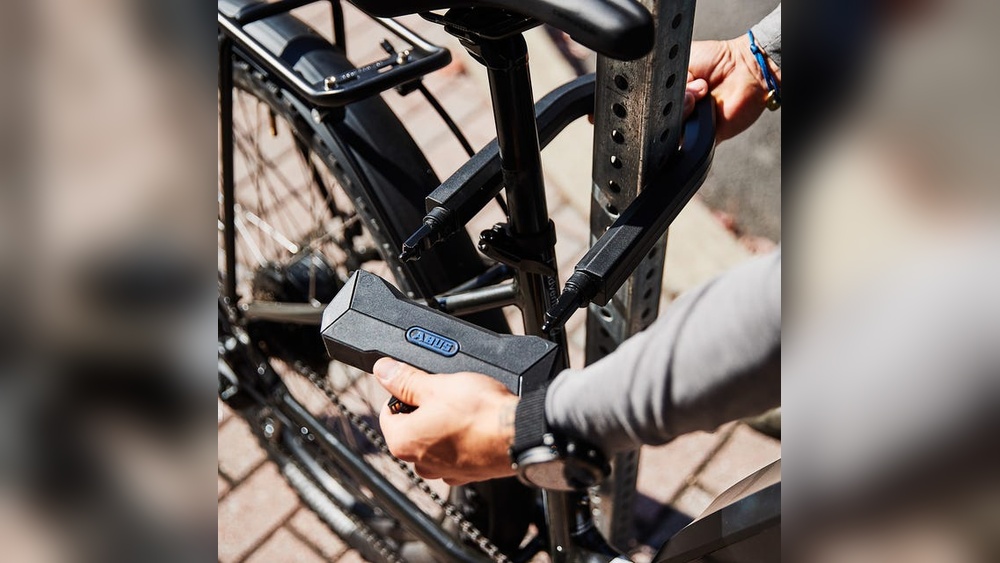
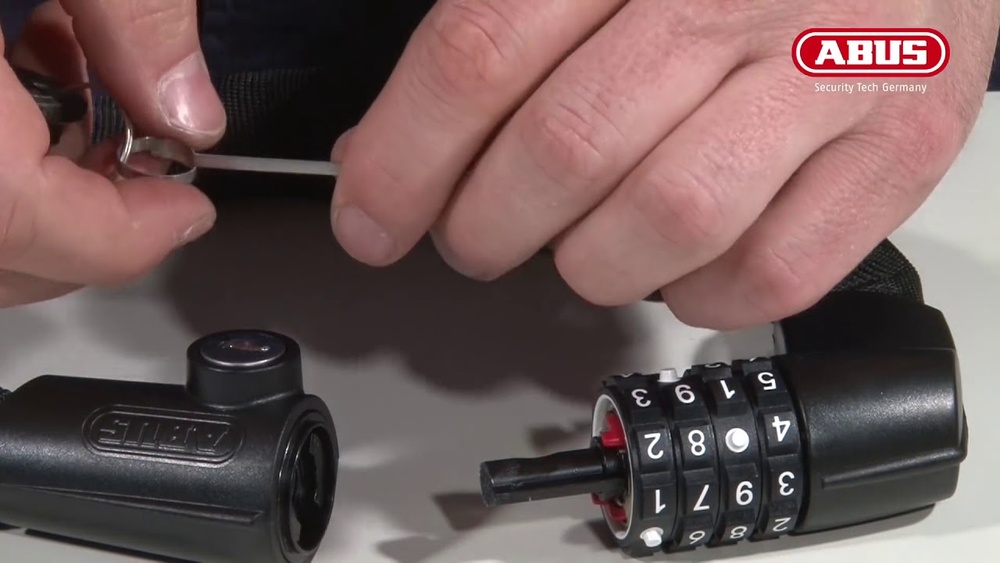
Pick locks made from tough materials like hardened steel. U-locks and heavy-duty chains work well. Avoid thin cables or cheap locks. They break easily. Look for locks with high security ratings. These locks resist cutting and picking better.
Lock Placement Tips
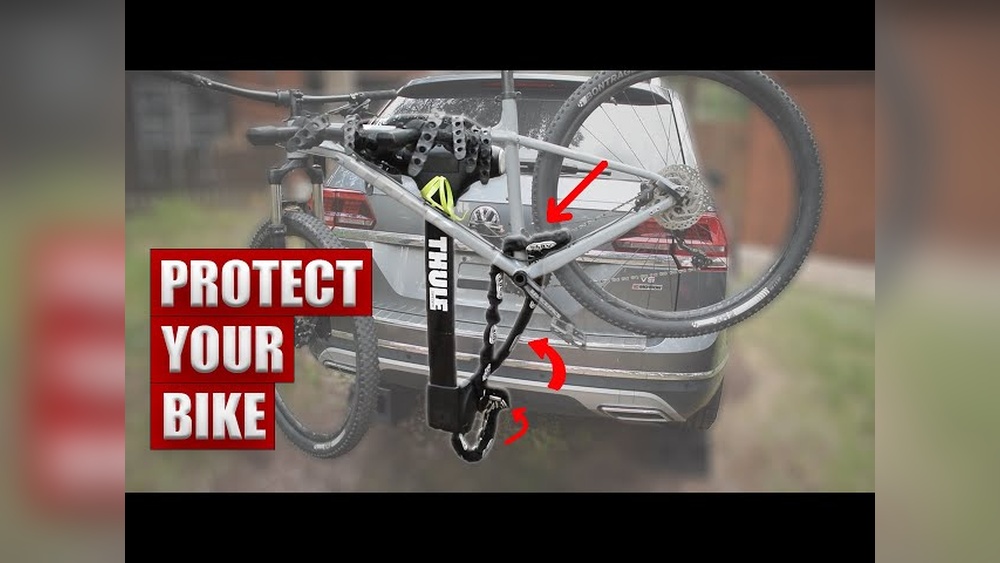
Lock your bike frame, not just the wheels. Wheels can be removed quickly. Secure the frame to a solid part of your car, like a roof rack or tow hitch. Avoid locking to parts that can be detached. Keep the lock off the ground to stop tools from working easily.
Using Multiple Locks
Use two or more locks for stronger security. Combine a U-lock with a cable lock for wheels. This makes theft harder. Thieves target the weakest point. Multiple locks increase time and effort needed to steal your bike. It also scares off many thieves.
Preventing Theft While Parked
Keeping your bike safe while it is locked to your car is very important. Thieves often target bikes left unattended. Taking simple steps can lower the risk of theft. These steps make your bike a harder target. Let’s explore ways to protect your bike effectively.
Choosing Safe Parking Spots
Pick well-lit areas to park your car and bike. Busy places with many people around reduce theft chances. Avoid dark or isolated spots. Near security cameras or stores is best. These spots make thieves think twice before trying to steal.
Additional Security Measures
Use strong locks designed for bikes and cars. Double locking can stop quick theft attempts. Secure the bike frame and wheels separately. Wrap the lock tightly to avoid easy cutting. Check locks regularly for damage or weakness.
Using Alarms And Gps Trackers
Install alarms on your bike for loud alerts. The noise scares off thieves quickly. GPS trackers help find your bike if stolen. Trackers send real-time location to your phone. This increases the chance of recovery fast.
Maintaining Your Bike And Rack
Maintaining your bike and rack keeps them safe and working well. Regular care prevents damage and costly repairs. It also makes your rides smoother and more enjoyable. Simple steps can help you protect your gear for a long time.
Regular Inspections
Check your bike and rack before every trip. Look for loose bolts or parts on the rack. Inspect your bike’s frame and tires for cracks or wear. Tighten any loose screws and bolts. Catching problems early saves money and hassle later.
Cleaning And Lubrication
Clean your bike and rack after each ride. Use a soft cloth to remove dirt and dust. Avoid harsh chemicals that damage paint or metal. Lubricate the bike chain and moving parts regularly. This keeps everything running smoothly and stops rust.
Storage Tips When Not In Use
Store your bike and rack in a dry place. Avoid leaving them outside in rain or sun. Use a cover to protect from dust and moisture. Keep the bike off the ground to prevent tire damage. Proper storage extends the life of your gear.
Frequently Asked Questions
How Do I Securely Lock My Bike To A Car?
Use a high-quality U-lock or chain lock to attach the bike frame to the car’s roof rack or hitch. Ensure the lock passes through the frame and wheel. Double-check the lock’s tightness to prevent easy removal or theft.
What Type Of Lock Is Best For Bike-to-car Security?
A heavy-duty U-lock or a thick chain lock with a hardened steel shackle offers the best security. Avoid cable locks as they are easier to cut. Choose locks with weather-resistant coatings for durability.
Can I Lock My Bike To A Car Without A Rack?
Yes, you can use a lock to secure the bike frame directly to parts like the tow hitch or wheel well. However, this may risk damage or instability. Using a proper bike rack is safer and more stable.
How Do I Prevent Bike Damage When Locking To A Car?
Use padding or protective covers between the bike frame and car surface. Secure the lock without over-tightening. Avoid locking sensitive parts like the derailleur or brake cables to prevent scratches or bending.
Conclusion
Locking your bike to your car keeps it safe during travel. Use a strong lock and secure both the frame and wheels. Choose a sturdy spot on your car to attach the lock. Double-check the lock before you leave. Taking these steps helps prevent theft and damage.
Stay cautious and protect your bike every time you travel. Safe rides start with smart locking habits.