You want to keep your bike safe, but locking it properly can be confusing. Using a D lock and cable together is one of the best ways to protect your bike from thieves.
You will learn simple steps to lock your bike quickly and securely. Follow these tips, and you’ll have peace of mind knowing your bike is well protected wherever you leave it. Keep reading to discover how easy it is to lock your bike the right way every time.
Choosing The Right D Lock
Choosing the right D lock is key to keeping your bike safe. The right lock fits your needs and offers strong protection. Understanding different types, materials, and size helps you pick well.
Types Of D Locks
D locks come in several designs. The most common is the solid D shape. It fits around the bike frame and a fixed object. Another type has a folding or hinged design. This adds flexibility but keeps strength. Some D locks include a cable for extra reach. Choose a type that matches your bike and where you park.
Material And Build Quality
Strong materials resist cutting and breaking. Hardened steel is the best choice. It offers high protection against tools. Cheaper locks use soft metals that cut easily. Look for locks with a thick shackle. A good lock has a solid locking mechanism. Avoid locks that feel light or weak. Quality matters for long-lasting security.
Size And Weight Considerations
Size affects how and where you lock your bike. A larger D lock fits bigger objects but may be heavy. Small locks are lighter but limit locking options. Think about carrying the lock daily. Choose a size that balances security and convenience. A lock that is too heavy might discourage use.

Credit: transportation.wisc.edu
Selecting A Suitable Cable
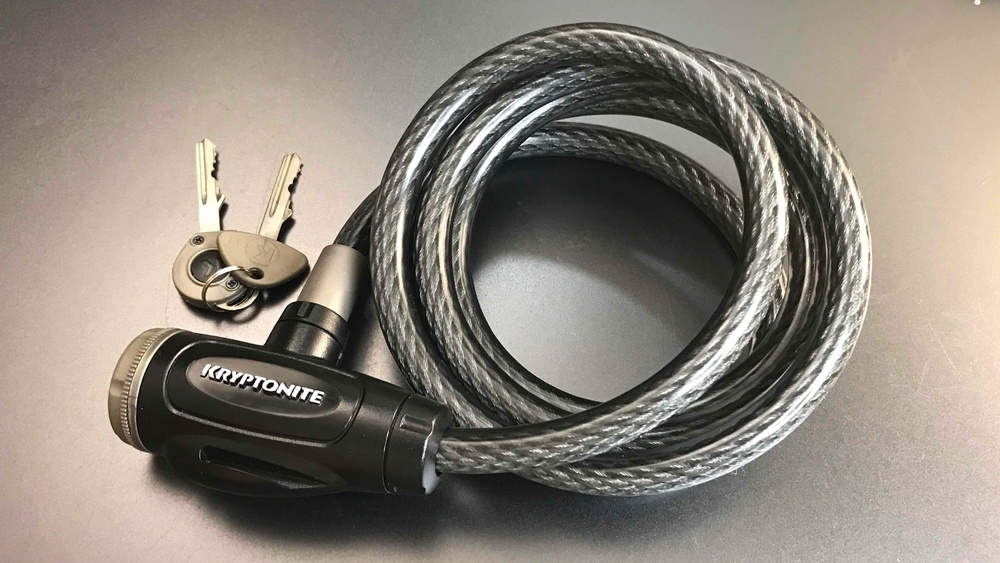
Selecting the right cable for your bike lock is important. It adds an extra layer of security. A good cable works well with your D lock. It keeps your bike safe from thieves. Choosing the correct cable means checking its size, coating, and how it bends. These factors affect how easy and secure your lock will be.
Cable Thickness And Length
Thicker cables are harder to cut. A cable with at least 10mm thickness offers better protection. Short cables reduce the chance of theft. However, make sure the cable is long enough to secure your bike to a solid object. Pick a length that fits your bike and the places you park.
Coating And Flexibility
Coating protects your bike from scratches. Look for cables with a smooth plastic or vinyl cover. This coating also stops the cable from rusting. Flexibility helps you wrap the cable around different objects. Choose a cable that bends easily but stays strong.
Combining Cable With D Lock
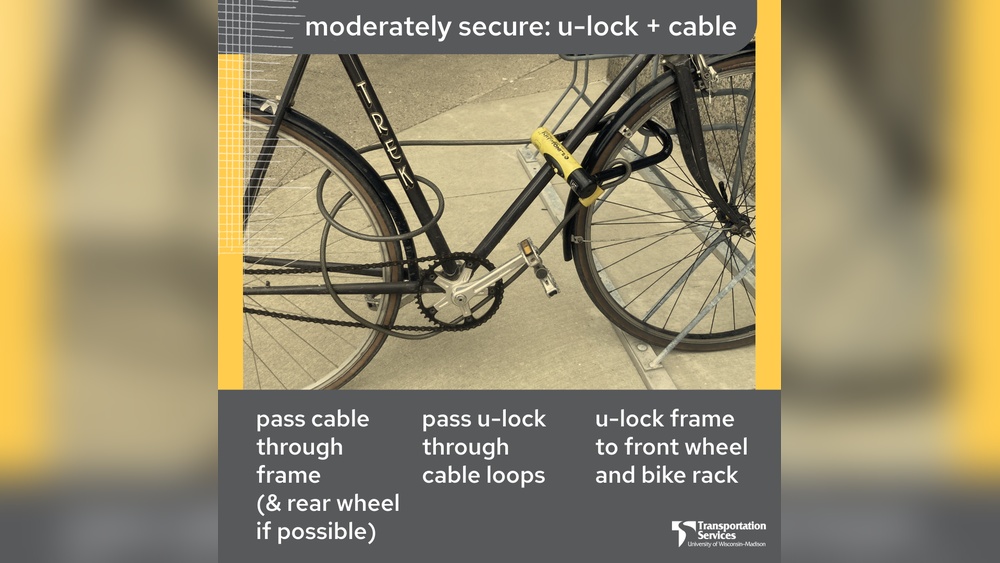
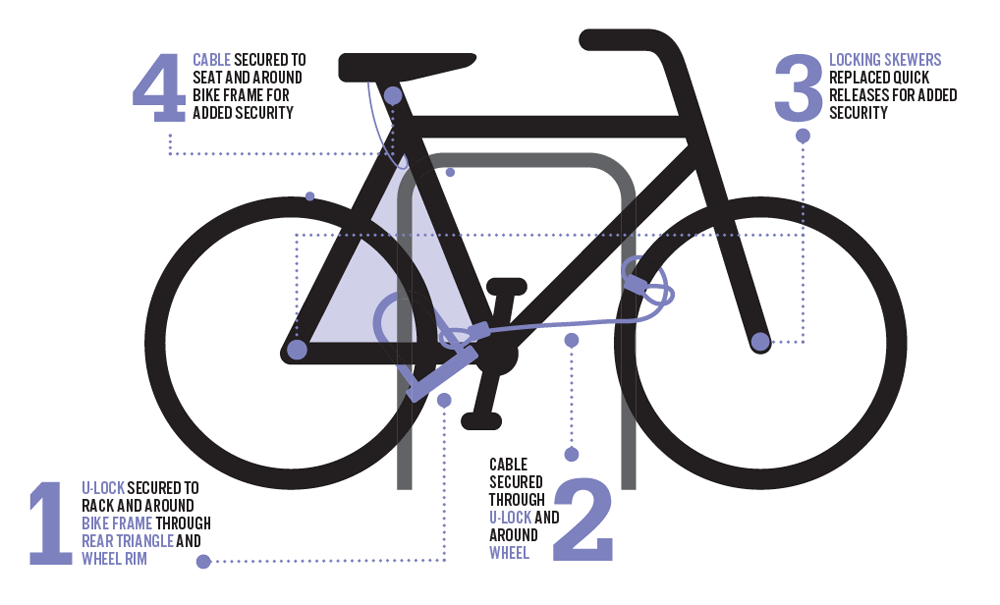
The cable works best with a sturdy D lock. Use the D lock to secure the frame and one wheel. Use the cable to secure the other wheel or accessories. This combination covers more parts of your bike. It makes stealing your bike much harder.
Preparing Your Bike For Locking
Preparing your bike before locking it is very important. It helps keep your bike safe from theft. Taking a few simple steps can make a big difference. You must know where to lock your bike and how to position it well. Also, removing loose parts adds extra security.
Ideal Locking Points
Choose a strong, fixed object to lock your bike. Look for sturdy poles or bike racks that cannot move. Avoid thin or weak posts that thieves can cut easily. Lock your bike frame to the object, not just the wheels. The frame is the hardest part to steal.
Removing Accessories
Take off items like lights, bags, or quick-release seats. These parts are easy to remove and often stolen. Keep them with you to avoid losing them. Removing loose accessories makes your bike less attractive to thieves. It also stops parts from getting damaged.
Positioning For Maximum Security
Place your bike close to the locking point. Keep the lock off the ground to prevent cutting. Turn the lock keyhole down to stop dirt and water inside. Lock both the frame and one wheel using the D lock. Use the cable to secure the other wheel. This way, your bike is harder to steal.
Step-by-step Locking Process
Locking your bike properly keeps it safe from theft. Use both a D lock and a cable for strong security. Follow these simple steps to secure your bike effectively. This method reduces the risk of parts being stolen.
Securing The Frame
Position your bike next to a fixed object like a bike rack. Place the D lock around the frame and the object. The frame is the strongest part and hard to remove. Make sure the lock fits tightly without much space.
Locking The Wheels
Use the cable to secure the wheels. Thread the cable through the front and rear wheels. Attach the cable ends to the D lock or around the fixed object. This stops thieves from taking the wheels separately.
Using The Cable Effectively
Keep the cable tight and avoid slack. Loose cables are easier to cut or tamper with. Wrap the cable so it does not hang low or touch the ground. Check both the lock and cable before leaving your bike.
Tips To Prevent Theft
Keeping your bike safe is important. Using a D lock and cable helps, but more steps can stop theft. Follow these tips to protect your bike better.
These simple actions can make a big difference. Stay alert and take care of your bike every time you park it.
Choosing Safe Parking Spots
Pick busy places with many people around. Thieves avoid crowded areas. Look for well-lit spots at night. Avoid dark corners or hidden areas. Always lock your bike to a solid object. Trees or weak poles are easy to break.
Avoiding Common Mistakes
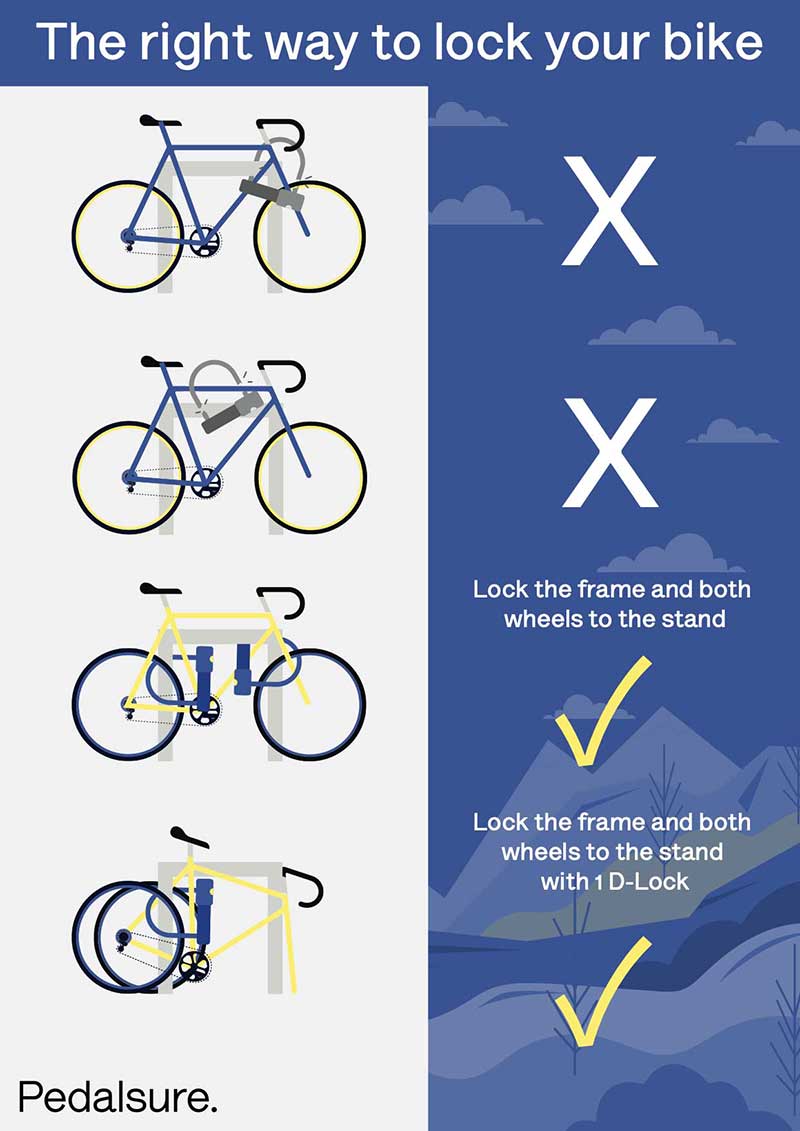
Don’t lock only the wheel. Secure the frame and at least one wheel. Avoid leaving quick-release parts unlocked. Use both D lock and cable for extra security. Don’t use cheap or old locks. They can break fast. Always double-check the lock before leaving.
Regularly Inspecting Locks
Check your locks often for damage or rust. Clean and oil the lock to keep it working. Replace locks that show wear or are hard to open. A strong lock is your best defense. Keeping your lock in good shape saves your bike.
Maintaining Your Locks
Maintaining your bike locks is important for keeping them strong and working well. A well-cared lock lasts longer and protects your bike better. Small steps like cleaning, storing, and checking your lock can save you trouble later. Here’s how to keep your D lock and cable in good shape.
Cleaning And Lubrication
Clean your lock regularly to remove dirt and dust. Use a soft cloth and mild soap with water. Avoid harsh chemicals that can damage the lock’s surface.
Lubricate the lock’s keyhole and shackle with a light oil or graphite powder. This stops rust and helps the lock open smoothly. Do this every few months or after rain.
Storage Tips
Store your lock in a dry place when not in use. Avoid leaving it outside where rain or snow can cause rust. If you carry your lock on the bike, use a holder or bag to protect it from dirt and moisture.
Keep the lock away from extreme heat or cold. These conditions can weaken the lock parts over time.
When To Replace Locks
Replace your lock if it shows signs of rust or damage. A lock that sticks or is hard to open may fail when you need it most. Also, replace the lock if the key is worn out or breaks inside the lock.
Regularly check your lock for cracks, bent parts, or other damage. A strong lock is key to protecting your bike.
Additional Security Measures
Securing your bike with a D lock and cable is a smart start. Adding extra layers of security gives better protection. These measures help stop theft and bring peace of mind. Small steps can make a big difference.
Alarm Systems And Gps Trackers
Alarm systems scare off thieves by making loud noises. They alert people nearby, increasing the chance of catching the thief. GPS trackers help find your bike if it gets stolen. Some trackers send real-time location to your phone. Combining alarms and GPS makes your bike much harder to steal.
Using Multiple Locks
Using more than one lock adds extra safety. A D lock combined with a cable lock covers weak spots. Thieves avoid bikes with several locks. Lock different parts, like the frame and wheels. This method slows down thieves and lowers risk.
Insurance Options
Bike insurance protects your investment if theft happens. Many companies offer plans for stolen or damaged bikes. Check policies carefully for coverage and cost. Insurance helps replace your bike without a large expense. It is worth considering for valuable bicycles.
Credit: www.pedalsure.com
Credit: sfbike.org
Frequently Asked Questions
How Do I Use A D Lock And Cable Together?
First, secure the frame and wheel with the D lock. Then, loop the cable through the other wheel and a fixed object. This combination maximizes security by locking both wheels and the frame to an immovable structure.
Why Combine A D Lock With A Cable Lock?
Using both locks protects your bike better. The D lock secures the frame, while the cable locks the wheels. This dual approach makes it harder for thieves to steal your bike or parts.
Where Should I Lock My Bike With These Locks?
Always lock your bike to a sturdy, immovable object. Choose a well-lit, busy area to deter theft. Ensure the locks secure both the frame and wheels firmly.
Can I Use Any Cable With A D Lock?
Use a thick, cut-resistant cable designed for bike security. Thin or generic cables can be easily cut. Pairing a strong cable with a reliable D lock improves protection.
Conclusion
Using a D lock and cable together keeps your bike very safe. Lock the frame and wheel to a strong object. Wrap the cable around other parts for extra protection. Always choose a sturdy lock and check it often. Taking these small steps helps stop thieves fast.
Keep your bike secure and enjoy your rides without worry. Simple habits make a big difference in bike safety. Stay careful and protect your bike every time you park.