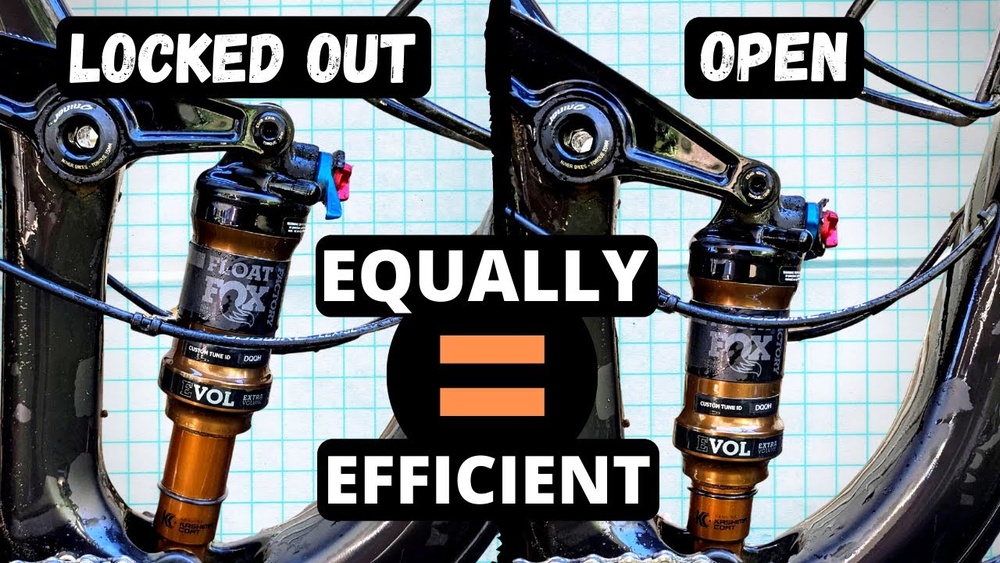
Are you tired of feeling every bump and dip on your bike ride? Knowing how to lock shocks on your bike can make a huge difference in your comfort and control.
Whether you’re cruising on smooth roads or tackling rough trails, locking your shocks gives you the power to choose the best ride experience. In this guide, you’ll discover simple steps to lock your bike shocks quickly and easily. By the end, you’ll feel more confident and ready to take on any terrain with smoother, more efficient rides.
Keep reading to unlock the secret to better biking today!

Credit: www.youtube.com
Benefits Of Locking Bike Shocks
Locking bike shocks offers several key benefits for riders. It helps control the bike’s suspension during different riding conditions. This can improve performance and make pedaling easier on flat and uphill sections. Understanding these benefits can help riders decide when to lock their shocks for the best experience.
Improved Climbing Efficiency
Locked shocks prevent the suspension from compressing too much. This keeps the bike stable on climbs. Riders use less energy because the bike stays firm. It helps maintain momentum and reduces fatigue on steep hills.
Enhanced Pedaling Power
Locking shocks transfers more power directly to the pedals. The bike feels more responsive and faster on smooth terrain. Pedaling becomes easier and more efficient without the suspension absorbing energy. This helps riders keep a steady speed.
Reduced Suspension Bob
Suspension bob is the unwanted movement of the shocks during pedaling. Locking the shocks minimizes this bobbing effect. It keeps the bike steady and prevents energy loss. This leads to a smoother and more controlled ride.

Credit: www.youtube.com
Types Of Bike Shocks
Bikes use different types of shocks to absorb bumps and rough terrain. These shocks help riders stay comfortable and control the bike better. Knowing the types of bike shocks makes it easier to understand how to lock them.
Shocks mainly come in two forms: front suspension forks and rear suspension systems. Each works differently and serves a specific purpose. Some shocks also have lockout mechanisms that let you turn off the suspension.
Front Suspension Forks
Front suspension forks are the most common shocks on mountain bikes. They sit on the front wheel and absorb impacts from rocks, roots, and bumps. These forks use springs or air to compress and soften the ride. They improve steering and control on rough paths.
Rear Suspension Systems
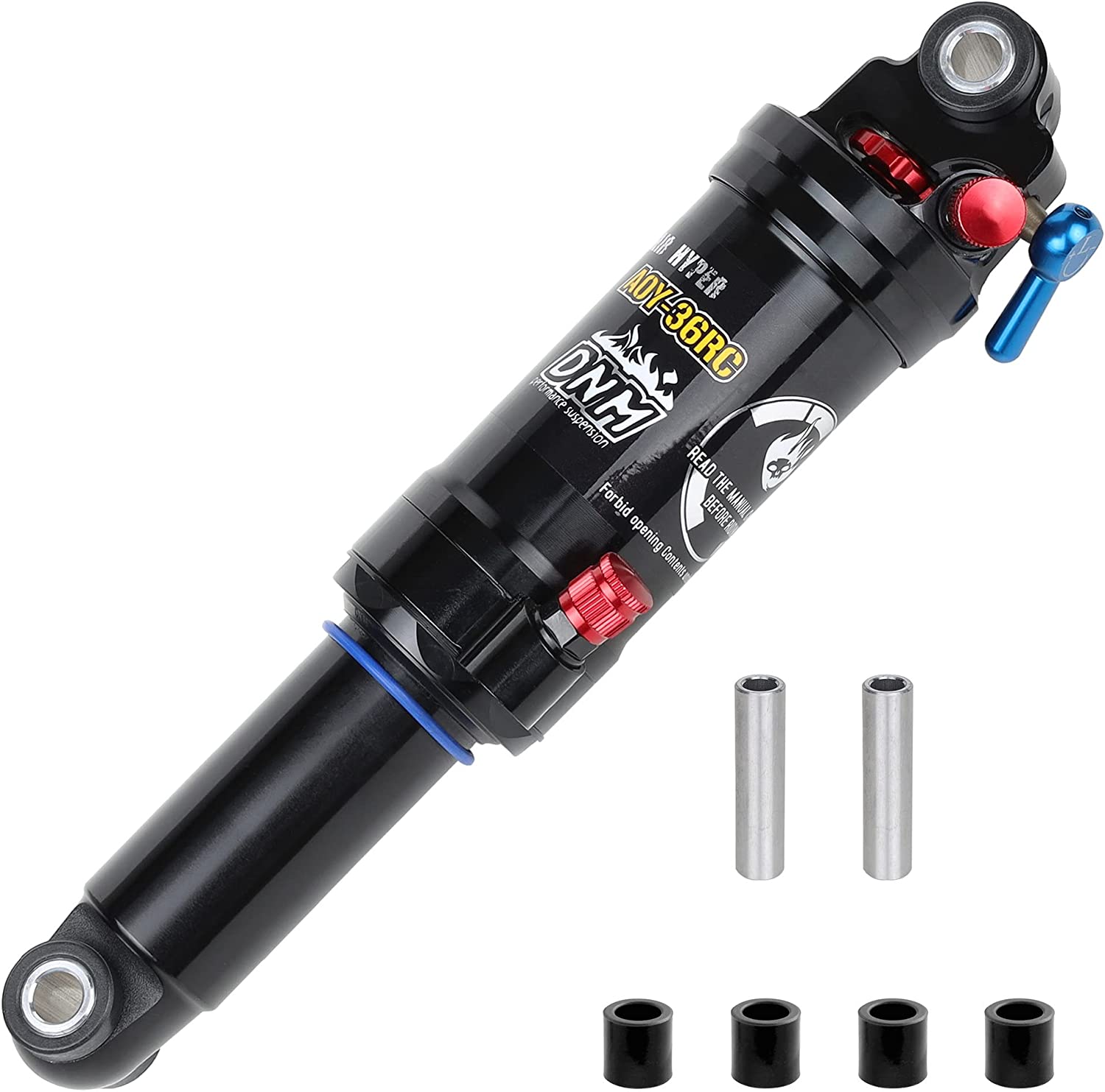
Rear suspension systems work on the bike’s back wheel. They have a shock absorber that helps the rear triangle of the frame move. This makes the ride smoother on tough trails. Rear shocks often use springs or air chambers to absorb shocks. They add comfort and reduce rider fatigue.
Lockout Mechanisms
Lockout mechanisms let riders turn off the suspension. This makes the bike harder and more efficient on smooth roads. Lockouts can be on front forks, rear shocks, or both. They use a lever or button to stop the shock from compressing. Locking the shocks saves energy and improves pedaling.
Tools Needed For Locking Shocks
Locking the shocks on your bike improves control and efficiency on different terrains. Using the right tools makes the process easier and safer. Gathering these tools before starting saves time and frustration. Here is what you need to lock your bike shocks properly.
Basic Hand Tools
Basic hand tools include Allen wrenches and screwdrivers. These tools help adjust the lockout lever or bolt on the shock. Most bikes require a 4mm or 5mm Allen wrench. Keep these tools clean and ready for use.
Shock Pump
A shock pump fills the air chamber in your suspension. It adjusts the pressure for locking or unlocking shocks. A good pump has a pressure gauge for accurate readings. Using the pump helps maintain the right firmness of the shock.
Manufacturer’s Manual
The manufacturer’s manual provides specific instructions for your bike model. It explains the lockout system and any special tools needed. Always read the manual before making adjustments. The manual helps avoid damage and keeps your bike safe.
Steps To Lock Front Shocks
Locking the front shocks on your bike improves pedaling efficiency on smooth surfaces. It stops the shocks from compressing, saving your energy and keeping your ride steady. Follow these simple steps to lock your front shocks correctly.
Locate The Lockout Lever
First, find the lockout lever on the front shock. It is usually a small switch or knob on top of the fork. The lever might be colored or marked with symbols for easy identification.
Adjusting The Lever Position
Move the lever to the locked position. This usually means pushing or twisting it until you feel a click or resistance. The shock will become firm and stop absorbing bumps. Make sure the lever is fully engaged to avoid partial locking.
Testing The Lock
After locking the shocks, press down on the front fork to check stiffness. It should feel hard and not compress easily. Ride a short distance to confirm the shocks remain locked. Adjust the lever if needed for a secure lock.
Steps To Lock Rear Shocks
Locking the rear shocks on your bike helps you ride smoother on flat surfaces. It makes pedaling easier and saves energy. Follow these simple steps to lock your rear shocks correctly. This way, you get better control and comfort during your ride.
Identify The Lockout Dial Or Lever
First, find the lockout dial or lever on your rear shock. It is usually near the shock body or on the bike frame. The dial or lever is small and easy to turn or flip. Check your bike manual if you cannot spot it right away.
Adjusting Compression Settings
Turn the dial or flip the lever to the lock position. This tightens the shock and stops it from compressing. You may feel more resistance as you press down on the bike. Set the lockout for smooth rides on hard surfaces or climbs.
Confirming Shock Lock
Press down on the rear of your bike to check if the shock is locked. The shock should not compress much or at all. If it still moves freely, adjust the dial or lever again. Make sure it stays firm before you start riding.
Common Issues And Fixes
Locking shocks on a bike can sometimes face issues. These problems affect your ride and comfort. Knowing common issues helps you fix them quickly. This keeps your bike working well and safe.
Lever Not Engaging Properly
The lever may not lock the shock fully. Dirt or rust can block its movement. Check the lever for dirt and clean it. Use a small brush and some oil. If the lever feels loose, tighten the bolts. Replace broken parts if needed. Test the lever after cleaning and fixing.
Air Pressure Problems
Shocks need correct air pressure to work right. Low pressure makes the shock soft. High pressure makes it hard and less smooth. Use a shock pump to check pressure. Add or release air to match the guide. Check pressure before every ride. This keeps your shock balanced and responsive.
Maintenance Tips
Regular care helps shocks last longer. Clean the shock after rides, especially in mud. Avoid using high-pressure water near seals. Lubricate moving parts with proper oil. Check for leaks or damage often. Replace seals or oil if you see problems. Proper maintenance saves money and improves safety.
When To Unlock Your Shocks
Knowing when to unlock your bike shocks is key to a smooth ride. Shocks absorb bumps and keep the bike steady. Locked shocks work best on flat roads but not on rough paths. Unlocking them at the right time helps you stay safe and comfortable.
Rough Terrain Riding
Rough terrain means rocks, roots, and uneven ground. Locked shocks make the ride harsh here. Unlock your shocks to absorb shocks from the ground. This protects your body and bike from damage. It also keeps you balanced on tricky surfaces.
Descending Hills
Going downhill fast needs good control. Locked shocks can make the bike bounce dangerously. Unlock shocks to let them absorb bumps and drops. This gives you better grip and slows you down safely. You feel more confident on steep slopes.
Technical Trails
Technical trails have sharp turns and obstacles. Locked shocks make it hard to handle sudden changes. Unlocking them helps your bike move smoothly over roots and stones. It improves traction and keeps your wheels on the trail. You stay steady and avoid falls.
Credit: www.vitilanebike.com
Frequently Asked Questions
How Do I Lock Shocks On My Bike?
To lock shocks, locate the lockout lever on your fork or rear shock. Flip the lever to the locked position. This prevents the shocks from compressing, improving pedaling efficiency on smooth surfaces.
Why Should I Lock My Bike Shocks?
Locking shocks improves pedaling efficiency on flat terrain. It prevents energy loss by stopping unnecessary suspension movement. This helps maintain speed and conserves rider energy during climbs or smooth rides.
Can I Lock Shocks On All Types Of Bikes?
Most modern mountain and hybrid bikes have lockable shocks. However, some entry-level or rigid bikes lack this feature. Always check your bike’s suspension system and manual before attempting to lock shocks.
When Is The Best Time To Lock Bike Shocks?
Lock your shocks on smooth, paved, or uphill sections. Unlock them on rough, rocky, or downhill trails for better control and comfort. Adjust locking based on terrain to optimize performance and safety.
Conclusion
Locking shocks on your bike improves control and saves energy. It makes pedaling easier on smooth roads. Adjust the lock based on the terrain you face. Practice locking and unlocking to get comfortable. Regular maintenance keeps your shocks working well.
With simple steps, you can enjoy a smoother ride. Keep safety in mind and ride confidently every time. Your bike will perform better with the right shock settings. Try it out and feel the difference yourself.