You want to keep your bikes safe, but locking two bikes to a single rack can feel tricky. How do you make sure both bikes stay secure without wasting time or struggle?
If you’ve ever worried about your bike getting stolen or damaged, this guide is for you. You’ll learn simple, effective ways to lock two bikes quickly and confidently. Keep reading to discover tips that protect your bikes and give you peace of mind every time you park.

Credit: transportation.wisc.edu
Choosing The Right Lock
Choosing the right lock is key to keeping two bikes safe on a rack. The lock must be strong and easy to carry. It should fit your needs and budget. Understanding lock types, strength, and convenience helps you pick the best one.
Types Of Bike Locks
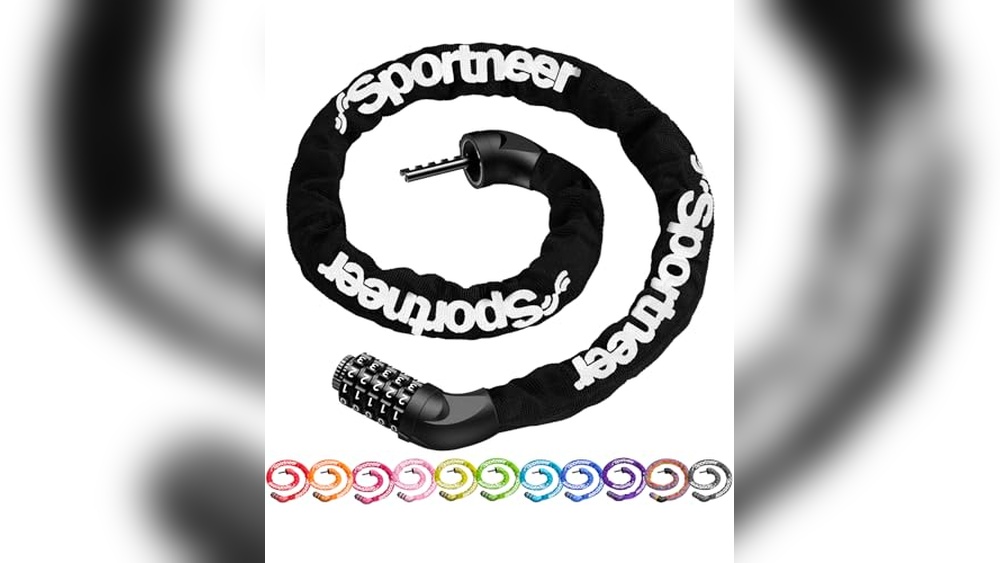
U-locks have a solid metal bar shaped like a U. They offer good protection against cutting tools. Chain locks use heavy metal links and a strong padlock. These are flexible and cover more space. Cable locks are light and easy to coil. They work best in low-risk areas but are less secure.
Lock Strength And Security
Strong locks resist cutting and picking. Look for thick metal and hardened steel. Locks with double locking mechanisms add extra security. Check for locks tested by security organizations. A strong lock reduces the risk of theft significantly.
Portability And Convenience
Consider how easy the lock is to carry. Heavy locks can be hard to bring on rides. Some locks come with mounting brackets for your bike frame. A lock that is simple to use saves time and effort. Choose a lock that fits your daily routine well.

Credit: thebestbikelock.com
Selecting A Suitable Rack
Choosing the right bike rack makes a big difference when locking two bikes. The rack must hold both bikes securely and keep them safe. Understanding key features helps pick the best rack for your needs. This section covers important points to check before selecting a rack.
Rack Design And Stability
Pick a rack that fits two bikes without crowding them. The design should allow locking frames and wheels easily. A stable rack stays firm on the ground and does not wobble. Look for wide bases or fixed mounts for better stability. Stability prevents bikes from tipping or falling over.
Material And Durability
Strong materials resist cutting or breaking attempts. Steel racks are a common choice for durability. Powder-coated finishes protect from rust and weather damage. Avoid racks made from weak metals or plastics. A durable rack lasts longer and offers better security.
Location And Visibility
Choose a rack placed in a busy or well-lit area. Visibility deters thieves and helps you watch your bikes. Avoid hidden or dark spots that invite theft. Near entrances or on busy sidewalks are good locations. A visible rack adds a layer of safety for your bikes.
Preparing Bikes For Locking
Preparing your bikes before locking them to a rack is very important. It helps keep your bikes safe and makes locking easier. Taking time to arrange and adjust your bikes can prevent damage and theft. Follow simple steps to get your bikes ready for locking.
Aligning Bikes Efficiently
Place both bikes side by side facing the same direction. Keep a small gap between them to avoid scratches. Align the frames so they fit closely. This arrangement saves space and makes locking faster. Proper alignment helps secure both bikes with fewer locks.
Removing Accessories
Take off any loose or quick-release items like lights or bags. These can be stolen easily if left on. Removing accessories also prevents damage during locking. Store these items safely before locking the bikes. This step adds extra protection for your belongings.
Positioning For Maximum Security
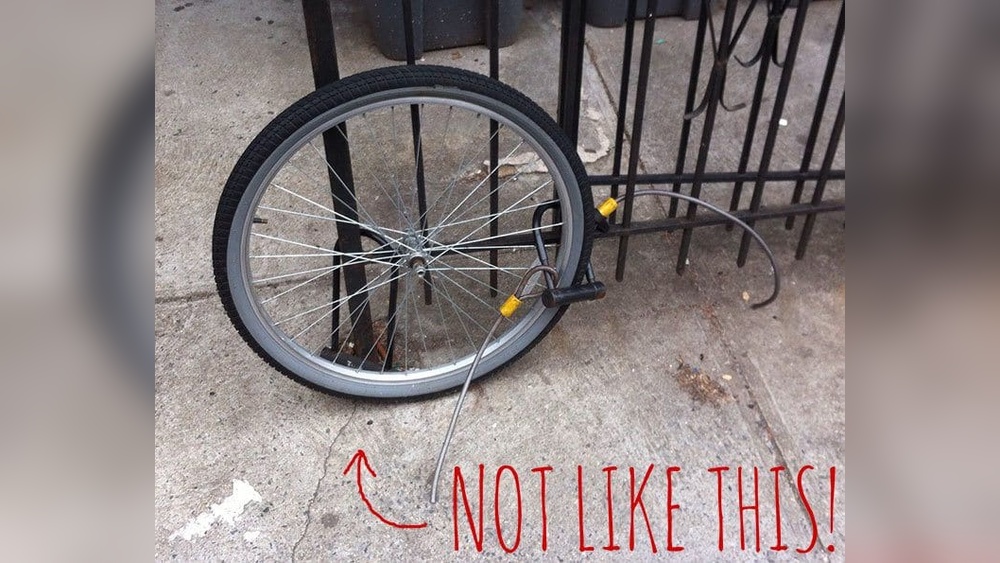
Position bikes so their frames and wheels touch the rack. This allows you to lock both parts securely. Avoid locking only the wheels, as they can be removed. Make sure the lock goes through the frame and the rack. This setup makes your bikes harder to steal.
Locking Techniques For Two Bikes
Locking two bikes to a rack needs careful planning. The goal is to stop thieves from stealing any part of your bike. Using the right technique helps keep both bikes safe. Each method has its own way of securing the bikes. Choose the best option based on your locks and bike types.
Using A Single Lock
One lock can hold two bikes, but it must be strong and long. Loop the lock through both bike frames and the rack. Make sure the lock passes through the frame, not just the wheels. This method saves time but may leave wheels less secure. Pick a sturdy U-lock or thick chain for this job.
Using Two Separate Locks
Two locks offer better protection for both bikes. Use one lock for each bike frame and rack. This way, each bike is locked independently. Thieves find it harder to steal two locked bikes. This method is safer but needs two good locks. Always lock the frame, not just the wheels.
Securing Frames And Wheels
Frames are the most valuable part of a bike. Always lock the frame to the rack. Wheels can be stolen if not secured properly. Use cable locks or additional chains to lock wheels. Lock the front wheel and frame together if possible. This stops thieves from taking parts easily.
Additional Security Measures
Securing two bikes to a rack requires more than just basic locks. Extra steps boost protection and lower theft risk. These additional security measures make your bikes harder to steal. Use simple tools and smart tactics for better safety.
Using Cable Or Chain Extensions
Cable or chain extensions help reach distant parts of the bike. They connect both bikes together and to the rack. Choose strong, cut-resistant materials for better protection. Loop cables through the frame and wheels for full security.
Locking Quick-release Components
Quick-release wheels and seats are easy targets for thieves. Secure these parts with special locks or extra cables. Replace quick-release levers with bolt-on alternatives if possible. This step stops quick theft of bike parts.
Adding Identification Tags
Identification tags show ownership and help recover stolen bikes. Use metal or plastic tags with your name and contact info. Attach tags in visible places on the bike frame. Register your bike with local or online databases for extra safety.
Common Mistakes To Avoid
Locking two bikes to a rack requires care and attention. Many people make simple mistakes that put their bikes at risk. Avoiding these errors helps keep your bikes safe and secure. Here are some common mistakes to watch out for.
Poor Lock Placement
Placing the lock in the wrong spot makes it easy for thieves. Avoid locking only the front wheel. The lock should secure the frame and a sturdy part of the rack. This prevents thieves from removing parts or the whole bike.
Ignoring Weak Points
Weak points include quick-release wheels and seat posts. These parts can be stolen easily if not locked properly. Use a second lock or cable to secure these areas. Don’t assume one lock will protect everything.
Leaving Bikes In Low Visibility Areas
Dark or hidden spots invite theft. Choose well-lit, busy locations to park your bikes. Thieves avoid places where they can be seen. Visibility is a simple and effective way to reduce risk.
Maintenance And Care For Locks
Taking care of your bike locks helps keep them strong and reliable. Proper maintenance stops rust and damage. It also makes locks easier to use every day.
Regular care saves money by avoiding early replacements. Simple steps keep locks working smoothly and protect your bikes well.
Cleaning And Lubricating
Clean your locks with a soft cloth and mild soap. Remove dirt and dust that can cause jams. Dry the lock fully before use.
Use a lubricant designed for locks. Apply it inside the keyhole and moving parts. This prevents rust and keeps the lock turning smoothly.
Checking For Wear And Tear
Look closely at the lock for cracks or rust spots. Check the key and cable for damage or bending. Replace parts if they look weak.
Test the lock regularly by locking and unlocking it. Notice any stiffness or unusual sounds. These may mean the lock needs repair.
Proper Storage
Store your locks in a dry place when not in use. Avoid leaving them outside in rain or snow. Moisture can cause rust and shorten lock life.
Keep locks away from extreme heat or cold. Both can damage the lock’s parts. Use a protective cover if storing bikes outdoors.

Credit: www.seasucker.com
Frequently Asked Questions
How Can I Securely Lock Two Bikes To One Rack?
Use a sturdy U-lock for the first bike, locking the frame and wheel to the rack. Use a cable lock for the second bike, securing both wheels and frame. This method maximizes security while efficiently using one rack for two bikes.
What Type Of Lock Is Best For Locking Two Bikes?
A combination of a U-lock and a cable lock works best. The U-lock secures the first bike’s frame and wheel, while the cable lock secures the second bike’s frame and wheels. This combination balances security and convenience effectively.
Can I Lock Two Bikes With One Lock Only?
It’s not recommended to use one lock for two bikes. One lock may not secure both bikes properly, increasing theft risk. Using two locks ensures each bike is securely fastened to the rack, providing better protection.
Where Should I Position Two Bikes On A Rack?
Place the bikes side by side with enough space between them. Ensure locks secure both frames and wheels to the rack. Positioning bikes properly prevents damage and makes locking easier and more secure.
Conclusion
Locking two bikes to a rack keeps them safe and secure. Use strong locks and wrap them around the frame and rack. Make sure both bikes are attached tightly without loose parts. Choose a visible, well-lit place to park your bikes.
Checking your locks regularly helps avoid trouble. Simple steps like these protect your bikes from theft. Enjoy your rides knowing your bikes are locked right.