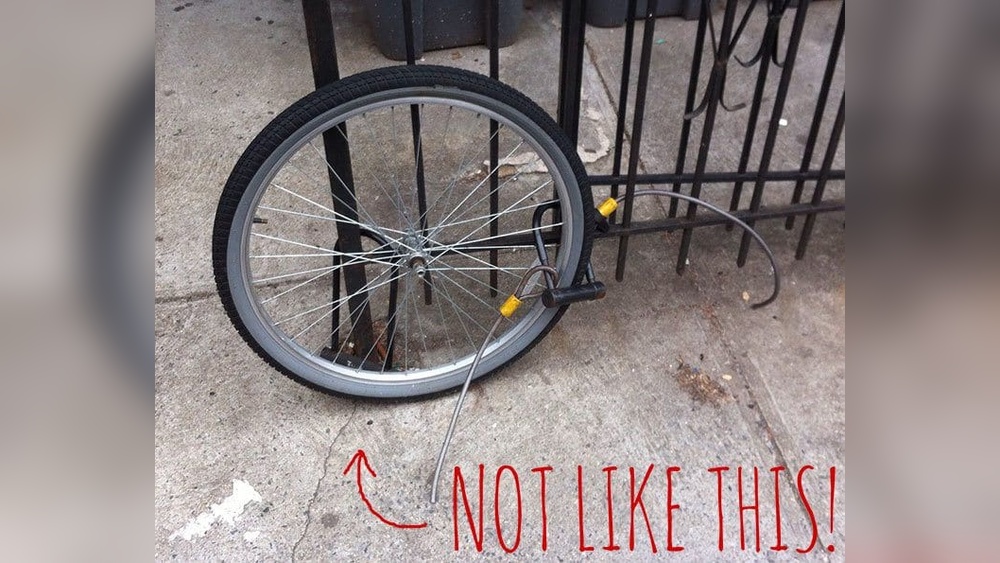
You’ve got a great bike, and you want to keep it safe every time you leave it unattended. But do you know the best way to lock your bike on a bike rack?
A simple mistake can leave your bike vulnerable to theft. You’ll discover easy and effective steps to lock your bike securely. By the end, you’ll feel confident that your bike is protected, giving you peace of mind wherever you go.
Keep reading to learn the secrets that every bike owner should know.

Credit: www.youtube.com
Choosing The Right Bike Rack
Choosing the right bike rack is key to keeping your bike safe. Not all racks offer the same level of security. Picking a good rack helps prevent theft and damage. Understanding different racks helps you make a smart choice. Let’s explore the types of racks and what to avoid.
Types Of Bike Racks
Bike racks come in many shapes and sizes. Some racks hold the bike upright by the frame. Others secure only the wheel. Frame-locking racks are better for security. Look for racks made of strong metal. Avoid racks that let the bike move freely. The best racks allow you to lock both frame and wheel.
Finding A Secure Location
Place the bike rack in a busy, well-lit area. Avoid hidden or dark spots where thieves can hide. Choose locations near cameras or security guards. A visible rack discourages theft. Check if the rack is firmly fixed to the ground. Loose or movable racks are less safe. A good location adds extra protection.
Avoiding Common Rack Pitfalls
Avoid racks that damage your bike’s paint or parts. Thin or weak racks may bend or break easily. Some racks do not allow locking the frame properly. Do not use racks that only hold the front wheel. Those racks leave the rest of the bike open to theft. Test the rack before locking your bike. Make sure it fits your bike’s style and size.

Credit: www.youtube.com
Selecting The Best Lock
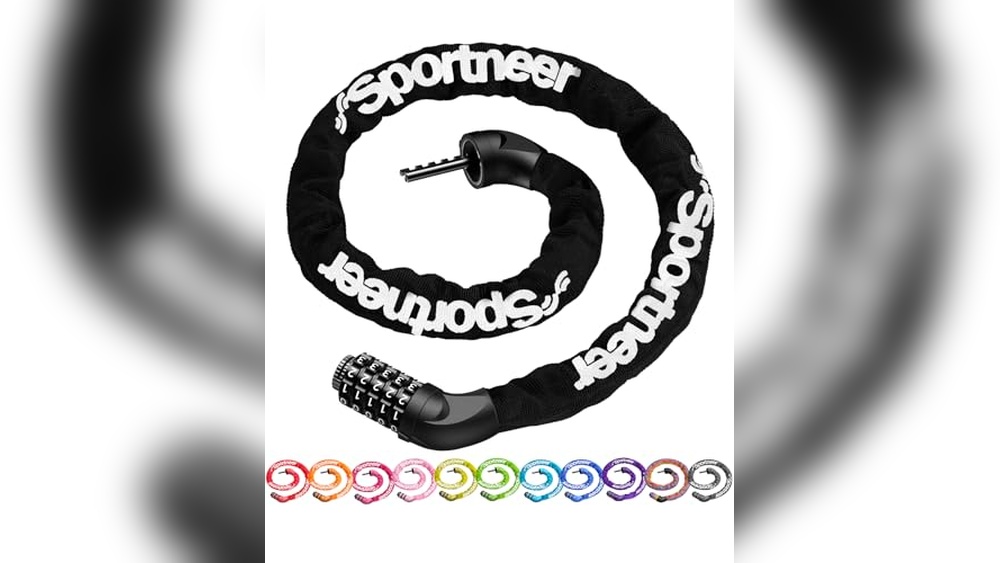
Choosing the right lock is the first step to keep your bike safe. The lock you pick matters a lot. It should be strong and hard to break. Picking a poor lock can make your bike an easy target. Here is what you need to know about different locks and how to choose the best one.
U-locks Vs Cable Locks
U-locks are made of solid metal. They are very hard to cut or break. This makes them a good choice for high-risk areas. Cable locks are lighter and flexible. They can wrap around more parts of your bike. But they are easier to cut than U-locks. Use U-locks for better security.
Lock Quality And Ratings
Check the lock’s quality before buying. Look for locks tested by trusted groups. These groups give ratings based on strength. A higher rating means a stronger lock. Good locks have thick metal and strong locking parts. Avoid cheap locks with thin cables or weak clasps.
Combining Multiple Locks
Using two locks is smarter than one. It makes stealing your bike harder. Use a U-lock with a cable lock. Lock the frame with the U-lock. Use the cable lock for wheels or seat. Thieves need more tools and time to break both. This lowers the chance of theft.
Proper Locking Techniques
Proper locking techniques keep your bike safe. A good lock stops thieves from stealing your bike. Knowing how to lock your bike well is important. Use the right steps to protect your bike on a rack.
Securing The Frame And Wheels
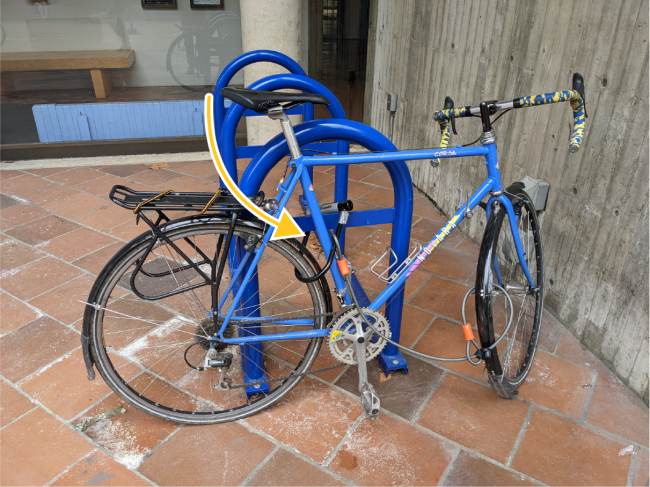
Always lock the bike frame to the rack. The frame is the strongest part of your bike. Also, lock at least one wheel to the rack. This prevents thieves from taking parts separately. Use a U-lock or a strong chain for this. Make sure the lock goes through the frame and the wheel.
Lock Placement Tips
Place the lock as high and tight as possible. This stops thieves from using tools easily. Avoid locking near the ground or with space around the lock. A tight lock is harder to cut or pry open. Position the lock so it is hard to reach.
Minimizing Vulnerable Points
Check for weak spots on your bike to protect. Quick-release wheels and seat posts can be stolen. Use extra locks or cables to secure these parts. Remove small items like lights or bags when you leave your bike. Covering these points lowers the risk of theft.
Additional Security Measures
Securing your bike on a rack is important, but extra steps add more protection. These extra security measures help stop theft and give peace of mind. Small actions can make a big difference in keeping your bike safe.
Using Wheel Skewers And Seat Locks
Quick-release wheels and seats are easy targets for thieves. Replace quick-release skewers with locking skewers. These require a special tool to remove. Use a seat lock or cable to secure the seat post. This prevents thieves from taking parts of your bike.
Registering Your Bike
Register your bike with local or national databases. This helps police track stolen bikes. Registration links your bike to your name and contact. It makes recovery easier if your bike is lost or stolen. Keep a record of your bike’s serial number and photos.
Installing Gps Trackers
GPS trackers offer real-time bike location. They are small and easy to hide on your bike. If stolen, you can find your bike quickly. Choose a tracker with a long battery life. Some trackers send alerts if your bike moves without permission.
Common Mistakes To Avoid
Locking your bike on a bike rack seems simple. Yet, many people make mistakes that risk bike theft. Avoid these common errors to keep your bike safe. Small changes can save your bike from being stolen.
Locking To Weak Objects
Always check what you lock your bike to. Thin poles or wooden fences break easily. Thieves can lift or cut through weak objects fast. Choose solid metal racks or sturdy posts instead. Secure your bike to something strong and fixed.
Leaving Valuables Visible
Do not leave bags, lights, or phones on your bike. Visible valuables attract thieves quickly. Remove all items or keep them out of sight. Even small things can tempt a thief to steal your bike.
Ignoring Surroundings
Look around before locking your bike. Avoid dark or empty areas where no one watches. Busy and well-lit places are safer. Pay attention to camera coverage and foot traffic. Thieves avoid spots where they can be seen.
Credit: www.scala-santa.com
Maintaining Your Lock And Bike
Keeping your bike and lock in good shape helps protect your ride. A well-maintained lock works smoothly and stops thieves. Your bike stays safe and lasts longer with regular care. Small steps make a big difference in security and bike health.
Lock Care Tips
Clean your lock regularly. Dirt and rust can stop it from working. Use a dry cloth and mild soap for cleaning. Lubricate the lock with graphite or silicone spray. Avoid oil-based lubricants that attract dust. Check the key and lock parts for wear. Replace the lock if it feels stiff or broken.
Regular Bike Inspections
Look over your bike often. Check the tires for air and damage. Test the brakes to ensure they stop well. Tighten any loose bolts or screws. Clean the chain and apply bike oil. Keep your bike dry to avoid rust. Fix small problems before they get worse.
Updating Security Practices
Change how you lock your bike sometimes. Use different parts of the bike rack. Try more than one lock type for better safety. Avoid leaving your bike in the same spot daily. Stay aware of new bike theft methods. Update your lock if it is old or weak.
Frequently Asked Questions
How Do I Properly Lock My Bike On A Rack?
Use a sturdy U-lock or chain lock to secure the frame and one wheel to the rack. Avoid locking only the wheels or seat. Choose a solid bike rack that is anchored to the ground for maximum security. Double-check the lock tightness before leaving.
What Type Of Lock Is Best For Bike Racks?
U-locks and heavy-duty chain locks offer the best protection. They resist cutting and leverage attacks better than cable locks. Choose a lock that is thick and made from hardened steel. A good lock deters thieves and keeps your bike secure on any rack.
Where Should I Lock My Bike On The Rack?
Lock the bike frame and at least one wheel to the rack. Position the lock through the main triangle of the bike frame and the rack. Avoid locking only removable parts like wheels or seats. Proper positioning reduces theft risks significantly.
Can I Use Two Locks For Better Bike Security?
Yes, using two locks is recommended for higher security. Lock the frame with a U-lock and secure the wheels with a cable lock. This method protects both the frame and wheels from theft. It adds an extra layer of safety on busy racks.
Conclusion
Securing your bike on a rack keeps it safe and gives you peace. Choose a strong lock and fasten both frame and wheels. Always lock your bike tightly to prevent theft. Find a sturdy rack in a busy, well-lit spot.
Taking these simple steps helps protect your bike daily. Stay alert and make locking your bike a habit. Your bike’s safety depends on smart, consistent locking. Safe rides start with smart locks.