You’ve invested in a bike rack to carry your bikes safely, but what about protecting that rack from theft? Knowing how to lock your bike rack to your vehicle is key to keeping your gear secure wherever you go.
In this guide, you’ll discover simple and effective ways to secure your bike rack quickly, so you can focus on the ride ahead without worrying about losing your equipment. Ready to learn the best locking techniques that save you time and stress?
Let’s dive in.

Credit: www.amazon.com
Choosing The Right Lock
Choosing the right lock for your bike rack is very important. A good lock protects your bikes and gives you peace of mind. Not all locks are the same. Some are stronger and safer than others. Picking the right one depends on your needs and how you use your bike rack.
Types Of Locks For Bike Racks
Cable locks are flexible and easy to use. They are good for short stops but not very strong. U-locks are rigid and harder to cut. They provide better security for longer trips. Chain locks are heavy but very strong. They work well if you want maximum protection. Some locks come with keys, others with combinations. Choose what feels easiest for you.
Factors To Consider When Selecting A Lock
Think about how long you leave your bike rack unattended. Stronger locks suit longer times. Check the lock’s material. Hardened steel resists cutting and sawing. Size matters too. The lock should fit your bike rack and frame well. Weight is important if you carry the lock often. Also, consider the price, but do not choose cheap locks that break easily.
Preparing Your Bike Rack
Preparing your bike rack is the first step to securing it properly. A well-prepared rack attaches firmly and keeps your bikes safe. Taking time now saves trouble later.
Inspecting The Rack And Vehicle Attachment Points
Check your bike rack for any damage or wear. Look for cracks, bends, or loose parts. Inspect the points where the rack connects to your vehicle. These areas must be strong and stable. Tighten any loose bolts or screws. Replace damaged parts before locking the rack.
Cleaning And Maintaining Locking Areas
Clean the areas where you will place locks. Dirt and rust can make locks hard to use. Use a cloth and mild cleaner to wipe these spots. Dry the metal parts completely. Apply a little lubricant to hinges and locks. This keeps them working smoothly and prevents rust.
Locking Techniques
Locking your bike rack properly protects your bikes and vehicle. Using the right techniques helps stop theft and damage. Focus on securing the rack and bikes tightly. Use strong locks and smart methods for better safety.
Securing The Rack Frame To The Vehicle
Attach the rack frame firmly to your vehicle’s hitch or roof bars. Use a heavy-duty lock to secure the connection point. Tighten all bolts and clamps before locking. Check the lock fits snugly without wiggle room. A locked frame reduces the chance of theft or accidental detachment.
Locking The Bikes To The Rack
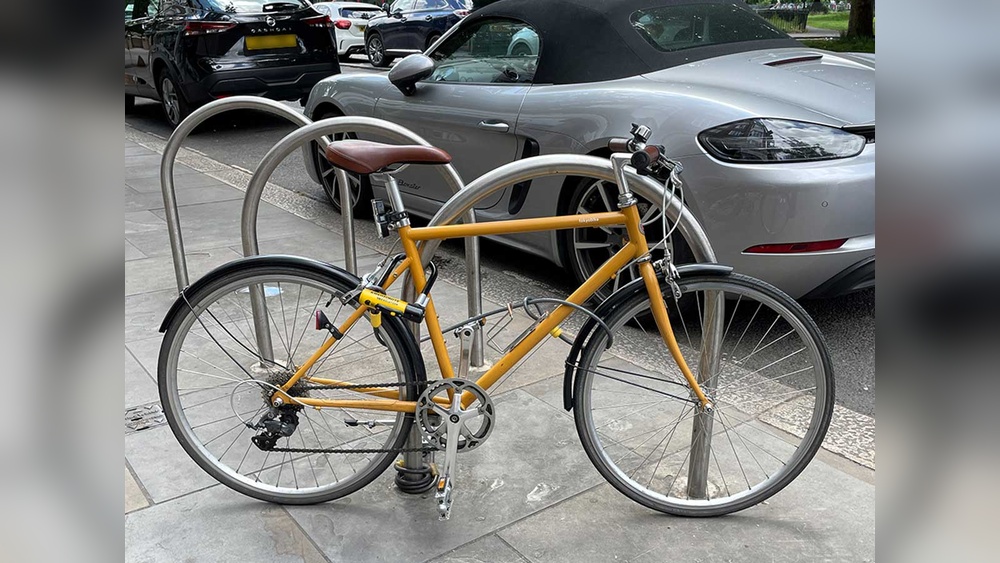
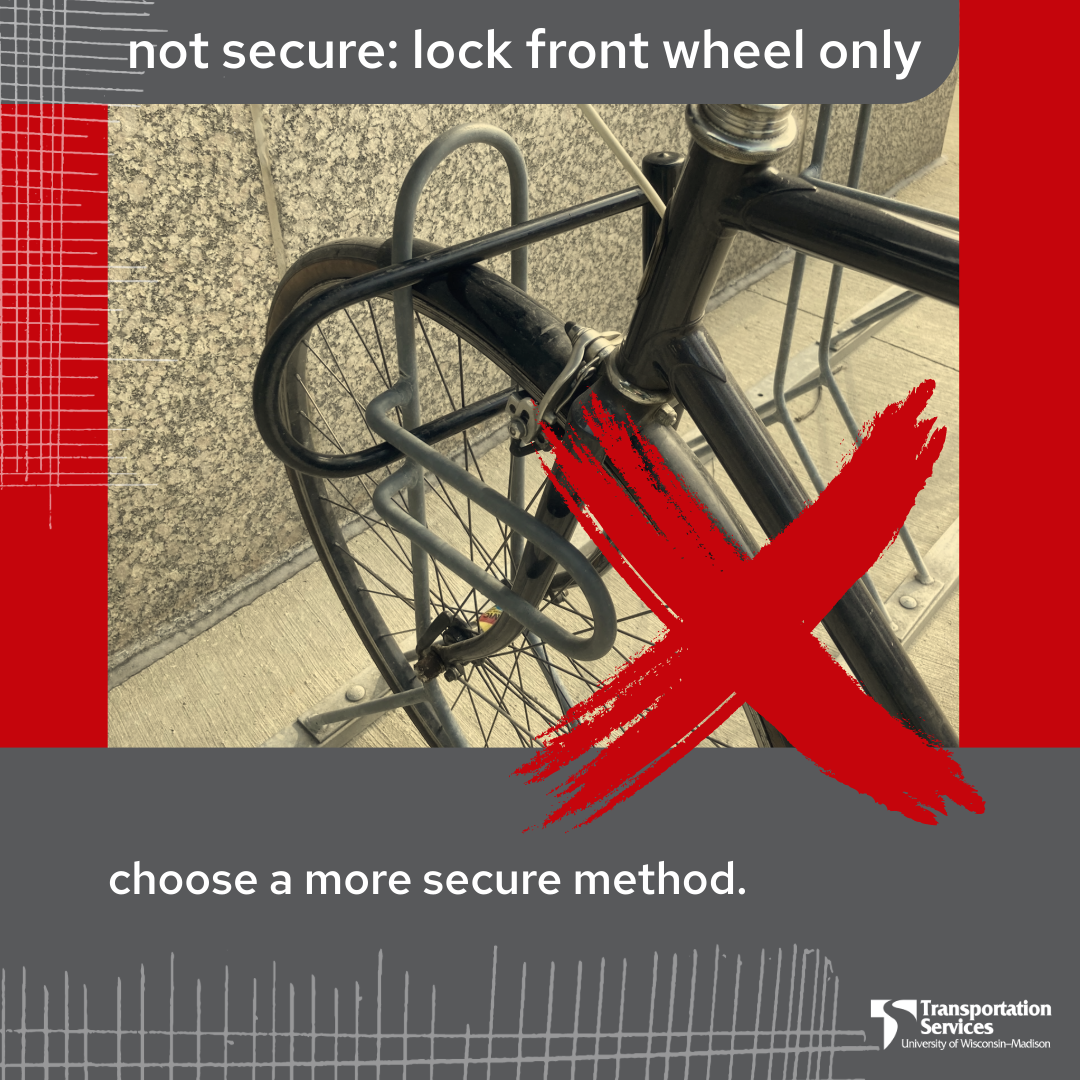
Use a sturdy cable or U-lock to secure bikes. Loop the lock through the bike frame and rack. Avoid locking only the wheels or loose parts. Lock each bike individually for more security. Make sure the lock is tight and hard to cut.
Using Multiple Locks For Added Security
Use more than one lock to protect your bikes and rack. Combine U-locks and cable locks to cover different parts. Lock the rack frame and each bike separately. Multiple locks slow down thieves and act as a strong deterrent. Carry extra locks for busy or high-risk areas.

Credit: www.youtube.com
Enhancing Security Measures
Securing your bike rack to your vehicle is important for peace of mind. Thieves often target bike racks because they can be easy to remove. Enhancing security measures helps protect your bikes and your investment. Small steps can make a big difference in preventing theft.
Focus on strong locks, cables, and smart parking habits. These methods work together to keep your bike rack safe. Let’s explore some effective ways to enhance security.
Adding Security Cables
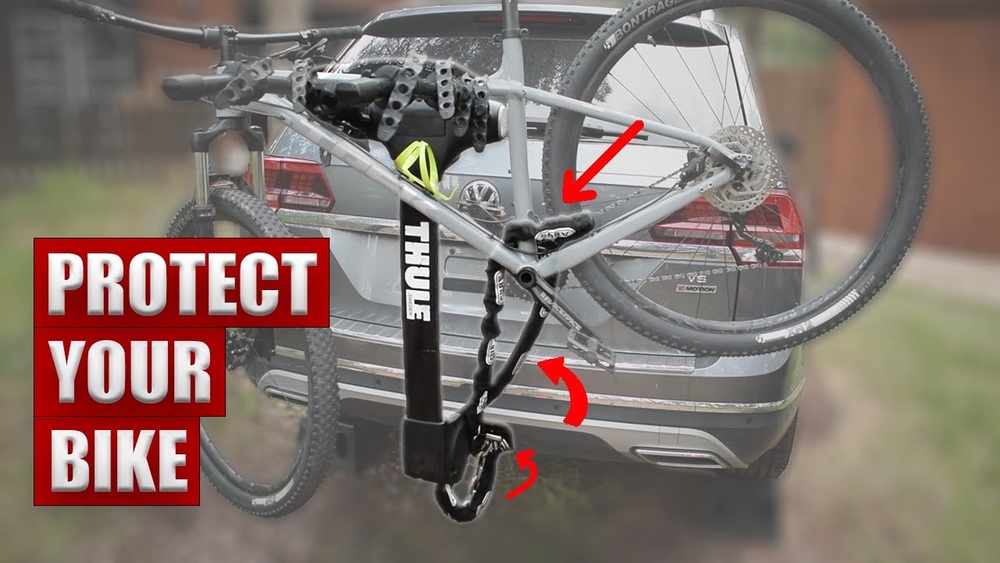
Security cables add an extra layer of protection. Use a thick, braided steel cable to secure your bike rack. Loop the cable through the rack and around a fixed part of your vehicle. This makes it hard for thieves to remove the rack quickly. Choose cables with a durable coating to avoid scratches on your car.
Using Tamper-proof Locks
Tamper-proof locks are built to resist picking and cutting. Use high-quality locks designed for bike racks. Look for locks with hardened steel shackles and protective covers. These locks slow down thieves and make your rack less attractive to steal. Always lock both the rack and the bikes securely.
Parking Strategies To Deter Theft
Where you park affects the safety of your bike rack. Park in well-lit areas with high foot traffic. Choose spots near security cameras or busy streets. Avoid isolated or dark areas that make theft easier. Parking close to walls or poles helps limit access to the rack. Smart parking reduces the risk of theft.
Regular Maintenance And Checks
Regular maintenance and checks keep your bike rack lock safe and working well. Small problems can turn into big issues if ignored. Checking your lock often helps catch wear and damage early. Proper care makes your lock last longer and stay strong. A well-maintained lock protects your bike and gives peace of mind.
Inspecting Locks For Wear And Damage
Look closely at your lock for scratches, cracks, or rust. These signs mean the lock is weaker. Check the keyhole for dirt or bending. Test the lock’s function by turning the key slowly. Stop using the lock if it sticks or jams. Replace damaged parts to avoid theft risks.
Lubricating Lock Mechanisms
Use a light lubricant to keep the lock moving smoothly. Spray inside the keyhole and on moving parts. Avoid heavy oils that attract dust and dirt. Lubrication prevents rust and freezing in cold weather. Regular lubrication saves you from jammed locks and broken keys.
Reinforcing Security Over Time
Check if your lock still fits tightly on the rack and vehicle. Tighten loose bolts or screws around the locking area. Consider adding a secondary lock for extra safety. Replace old locks with newer, stronger models after some years. Keeping your lock secure over time stops thieves from finding easy targets.
Credit: transportation.wisc.edu
Frequently Asked Questions
How Do I Secure A Bike Rack To My Vehicle?
Use strong locks like cable or U-locks through the rack and vehicle frame. Always lock both the rack and bikes to prevent theft.
What Tools Are Needed To Lock A Bike Rack?
You need a sturdy lock, such as a cable lock or U-lock. Some racks come with built-in locking mechanisms for added security.
Can I Lock A Bike Rack Without A Lock?
It’s not recommended. Using a lock ensures your rack and bikes stay safe from thieves and accidental removal.
Are There Specific Locks For Different Bike Racks?
Yes, some racks need specialized locks. Check your rack’s design and use compatible locks for best security.
Conclusion
Securing your bike rack to your vehicle keeps your gear safe. Use strong locks and check them often. Tighten all bolts and straps for extra hold. Always park in visible, well-lit areas when possible. These small steps protect your bike rack from theft.
Stay cautious and prepared on every trip. Your bike and rack deserve this care. Keep riding with peace of mind.