Have you ever left your bike parked for just a few minutes, only to come back and find your saddle missing? It’s a frustrating experience that can happen to anyone.
But what if you could easily prevent this with a simple step? Learning how to lock your bike saddle properly not only protects your ride but also saves you time and money. You’ll discover easy and effective ways to secure your saddle, so you can ride with peace of mind every time.
Keep reading to find out how a small action can make a big difference for your bike’s safety.

Credit: biketoeverything.com
Choosing The Right Saddle Lock
Choosing the right saddle lock is key to protecting your bike. A good lock keeps your saddle safe and gives peace of mind. Not all locks are the same. Knowing the types, materials, and locking mechanisms helps you pick the best one. This guide breaks down what to look for in a saddle lock.
Types Of Saddle Locks
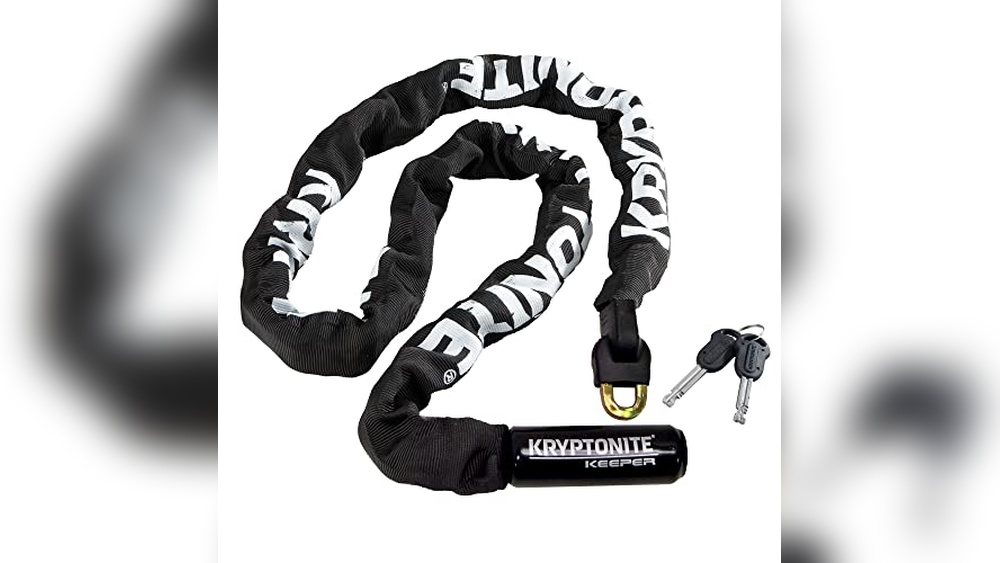
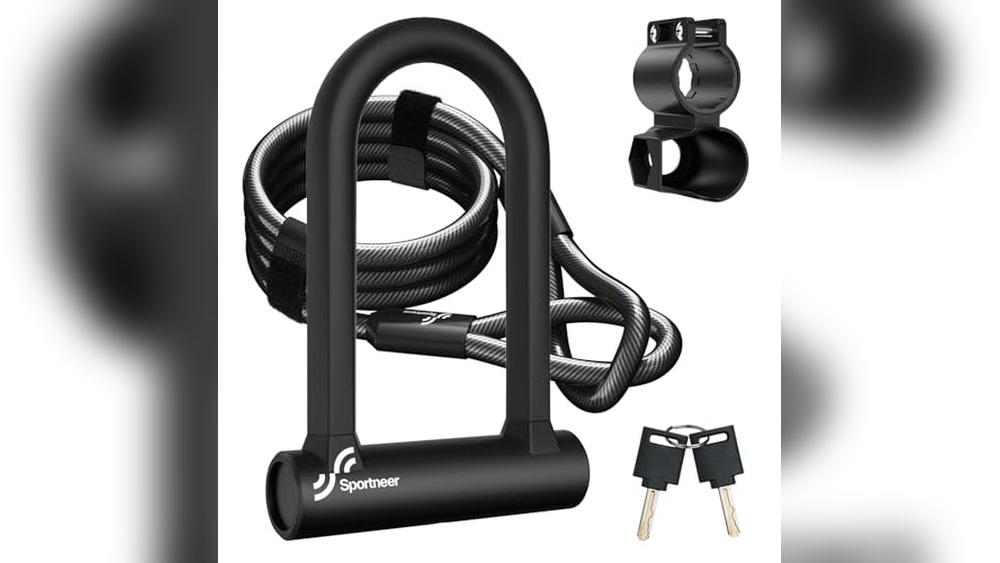
Saddle locks come in different styles. Cable locks are flexible and easy to carry. They wrap around the saddle and bike frame. U-locks offer strong protection with a rigid shape. They fit around the saddle post and frame parts. Chain locks are heavy but very secure. They can be wrapped through the saddle and frame. Choose a type based on how often you park your bike and where.
Material And Durability
Strong materials make a lock harder to break. Steel is common and very tough. Some locks use hardened steel to stop cutting tools. Avoid cheap metals that bend or snap easily. Look for locks with good weather resistance. Rust can weaken a lock over time. A durable lock lasts longer and protects better.
Locking Mechanisms
Locking mechanisms vary in style and security. Key locks are simple and popular. Keep your key safe and do not lose it. Combination locks use numbers or letters. They avoid carrying keys but can be guessed. Some locks have advanced mechanisms for extra security. Test the lock before buying to make sure it works smoothly. A reliable mechanism keeps thieves away.

Credit: bikmo.com
Preparing Your Bike For Locking
Preparing your bike for locking is an important step to keep your saddle safe. It makes locking easier and more secure. Taking time to prepare helps avoid damage and theft. Follow these simple steps to get your bike ready.
Positioning The Saddle
First, adjust your saddle to the right height. Make sure it is tight and does not move. A stable saddle is harder to steal. Position it so the lock can fit around the seat post easily. Check that the saddle is straight and secure before locking.
Cleaning The Seat Post Area
Clean the seat post and the area around it. Dirt and grease can stop the lock from closing properly. Use a cloth to wipe off dust and grime. Make sure the seat post is dry before locking. A clean area helps the lock hold tight and last longer.
Step-by-step Locking Techniques
Locking your bike saddle properly keeps it safe from theft. Follow simple steps to secure your saddle using different lock types. Each method offers unique protection and suits different needs. Learn clear, easy ways to lock your saddle below.
Using A Cable Lock
Wrap the cable lock around the bike frame and saddle rails. Make sure the cable passes through the saddle clamp. Pull the cable tight to remove slack. Secure the lock by closing it properly. Check the lock for firmness before leaving your bike.
Using A U-lock
Place the U-lock through the saddle rails and frame. Position it close to the bike frame for less space. Lock the U-lock tightly to prevent movement. Double-check the lock is secure and closed. Avoid locking only the saddle to reduce risk.
Using A Specialized Saddle Lock
Use the lock designed specifically for bike saddles. Attach the lock to the saddle rails and seat post. Engage the locking mechanism firmly. Test the lock by trying to move the saddle. Keep the key or combination safe to unlock later.
Additional Security Tips
Securing your bike saddle is important. But protecting other parts of your bike matters too. These extra tips help keep your bike safe and sound. Simple steps can stop thieves from taking more than just your saddle.
Securing Other Bike Components
Lock quick-release wheels with a cable lock. Use special locks for your seat post. Remove small parts like lights or GPS when parked. Keep pedals safe by using locking pedals or bolts. These actions make your bike less tempting to steal.
Choosing Safe Parking Spots
Park in well-lit areas with many people around. Choose spots with strong, fixed bike racks. Avoid isolated or dark places. Look for areas with security cameras. A busy place lowers the chance of theft.
Using Multiple Locks
Use more than one lock for better protection. Combine a U-lock with a cable lock for wheels and frame. Different locks slow down thieves and make stealing harder. Multiple locks raise the effort needed to break your bike.
Maintaining Your Saddle Lock
Maintaining your bike saddle lock is key for its long life and strong security. A well-kept lock works smoothly and keeps your saddle safe. Small care steps stop problems before they start.
Regular Inspection
Check your saddle lock often for any signs of wear or damage. Look for cracks, loose parts, or anything unusual. Test the lock to make sure it opens and closes easily. Early checks help you fix issues fast and avoid bigger problems.
Preventing Rust And Damage
Keep your saddle lock dry to stop rust from forming. Wipe it clean after rain or wet rides. Use a little lubricant on the lock’s moving parts to keep them smooth. Avoid harsh chemicals that can damage the lock’s surface.
Proper Storage
Store your bike in a dry, safe place to protect the saddle lock. Avoid leaving the bike outside for long times, especially in bad weather. Cover the bike or lock if you cannot move it indoors. Good storage adds years to your lock’s life.
Troubleshooting Common Issues
Locking your bike saddle should be easy and quick. Sometimes, small problems stop it from working well. Knowing common issues helps you fix them fast. This saves time and stress. It keeps your bike safe and ready to ride.
Lock Jamming
Locks can jam due to dirt or rust inside. Dust builds up and blocks the mechanism. Try spraying a small amount of lubricant. Use a dry cloth to clean the keyhole. Avoid forcing the key to prevent damage. Regular cleaning keeps the lock smooth and working.
Key And Combination Problems
Keys may bend or wear out after many uses. Check the key for any damage. Combination locks sometimes get stuck on numbers. Turn the dial slowly and carefully. Reset the combination only when you remember it. Write down your code in a safe place.
Replacing Lost Keys
Losing your bike lock key is common. Contact the lock maker with your lock’s model number. Some companies send a replacement key for free or a small fee. Keep a spare key in a safe place. If no spare, a locksmith can help open and replace the lock.

Credit: bikmo.com
Frequently Asked Questions
How Do I Secure A Bike Saddle Effectively?
To secure a bike saddle, use a saddle lock or quick-release clamp. Tighten all bolts firmly. Consider adding a cable lock through the saddle rails for extra security.
What Tools Are Needed To Lock A Bike Saddle?
You typically need an Allen wrench or a multi-tool to tighten saddle bolts. For advanced locking, use a cable lock or a dedicated saddle lock device.
Can I Use A Regular Bike Lock For My Saddle?
Regular bike locks protect the frame but not always the saddle. Use a cable lock or a saddle-specific lock to secure the seat properly.
How To Prevent Saddle Theft When Parking Outdoors?
Use a saddle lock or cable lock threaded through saddle rails. Always park in well-lit, busy areas. Consider removing the saddle and taking it with you.
Conclusion
Securing your bike saddle protects it from theft and damage. Choose a reliable lock and use it every time you park. Small steps like tightening bolts also help keep your saddle safe. Regular checks ensure the lock and saddle stay in good shape.
Protecting your bike saddle gives peace of mind on every ride. Keep it simple, stay consistent, and enjoy worry-free cycling.