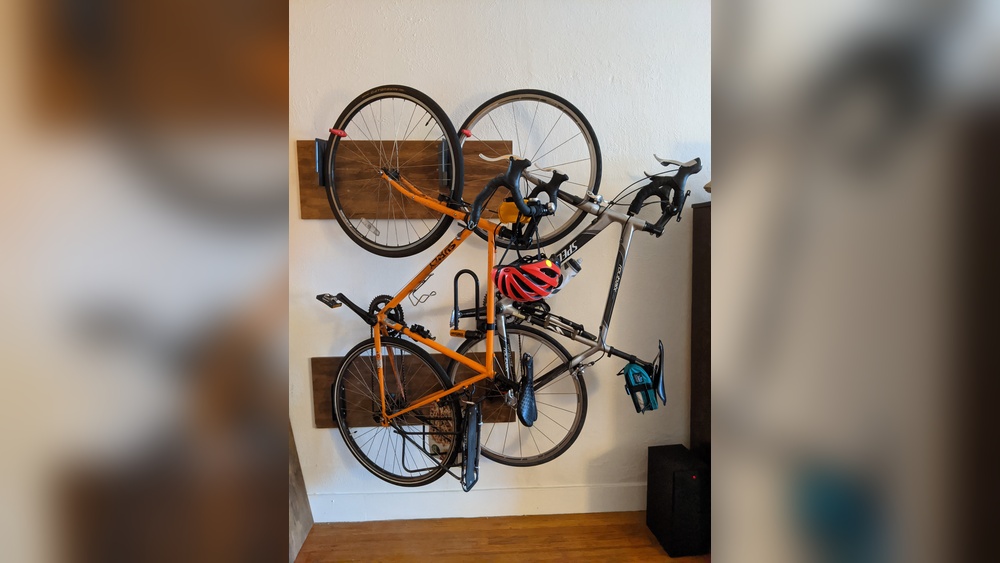
Are you tired of worrying about your bike getting stolen or damaged in your garage? Knowing how to lock your bike to your garage wall can give you peace of mind and keep your bike safe and secure.
In this guide, you’ll discover simple, effective steps to protect your ride without taking up extra space. Whether you have a small garage or lots of gear, locking your bike properly can save you time and stress. Keep reading to find out how to make your garage a fortress for your bike!

Credit: thebestbikelock.com
Choosing The Right Lock
Choosing the right lock for your bike is very important. It protects your bike from theft and keeps it safe. A good lock also fits well with your garage wall setup. This guide helps you find the best lock for your needs. Consider the type, strength, and weather resistance before buying.
Types Of Bike Locks
There are several types of bike locks. U-locks are strong and hard to cut. Chain locks offer flexibility and good security. Cable locks are light but less secure. Folding locks are compact and easy to carry. Choose a type based on how and where you lock your bike.
Lock Strength And Durability
Strong locks resist cutting and picking. Look for locks made from hardened steel. Thick shackles add extra protection. Durable locks last longer and handle daily use. Avoid thin or cheap materials that break easily. A sturdy lock is a smart investment for your bike’s safety.
Weather Resistance Features
Locks exposed to weather must resist rust and corrosion. Check for locks with protective coatings. Waterproof locks prevent internal damage from rain. Locks with sealed keyholes stop dirt and moisture entry. Weather resistance extends the lock’s life and keeps it working well.
Credit: www.velocirax.com
Selecting The Best Wall Location
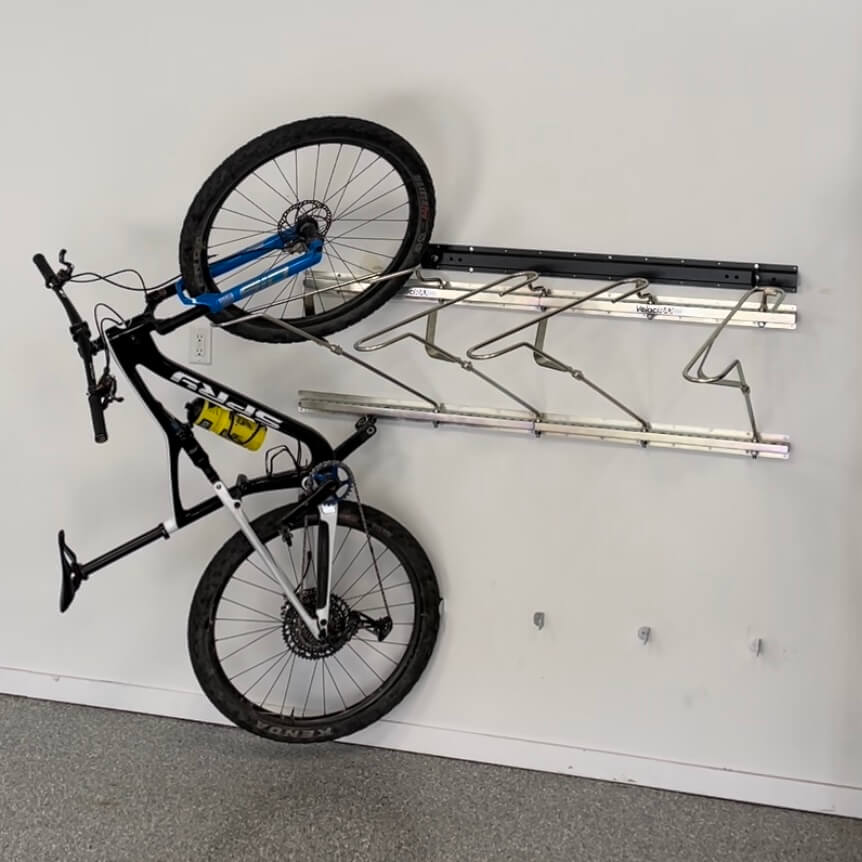
Selecting the best wall location is key to locking your bike safely in the garage. The right spot keeps your bike secure and easy to access. It also protects your bike from damage. Consider several important factors before deciding where to attach your lock.
Accessibility And Visibility
Choose a wall area that you can reach easily. Avoid spots blocked by boxes or tools. Your bike should be visible to anyone entering the garage. A well-lit place helps you see the lock and bike clearly. This also discourages theft since thieves prefer hidden areas.
Structural Strength Of The Wall
Pick a strong wall to hold the lock. Solid brick or concrete walls work best. Drywall or thin panels might not support a heavy lock or bike. Check for studs behind the wall surface. Anchoring into studs gives the best hold and stops the lock from pulling loose.
Avoiding Moisture And Damage
Steer clear of damp or wet walls. Moisture can rust your lock and bike parts. Place the lock away from water pipes or drainage areas. Also, avoid walls near heating units or chemicals that can damage your bike. A dry, clean wall keeps your bike safe and lasting longer.
Proper Locking Techniques
Proper locking techniques protect your bike from theft inside a garage. The right method makes it hard for thieves to steal any part. Focus on locking the frame and wheels securely. Use strong locks and position them to stop tampering.
Securing The Frame And Wheels
Always lock the bike frame to a sturdy wall anchor. The frame is the strongest part and holds the bike together. Secure at least one wheel, preferably the rear wheel, as it is harder to remove. Use a lock that goes through both the frame and wheel. This keeps the bike stable and tough to steal.
Using Multiple Locks
Use more than one lock for better protection. A heavy-duty U-lock can secure the frame. Use a cable lock or chain to secure the other wheel. Multiple locks slow down thieves and make theft harder. Different locks also protect different parts of the bike.
Positioning The Lock To Prevent Tampering
Place the lock tight against the wall or anchor. This leaves little room for tools or leverage. Avoid locking the bike on the ground or with slack in the lock. Keep the keyhole facing down or sideways to stop picking. Proper lock position makes it difficult to cut or break.
Installing Wall Anchors
Installing wall anchors is a key step to lock your bike securely to a garage wall. These anchors hold the lock or chain firmly. Without strong anchors, your bike stays at risk. This guide covers types of wall anchors, how to install them, and tips for best security.
Types Of Wall Anchors
Choose the right wall anchor based on your garage wall material. Concrete walls need heavy-duty anchors like wedge or sleeve anchors. Drywall requires plastic or metal anchors but is less secure. Masonry walls work well with expansion anchors. Steel walls need special anchors made for metal surfaces. Pick anchors that fit your wall and hold strong under pressure.
Installation Steps
Start by marking the spot on the wall where you want the anchor. Drill a hole matching the anchor size. Clean dust from the hole for better grip. Insert the anchor into the hole firmly. Use a wrench or screwdriver to tighten the anchor. Make sure it is flush with the wall. Test the anchor by pulling on it gently. Repeat for more anchors if needed.
Ensuring Maximum Security
Use anchors rated for heavy loads to resist pulling. Place anchors at strong points in the wall. Avoid weak spots like drywall or thin panels. Use multiple anchors to spread the load. Attach your lock or chain tightly to the anchors. Check anchors regularly for looseness or damage. Replace worn anchors to keep your bike safe.
Additional Security Tips
Adding extra security to your bike helps keep it safe for longer. Simple steps can stop thieves and give you peace of mind. These tips work well with locking your bike to the garage wall.
Using Security Cameras
Security cameras watch your bike all the time. They scare off thieves who do not want to be seen. Cameras also catch clear video if a theft happens. Choose cameras with good night vision and wide angles. Place them where they cover your bike and garage door.
Motion Sensor Lighting
Motion sensor lights turn on when they detect movement. Bright lights surprise thieves and make them run away. Set lights near your bike and garage entrance. They save energy by only turning on when needed. This simple tool adds strong protection at night.
Bike Registration And Marking
Register your bike with local police or online services. It helps track your bike if it is stolen. Mark your bike with a unique ID or name. Use special stickers or engrave the frame. This makes your bike less attractive to thieves and easier to find.
Maintenance For Long-term Security
Maintaining your bike lock is key for long-term security. Proper care helps keep your bike safe over time. Small efforts now prevent big problems later. Regular checks and simple upkeep extend your lock’s life. Follow these tips to keep your lock strong and reliable.
Regular Lock Inspection
Check your lock often for damage or wear. Look for cracks, rust, or parts that move stiffly. Test the key or combination to ensure smooth operation. Early detection of issues helps avoid lock failure. Fix or replace any faulty parts immediately. A well-inspected lock protects your bike better.
Protecting Against Rust And Wear
Rust weakens metal and makes locks hard to open. Keep your lock dry and clean after rain or snow. Use a cloth to wipe away dirt and moisture. Apply a small amount of lubricant to moving parts. This prevents rust and keeps the lock working smoothly. Store your lock indoors during long periods of non-use.
Updating Security Measures
Security technology changes over time. Review your lock’s strength regularly. Consider upgrading to newer, stronger locks if needed. Add extra locks for more protection. Use wall anchors or brackets for better bike support. Staying updated keeps your bike safe from new threats.
Credit: sfbike.org
Frequently Asked Questions
How Do I Choose The Best Spot On My Garage Wall?
Select a sturdy, solid section of the wall free from moisture. Ensure it is near an entry point for convenience. The spot should allow your bike to be locked securely without obstructing movement.
What Type Of Lock Works Best For Garage Walls?
Use a heavy-duty U-lock or chain lock with a wall-mounted anchor. These locks resist cutting and provide strong security. Avoid cable locks as they are easier to break.
Can I Install A Bike Lock Anchor Myself?
Yes, installing a wall anchor is simple with basic tools. Use heavy-duty bolts and drill into a solid wall stud or concrete. Follow manufacturer instructions for secure installation.
How High Should I Mount The Bike Lock Anchor?
Mount the anchor about waist height, around 3 to 4 feet from the floor. This height makes locking convenient and keeps the bike stable against the wall.
Conclusion
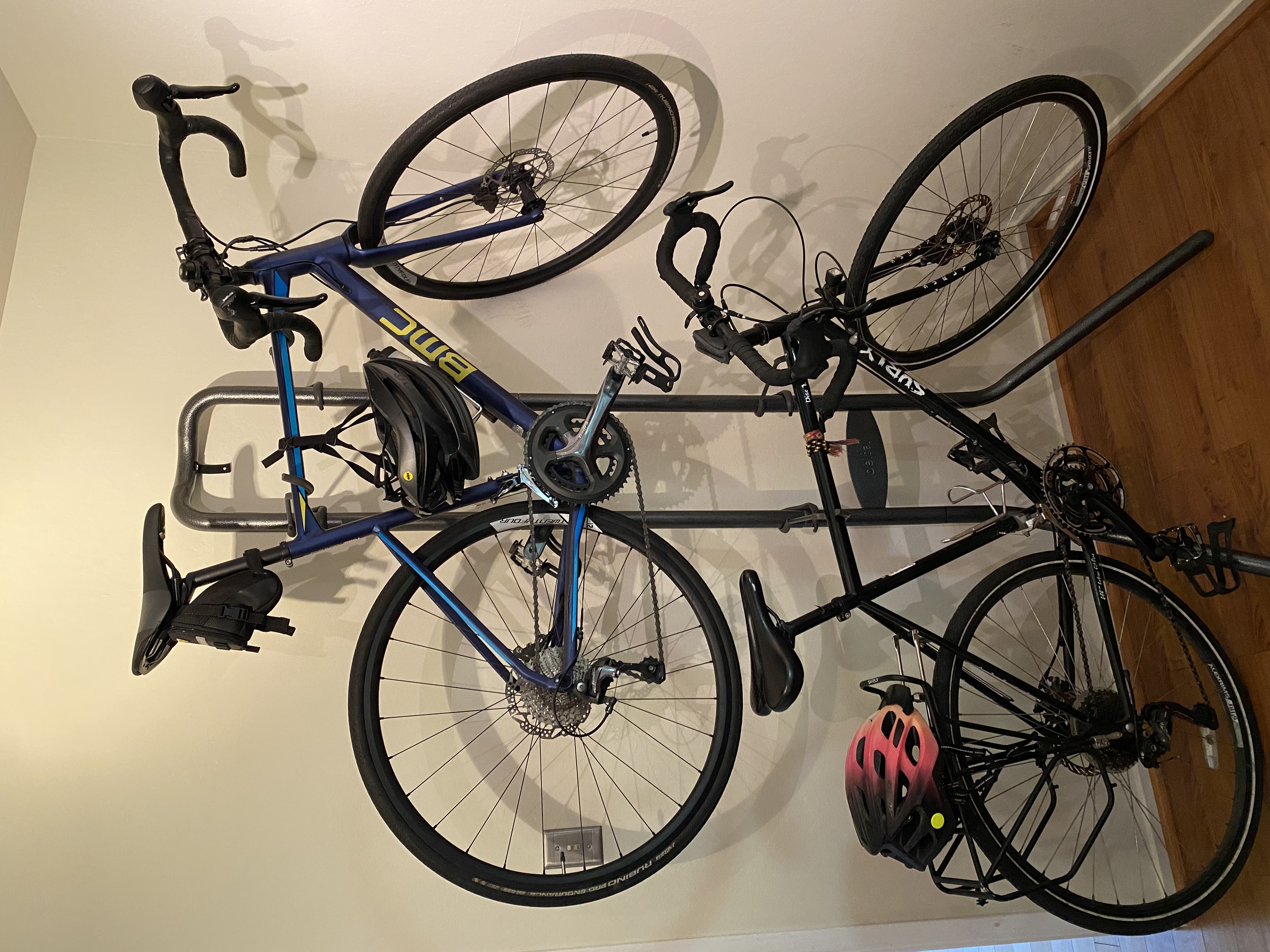
Securing your bike to the garage wall keeps it safe and saves space. Choose a strong lock and a sturdy wall anchor. Place the lock through the frame and wheel for better security. Check your setup regularly to ensure it stays tight and secure.
A simple step that protects your bike from theft. Easy to do, and it helps you feel confident about your bike’s safety. Start today and enjoy peace of mind every time you park your bike.


