You love your bike, and keeping it safe is a top priority. But if your bike has quick release wheels or seat posts, locking it up can feel tricky.
You might wonder, “Is my bike really secure? ” or “What’s the best way to lock it so thieves don’t get away with it? ” This guide will show you simple, effective steps to lock your bike with quick release parts.
By the end, you’ll know exactly how to protect your ride and enjoy peace of mind wherever you go. Keep reading to learn how to lock your bike the right way—quickly and confidently.
Credit: www.bikeroutenaples.com
Choosing The Right Lock
Choosing the right lock is key for protecting your bike. A good lock stops thieves and gives peace of mind. Not all locks suit quick release bikes. Some locks fit better, offer more security, and are easier to use. Knowing the types of locks and their quality helps you pick the best one.
Types Of Bike Locks
U-locks are strong and hard to cut. They work well on quick release bikes. Cable locks are light but less secure. Chain locks are flexible and very tough. Folding locks are compact and easy to carry. Choose a type that fits your needs and riding habits.
Best Locks For Quick Release Bikes
Look for locks that secure both the frame and wheels. U-locks with a long shackle can lock through the frame and wheel. Chain locks with a thick chain also work well. Avoid cable locks alone; they are easy to cut. Some locks come with a wheel lock or extra cable for quick release parts.
Lock Quality And Ratings
Check lock ratings before buying. Ratings show how well the lock resists cutting and picking. Higher ratings mean better security but often higher price. Read reviews to see how locks perform in real use. Strong materials like hardened steel improve lock quality. A good lock lasts longer and protects better.
Securing Quick Release Wheels
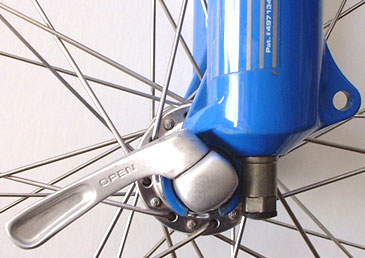
Quick release wheels make it easy to remove bike wheels. But they also can make your bike less safe. Thieves can quickly take off wheels with quick releases. Securing these wheels helps protect your bike. Use strong methods to keep your wheels locked and safe.
Using Skewers With Locks
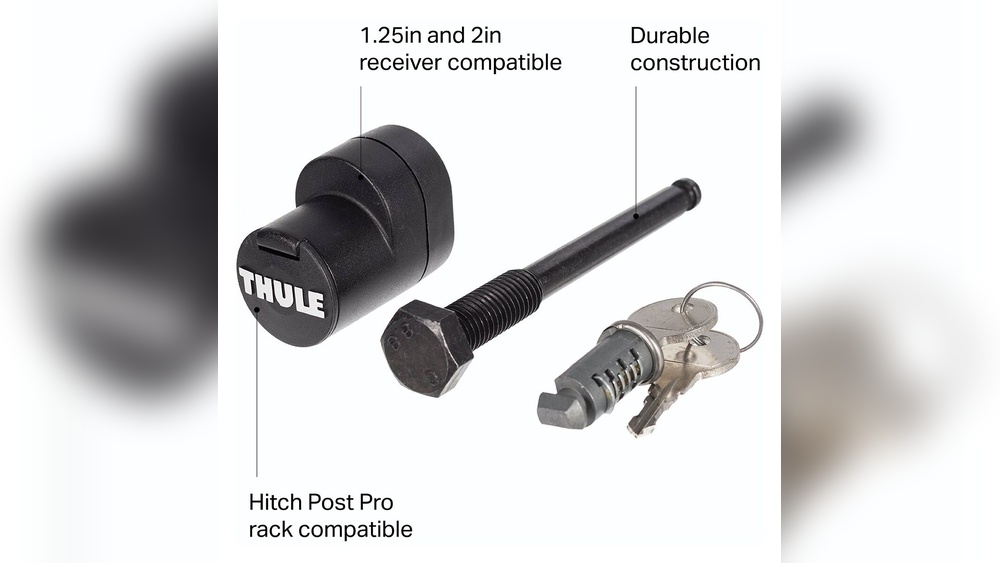
Skewers with built-in locks replace standard quick releases. They need a key or special tool to open. This stops thieves from removing wheels fast. These skewers look like regular quick releases. But they add an extra layer of security. Choose skewers that fit your bike well.
Replacing Quick Release With Security Skewers
Security skewers work like normal ones but resist theft. They use unusual bolts or hex keys. This makes it hard for thieves to find the right tool. You can buy them online or at bike shops. Installing security skewers is simple and quick. Your wheels stay safe without losing convenience.
Alternative Wheel Locking Methods
Other ways can secure quick release wheels too. Use small cables or wheel locks around the frame. Locking wheels to the frame or rack adds protection. Some riders use locking nuts instead of quick releases. These methods increase theft resistance. Combine them with a good bike lock for best safety.
Locking Techniques
Locking your bike with a quick release needs smart techniques. Good locking stops thieves from taking your bike. Focus on how you place the lock and what parts to secure. Avoid simple mistakes that make your lock weak. Use these tips to keep your bike safe.
Proper Lock Placement
Place your lock around a solid, fixed object. Choose a bike rack or sturdy pole. Avoid thin or loose objects that can be cut. Lock close to the ground to reduce leverage for thieves. Keep your lock tight to stop twisting or pulling.
Locking Frame And Wheels Together
Always lock the frame and at least one wheel. The frame is the most valuable part to protect. Use a second lock if you can for the other wheel. Secure the quick release levers inside the lock area. This stops thieves from easily removing parts.
Avoiding Common Locking Mistakes
Never lock only the wheel or the seat post. Avoid leaving space inside the lock where tools fit. Don’t lock your bike on weak or movable objects. Avoid thin or cable locks that cut easily. Check your lock regularly for damage or wear.
Choosing A Secure Location
Choosing the right spot to lock your bike is very important. A secure location lowers the risk of theft. It also keeps your bike safe and easy to find. Picking the best place helps your quick release lock work well.
High-traffic Areas
Park your bike in busy places where many people pass by. Thieves avoid crowded areas because they can get caught. Streets near shops or cafes are good spots. Bright and open places give your bike extra safety.
Using Bike Racks Correctly
Always use bike racks designed for locking bikes. Make sure the rack is firmly fixed to the ground. Lock your bike frame and wheels to the rack. This stops thieves from lifting or moving your bike easily.
Avoiding Isolated Spots
Stay away from dark or hidden places. Thieves like quiet spots with little foot traffic. Isolated locations give them time to steal your bike. Choose places where people can see your bike clearly.
Additional Security Tips
Securing your bike with a quick release lock is a great start. Extra steps boost your bike’s safety. Small actions can stop big losses. These tips help keep your bike safe and sound.
Registering Your Bike
Register your bike with local or national databases. This helps police find your bike if stolen. It also proves you own it. Keep your registration details updated and safe.
Using Gps Trackers
Install a small GPS tracker on your bike. It shows your bike’s exact location. Thieves avoid bikes with trackers. Choose a tracker with long battery life for best results.
Removing Accessories
Take off easy-to-remove parts like lights and seats. Thieves often steal these first. Carry them with you when you leave the bike. This lowers the chance of theft.

Credit: www.acquetech.com
Maintenance For Locks
Proper maintenance of your bike lock is essential for security. A well-kept lock works smoothly and protects your bike better. Regular care prevents rust and damage. It also helps you avoid getting stuck with a broken lock.
Keeping Locks In Good Condition
Clean your lock regularly. Use a soft cloth to wipe dirt and dust. Avoid water inside the lock. Dry it well if it gets wet. Apply a small amount of lubricant to the keyhole. This stops rust and keeps the lock turning easily.
Regular Lock Testing
Test your lock often. Insert and turn the key several times. Check if the quick release moves smoothly. Listen for any strange sounds. If the lock sticks or feels hard to turn, it needs cleaning or lubrication. Early testing prevents bigger problems.
Replacing Worn Out Locks
Replace your lock if it shows signs of wear. Rust, broken parts, or a key that won’t turn are signs. A worn-out lock does not protect your bike well. Choose a strong lock with a good rating. Changing locks on time keeps your bike safe.
Credit: www.reddit.com
Frequently Asked Questions
How Do I Secure A Bike With Quick Release Wheels?
To secure quick release wheels, use a locking skewer instead of the standard one. Pair it with a sturdy U-lock through the frame and front wheel to deter theft effectively.
Can Quick Release Locks Prevent Bike Theft Completely?
Quick release locks reduce theft risk but don’t guarantee full protection. Combining locks and parking in safe, visible areas increases your bike’s security significantly.
What Tools Are Needed To Lock Quick Release Bikes?
You need a locking skewer for quick release wheels and a strong U-lock or chain lock. These tools secure both wheels and the bike frame effectively.
Is It Better To Lock The Frame Or Wheels On Quick Release Bikes?
Always lock the frame and at least one wheel, preferably the front. This method prevents thieves from stealing wheels or the entire bike, enhancing overall security.
Conclusion
Locking your bike with a quick release is simple and effective. Always secure both the frame and the wheels. Use a sturdy lock and choose a safe spot. Double-check the lock before leaving your bike. Taking these steps helps keep your bike safe.
Stay alert and protect your ride every time.