You’ve invested in a quality helmet to keep yourself safe on every ride. But what happens when you need to leave your bike unattended?
Leaving your helmet unsecured can make it an easy target for theft. You want a simple, reliable way to lock your helmet to your bike without hassle. In this guide, you’ll discover practical methods that anyone can use—whether you have a built-in lock, a cable lock, or a specialized helmet lock.
Follow along, and you’ll learn how to protect your helmet quickly and confidently, so you can enjoy every ride without worrying about losing your gear. Keep reading to find the best way to secure your helmet today!

Credit: www.youtube.com
Choosing A Helmet Lock
Choosing the right helmet lock is key to protecting your helmet from theft. It depends on your bike type, how long you leave it, and where you park. A good lock keeps your helmet safe and is easy to use. Below are popular helmet lock types that suit different needs.
Specialized Helmet Locks
Specialized helmet locks are made just for helmets. They attach easily to your bike’s frame or handlebars. These locks usually have a small cable and a key or combination lock. They are light and simple, perfect for quick stops. Their compact design fits snugly with your helmet shape. This lock type offers decent security for short rides.
Cable And Chain Locks
Cable and chain locks provide flexible locking options. You can wrap them around your helmet and bike parts. They come in different lengths and thicknesses. Thicker chains offer better security but weigh more. These locks work well for longer stops or busy areas. Their flexibility helps you lock your helmet in many ways.
Built-in Bike Locks
Built-in bike locks include helmet securing features in the bike itself. Some bikes have mounting points or clips designed for helmet locks. These locks are convenient and reduce the risk of losing a separate lock. They usually lock the helmet directly to the bike frame. This type is ideal if you want a permanent, reliable solution.
Preparing Your Helmet
Preparing your helmet before locking it to your bike is important. It helps secure the helmet properly and prevents damage. Taking a few simple steps makes the locking process easier and safer.
Check your helmet for the best locking points. Most helmets have parts designed to hold a lock. Using these parts correctly keeps your helmet safe.
Using D-rings And Chin Bars
D-rings are metal loops found on many helmets. They are usually near the chin strap. Thread your lock through these rings for a secure hold.
The chin bar is the front part of the helmet. If your helmet has one, it can also hold the lock. Pass the lock through the chin bar and a part of the bike frame.
Using D-rings and the chin bar together adds extra security. It stops the helmet from moving or slipping off.
Ensuring Proper Looping
Loop the lock through strong helmet parts only. Avoid threading it through soft materials or padding. These can tear easily and reduce security.
Make sure the lock is tight but not too tight. A loose lock can slide out. A very tight lock can damage the helmet.
Check the lock’s path once looped. It should hold the helmet firmly to the bike frame. Proper looping keeps your helmet safe from theft and damage.
Securing Helmet To Bike
Securing your helmet to your bike is important for safety and convenience. It prevents theft and keeps your helmet ready for your next ride. Using the right method helps you lock your helmet quickly and securely. Below are some simple ways to attach your helmet to your bike.
Attaching To Frame Or Handlebars
Many riders lock their helmets to the bike frame or handlebars. Use a cable or chain lock through the helmet’s chin strap or ventilation holes. Wrap the lock around a sturdy part of the frame or handlebars. This method keeps the helmet safe and easy to reach.
Using Passenger Foot Pegs
Passenger foot pegs offer a handy place to secure your helmet. Thread a lock through the helmet and around the peg. This spot is out of the way but still very secure. It works well on bikes with removable passenger pegs.
Locking With Built-in Hooks
Some helmets come with built-in hooks or locks. Use these to attach your helmet directly to your bike. Hook the helmet to a frame part or use a small lock for extra security. This method is quick and designed to work with your helmet.

Credit: www.arloren.com
Lock Types And Security
Choosing the right lock for securing your helmet to your bike is crucial. Different lock types offer varied levels of security and convenience. Understanding these options helps you protect your gear effectively. Here are some common lock types and their security features.
Keyed Vs Combination Locks
Keyed locks use a physical key to open and close. They offer reliable security and are simple to use. Losing the key can be a problem, but they are often stronger than combination locks.
Combination locks open with a set of numbers. They do not require a key, which means no worries about losing one. However, they can be easier to tamper with compared to keyed locks.
Durability Of D-locks
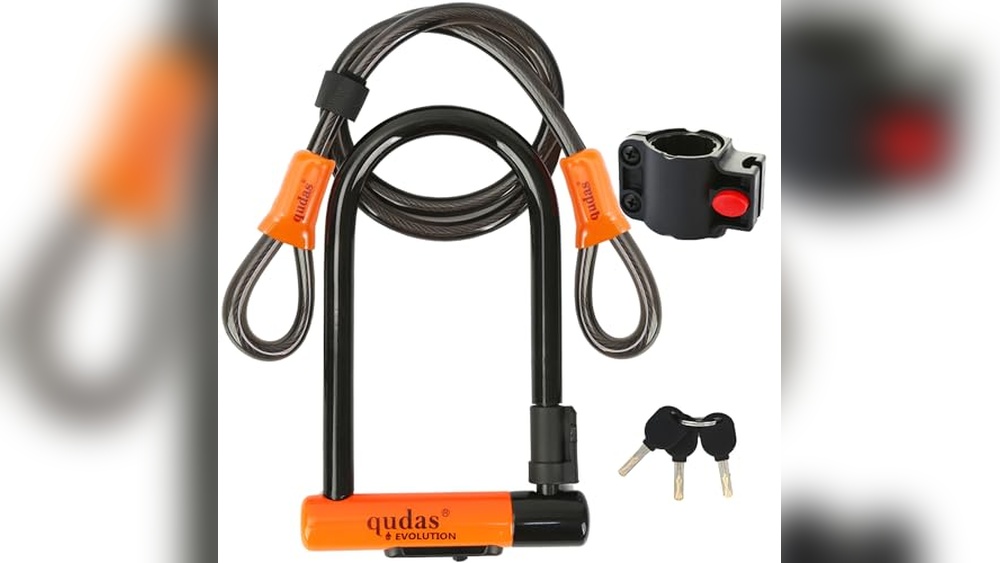
D-locks, also known as U-locks, are shaped like a “U.” They are made from hardened steel. This design makes them very tough to break or cut. D-locks secure your helmet tightly to the bike frame. They are ideal for areas with high theft risk.
Heavy-duty Chains For Extra Security
Heavy-duty chains offer flexible locking options. They are made from thick, strong links that resist cutting. Chains allow you to lock your helmet and bike to larger objects. Using a heavy-duty chain increases your helmet’s protection level. Pairing a chain with a strong lock improves overall security.
Alternative Storage Options
Finding a safe place to store your helmet while parked protects it from theft and damage. Alternative storage options offer secure ways to keep your helmet close and locked. These methods provide peace of mind and convenience. They work well for short stops or longer rides. Choose the best option based on your bike type and riding habits.
Top Boxes And Panniers
Top boxes and panniers are strong, lockable containers fixed to your bike. They keep your helmet safe inside and protect it from weather. These storage options attach directly to your bike frame. You can lock them with keys, adding an extra security layer. Using them frees you from carrying bulky helmets by hand. They also keep your helmet clean and scratch-free while parked.
Tail Bags With Locks
Tail bags with locks offer a flexible way to store your helmet. These bags attach to the rear seat or rack of your bike. Many models come with built-in locks or zippers that can secure with a small padlock. Tail bags protect helmets from rain and dust. They are easy to remove and carry with you. This option suits riders who want a lightweight and portable storage method.
Tips For Theft Prevention
Protecting your helmet from theft is essential every time you park your bike. Thieves often target helmets because they are easy to grab and resell. Simple habits can reduce the risk of losing your gear. Use smart strategies to keep your helmet safe and secure. Below are key tips for theft prevention.
Choosing Secure Parking Spots
Select parking spots with good visibility. Well-lit areas discourage thieves. Park near busy streets or places with frequent foot traffic. Avoid isolated or dark spots. Use designated bike racks or secured parking zones. Look for spots under surveillance cameras. These locations make theft attempts risky for criminals.
Quick Stops Vs Long-term Security
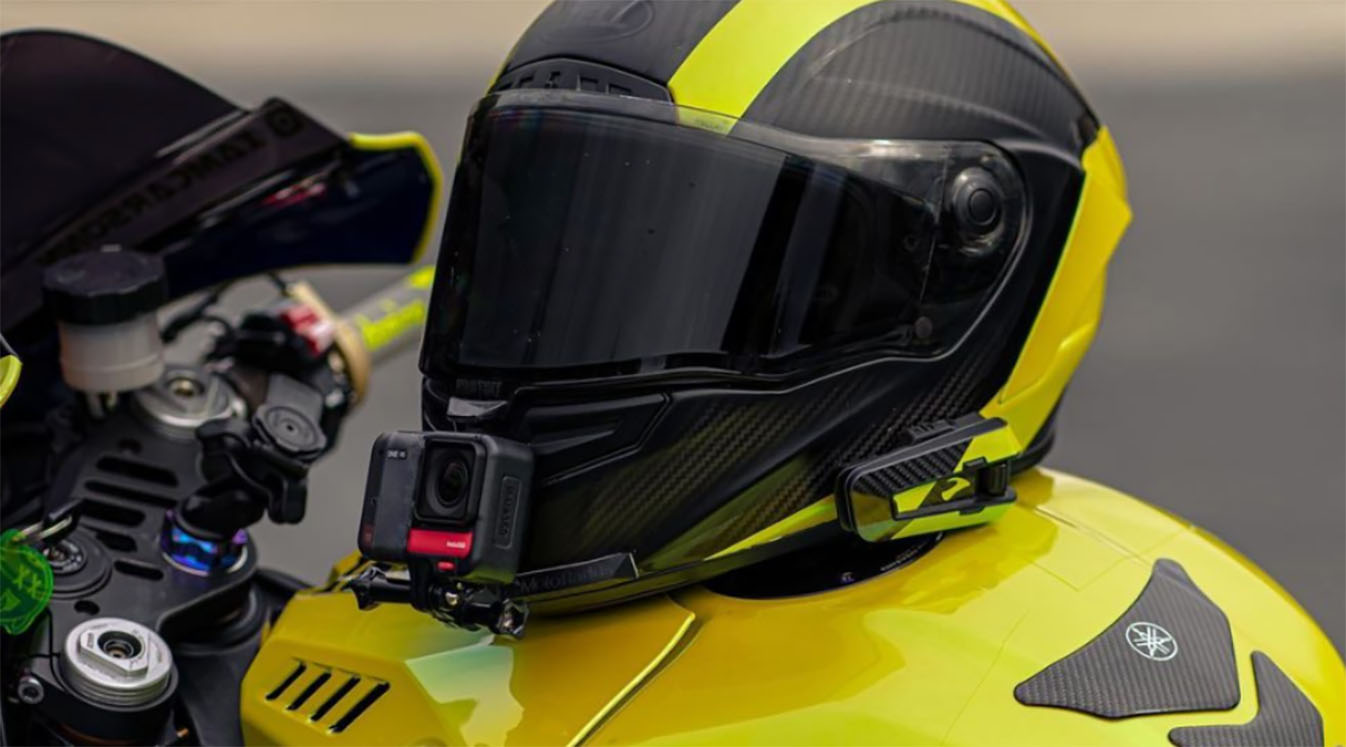
For quick stops, use a simple helmet lock or cable. Attach the helmet to the bike frame or handlebars. Keep the helmet close and in sight. For longer parking times, use stronger locks like U-locks or chains. Store the helmet inside a lockable top box or bag. These methods add layers of security. The right choice depends on how long you leave your bike unattended.
Credit: cardosystems.com
Frequently Asked Questions
How Do I Lock My Helmet To My Bike?
Use a helmet lock or cable lock through the helmet’s chin bar or D-rings. Secure it to your bike’s frame or handlebars for safety.
What Is The 222 Rule For Helmets?
The 222 rule for helmets means replacing your helmet every 2 years or after 2 crashes, whichever comes first.
How To Keep Your Motorcycle Helmet From Being Stolen?
Secure your helmet using a purpose-built helmet lock or cable lock through the chin bar or D-rings. Attach it to the bike frame or handlebars. For better protection, store your helmet in a lockable top box or pannier, especially during long stops or overnight.
How Secure Are Bike Helmet Locks?
Bike helmet locks offer moderate security by attaching helmets to the bike frame. Heavy-duty locks provide stronger theft protection.
Conclusion
Locking your helmet to your bike keeps it safe during stops. Use a sturdy lock to connect the helmet and bike frame. Choose locks that fit your helmet and bike type well. Always secure the helmet tightly to avoid easy theft.
With these simple steps, your helmet stays protected anywhere. Ride with peace of mind knowing your gear is secure.