You want to keep your bike safe, right? Choosing the right bike chain lock can make all the difference between peace of mind and a costly loss.
But with so many options out there, how do you know which one suits your needs best? This guide will help you pick a bike chain lock that protects your ride without causing you hassle. By the end, you’ll feel confident about your choice—and your bike’s security.
Let’s get started.
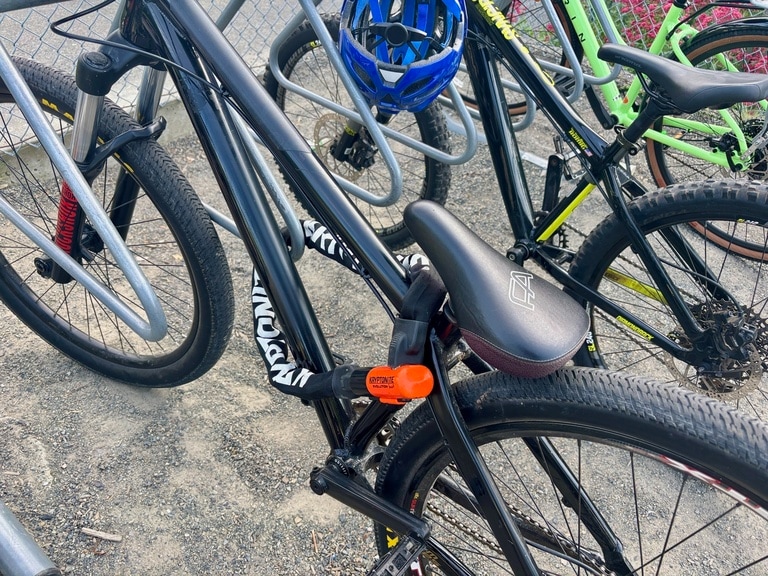
Credit: www.rei.com
Types Of Bike Chain Locks
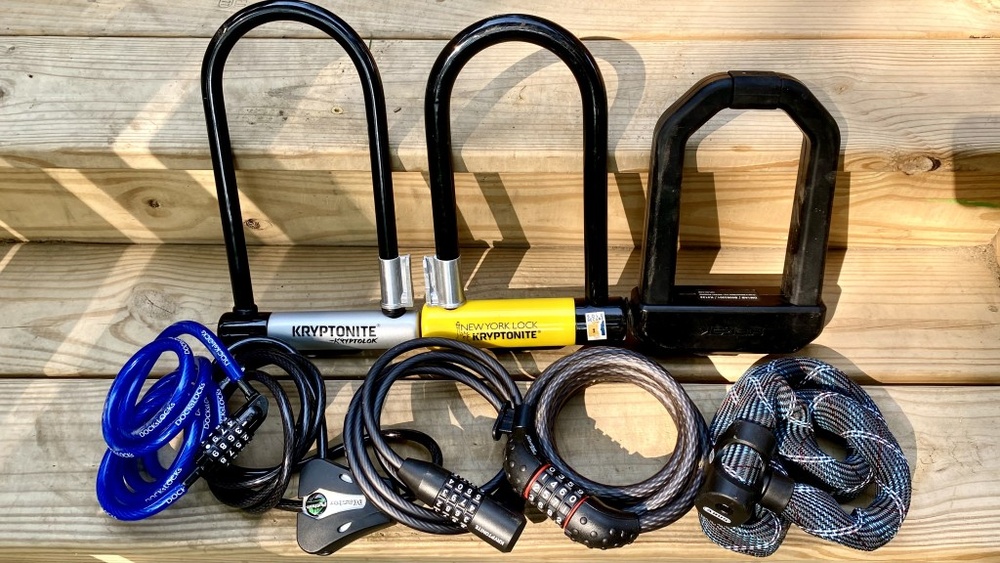
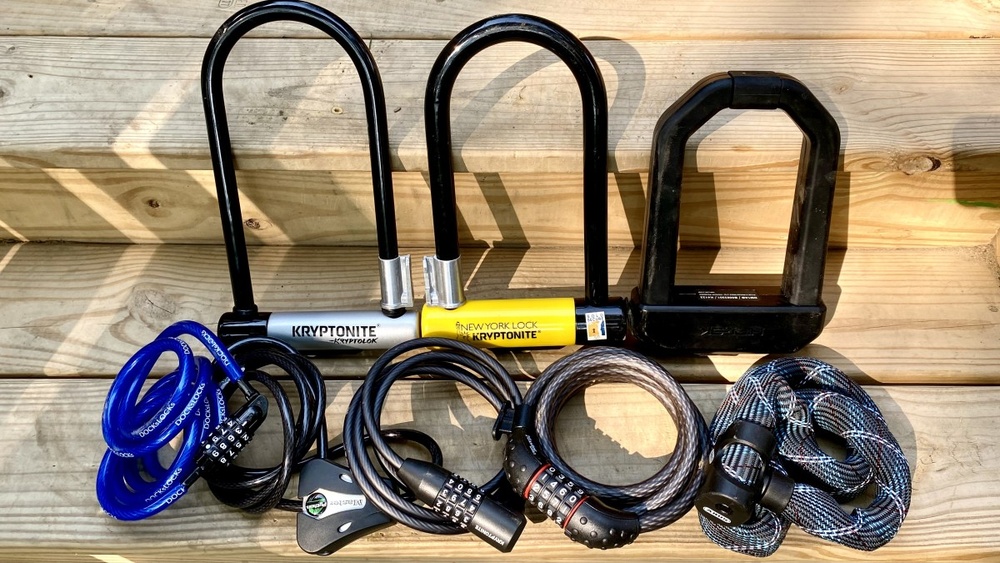
Bike chain locks come in various types, each designed to protect your bike in different ways. Choosing the right type helps keep your bike safe without adding too much weight. Knowing the differences makes your decision easier.
Steel Chains
Steel chains are strong and heavy. They resist cutting and breaking well. These chains often have thick links that add extra security. Great for high-risk areas where theft is common. The weight can be a downside for daily use.
Hexagonal Chains
Hexagonal chains have six-sided links. This shape makes it hard to cut with bolt cutters. They offer good protection without too much weight. The design helps prevent tools from getting a good grip. A good balance between security and convenience.
Square Link Chains
Square link chains use square-shaped links. These links fit tightly together, making cutting difficult. They are usually lighter than round chains but still strong. Often chosen for their unique look and strong build. Ideal for those wanting sturdy but manageable locks.
Chain And Padlock Combos
Chain and padlock combos come ready to use. The chain and padlock match in strength and size. This combo simplifies choosing separate parts. Offers flexibility in length and locking options. Perfect for riders wanting quick and easy security.

Credit: thebestbikelock.com
Materials And Build Quality
Choosing the right materials and build quality is key to a strong bike chain lock. Good materials make the lock hard to break. Strong build quality helps the lock last long. Both protect your bike from theft and weather damage.
Hardened Steel Benefits
Hardened steel is tough and resists cutting tools. It adds strong protection against bolt cutters and saws. This steel type keeps your bike safe in high-risk areas. Locks made with hardened steel are more durable and reliable.
Rust Resistance
Rust can weaken a bike lock quickly. Look for locks with rust-resistant coatings or materials. This helps the lock stay strong even in rain or snow. Rust resistance increases the lock’s lifespan and keeps it working well.
Thickness And Weight
Thicker chains are harder to cut or break. But very thick chains can be heavy and hard to carry. Choose a lock with the right balance of thickness and weight. It should feel solid but still easy to bring on rides.
Locking Mechanisms
Choosing the right locking mechanism for your bike chain lock is important. It affects security and ease of use. Different locks offer different benefits. Understanding these options helps you pick the best one for your needs.
Keyed Locks
Keyed locks use a physical key to open. They often provide strong security. Keys can be copied but are hard to pick. Carrying a spare key is a good idea. These locks are simple to use and reliable.
Combination Locks
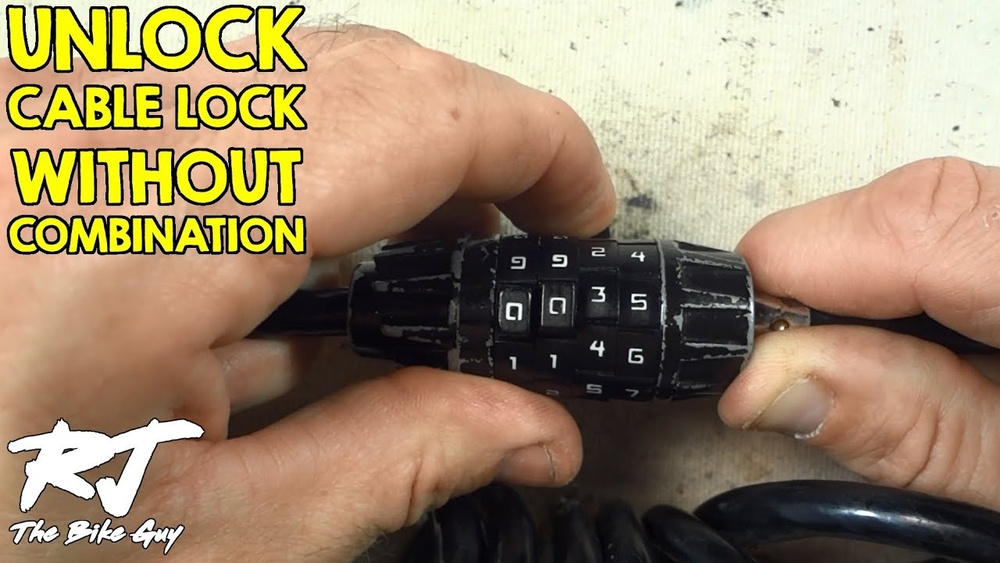
Combination locks open with a code. No key is needed. You can reset the code anytime. They are handy when you don’t want to carry keys. Setting a memorable code helps avoid lockouts. Some people find them less secure than keyed locks.
Smart Locks
Smart locks connect to your phone or device. You unlock them using an app or Bluetooth. They offer convenience and extra features. Some send alerts if someone tries to tamper. Batteries power these locks, so check battery life. Technology adds ease but may cost more.
Security Ratings And Standards
Security ratings and standards help you choose the right bike chain lock. They show how strong and safe a lock is. These ratings come from tests by experts. They compare locks to find the best ones for protection. Understanding these ratings makes picking easier. You can trust locks with good scores. These locks keep your bike safer from thieves.
Sold Secure Ratings
Sold Secure is a popular test for bike locks. It rates locks as Bronze, Silver, or Gold. Gold means the lock is very strong. Silver is good but less strong than Gold. Bronze is basic protection. The tests check how long it takes to break the lock. The longer it takes, the better the rating. Choose a lock with a high Sold Secure rating.
Art Certification
ART is a Dutch safety standard for bike locks. It gives stars from 1 to 5. Five stars mean the lock is very tough. One star is the lowest level of security. ART tests use tools like hammers and saws. They check how well the lock resists attacks. Pick locks with at least three stars for good safety.
Other Industry Standards
Some countries have their own safety tests. For example, the CEN standard in Europe. It grades locks from 1 to 6, with 6 being the best. There are also insurance company ratings. These help decide if a lock meets their rules. Use locks that meet local standards. This ensures better protection and insurance coverage.
Size And Flexibility
Choosing the right size and flexibility for a bike chain lock matters a lot. These two features affect how easy the lock is to use and how well it protects your bike. You want a lock that fits your needs for security and convenience.
Chain Length Considerations
Pick a chain long enough to wrap around your bike and a secure object. Chains that are too short limit where you can lock your bike. Too long chains can add extra weight and bulk. Measure the places where you usually park to find the right length.
Flexibility Vs. Security
Flexible chains bend and twist, making them easier to lock in different spots. But very flexible chains might use thinner links that break more easily. Thicker chains are stronger but less flexible. Choose a chain that balances strength and flexibility for your needs.
Portability
Think about how you carry your chain lock. Heavy or long chains can be hard to carry on the bike or in a bag. Some chains come with bags or straps for easier transport. Pick a size that fits your carrying style without causing trouble.

Credit: www.youtube.com
Practical Tips For Using Chain Locks
Using a chain lock correctly can make a big difference in keeping your bike safe. Simple steps can help stop thieves and protect your bike. These practical tips focus on how to use chain locks the right way. Follow them to keep your bike secure every time you park it.
Securing Your Bike Properly
Wrap the chain lock tightly around the bike frame. Make sure the chain goes through the main triangle of the frame. Avoid locking only the wheel. Lock both the frame and one wheel for better security. Keep the lock off the ground to make cutting harder.
Choosing Safe Locking Points
Pick solid objects that cannot move or break. Look for metal poles or bike racks fixed to the ground. Avoid thin or weak poles that thieves can bend or cut. Check if the object is wide enough for your chain lock. Make sure the object is tall enough so your bike cannot be lifted over.
Avoiding Common Mistakes
Do not lock your bike in isolated or dark places. Avoid using short or weak chains that are easy to break. Do not leave any space between the chain and the object. Avoid locking only the front wheel or the saddle. Always double-check your lock before leaving your bike.
Budget And Value
Choosing a bike chain lock means thinking about budget and value. Spending too little may risk your bike’s safety. Spending too much might not give extra benefits. The goal is to find a lock that fits your budget and offers good protection. This section explains how to balance cost with security and find the best value.
Balancing Cost And Security
Cheap locks often use weak materials. They can break easily with simple tools. More expensive locks use hardened steel and better designs. These locks resist cutting and picking. Decide how much security you need based on where you park. Busy areas need stronger locks. Quiet places may allow cheaper options. Aim for a lock that offers strong protection without overspending.
Long-term Investment
Good bike locks last many years. They protect your bike and save money over time. Cheap locks may fail and force you to buy again. A durable lock reduces the risk of theft and replacements. Think of the lock as a long-term safety tool. Spending a bit more now can prevent bigger losses later. Choose a lock with a warranty and solid reviews.
Top Brands To Consider
Some brands are known for quality and reliability. Look for locks from Abus, Kryptonite, and OnGuard. These brands use strong materials and smart designs. They also offer various sizes and security levels. Buying from top brands means better customer support and warranties. Choose a trusted brand to ensure your bike stays safe.
Maintenance And Care
Maintaining your bike chain lock is vital for its long life and strong security. A well-cared lock works smoothly and resists rust and damage. Regular attention saves money and avoids lock failures.
Cleaning Tips
Clean the lock regularly to remove dirt and dust. Use a soft brush or cloth to wipe the chain and locking parts. Avoid harsh chemicals that can damage the lock’s surface. Mild soap and water work well. Dry the lock completely after cleaning to stop rust.
Lubrication
Keep the lock moving smoothly with light lubrication. Apply a small amount of bike-specific lubricant to the keyhole and chain links. Do not use too much oil; excess can attract dirt. Lubricate the lock every few months or after wet weather. This prevents stiffness and keeps the lock easy to use.
Storage Advice
Store the lock in a dry place when not in use. Avoid leaving it outside in rain or snow for long periods. If possible, cover the lock or bring it indoors. Proper storage helps prevent rust and mechanical problems. Always coil the chain loosely to avoid bends or kinks.
Frequently Asked Questions
What Factors Should I Consider When Choosing A Bike Chain Lock?
Consider lock strength, material quality, length, and weight. Choose a lock that balances security and portability. Look for anti-pick and anti-cut features for better protection.
Are Longer Bike Chain Locks More Secure?
Longer locks offer flexibility to secure your bike to various objects. However, security depends more on lock quality than length. Choose a sturdy chain with protective casing.
How Important Is Lock Material In Bike Security?
Lock material directly affects durability and cut resistance. Hardened steel chains provide strong protection. Avoid cheap metals as they are easier to break.
Can A Bike Chain Lock Prevent All Thefts?
No lock guarantees 100% theft prevention. A strong chain lock deters most thieves but cannot stop determined ones. Use additional security measures for better safety.
Conclusion
Choosing the right bike chain lock helps keep your bike safe. Think about the lock’s strength and size first. Consider how often and where you park your bike. A good lock gives peace of mind and saves trouble. Remember, no lock is perfect, but a strong one slows thieves down.
Stay smart and protect your bike well.