
Choosing the right cable bike lock can save you from the heartbreak of a stolen bike. You want a lock that is strong, reliable, and easy to carry.
But with so many options out there, how do you know which one is best for you? This guide will help you pick a cable bike lock that fits your needs perfectly. By the end, you’ll feel confident that your bike is safe wherever you go.
Keep reading to discover the simple steps that make all the difference.

Credit: www.youtube.com
Types Of Cable Bike Locks
Cable bike locks come in different types. Each type suits different needs. Knowing these types helps you pick the best lock. This guide covers the main types of cable bike locks.
Understanding these differences can save your bike from theft. It also helps you carry the lock easily. Let’s explore the types of cable bike locks below.
Coiled Vs Straight Cables
Coiled cables look like a spring. They stretch to lock your bike and then return to a small coil. This makes them easy to carry. They fit well in bags or pockets.
Straight cables are long and do not coil. They offer more length to lock your bike to larger objects. But they can be harder to carry around. Choose based on your daily needs and storage space.
Integrated Lock Designs
Some cable locks have the lock built into the cable. This design is simple and compact. It reduces the chance of losing the lock part. You only need to carry one piece.
Other locks have a separate lock and cable. This can allow more flexibility. You can use different cables with the same lock. Pick the style that fits your convenience.
Combination Vs Key Locks
Combination locks use numbers or letters to open. No need to carry keys. You just remember the code. This is handy for quick stops or if keys get lost easily.
Key locks require a physical key. They tend to be harder to break. But losing the key can be a problem. Decide based on your preference for security or ease.
Key Features To Consider
Choosing the right cable bike lock is important to keep your bike safe. Some key features affect how well the lock works. These features also impact how easy it is to use the lock every day. Focus on these important points to pick the best lock for your needs.
Cable Thickness And Material
Thicker cables offer better protection. Thin cables break or cut easily. Look for cables made from strong materials like braided steel. Steel resists cutting tools and keeps thieves away. Plastic coating on cables stops scratches on your bike. It also protects the cable from weather damage.
Locking Mechanism Strength
The lock’s mechanism must be tough and reliable. Choose locks with strong key or combination systems. Simple locks can be opened quickly by thieves. Some locks have anti-pick features that add extra security. Test the lock to see if it feels solid and smooth.
Length And Flexibility
The length of the cable decides what you can lock your bike to. Longer cables give more options but can be heavy. Short cables are lighter but limit where you can secure your bike. Flexibility helps to wrap the cable around different objects. Find a balance between length and ease of use.
Security Ratings And Certifications
Choosing the right cable bike lock means understanding its security level. Security ratings and certifications show how strong a lock is. These ratings help you pick a lock that protects your bike well. They are based on tests that check how hard it is to break the lock.
What Security Ratings Mean
Security ratings tell you how much protection a lock offers. Higher ratings mean stronger locks. These ratings come from tests that try to cut or break the lock. The tests use different tools and methods. A lock with a high rating can stop thieves better. Ratings make it easy to compare locks before buying.
Recognized Certification Bodies
Certification bodies test and rate bike locks. They follow strict rules to ensure fairness. Some well-known bodies are Sold Secure and ART. These groups give locks a grade after testing. Look for their marks on the lock or packaging. Certified locks meet safety standards and offer trust.
Balancing Portability And Protection
Choosing the right cable bike lock means finding a balance between carrying ease and strong protection. A lock that is too heavy might be hard to carry during rides. A light lock may not protect your bike well enough. Understanding this balance helps you pick a lock that suits your needs.
Weight Vs Security Level
Heavier cable locks usually offer better security. They use thicker cables and stronger materials. These locks are harder to cut or break. Lighter locks are easier to carry but less secure. Think about where you park your bike most. High-risk areas need stronger, heavier locks. Low-risk spots allow lighter locks with moderate security.
Ease Of Carrying Options
Some locks come with carrying cases or mounts. You can attach these to your bike frame or backpack. Others fold or coil into small shapes. This makes them easier to store when riding. Choose a lock that fits your riding style. Consider how much space you have for carrying gear. A lock that is easy to carry encourages regular use.
Common Vulnerabilities Of Cable Locks
Cable locks offer convenience and flexibility for bike security. They are light and easy to carry, making them popular among cyclists. Despite these benefits, cable locks have weaknesses that thieves often exploit. Understanding these weaknesses helps you choose a better lock and protect your bike well.
Cutting Tools And Methods
Thieves use sharp tools to cut through cable locks quickly. Common tools include wire cutters, bolt cutters, and even power saws. Thin cables are easier to cut, sometimes in seconds. Stronger cables have thicker steel strands, but even these can fail against heavy tools. Avoid locks with thin or flimsy cables. Always check the cable thickness and steel quality before buying.
Lock Picking Risks
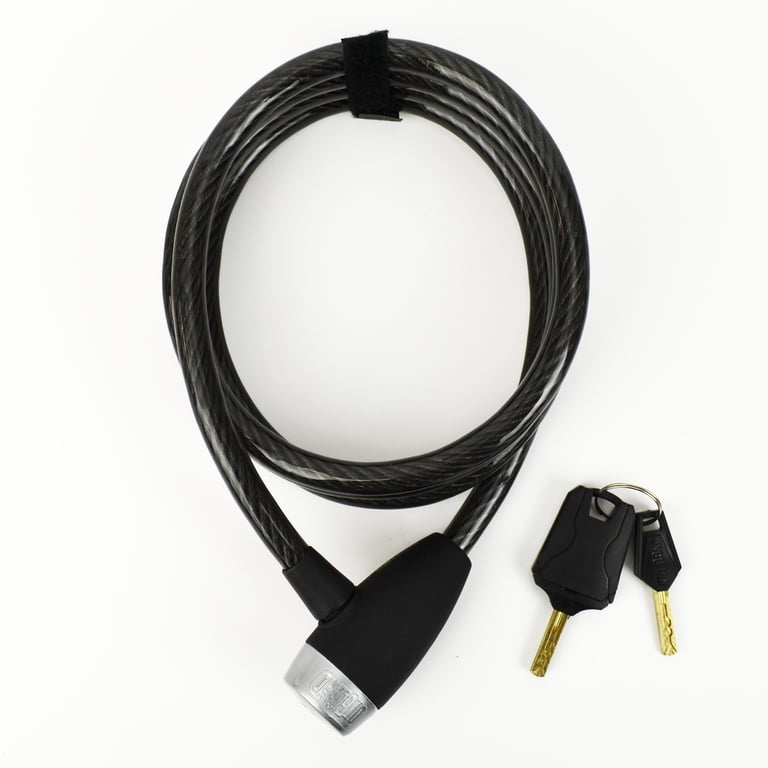
Some cable locks use simple locking mechanisms. These locks can be picked with basic tools like small screwdrivers or lock picks. Thieves skilled in lock picking can open these locks quietly and fast. Locks with complex or disc-style locking systems are harder to pick. Pay attention to the lock type to reduce this risk. A strong lock body helps prevent picking attempts.
Credit: www.walmart.com
Tips For Maximizing Lock Effectiveness
Using a cable bike lock is not enough alone to keep your bike safe. Proper use of the lock and smart parking choices increase security. These tips help you get the most from your cable lock. Follow simple steps to protect your bike better every day.
Proper Locking Techniques
Always lock your bike frame, not just the wheel. Thieves can remove wheels easily. Secure both the frame and at least one wheel to a solid object. Tighten the lock to reduce space for tools. Avoid locking the bike to items that can be cut or moved.
Choosing Secure Parking Spots
Park in well-lit, busy areas to deter thieves. Choose places with bike racks or fixed poles. Avoid isolated or dark spots. Look for locations with surveillance cameras. The more visible your bike, the safer it is.
Popular Brands And Models
Choosing the right cable bike lock means knowing which brands and models stand out. Some brands focus on strong security and durability. Others offer good protection at a lower price. Understanding popular options helps you pick a lock that fits your needs and budget.
Top-rated Cable Locks
High-quality cable locks often come from trusted brands. Kryptonite offers strong locks with tough cables and reliable keys. Their locks resist cutting and picking better than many others. Another good choice is Abus, known for solid build and secure designs. Their cable locks come with flexible lengths for different uses. Both brands offer locks that last long and keep bikes safe.
Budget-friendly Options
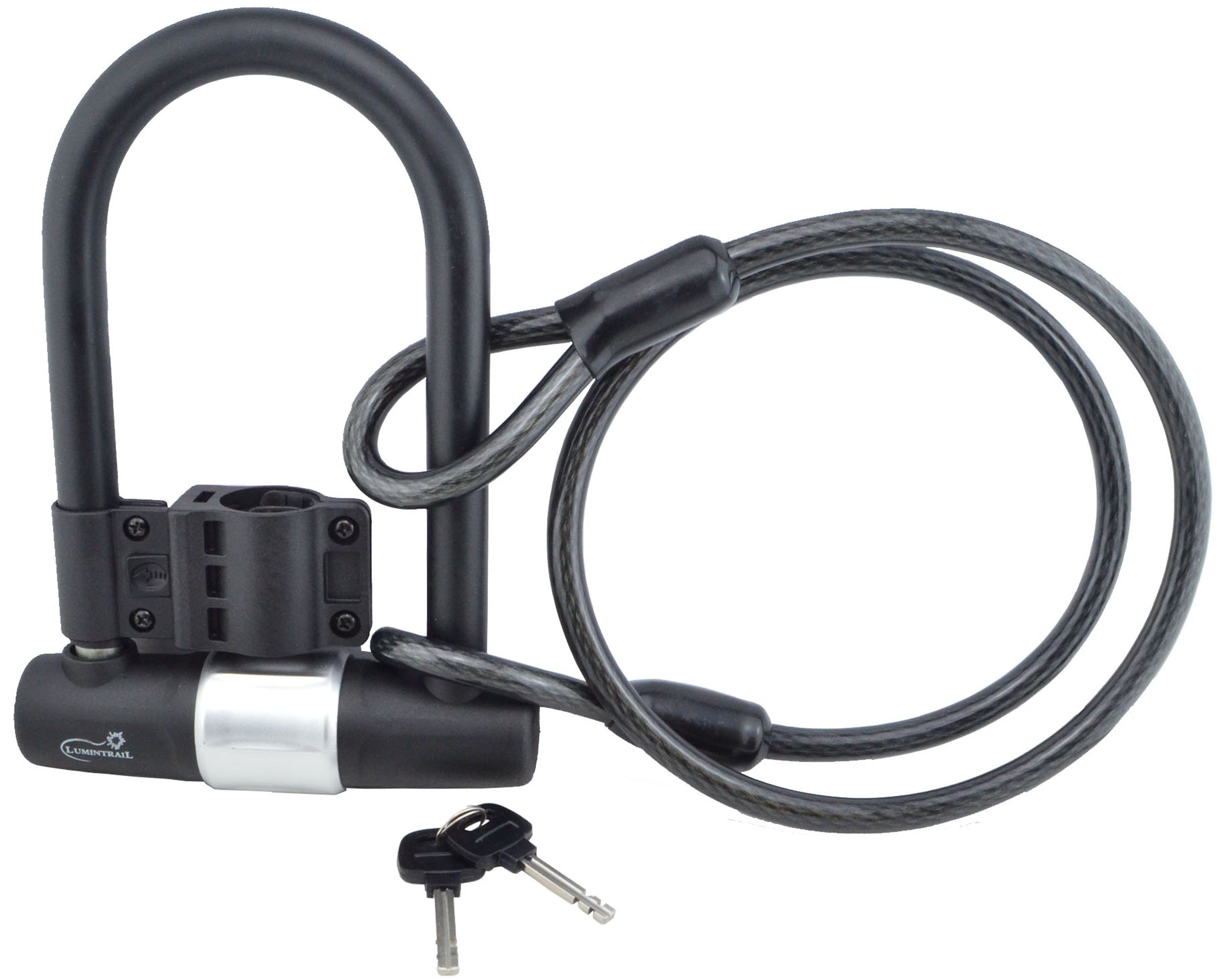
Affordable cable locks work well for low-risk areas. Bell and Master Lock make cheap locks that suit short stops. These locks use thinner cables but still deter quick theft. They are easy to carry and use every day. Keep in mind, cheaper locks may not stop determined thieves. Still, they provide good value for casual riders.
Credit: www.martinispa.com
Frequently Asked Questions
What Makes A Cable Bike Lock Secure?
A secure cable bike lock uses thick, braided steel cables and a strong locking mechanism. It resists cutting and picking. Look for locks with high security ratings and anti-theft features to protect your bike effectively.
How Long Should A Cable Bike Lock Be?
Choose a cable lock at least 4 to 6 feet long. This length lets you secure your bike to various objects easily. Longer cables offer more flexibility but can be harder to carry.
Are Cable Bike Locks Better Than U-locks?
Cable locks are flexible and lightweight but generally less secure than U-locks. Use cable locks for low-theft areas or as a secondary lock. For high-risk areas, a sturdy U-lock offers better protection.
What Is The Ideal Cable Thickness For Bike Locks?
Look for cables at least 12mm thick for decent security. Thicker cables resist cutting tools better. However, very thick cables can be heavy, so balance security and convenience.
Conclusion
Choosing the right cable bike lock keeps your bike safe and secure. Think about the lock’s length, thickness, and material. A lock that fits your bike and needs works best. Don’t forget to check how easy it is to carry.
Strong locks may cost more but protect better. Remember, a good lock gives you peace of mind. Stay safe, and enjoy your rides without worry.


