You’ve got your bike, and now you need to keep it safe. A combination lock is one of the best ways to protect your ride from theft.
But how do you set the combination so only you can unlock it? If you’ve ever felt confused or worried about losing your lock’s code, this guide is made just for you. Step by step, you’ll learn how to set and reset your bike’s combination lock easily and confidently.
By the end, you’ll have peace of mind knowing your bike is secure—and that you hold the key to its safety. Ready to take control? Let’s get started!

Credit: www.youtube.com
Choosing The Right Combination Lock
Choosing the right combination lock is crucial for securing your bike effectively. A good lock protects your bike from theft and gives you peace of mind. It is important to understand the different options available. This helps you pick a lock that suits your needs and budget.
Types Of Bike Locks
There are several types of bike locks. Cable locks are flexible and lightweight. U-locks are rigid and strong, offering better security. Chain locks use heavy-duty links and a sturdy lock. Folding locks combine compact design with decent security. Each type fits different situations and security levels.
Factors To Consider
Consider how long you leave your bike unattended. Choose a lock size that fits your bike frame and the object you lock it to. Think about the lock’s weight, especially if you carry it often. Check the lock’s resistance to cutting and picking. Your budget also matters for finding a reliable lock.
Benefits Of Combination Locks
Combination locks don’t need keys, so you avoid losing them. You can easily change the code for extra security. They offer quick access with the right combination. Many models are lightweight and easy to carry. Combination locks work well in many environments and for daily use.

Credit: www.youtube.com
Preparing To Set The Combination
Preparing to set the combination on your bike lock is the first important step. This process ensures you can change the code safely and correctly. Follow simple actions to avoid mistakes and secure your bike properly.
Locate The Reset Mechanism
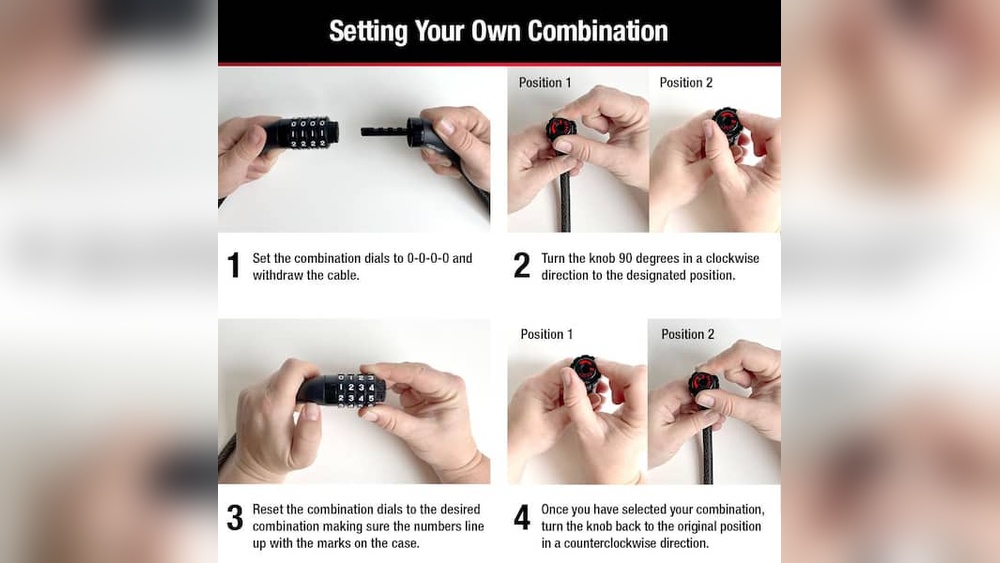
First, unlock your bike lock using the current combination. Check the lock body carefully to find the reset knob or lever. This part is usually near where the cable or shackle connects to the lock. Some locks have a small button or pin that needs pressing. Identifying this mechanism is key to changing your code.
Using The Default Combination
If your lock is new, use the default combination to open it. The default code is often set to “0000” or “1234.” This code should be in the lock’s manual or on a sticker. Unlock the lock and hold it open while setting a new code. This step lets you access the reset mechanism easily.
Safety Tips Before Changing
Choose a quiet place to work on your lock. Avoid rushing to prevent errors. Write down your new combination and keep it safe. Test your new code several times before locking your bike outside. Never share your code with strangers. These tips help keep your bike secure and your lock working well.
Step-by-step Setting Process
Setting a combination lock for your bike is simple and quick. Follow these steps carefully to choose a code you can remember. This process helps keep your bike safe and secure. Start by unlocking the lock and end by testing your new combination.
Unlocking The Lock
Begin by entering the current code on your lock’s dials. Turn the dials carefully to the correct numbers. Pull up the shackle or open the lock body. Make sure the lock is fully open before moving to the next step.
Activating The Reset Mode
Look for the reset mechanism on the lock. It is usually a small lever or button near the shackle. Push or slide this reset tool as the instructions say. Keep it in the reset position while you set your new code.
Choosing A New Combination
Turn the dials to the numbers you want for your new code. Pick a number that is easy to remember but hard for others to guess. Align the numbers with the marker on the lock body. Double-check each number before saving.
Saving The New Code
Release the reset lever or button carefully. This locks in your new combination. Do not move the dials while releasing the reset mechanism. Your new code is now saved in the lock system.
Testing The New Combination
Close the lock and scramble the dials to mix the numbers. Enter your new combination slowly and carefully. Pull the shackle or open the lock to check if it works. Repeat this step twice to be sure your code is set correctly.
Tips For A Strong Combination
Setting a strong combination for your bike lock helps keep your bike safe. Choose a code that is hard for others to guess. Avoid simple or common number patterns. Use codes that you can remember easily but are not obvious. Keep your combination written down in a secure place. These tips make your bike lock more secure and reduce the risk of theft.
Avoid Common Number Patterns
Do not use simple sequences like 1234 or 0000. Avoid repeating numbers such as 1111 or 2222. Do not use birthdays or anniversaries. These are easy to guess and common targets for thieves. Try mixing numbers that do not follow a clear order. Random combinations are much harder to crack.
Using Memorable Yet Secure Codes
Pick numbers that mean something only to you. Use a date or number sequence that is not public knowledge. Combine parts of phone numbers or addresses in a unique way. Think of a pattern on the lock dial that helps you remember the code. This makes the combination easy for you and hard for others.
Recording Your Combination Safely
Write down your combination and store it in a safe place. Avoid keeping the code on your bike or in obvious spots. Use a password manager app or a locked notebook. Make a photo of the combination and save it on your phone securely. This way, you can find your code quickly if you forget it.
Troubleshooting Common Issues
Troubles with your bike’s combination lock can be frustrating. Many users face common issues that stop the lock from working properly. This section helps you fix typical problems quickly. Clear steps and simple tips will guide you to solve these issues.
Reset Mechanism Problems
First, check the reset knob or lever. It is usually near the lock’s shackle or cable end. Make sure it is fully turned or pushed into the correct position. If it feels stuck, do not force it. Try cleaning around the reset area with a soft cloth. Dirt or rust often blocks the mechanism. Lightly applying lubricant can help the parts move smoothly. Avoid using too much oil, as this can attract more dirt. After cleaning, try resetting the combination again. If it still does not work, the lock might be faulty and need replacing.
Lock Jammed Or Stuck
A jammed lock often happens due to dust, rust, or misaligned dials. Start by gently twisting each dial back and forth. This can realign the wheels inside. Spray a small amount of lubricant into the lock’s gaps. Let it sit for a few minutes to loosen stuck parts. Then try opening the lock with the correct combination. Avoid using excessive force; it can break the lock. If the lock remains stuck, tapping it lightly with a soft tool may help. Persistent jamming may require professional repair or replacement.
Forgotten Combination Solutions
Forgetting your combination is common but solvable. First, try all possible combinations carefully. Start with numbers you use often. If this does not work, check if you recorded the combination when setting it. Some locks have a reset code on a card or packaging. Contact the lock manufacturer with proof of purchase. They might help recover the combination. As a last resort, a locksmith can open the lock without damage. Avoid cutting the lock unless no other option remains.
Maintaining Your Combination Lock
Maintaining your combination lock is key to keeping your bike secure. A well-maintained lock lasts longer and works smoothly every time. Simple care steps prevent rust, dirt buildup, and mechanical issues.
Regular attention helps avoid lock jamming or failure. Taking time to clean and store the lock properly ensures it stays reliable. Knowing when to replace your lock also protects your bike from theft risks.
Regular Cleaning And Lubrication
Clean your lock often to remove dirt and dust. Use a soft brush or cloth to wipe the surface. Avoid harsh chemicals that can damage the lock’s finish.
Lubricate the lock’s moving parts with a small amount of graphite or silicone spray. Do this every few months or if the lock feels stiff. This keeps the dials turning smoothly and prevents rust inside.
Storage Advice
Store your lock in a dry place when not in use. Avoid leaving it exposed to rain or moisture for long periods. Moisture can cause rust and damage the lock mechanism.
If you carry the lock on your bike, try to keep it away from mud and water. Using a protective cover can help shield it from the elements. Proper storage extends the life of your lock.
When To Replace Your Lock
Replace your lock if it shows signs of rust or corrosion. Locks that stick or do not turn properly need replacement. Also, change your lock after a break-in attempt or if the combination mechanism fails.
Using a damaged or old lock puts your bike at risk. Investing in a new lock ensures better security and peace of mind.
Additional Security Measures
Securing your bike goes beyond just setting the combination lock. Extra steps can greatly reduce the risk of theft. These measures add layers of protection, making your bike less attractive to thieves. Follow these simple tips to boost your bike’s safety wherever you park.
Using Multiple Locks
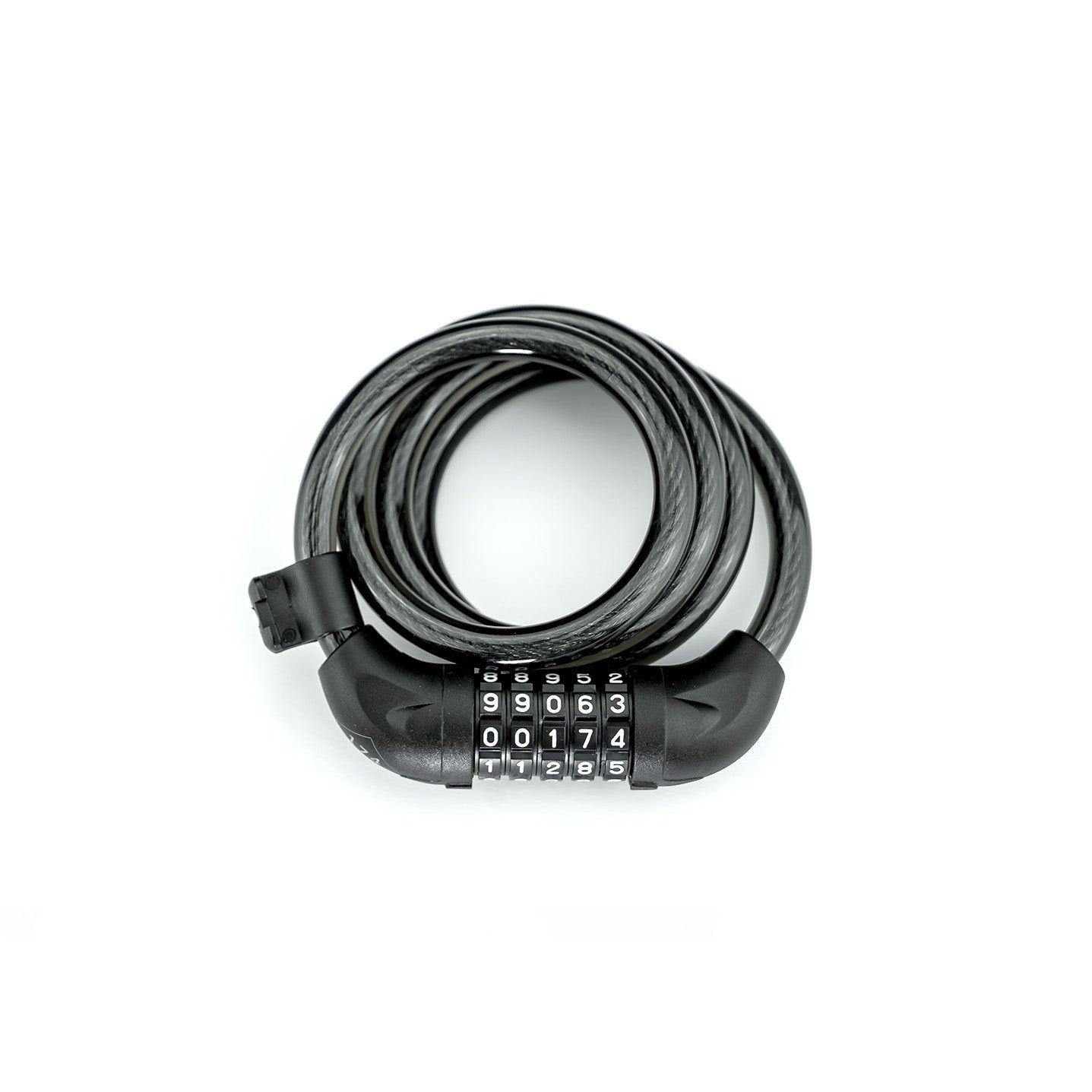
Use more than one lock to secure your bike. A combination lock plus a cable or chain lock works well. Different lock types slow down thieves. They need more time and tools to break both. Attach one lock to the frame and another to the wheels. This prevents parts from being stolen separately.
Choosing Secure Parking Spots
Park your bike in well-lit, busy areas. Avoid dark or isolated places. Thieves prefer quiet spots to work unnoticed. Look for bike racks near cameras or security guards. These spots increase the chance someone will see suspicious activity. Lock your bike to a fixed object that cannot be moved or cut easily.
Registering Your Bike
Register your bike with local or national bike registries. This helps recover your bike if it is stolen. Many cities offer free or low-cost registration services. Keep a record of your bike’s serial number and photos. Share this information with the police if your bike goes missing. Registration acts as a strong deterrent against theft.
Credit: www.prioritybicycles.com
Frequently Asked Questions
How Do I Set My Combination Lock?
Unlock the lock using the current combination. Locate and turn the reset knob or lever. Set your new combination aligned with the marker. Return the knob or lever to its original position. Test the new combination by scrambling and unlocking before use.
How To Set Combination On Bike Guard Lock?
Unlock the bike guard lock using the current combination. Locate and turn the reset lever or knob. Set your new combination by aligning numbers with the marker. Return the reset mechanism to its original position. Test the new code by scrambling and re-entering it to ensure it works.
How To Set A 5 Digit Combination Lock?
Unlock the lock using the current combination. Locate and turn the reset knob or lever. Set your new 5-digit code. Return the reset mechanism to its original position. Test the new combination by scrambling and re-entering the code to ensure it works.
How Do You Set A 4-digit Combination Lock?
To set a 4-digit combination lock, first unlock it using the current code. Locate and turn the reset lever or knob. Set your new 4-digit code by aligning numbers with the marker. Return the reset lever to its original position.
Test the new combination before locking.
Conclusion
Setting a combination lock for your bike is simple and quick. Always remember your new code or keep it written somewhere safe. Test the lock several times after setting the new combination. This helps avoid any trouble when locking or unlocking.
A properly set lock keeps your bike secure and gives peace of mind. Regularly check the lock to ensure it works smoothly. Now, you can confidently protect your bike wherever you go. Stay safe and enjoy your rides!


