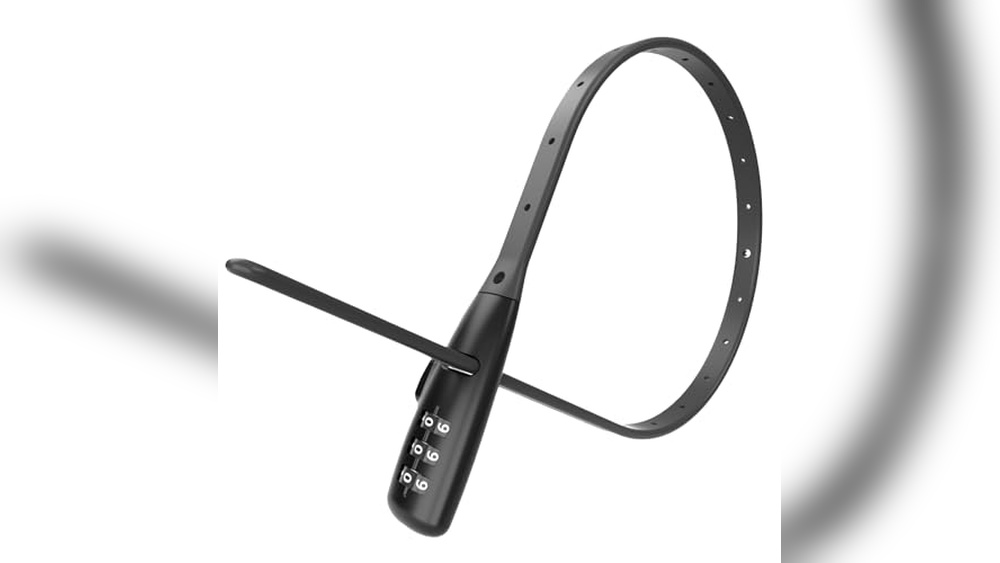
You want to keep your bike safe, and a combination bike lock is a smart choice. But how do you set it up so it works perfectly for you?
If you’ve ever felt confused by the dials or worried about forgetting your code, you’re not alone. Setting up your combination lock the right way is simple when you know the steps, and it gives you peace of mind every time you leave your bike unattended.
In this guide, you’ll learn exactly how to set your combination bike lock quickly and easily — no stress, no guesswork. Keep reading, and you’ll be securing your bike like a pro in no time!

Credit: www.youtube.com
Choosing The Right Lock
Choosing the right combination bike lock is key to keeping your bike safe. Picking a lock that fits your needs helps prevent theft. Consider the type, security level, and size before buying.
Types Of Combination Locks
Combination locks come in several styles. Cable locks use a flexible steel cable. They are easy to carry but less secure. U-locks have a solid metal bar in a U shape. They offer strong protection against cutting tools. Chain locks combine heavy chains with a lock. They are tough but can be heavy to carry. Choose the style that matches your daily use and security needs.
Security Levels
Not all locks provide the same security. Basic locks protect against casual theft. High-security locks resist picking and cutting. Check for locks with hardened steel and strong mechanisms. Look for security ratings or reviews to find trustworthy locks. A better lock can save your bike from being stolen.
Lock Size And Flexibility
Size affects where and how you lock your bike. Smaller locks are lighter and easier to carry. Larger locks cover more locking options and secure bigger objects. Flexible locks allow wrapping around poles and bike parts. Rigid locks hold firm but may limit locking spots. Balance size and flexibility based on your bike and parking locations.
Credit: www.homedepot.com
Preparing The Lock
Preparing the lock is the first step to set your combination bike lock correctly. This stage ensures the lock is ready for a new combination. It helps avoid mistakes and saves time later.
Before changing the code, you must understand how your lock works. Different locks have different reset methods. Knowing these details makes the process smoother.
Checking Default Combination
Look at the lock’s dials for the default code. Most locks come preset with a simple number like 0-0-0 or 1-2-3. This default combination opens the lock first.
Write down the default combination. You will need this to open the lock before setting your own code.
Locating Reset Mechanism
Find the reset button or lever on your lock. It is often small and near the dials or shackle. Some locks require pushing the shackle down and turning it to unlock the reset mode.
Check the lock’s manual or look for small icons that show the reset location. This step is crucial to change the combination safely.
Gathering Necessary Tools
Prepare any tools needed to access the reset mechanism. Most locks do not need tools, but some may require a small screwdriver. Keep a pen and paper ready to note your new code.
Having everything ready before starting helps you avoid interruptions and errors while setting the new combination.
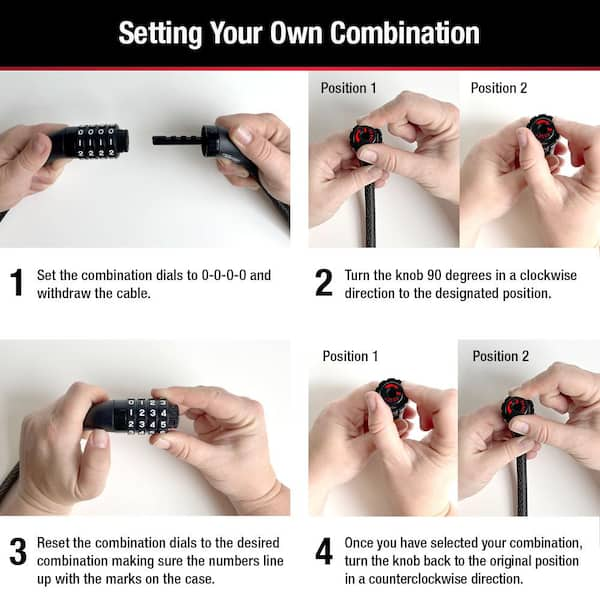
Setting Your Combination
Setting your combination is the key step in securing your bike. It personalizes your lock and keeps your bike safe. Follow each step carefully to set a code you can remember easily.
Take your time and avoid rushing. A well-set combination means peace of mind every time you park your bike.
Aligning Initial Code
Start by lining up the dials to the factory code. This code is often 0-0-0 or shown in the instructions. Make sure each number clicks into place exactly on the line. Proper alignment is essential for the lock to open.
Engaging Reset Mode
Locate the reset lever or button on your lock. Move or press it as the manual directs. This action lets you change the existing code. Keep the lock steady while in reset mode to avoid mistakes.
Selecting New Combination
Choose a simple yet strong code. Avoid easy patterns like 1-2-3 or repeating numbers. Turn the dials to your new numbers slowly. Double-check each digit before moving on to the next step.
Locking In The Code
Push the reset lever back or release the button. This locks in your new combination. Test your code by opening and closing the lock several times. Scramble the numbers to secure it fully before use.
Testing The Lock
Testing the lock is a key step in setting up your combination bike lock. It ensures your new code works properly. A simple test saves you from lockouts and frustration later. Take your time to check every function of the lock. Follow these easy steps to confirm your combination is set right.
Opening And Closing
Start by opening the lock with your new combination. Turn the dials to your set numbers. Pull the shackle up to open the lock. Close the shackle back into place. Make sure it clicks securely. This step confirms the lock opens and closes as it should.
Scrambling The Dials
After closing the lock, scramble the dials by turning them randomly. This action hides your combination. It also locks the mechanism. Try to pull the shackle now. It should not open. This step tests if the lock is secure against unwanted opening.
Verifying The New Combination
Reset the dials to your new code again. Try opening the lock one more time. It should open smoothly without sticking. Repeat this step a few times. Be sure you remember your code exactly. This final check guarantees your combination works every time.
Tips For Secure Usage
Using a combination bike lock correctly keeps your bike safe. Small habits make a big difference. Follow these tips to secure your lock and protect your bike effectively.
Choosing Strong Combinations
Pick a combination that is hard to guess. Avoid simple sequences like 0000 or 1234. Use random numbers that only you can remember. Change your combination from time to time. This reduces the chance of someone figuring it out.
Avoiding Common Patterns
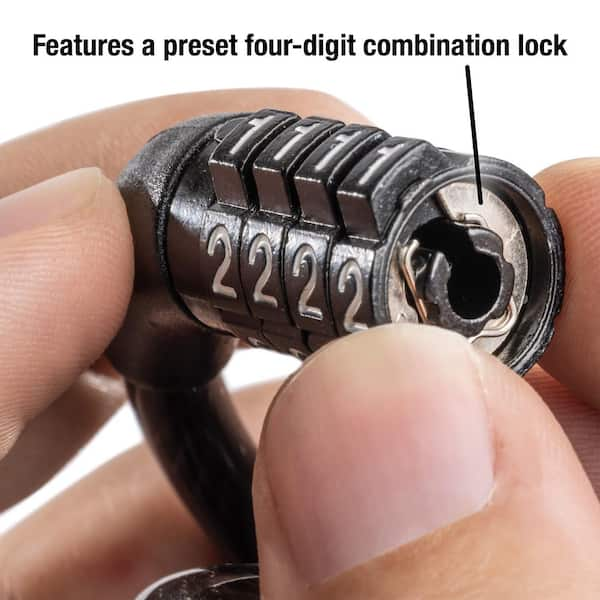
Do not use birthdays, anniversaries, or repeated digits. These are easy for thieves to guess. Try mixing numbers in unusual ways. Avoid patterns like 1111 or 2222. The goal is to make your combination unique and unpredictable.
Regular Maintenance
Keep your lock clean and dry to work smoothly. Check the dials and shackle for dirt or rust. Lubricate the lock once every few months. This prevents sticking and extends the lock’s life. Make sure the numbers turn easily and the lock closes firmly.
Troubleshooting Issues
Troubleshooting issues with a combination bike lock can save time and stress. Problems like forgetting your code or difficulty resetting the lock are common. Knowing how to handle these situations helps keep your bike secure and accessible.
Forgotten Combination Solutions
Start by checking if you wrote the combination down. Look in places you usually keep important notes. Try common codes you might have used, such as birthdates or simple patterns.
If you cannot find the code, some locks offer a reset option with a special key. Otherwise, contact the lock manufacturer for help. They may ask for proof of purchase before providing assistance.
Resetting The Lock
To reset most combination locks, open the lock with the current code first. Turn the reset lever or button to the reset position. Set your new combination by rotating the dials.
Return the reset lever to its original position. Test the new code several times before locking. This ensures your new combination works correctly and prevents lockouts.
When To Replace Your Lock
Replace your lock if it is damaged or the mechanism sticks often. A lock that does not reset or open easily may be unsafe. Old locks may be easier to break or tamper with.
Invest in a new lock to protect your bike better. Choose one with strong materials and a reliable mechanism. Regularly check your lock’s condition to avoid problems.
Proper Locking Techniques
Using proper locking techniques keeps your bike safe and secure. The right method makes theft harder. Follow these steps to lock your bike effectively.
Lock Placement On Bike
Place the lock through the bike frame, not just the wheel. The frame is the strongest part. Lock the rear triangle and the rear wheel together. This prevents thieves from taking parts easily. Avoid locking only the front wheel.
Securing To Fixed Objects
Choose solid, immovable objects like bike racks or metal poles. Make sure the object is firmly attached to the ground. Avoid thin or removable objects. The lock and bike should be off the ground and not touching the floor. This makes it harder to break or cut.
Using Multiple Locks
Use two locks for extra security. Combine a U-lock with a cable lock. Use the U-lock on the frame and rear wheel. Use the cable lock on the front wheel and seat. Multiple locks slow down thieves and protect more parts. It increases the chance your bike stays safe.
Credit: www.homedepot.com
Frequently Asked Questions
How To Set A Combination Bike Lock For The First Time?
Align the dials to the factory code, pull up the shackle, then rotate it 90 degrees. Set your new combination, return the shackle, and scramble the dials to lock.
How To Reset 4 Digit Bike Lock?
Enter the current combination and open the lock. Twist the reset mechanism or button. Set your new 4-digit code. Release the reset to lock the new combination. Test the new code before using.
How To Set A Combination Lock For The First Time?
Choose your desired combination. Pull up the shackle and turn it 90 degrees. Press it down and set the dials. Release the shackle and scramble the numbers. Test the new combination to ensure it locks and unlocks correctly.
How To Set A 4 Digit Combination Lock?
Align the dials to the current code and open the lock. Rotate the reset lever or button. Set your new 4-digit code. Return the lever to its original position. Close and scramble the dials to lock and secure your new combination.
Conclusion
Setting up a combination bike lock is simple and quick. Choose a number sequence easy to remember. Follow the lock’s instructions carefully to set your code. Test the lock several times before using it. Keep your combination safe and avoid sharing it.
Regularly check the lock for any damage or wear. This helps protect your bike from theft every day. With a little care, your bike stays secure and safe.