Choosing the right size boxing gloves can make all the difference in your training and performance. If your gloves are too big or too small, you risk injury and discomfort that can hold you back.
But how do you know which size fits you perfectly? You’ll discover simple tips and tricks to find the ideal gloves for your hands. Keep reading, and you’ll be ready to step into the ring with confidence and comfort.
Credit: wilsonhand.com
Choosing Gloves By Weight
Choosing boxing gloves by weight is key for comfort and safety. Gloves come in different weights. Each weight suits a specific type of training or competition. Picking the right weight helps protect your hands and improves your performance.
Common Glove Weights
Boxing gloves usually weigh between 8 and 20 ounces. The most common sizes are 10 oz, 12 oz, 14 oz, and 16 oz. Lighter gloves feel faster but offer less padding. Heavier gloves provide more protection but can slow your punches.
Weight Recommendations By Use
For competition, 8 oz or 10 oz gloves are typical. Training and sparring need more padding, so 14 oz or 16 oz gloves work best. Beginners often start with 12 oz gloves. Choose heavier gloves for bag work to avoid injury.
How Weight Affects Performance
Heavier gloves build arm strength and endurance. They slow down punches, helping control and technique. Lighter gloves increase speed and quickness. The right weight balances protection and performance for your needs.

Credit: www.proboxingstore.com
Measuring Your Hand Size
Measuring your hand size is the first step to picking the right boxing gloves. Gloves that fit well protect your hands and improve your performance. A simple measurement can save you from buying gloves that feel too tight or too loose. Follow easy steps to get the best fit for your training or matches.
Hand Circumference Guide
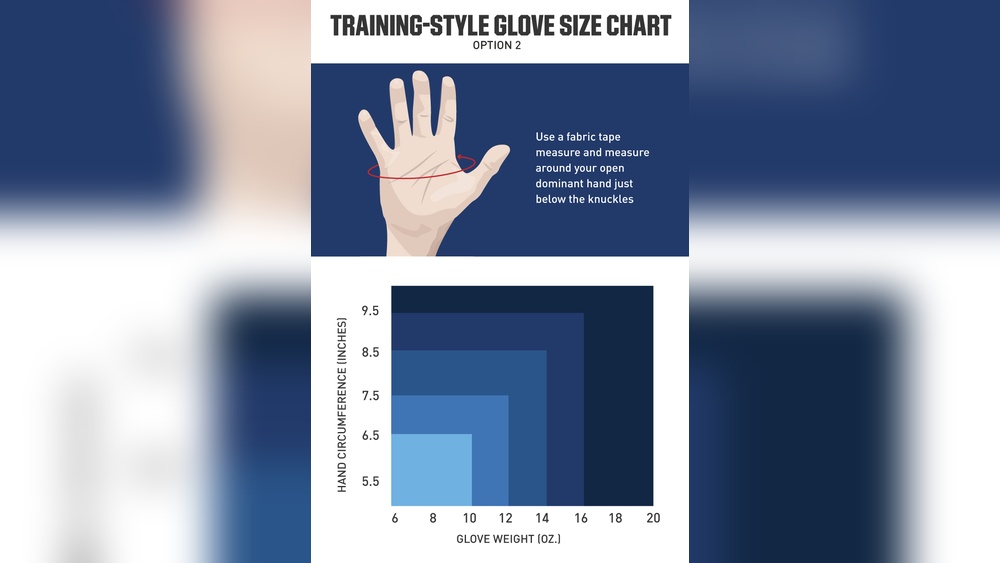
Wrap a soft measuring tape around the widest part of your hand. This is usually around the knuckles, excluding the thumb. Keep the tape snug but not tight. Note the number in inches or centimeters. This measurement shows your hand circumference. It helps match your hand size to the correct glove size.
Finding The Right Fit
Good gloves should feel snug but allow finger movement. They should not pinch or cause pain. Try gloves on if possible. Check if your fingers reach the glove’s end without extra space. Gloves that are too big reduce control. Too small gloves can hurt your hands during punches.
Using Hand Size Charts
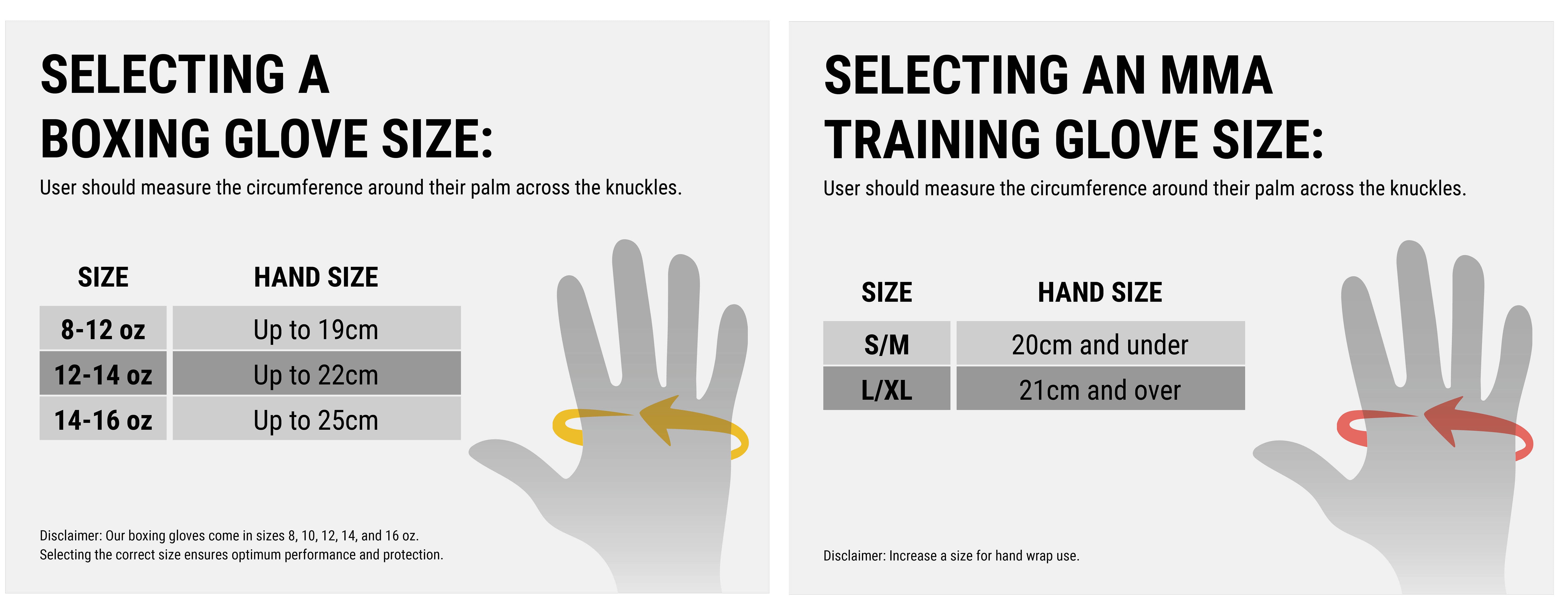
Use hand size charts from trusted brands. Compare your hand circumference with the chart’s glove sizes. Most charts show sizes in ounces, like 10oz or 14oz. Choose a size that matches your hand measurement and purpose. Training gloves often need more padding than competition gloves.
Types Of Boxing Gloves
Choosing the right boxing gloves depends on the type of training or event. Different gloves serve different purposes. Understanding the types helps you pick the best size and style.
Each glove type offers unique features for comfort, protection, and performance. Knowing these types guides your choice for safety and effectiveness.
Training Gloves
Training gloves are versatile and used for many exercises. They protect your hands during heavy bag work and mitt drills. These gloves usually have good padding for shock absorption. They come in various weights, often between 12 and 16 ounces. Choose training gloves for regular workouts and skill development.
Sparring Gloves
Sparring gloves focus on safety for both fighters. They have extra padding to reduce injury risk. These gloves are often larger, around 14 to 18 ounces. This size helps cushion blows during practice fights. Wearing sparring gloves protects your partner and keeps your hands safe.
Bag Gloves
Bag gloves are designed for hitting heavy bags. They have firmer padding to withstand impact. These gloves are lighter, usually 10 to 12 ounces. They offer less bulk for faster punches. Use bag gloves to improve speed and power without hurting your hands.
Competition Gloves
Competition gloves meet specific rules for matches. They are usually lighter and less padded than training gloves. Common weights are 8 to 10 ounces. These gloves help deliver quick, accurate punches. Choose competition gloves only for official fights or tournaments.

Credit: www.smai.com
Factors Influencing Glove Size
Choosing the right size for boxing gloves depends on several factors. These factors help ensure comfort, safety, and performance. Understanding them guides you to pick the perfect gloves for your needs.
Purpose Of Use
Different activities need different glove sizes. Training gloves are larger for extra padding. Competition gloves are smaller for speed and control. Sparring gloves protect both you and your partner. Knowing your main use helps select the right size.
User’s Weight And Strength
Your body weight affects glove size choice. Heavier users often need larger gloves with more padding. Strength also matters. Stronger punches require gloves that offer better shock absorption. This prevents injury and keeps hands safe.
Padding And Protection Needs
Gloves vary in padding thickness. More padding means more protection but less speed. Less padding offers more speed but less cushioning. Beginners usually need more padding to avoid injuries. Experienced boxers may choose thinner padding for better feel.
Testing Glove Fit
Testing the fit of boxing gloves is key to good performance and safety. Gloves that fit well protect your hands and wrists. They also help you train longer without pain. Take time to check how the gloves feel on your hands before buying or training. This ensures a better boxing experience and fewer injuries.
Checking Comfort And Flexibility
Put on the gloves and make a fist slowly. The gloves should feel snug but not tight. You want enough room to move your fingers inside. The material should stretch easily when you close your hand. If the gloves pinch or feel stiff, they are too small or not flexible enough. Comfort allows for better punches and faster hand movements.
Wrist Support Assessment
Wrap the gloves around your wrist and fasten them securely. The wrist should feel stable without cutting off circulation. Try moving your wrist up and down. The gloves should hold your wrist steady but still allow some movement. Good wrist support helps prevent sprains and injuries. Weak wrist support means the gloves may be too loose or poorly designed.
Ensuring Proper Hand Wrap Space
Wear your hand wraps under the gloves during testing. The gloves must fit well with the wraps on. There should be just enough space for the wraps without making the gloves too tight. If the gloves are too small, your wraps will feel squeezed. Proper space protects your knuckles and gives extra padding during impact. This keeps your hands safe during training and fights.
Adjusting For Personal Preferences
Choosing the right size boxing gloves is not just about measurements. Personal comfort plays a big role too. Adjusting gloves to your style and feel can improve your training and protection. Let’s explore some ways to customize your glove fit.
Looser Vs. Tighter Fit
Some boxers prefer a looser fit for more hand movement. It feels less restrictive and allows quick punches. Others want a tighter fit for better wrist support. A snug glove can help prevent injuries. Test both to see which feels best during your workout.
Glove Material Considerations
Leather gloves often stretch with use, so they might feel tighter at first. Synthetic gloves usually keep their shape longer. This affects how you size them. Think about how the material behaves before choosing your size. Comfort changes as gloves break in.
Brand Variations In Sizing
Each brand may have slight differences in glove sizes. One brand’s 14 oz might fit like another’s 16 oz. Check size charts carefully before buying. Trying on gloves from different brands can help find your perfect match. Don’t rely only on weight size.
Common Mistakes To Avoid
Choosing the right size boxing gloves is important for comfort and safety. Many beginners make common mistakes that lead to poor fit. Avoid these errors to get gloves that protect your hands and improve your training.
Choosing Size Based On Appearance
Do not pick gloves just because they look big or small. Size can be tricky to judge by eye alone. Gloves might seem right but feel tight or loose once worn. Always check the weight and measurements instead of guessing from looks.
Ignoring Hand Wrap Thickness
Hand wraps add extra padding and bulk to your hands. Buying gloves without considering wrap thickness can cause tightness. Measure your hand with wraps on before selecting glove size. This helps avoid buying gloves that feel too small or uncomfortable.
Overlooking Glove Purpose
Different gloves serve different needs like training, sparring, or competition. Each type requires a different size and padding level. Using the wrong glove for your activity can lead to injury or poor performance. Match glove size to its intended use for best results.
Frequently Asked Questions
What Factors Determine Boxing Glove Size?
Boxing glove size depends on your hand weight, intended use, and padding needed. Heavier gloves offer more protection. Choose size based on your weight and training type for best fit and safety.
How Do I Measure My Hand For Gloves?
Measure around your knuckles with fingers closed using a tape measure. This gives your hand circumference. Use this measurement to compare with glove sizing charts for accurate fit and comfort.
What Glove Size Is Best For Beginners?
Beginners usually start with 12 to 14-ounce gloves. These sizes provide good padding and wrist support. They balance protection and comfort for training and sparring sessions.
Can I Use Different Gloves For Training And Sparring?
Yes, training gloves are lighter for bag work. Sparring gloves are heavier with extra padding for safety. Use specific gloves to protect both you and your partner during practice.
Conclusion
Choosing the right boxing gloves size protects your hands and improves comfort. Measure your hand weight and purpose to find the best fit. Gloves that are too big or small can cause injuries or reduce performance. Always try gloves on before buying if possible.
Remember, proper fit helps you train better and stay safe. Take your time to pick gloves that suit your needs well. This simple step can make a big difference in your boxing experience.