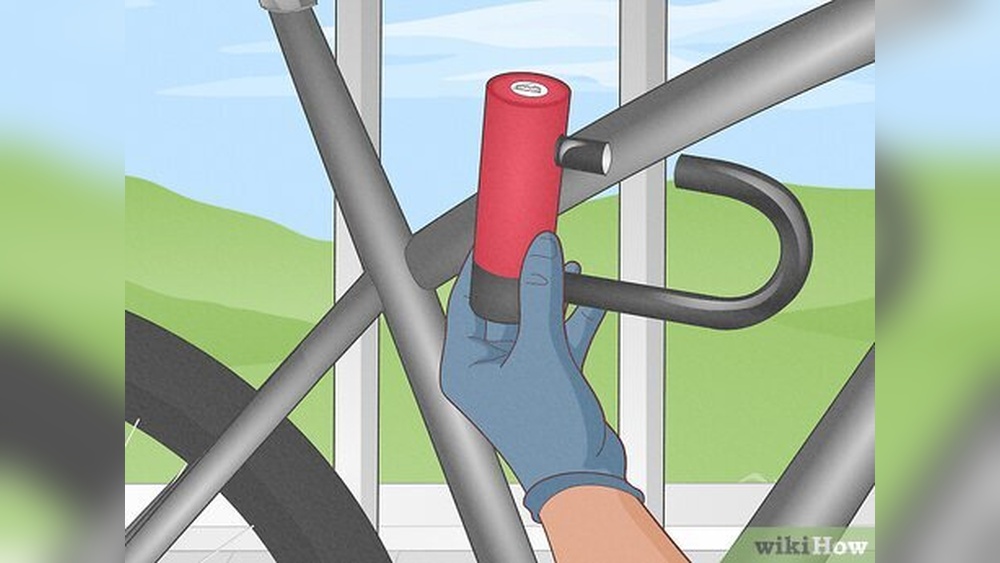
Have you ever rushed outside, ready to ride, only to find your bike lock frozen solid? It’s frustrating and can ruin your plans fast.
But don’t worry—there are simple, effective ways to get your lock working again without damage. You’ll discover easy steps to unfreeze your bike lock quickly and safely. Keep reading—you’ll be back on the road before you know it.

Credit: thebestbikelock.com
Causes Of Frozen Bike Locks
Frozen bike locks can stop you from riding your bike on cold days. Understanding why locks freeze helps you prevent this problem. Several factors cause bike locks to freeze, making them hard to open.
Weather Conditions Impact
Cold weather is the main cause of frozen bike locks. When temperatures drop below freezing, water inside the lock turns to ice. Wind and humidity can make this worse. Frost can build up quickly on locks left outside.
Moisture And Freezing
Water enters the lock through rain, snow, or humidity. Inside the lock, this water freezes and expands. Ice blocks the lock’s moving parts. Even small amounts of moisture can cause the lock to freeze.
Lock Material And Design
Some locks freeze more than others. Metal locks conduct cold faster, making ice form inside quickly. Locks with tight designs trap water inside, increasing freezing risks. Simple designs with drainage holes freeze less often.

Credit: concortrains.com
Tools For Thawing A Bike Lock
Thawing a frozen bike lock requires the right tools. Using proper items can speed up the process and prevent damage. Some tools are easy to find at home. Others are made specifically for this problem. Safety gear is important to protect your hands and skin. Let’s explore the common tools used for thawing a bike lock.
Common Household Items
Warm water helps melt ice inside the lock. Use a container to pour it gently over the lock. Hairdryers blow warm air to speed up thawing. Avoid using open flames, which can cause burns or damage. Rubbing alcohol lowers the freezing point and melts ice fast. Applying a small amount inside the lock can help.
Specialized Thawing Products
Lock de-icers are sprays made to remove ice quickly. They contain chemicals that melt frost in seconds. These sprays are safe for metal and lock parts. Silicone-based lubricants also help by loosening frozen parts. Some products include antifreeze to keep locks from freezing again. Use these products following the instructions on the label.
Safety Equipment
Wear gloves to protect hands from cold and chemicals. Safety glasses prevent splashes from getting into your eyes. Use tools carefully to avoid injuries or lock damage. Keep a towel nearby to dry the lock after thawing. Proper protection ensures a safe and smooth thawing process.
Step-by-step Thawing Methods
Frozen bike locks can stop your ride before it starts. Knowing how to thaw them quickly saves time and frustration. The following step-by-step methods use simple tools to unfreeze a bike lock safely. Each method targets the ice inside the lock to melt it effectively. Choose the best option based on what you have around.
Using Warm Water
Pour warm water slowly over the frozen lock. Avoid boiling water to prevent metal damage. Let the water sit for a few minutes. Try turning the lock gently after warming. Repeat if the lock remains stuck. This method softens ice inside the mechanism.
Applying Heat With A Hairdryer
Use a hairdryer on low or medium heat. Hold it close but not touching the lock. Move the dryer around the lock evenly. Warm air melts ice inside without harming the lock. Continue heating for several minutes. Test the lock carefully after warming.
Utilizing De-icer Sprays
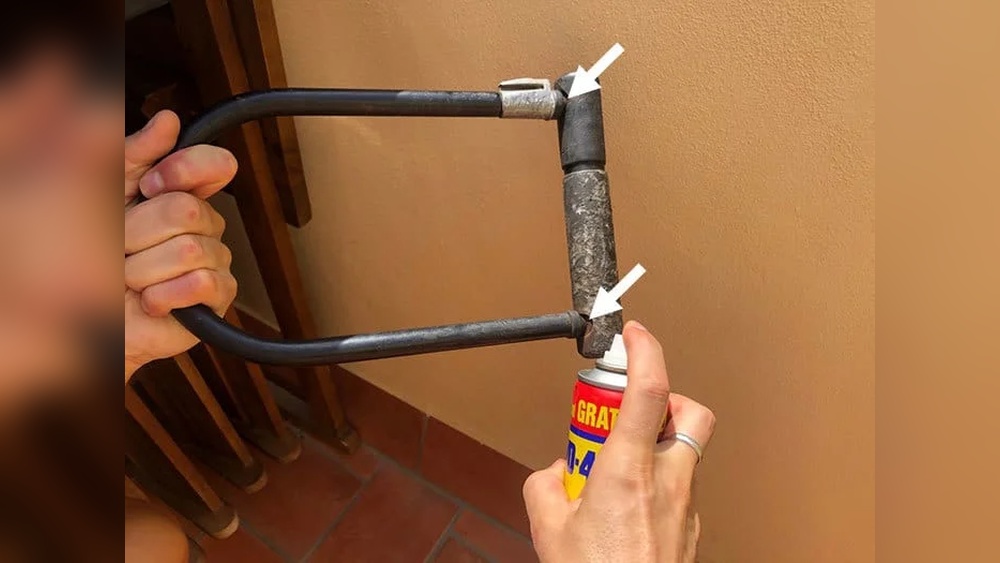
Spray a de-icer directly into the lock keyhole. These sprays are made to dissolve ice fast. Wait a few moments for the spray to work. Insert the key and turn gently. Repeat spraying if necessary. De-icer sprays are quick and effective.
Alternative Diy Techniques
Rub the lock with a warm cloth soaked in hot water. Use hand warmers wrapped around the lock for heat. Gently tap the lock with a rubber mallet to break ice. Warm the key by holding it in your hands. Insert the warm key carefully to avoid damage.
Preventing Future Lock Freezes
Preventing your bike lock from freezing saves time and frustration. Simple steps can keep your lock working smoothly in cold weather. Regular care helps avoid stuck locks during winter or rainy days.
Proper Lubrication Tips
Use a lock-specific lubricant to keep the mechanism smooth. Spray a small amount inside the keyhole and shackle. Avoid oil-based lubricants as they attract dirt and grime. Apply lubricant before cold weather starts for best results. Repeat every few months for ongoing protection.
Protective Covers And Shields
Cover your bike lock with a waterproof sleeve or lock cover. This stops water from entering and freezing inside. Choose covers made from durable materials that fit snugly. A simple plastic bag can work in emergencies. Keep the cover clean to prevent dirt buildup.
Storage Best Practices
Store your bike indoors or in a sheltered area when possible. Avoid leaving the lock exposed to rain, snow, or freezing wind. If outdoor storage is necessary, hang the lock off the ground. This reduces contact with wet surfaces. Dry the lock quickly after exposure to moisture.
When To Seek Professional Help
Sometimes, trying to fix a frozen bike lock can be tricky. Knowing when to call a professional saves time and stress. It also helps avoid further damage to your lock or bike. Here are key points to help decide when to seek expert help.
Identifying Serious Lock Damage
Look for signs like broken parts or rust inside the lock. If the key won’t turn after warming the lock, damage might be severe. Forced attempts can break the lock completely. Cracks or bent metal mean the lock is beyond simple fixes. Serious damage needs professional tools and skills.
Finding Reliable Locksmiths
Choose locksmiths with good reviews and experience with bike locks. Check if they offer emergency services for quick help. Ask about their methods to avoid damage to your bike. A trustworthy locksmith gives clear pricing and guarantees work. Avoid locksmiths who seem unsure or too expensive.
Cost Considerations
Professional help costs more than DIY methods but saves time. Compare prices from different locksmiths before deciding. Sometimes replacing the lock is cheaper than repair. Weigh the cost of repair against buying a new lock. Remember, a good lock protects your bike better.
Credit: www.reddit.com
Frequently Asked Questions
How Can I Safely Thaw A Frozen Bike Lock?
To safely thaw a frozen bike lock, use warm water or a hairdryer on low heat. Avoid hot water or flames to prevent damage. Gradual warming helps loosen ice inside the lock without harming its mechanism.
What Household Items Help Unfreeze A Bike Lock?
Household items like rubbing alcohol, hand sanitizer, or WD-40 can unfreeze a bike lock. Apply a small amount inside the keyhole to melt ice and lubricate the lock. These items help restore smooth operation quickly and safely.
Why Does My Bike Lock Freeze In Winter?
Bike locks freeze due to moisture inside the lock mechanism that turns to ice in cold temperatures. Exposure to rain or snow increases this risk. Freezing blocks the key from turning, making the lock difficult to open.
Can I Prevent My Bike Lock From Freezing Again?
Yes, prevent freezing by regularly lubricating your lock with graphite or silicone spray. Keep your bike covered or stored indoors during cold weather. Avoid moisture buildup by wiping the lock dry after rain or snow.
Conclusion
Freezing bike locks can be frustrating and inconvenient. Using warm water or a hairdryer helps melt the ice quickly. Avoid using sharp tools that can damage the lock. Applying lubricant after thawing keeps the lock working smoothly. Regular maintenance prevents freezing in cold weather.
Stay patient and gentle when handling frozen locks. Taking these simple steps saves time and stress. Keep your bike secure, no matter the season.