Have you ever been stuck trying to open your bike lock, twisting the dials over and over with no luck? A jammed combination bike lock can be frustrating, especially when you need to get moving quickly.
But don’t worry—unlocking it doesn’t have to be a headache. In this guide, you’ll discover simple, step-by-step tricks to get your lock working again. Keep reading, and you’ll save time, avoid damage, and get back on the road faster than you thought possible.

Credit: www.youtube.com
Identify The Jam Cause
Identifying the cause of a jam in a combination bike lock is the first step to fixing it. Knowing the problem helps you choose the right way to solve it. The jam might be simple or more complex. Checking carefully can save time and effort.
Check For Dirt And Debris
Look closely at the lock for dirt or small debris. Dust, sand, or tiny stones can get inside. These particles can block the lock’s moving parts. Use a soft brush or cloth to clean the surface. Removing dirt often frees up the lock easily.
Inspect The Lock Mechanism
Examine the lock’s moving parts carefully. See if anything is bent or stuck inside. Sometimes the metal parts wear out or get damaged. Try to move the shackle gently to feel where it sticks. Knowing the stuck spot helps fix the jam faster.
Assess The Combination Dials
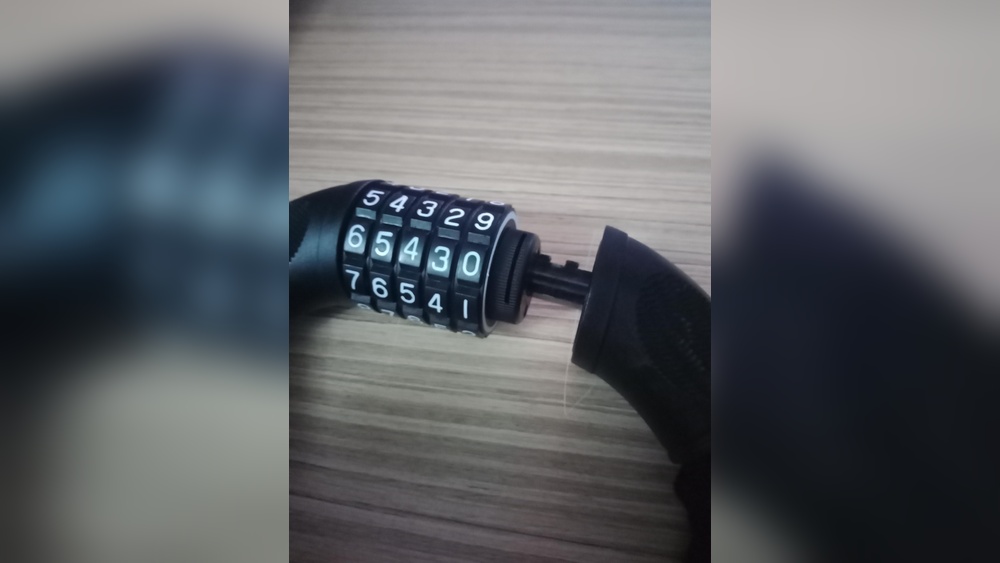
Check each dial for smooth movement. Dials that are hard to turn can cause the lock to jam. Make sure the numbers line up correctly with the marker. Sometimes a dial slips or gets out of place. Resetting or aligning the dials can clear the jam.

Credit: thebestbikelock.com
Basic Unjamming Techniques
Basic unjamming techniques help fix your combination bike lock quickly. These methods work well for common jams caused by dirt or rust. Simple steps can save time and avoid damage to the lock.
Try each technique carefully. Patience is key to prevent breaking your lock or hurting yourself.
Apply Lubricant
Use a small amount of lubricant on the lock’s moving parts. Spray or drip it into the dials and shackle joints. Lubricant reduces friction and loosens rust or dirt stuck inside. Avoid using too much to prevent messes or attracting more dirt. Let it sit for a few minutes for best results.
Gently Wiggle The Dials
Move the dials slowly back and forth. This can help free stuck numbers or pins inside the lock. Avoid forcing the dials or turning them too hard. Gentle wiggling helps reset the lock’s mechanism and can make the combination easier to turn.
Use Compressed Air
Blow compressed air into the lock’s dials and keyhole area. This removes dust, dirt, and small particles that block the lock. Use short bursts of air and hold the can upright. Compressed air can reach places where lubricant can’t. Repeat as needed until the lock moves smoothly.
Advanced Fixes
Advanced fixes help when simple tricks do not work. These steps need more care and patience. They involve working inside the lock to restore its function. Follow the instructions carefully to avoid damage.
Resetting The Combination
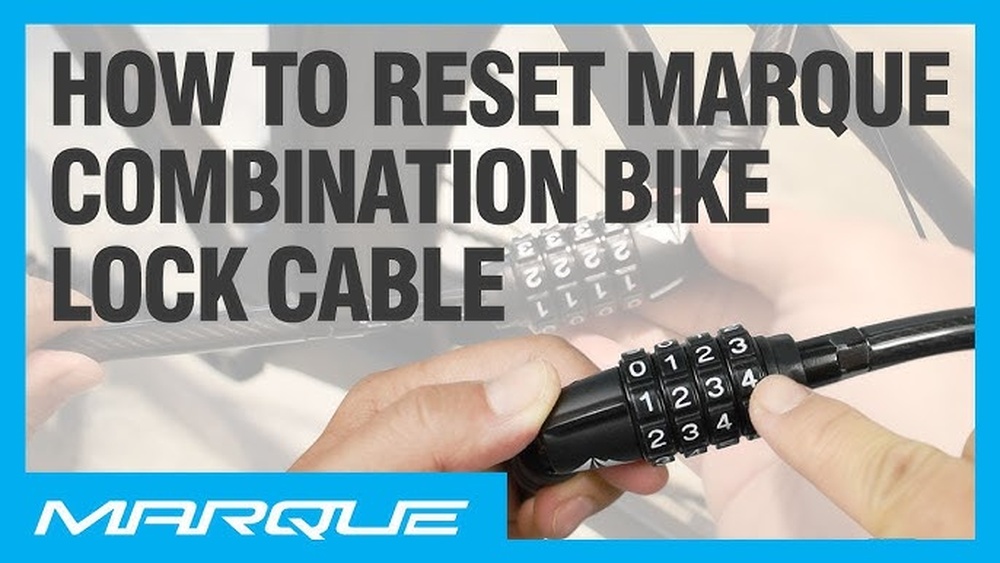
Start by finding the reset tool or button. Some locks have a small hole or lever for this. Turn the dials to the current combination. Press or insert the reset tool as required. Change the numbers to a new code. Release the tool and test the new combination. This can fix errors caused by wrong codes.
Disassembling The Lock
Use small screwdrivers to open the lock casing. Keep all parts organized to avoid losing them. Look for screws or clips holding the lock together. Gently separate the outer shell from the inner parts. This gives you access to the mechanism inside. Be careful not to force anything.
Realigning The Internal Components
Inspect the gears and wheels inside the lock. Dust or dirt can cause misalignment. Move the parts to their correct positions. Check that the wheels turn smoothly with the dials. Clean any debris with a soft brush or cloth. Put the lock back together and try the combination again.
Preventing Future Jams
Preventing future jams in your combination bike lock saves time and stress. Simple care steps keep the lock working smoothly. Regular attention stops dirt and rust from building up. Proper habits protect your lock from damage and wear.
Regular Cleaning Routine
Clean your lock often to remove dust and grime. Use a soft cloth and mild soap. Avoid harsh chemicals that can harm the lock parts. Dry the lock completely after cleaning. This stops moisture from causing rust inside the mechanism.
Proper Storage Tips
Store your bike and lock in a dry place. Avoid leaving the lock outside during rain or snow. Cover the lock if you cannot bring it indoors. Keeping it dry prevents rust and freezing in cold weather. Also, avoid placing heavy items on the lock to prevent bending.
Choosing Quality Locks
Select locks made with strong materials and good design. Cheap locks often jam or break easily. Look for locks with smooth-turning dials and rust-resistant parts. Investing in quality means fewer problems and longer lock life. Check reviews and ratings before buying a new lock.
When To Seek Professional Help
Knowing when to seek professional help is important for your bike lock. Some problems require expert skills and tools. Trying to fix serious issues on your own may cause more damage. Understanding the signs can save time and money.
Signs Of Irreparable Damage
Look for cracks or broken parts on the lock. If the dials no longer turn or feel stuck, it may be beyond repair. Rust can also cause serious harm to the lock’s mechanism. If your lock shows these signs, it likely needs professional attention.
Finding A Locksmith
Choose a locksmith with experience in bike locks. Ask for recommendations from friends or local bike shops. Check online reviews to ensure they are trustworthy. A skilled locksmith can open or fix your lock without causing damage.
Cost Considerations
Professional help costs vary based on the lock type and damage. Some locksmiths charge a flat fee, others by the hour. Compare prices before deciding. Sometimes, replacing the lock is cheaper than repair. Think about the value and security of your bike too.
Credit: www.youtube.com
Frequently Asked Questions
How Do I Know If My Combination Lock Is Jammed?
If your lock won’t turn or the dial feels stuck, it’s likely jammed. Dirt, rust, or misalignment often cause this.
What Tools Help Unjam A Combination Bike Lock?
Use lubricant like WD-40, a small brush, and a tension wrench. These tools loosen debris and help reset the lock mechanism.
Can I Fix A Jammed Lock Without The Combination?
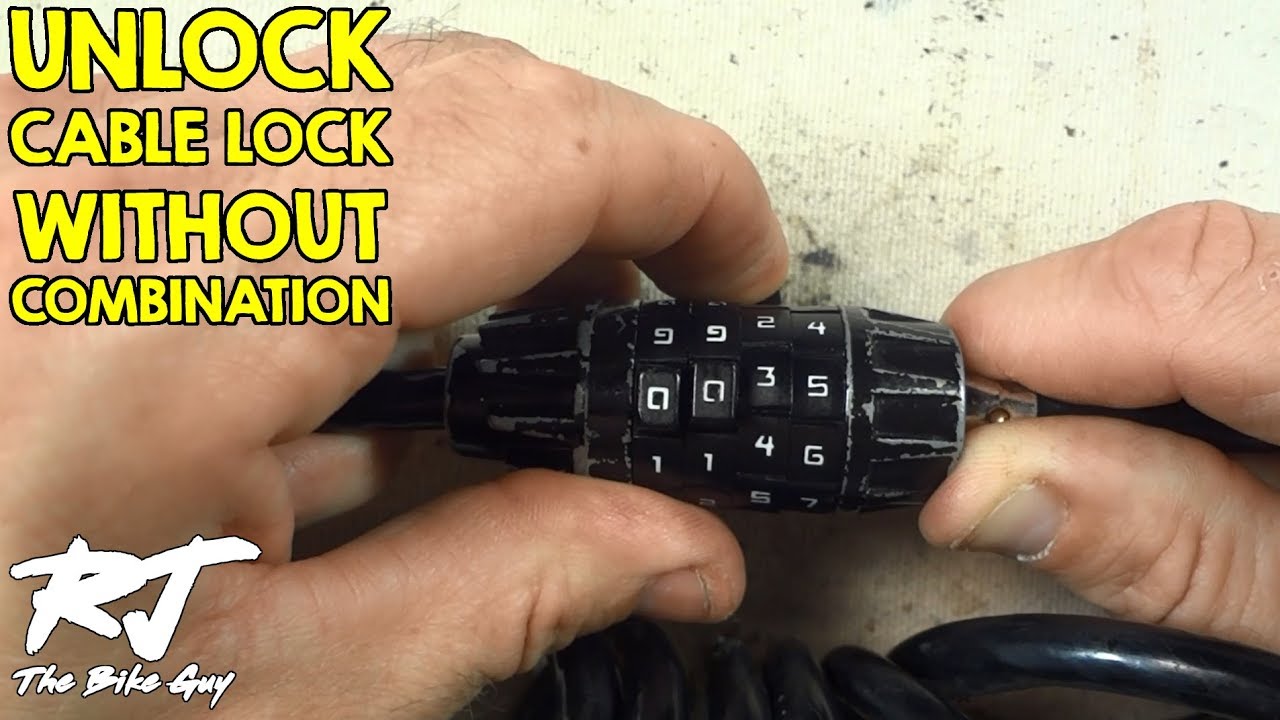
Yes, try applying lubricant and gently turning the dial. Avoid forcing it, as this can cause further damage.
How To Prevent My Combination Lock From Jamming?
Regularly clean and lubricate your lock. Store it in dry places and avoid exposure to dirt and moisture.
Conclusion
Jammed bike locks can cause real frustration. Take your time and try the steps carefully. Small moves often fix the problem. Use gentle pressure and avoid force. This helps protect your lock and bike. Regular cleaning keeps the lock working well.
Remember, patience and care go a long way. Keep these tips in mind next time. Your bike will stay safe and secure. Simple actions make all the difference.