You’ve just reached for your bike lock, but no matter how hard you try, it won’t budge. Your key won’t turn, or maybe you forgot the combination.
Frustrating, isn’t it? Knowing how to unlock a cable bike lock quickly and safely can save you time, stress, and even money. Whether your lock is stuck, you lost the key, or the combination slips your mind, this guide will walk you through simple, effective steps to get your bike free without damage.
Keep reading, because you deserve to get back on the road without hassle—and we’re here to show you exactly how.

Credit: www.youtube.com
Common Causes Of Locked Cable Bike Locks
Many cyclists face issues with locked cable bike locks. Understanding the common causes helps solve the problem quickly. Some locks fail due to mechanical problems. Others get stuck because of environmental factors. Knowing these causes prevents frustration and saves time.
Key Won’t Turn
The key may not turn due to internal lock damage. Dirt or rust inside the lock can block the key’s movement. Sometimes, the key is worn down and won’t fit properly. Applying a small amount of lubricant can help free the key. Gently wiggling the key might also realign the lock parts.
Combination Forgotten
For combination locks, forgetting the code is common. Without the right numbers, the lock stays shut. Writing down combinations or storing them safely prevents this issue. Some locks allow a reset if the original combination is known. Otherwise, professional help may be needed to open the lock.
Lock Frozen Or Stiff
Cold weather can freeze the lock mechanism. Water inside the lock freezes and stops parts from moving. Stiff locks may also result from lack of lubrication. Using rubbing alcohol can melt ice and dry the lock quickly. Regular lubrication keeps the lock smooth and prevents stiffness.
Debris Inside Keyhole
Dirt, sand, or small debris can enter the keyhole. This blocks the key from entering fully or turning. Clearing the keyhole with a thin wire or toothpick removes the blockage. Avoid pushing debris further inside. Keeping the lock covered helps prevent dirt buildup.
Quick Fixes For Stuck Locks
Stuck cable bike locks cause frustration and delay. Quick fixes can often solve the problem fast. These simple steps help free the lock without special tools or damage. Try these easy methods first to save time and effort.
Lubricating The Lock
Use a spray lubricant designed for locks. Insert the nozzle into the keyhole. Apply a small amount inside the lock. Wait a few minutes for it to work. Then, try to turn the key gently. Lubrication reduces friction and loosens stuck parts.
Clearing Dirt And Debris
Dirt or debris can block the key from entering fully. Use a thin tool like a toothpick or a small wire. Carefully remove any visible dirt from the keyhole. Blow air into the lock to clear dust. Clean keyholes allow smooth key movement.
Using Alternative Lubricants
Graphite powder works well if spray lubricants are unavailable. It is dry and won’t attract dust. Rubbing alcohol helps if the lock is frozen. It dries quickly and removes moisture inside. Apply with a dropper or small cloth carefully.
Wiggling The Key Or Lock
Insert the key fully and wiggle it gently. Move the key back and forth with light pressure. Sometimes the lock pins need slight adjustment. Try turning the key slowly while wiggling. This method often realigns stuck internal parts.
Methods To Open Without A Key
Opening a cable bike lock without a key requires patience and the right approach. Various methods exist to help release the lock without causing unnecessary damage. Understanding these techniques can save time and effort when the key is lost or unavailable.
Some methods focus on manipulating the lock’s mechanism, while others involve tools designed to cut or pry the lock. Each approach depends on the lock type and available equipment. Below are practical ways to open a cable bike lock without a key.
Manipulating The Combination Dials
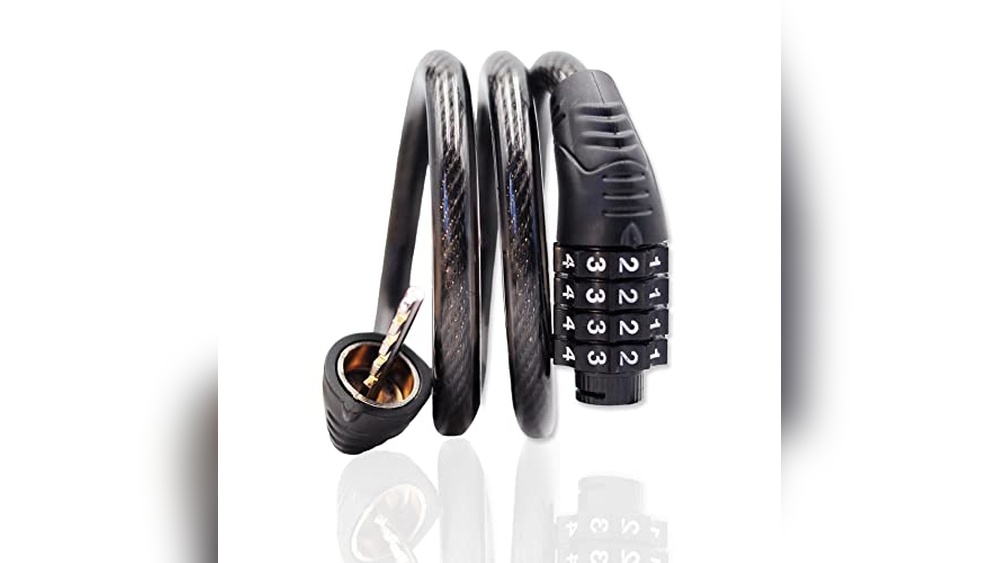
Start by spinning each dial slowly. Feel for slight resistance or clicks indicating the correct number. Align all dials carefully to match the lock’s code. This process can take time, but it often works if the combination is forgotten rather than unknown.
Use gentle pressure to avoid damaging the lock. Try small adjustments and listen for subtle sounds. Sometimes the lock will release once the right combination is set.
Using Bypass Cutters For Cable Locks
Bypass cutters are designed to cut through thin metal cables quickly. Position the cutter jaws around the cable near the lock. Apply steady pressure until the cable snaps. This method is fast and effective for cable locks but requires the right tool.
Wear safety gloves to protect your hands. Ensure the area around the lock is clear before cutting. This method damages the lock, so use it only when necessary.
Employing Bolt Cutters Or Hacksaws
Bolt cutters can slice through thicker cables and lock parts. Place the cutters at the weakest point on the cable or lock body. Squeeze the handles firmly to break the metal. A hacksaw can also cut through cables but takes longer and requires effort.
Work carefully to avoid injury. Use eye protection if using a hacksaw. This method is suitable for heavy-duty locks that resist simpler tools.
Using A Flat-headed Screwdriver For Leverage
A flat-headed screwdriver can help pry open the lock in some cases. Insert the tip into the gap between the lock body and cable. Apply gentle twisting or levering motions to loosen the mechanism. This method works best on older or less secure locks.
Avoid using too much force to prevent breaking the screwdriver. This technique requires patience and a steady hand.

Credit: www.instructables.com
When To Break The Lock
Knowing when to break a cable bike lock is important. Sometimes, a lock gets stuck or lost, and no other option remains. Breaking the lock should be the last choice after trying all other methods.
Breaking the lock can damage your bike or the lock itself. Use the right tools and follow safety steps to avoid injury or damage. Also, prove that the bike is yours before cutting the lock. This helps avoid legal trouble.
Choosing The Right Cutting Tools
Select tools based on the lock type and thickness. For cable locks, heavy-duty bolt cutters often work well. They provide enough force to cut through cables quickly.
For thicker locks, use an angle grinder or a hacksaw. Angle grinders cut faster but need more skill and safety gear. Hacksaws are slower but safer for beginners.
Safety Precautions During Cutting
Wear safety glasses to protect your eyes from sparks and flying debris. Use gloves to shield your hands from sharp edges. Ear protection is a good idea if you use noisy tools like grinders.
Cut the lock in a clear space to avoid harming others. Keep bystanders away while cutting. Always follow the tool manufacturer’s safety instructions carefully.
Documenting Ownership Before Cutting
Take photos of your bike and the locked area. Keep receipts or proof of purchase for your bike. This helps prove ownership in case of disputes.
Record a short video showing the lock and bike before cutting. This creates evidence that you are not stealing the bike. It also protects you from legal issues later.
Preventing Lock Issues
Preventing issues with your cable bike lock saves time and keeps your bike secure. Simple steps can stop problems before they start. Regular care and smart habits keep locks working well and avoid frustrating jams or freezes.
Regular Maintenance Tips
Clean your lock often to remove dirt and dust. Use a soft brush or cloth to wipe it down. Apply lubricant to the keyhole and moving parts. This keeps the lock smooth and easy to use. Check the lock for rust or damage regularly. Fix small problems before they get worse.
Proper Storage To Avoid Freezing
Store your bike lock in a dry place during cold weather. Avoid leaving it outside overnight in freezing temperatures. Moisture inside the lock can freeze and block the mechanism. Use a lock cover or plastic bag if you must leave it out. Warm the lock gently before use if it feels stiff from cold.
Using High-quality Locks
Choose locks made with strong materials like hardened steel. Higher quality locks resist cutting and breaking better. They also have better internal parts that last longer. Invest in a well-reviewed brand for reliable security. A strong lock reduces the risk of getting stuck or broken.
Seeking Professional Help
Sometimes, unlocking a cable bike lock can be too difficult to handle alone. Seeking professional help can save time and prevent damage to your bike. Experts have the right tools and experience to assist quickly and safely.
Knowing when and how to get professional help is important. It ensures your bike stays secure while solving the lock issue efficiently.
When To Call A Locksmith
Call a locksmith if your key is lost or the lock is jammed. Locksmiths can pick or remove locks without damaging your bike. They have special tools that work on various lock types. Avoid forcing the lock to prevent harm to your bike or lock.
Finding A Trusted Bike Shop
Choose a bike shop with good reviews and local reputation. A trusted shop can offer professional lock removal services. They may also provide replacement locks and advice on better security options. Visit shops near your location to get faster help.
What Information To Provide
Provide clear details about the lock type and the problem you face. Mention if the lock is a cable, U-lock, or combination lock. Share the lock brand and model if known. This helps professionals prepare the right tools and approach before arrival.

Credit: www.amazon.com
Frequently Asked Questions
How To Unlock A Bike Lock That Is Stuck?
Lubricate the lock with graphite or WD-40 spray. Insert the key fully, wiggle it gently while applying light pressure. Clear debris with a thin tool if needed. Use rubbing alcohol for frozen locks. If it remains stuck, seek professional help or use appropriate cutting tools carefully.
How To Unlock A Cable Wire?
To unlock a cable wire, insert the key fully and turn gently while wiggling. Lubricate the lock to ease stiffness. Clear debris from the keyhole using a thin tool. If unsuccessful, use heavy-duty cutters or contact a locksmith for help.
How To Lock A Bike With Unlock And Cable Lock?
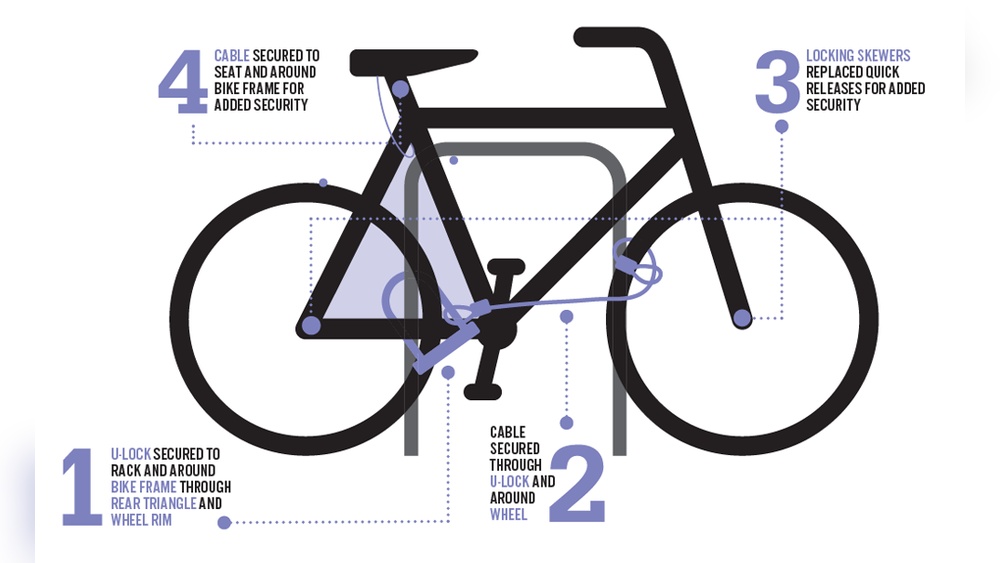
Thread the cable through your bike frame and a secure object. Insert the lock’s end into the cable lock. Turn the key or set the combination to lock it securely. Always double-check the lock engages properly before leaving your bike.
What Do I Do If I Lost The Key To My Bike Lock?
Try gently wiggling the key while applying light pressure. Clear debris from the keyhole with a thin tool. Lubricate the lock with rubbing alcohol. If it still won’t open, use heavy-duty cutters or contact a locksmith for help.
Conclusion
Knowing simple tricks can help free your bike from a stuck cable lock. Try cleaning and lubricating the lock before forcing it open. Using the right tools carefully can save time and effort. When all else fails, seek help from a locksmith or bike professional.
Always keep your lock’s combination or keys in a safe place. Taking these steps ensures you can access your bike without damage. Stay patient, and remember safety comes first during any unlocking attempt.