Have you ever found yourself staring at your Master Lock bike lock, heart pounding, because you forgot the combination? It’s frustrating, stressful, and can feel like you’re locked out of your own bike.
But don’t worry—you’re not alone, and unlocking your Master Lock without the original code is possible. In this guide, you’ll discover simple, step-by-step methods to regain access, whether you want to retrieve your forgotten combination or try a manual technique to crack the lock.
Keep reading, and you’ll soon have your bike free and ready to ride again.

Credit: www.masterlock.com
Master Lock Basics
Understanding the basics of a Master Lock bike lock helps with using it properly. These locks protect your bike from theft and come in different styles. Each type has unique features to suit various needs. Knowing these details makes handling the lock easier.
Types Of Master Locks
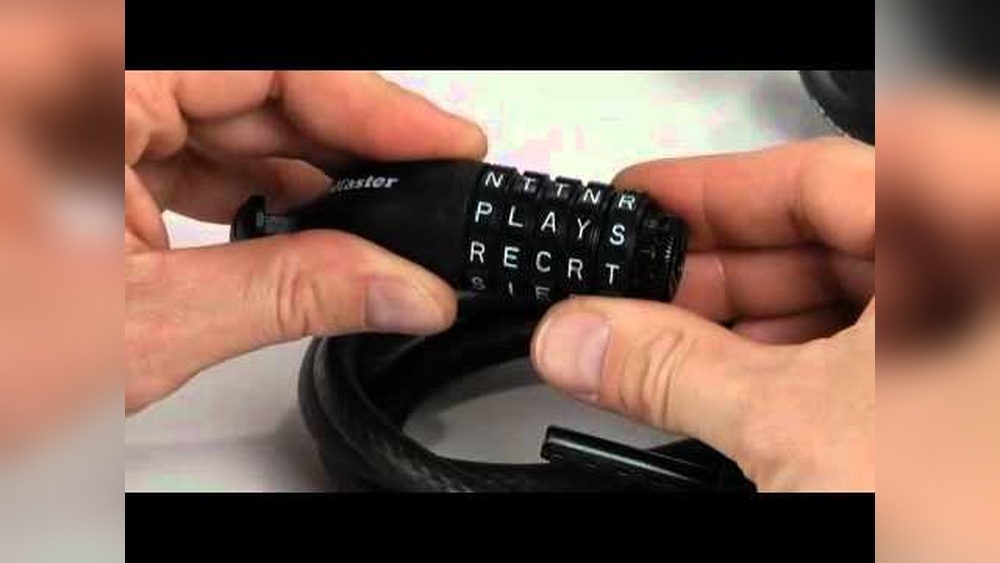
Master Locks come mainly in two types: combination and key locks. Combination locks use dials with numbers to open. You turn the dials to the correct code. Key locks need a physical key to unlock. Both types are popular for securing bicycles.
Combination locks often have three or four dials. Each dial has numbers from 0 to 9. Key locks usually have a sturdy metal body with a keyhole. Some locks combine both methods for extra security.
Common Features
Most Master Locks share common features. They have a hardened steel shackle that resists cutting. The lock body is strong to prevent break-ins. Many models are weather-resistant to last outdoors.
The locking mechanism is simple to use but secure. Dials on combination locks turn smoothly for easy code entry. Key locks have keys that fit precisely to avoid jamming. Some locks include anti-shim technology to block picking attempts.
Credit: www.youtube.com
Retrieving Forgotten Combinations
Forgetting the combination of your bike lock can be frustrating. Retrieving the forgotten code is possible through a simple process with Master Lock. It involves proving ownership and submitting a request. This section explains how to get your lost combination step-by-step.
Locating The Serial Number
The serial number is essential for recovering your combination. Look on the lock’s body, usually near the shackle or on the back. It is a series of numbers and letters unique to your lock.
Write down the serial number carefully. This number helps Master Lock identify your lock and retrieve the combination.
Filling Out The Lost Combination Form
Visit the Master Lock website and download the Lost Combination Form. Fill in your personal details, the serial number, and proof of purchase if available. Accuracy is important to avoid delays.
Double-check all the information before submitting the form. This step ensures your request is processed smoothly.
Notarizing And Submitting The Form
Take the completed form to a notary public. The notary will verify your identity and ownership of the lock. This step protects against unauthorized requests.
After notarization, mail the form to the address provided by Master Lock. Wait for their response with your combination details.
Manual Unlocking Techniques
Manual unlocking techniques help open a Master Lock bike lock without the combination. These methods use touch and feel to find the right code. Patience and practice improve success rates. Each step involves careful handling of the lock’s dials and shackle tension.
Applying Tension To The Shackle
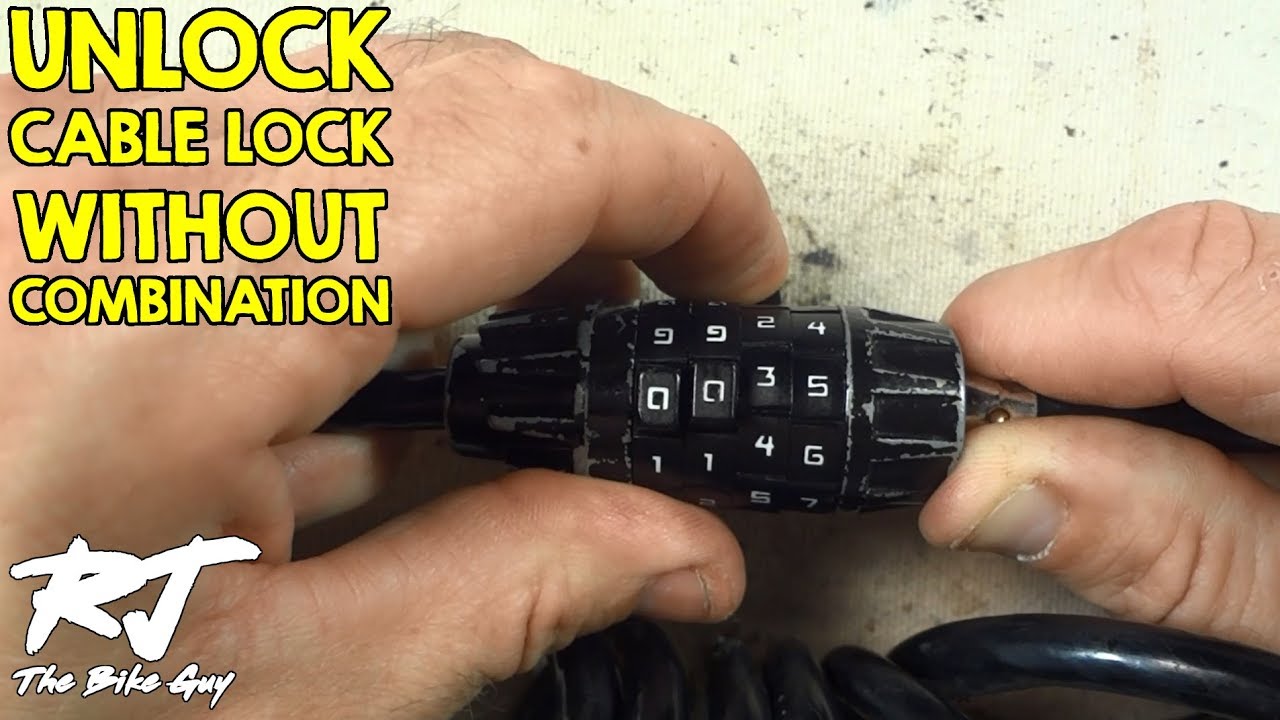
Start by pulling up on the shackle gently. Keep steady pressure while turning the dials. This tension reveals which dial resists movement the most. The lock becomes easier to manipulate with the right tension applied.
Finding The Binding Dial
Rotate each dial slowly while maintaining tension. One dial will feel tighter or harder to turn. This dial is the binding dial and guides the unlocking process. Focus on this dial to find the correct number.
Locating The True Gate
Turn the binding dial back and forth carefully. Feel for a small click or drop in resistance. This point is the true gate, where the shackle moves slightly. Mark this number as part of the combination.
Opening The Lock Step-by-step
Repeat the process for each dial in order. Apply tension, find the binding dial, and locate its true gate. After setting all dials correctly, the lock will open with a small pull on the shackle. Take your time and stay patient for best results.
Credit: www.masterlock.com
Resetting Your Master Lock Combination
Resetting your Master Lock combination helps you secure your bike with a new code. This process is simple and lets you choose a code you can easily remember. Follow these steps carefully to reset the combination and keep your lock safe.
Default Combination Codes
Most Master Locks come with a preset code from the factory. Usually, this default code is easy to find in the lock’s instructions or on the packaging. Common default combinations include “0-0-0-0” or “1-2-3-4”. Start with the default code to open the lock before resetting it.
Using The Reset Button Or Lever
Look for a small reset button or lever on the lock’s side or bottom. Use a small tool or the tip of the shackle to press or move it. Hold it down or slide it to the reset position. This action unlocks the dials for setting a new code. Be sure to keep the reset button pressed until you finish setting your new combination.
Setting A New Combination
Turn the dials to your desired numbers while holding the reset button or lever. Choose a code that is easy for you to remember but hard for others to guess. Avoid simple sequences like “1-2-3-4” or repeated numbers. After setting the new code, release the reset button or lever to lock in your new combination.
Locking And Storing Your Code
Close the shackle and scramble the dials to lock your new combination. Test the code by opening and closing the lock a few times. Write down your new combination and keep it in a safe place. This step helps you avoid forgetting the code and protects your bike from theft.
Alternative Unlocking Methods
Sometimes, standard methods to open a bike lock fail. Alternative unlocking methods can help in these cases. These techniques use simple tools or tricks to open the lock without the original combination or key. Understanding these methods can save time and effort.
Picking The Lock With Household Items
Household items like paper clips or bobby pins can help pick a lock. Straighten the item and bend one end to form a small hook. Insert this hook into the lock’s keyhole. Apply gentle tension with one hand. Use the hook to feel for pins inside. Push the pins up one by one until the lock clicks open. This method requires patience and a steady hand.
Using A Plastic Pen Technique
A plastic pen can sometimes open a bike lock shackle. Remove the ink tube from the pen. Cut the plastic tube to a short length. Heat the plastic slightly to soften it. Press the soft plastic around the lock’s shackle. Let it harden and form a mold. Pull the plastic mold to release the shackle. This technique works best on plastic-coated shackles.
When To Seek Professional Help
Some locks are too difficult to open with simple tools. Avoid damaging your bike or lock by trying too hard. A locksmith has the right tools and skills to open tough locks safely. Contact a professional if the lock won’t budge after several attempts. They can also help replace the lock if needed. Getting expert help saves time and stress.
Preventing Future Lockouts
Preventing future lockouts keeps your bike secure and saves time. Simple steps help avoid forgetting your combination. Careful recording and regular care of your lock make a big difference. Follow these tips to keep your lock easy to open and reliable.
Recording Your Combination Safely
Write your combination down and store it in a safe place. Avoid keeping it on your phone or computer where it can be lost. Use a small notebook or a dedicated card for combinations. Keep this record separate from your bike or lock. This way, you reduce the risk of losing your code and facing a lockout.
Using Combination Storage Tools
Use tools designed to store combinations securely. Some apps offer encrypted storage for codes. Physical combination holders can attach to your bike or keychain. These tools keep your code handy but protected from others. Choose a method that fits your daily routine and feels safe.
Regular Lock Maintenance Tips
Clean your lock regularly to prevent dirt buildup. Use a mild lubricant to keep dials turning smoothly. Avoid using oil that attracts dust and grime. Check your lock for any damage or wear. Proper care extends the life of your lock and ensures easy opening every time.
Frequently Asked Questions
What To Do If You Forgot The Code To Your Master Lock?
Locate your lock’s serial number and submit a notarized Lost Combination Form on Master Lock’s website. Alternatively, apply tension to the shackle and find each dial’s “true gate” by feeling for clicks while turning dials slowly. Repeat until the lock opens.
What Is The Default Code For The Master Lock Bike Lock?
The default code for a Master Lock bike lock is usually 0-0-0-0. You can reset it to a personalized combination.
How To Unlock Bike Lock When Lost Key?
Apply steady tension on the shackle. Slowly turn each dial to find the “true gate” where tension eases. Repeat for all dials until it opens. Alternatively, submit a Lost Combination Form with proof of ownership to the lock manufacturer for assistance.
How To Properly Unlock A Master Lock?
To properly unlock a Master Lock, apply upward tension on the shackle. Slowly rotate each dial to find the binding dial. Turn it back and forth to locate the “true gate. ” Repeat for all dials, then open the lock when all “true gates” align.
Conclusion
Unlocking a combination bike lock takes patience and focus. Apply steady tension on the shackle while turning each dial carefully. Feel for small clicks or looseness to find the correct numbers. This step-by-step approach helps avoid damage to the lock.
If the combination is lost, use the lock’s serial number to request help from the manufacturer. Always keep your code written down in a safe place to prevent future issues. Practice these methods calmly, and you will gain confidence in handling your bike lock.
Safe and smooth unlocking is possible with careful effort.