You’ve invested in a great bike, so protecting it should be a top priority. But simply having a bike lock isn’t enough.
Using it the right way can mean the difference between keeping your bike safe and losing it to theft. In this guide, you’ll discover easy, practical tips that anyone can follow to lock their bike correctly every time. Stick with me, and you’ll learn how to make your bike nearly impossible to steal—giving you peace of mind wherever you go.
Choosing The Right Bike Lock
Choosing the right bike lock is key to protecting your bike. A good lock stops thieves and gives peace of mind. Different locks offer different levels of security and convenience. Knowing what to pick helps keep your bike safe in various places.
Types Of Bike Locks
There are several types of bike locks. U-locks are strong and hard to break. Chain locks use thick chains and heavy-duty locks. Cable locks are light but less secure. Folding locks fold into a small shape for easy carrying. Each type suits different needs and risks.
Lock Strength And Security Ratings
Locks have security ratings to show their strength. Ratings come from tests by independent labs. Higher ratings mean better protection. Choose locks rated for the risk level of your area. A low-rated lock might protect in low-risk zones but not in busy cities.
Materials And Durability
Lock materials affect strength and durability. Hardened steel resists cutting and sawing. Some locks have extra layers to stop rust and weather damage. Avoid cheap metals that break easily. Durable materials keep your lock working for years.

Credit: thebestbikelock.com
Preparing Your Bike For Locking
Preparing your bike before locking it is very important. It helps protect your bike from theft. Taking a few simple steps ensures the lock works well. Follow these tips to make your bike secure.
Selecting The Best Locking Points
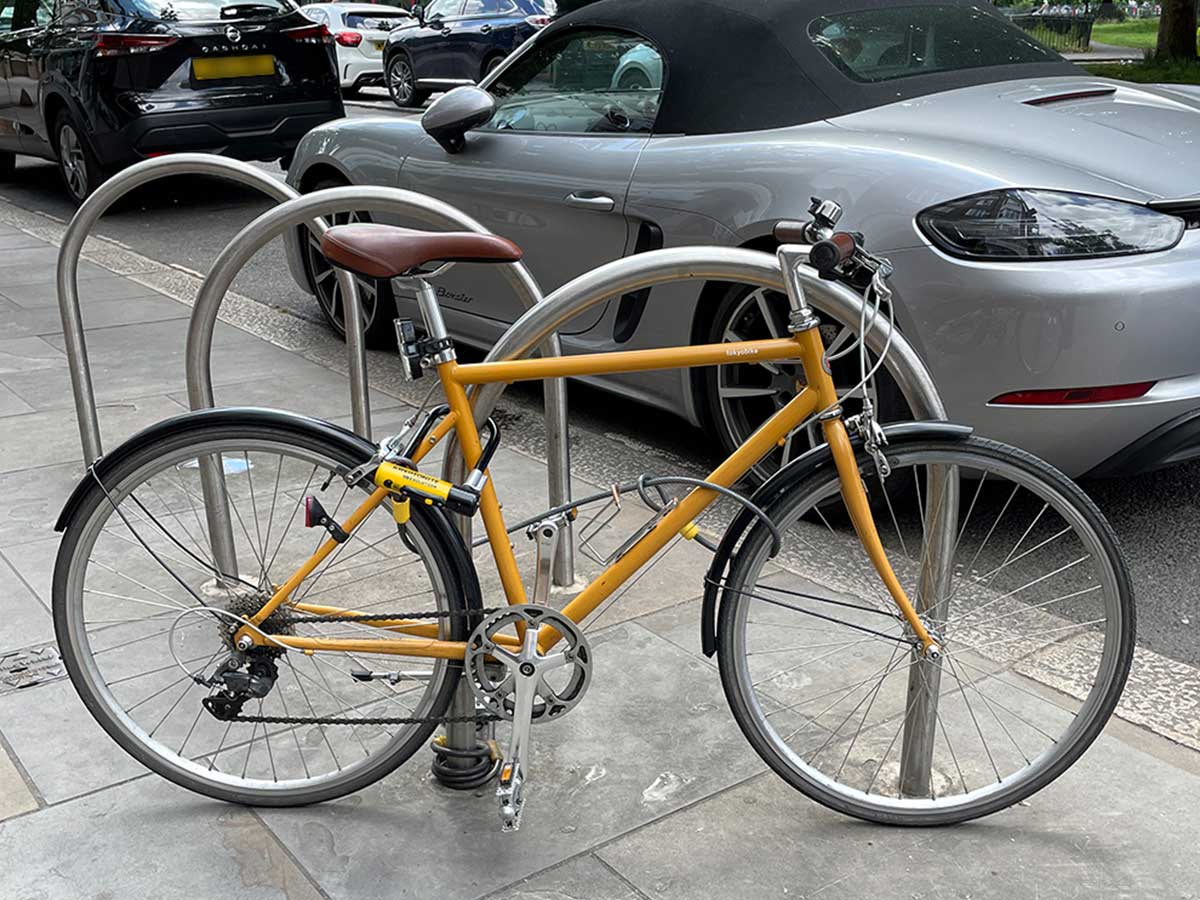
Choose a strong, fixed object to lock your bike to. Look for metal poles or bike racks. Avoid weak or movable items like wooden posts. Make sure the object is close to the ground. This stops thieves from lifting your bike.
Removing Accessories
Take off any removable items from your bike. This includes lights, bags, and quick-release wheels. Thieves can easily take these parts. Keep them with you to avoid losing them. This also makes your bike less attractive to thieves.
Positioning Your Bike
Place your bike close to the locking point. The frame and wheels should be near the lock. Position the bike so the lock is off the ground. This makes cutting the lock harder. Keep the bike steady to prevent it from falling.
Locking Techniques
Locking your bike properly stops thieves from taking it. Using the right techniques helps keep your bike safe. A good lock and smart locking methods work together.
This section explains key ways to lock your bike well. Follow these tips to protect your bike better.
Securing The Frame And Wheels
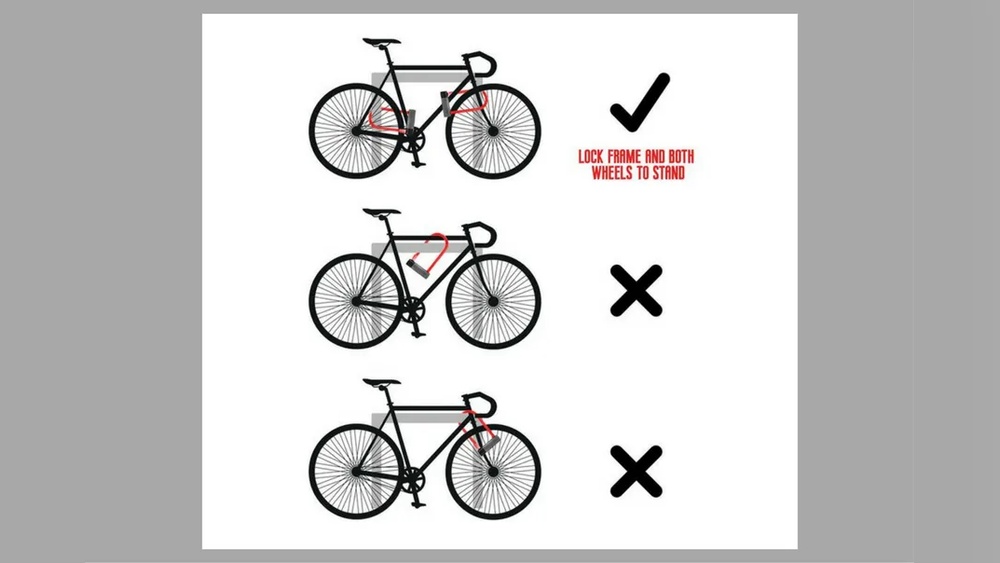
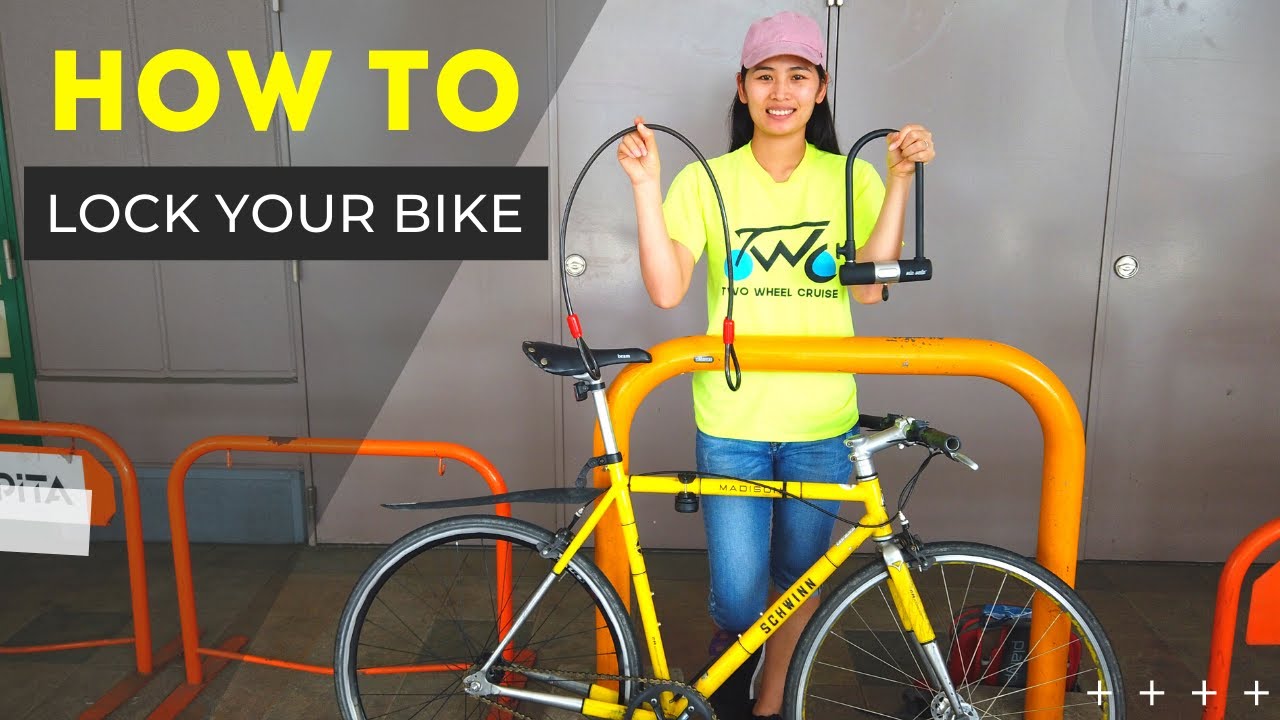
Always lock the frame to a solid object. The frame is the strongest part of your bike. Include at least one wheel in the lock. This stops thieves from taking parts separately. Use a U-lock or heavy chain for the frame.
Using Multiple Locks
Use two different locks for better security. One lock can secure the frame and rear wheel. The other can lock the front wheel. Different lock types slow down thieves. It takes more time to break two locks.
Avoiding Common Locking Mistakes
Do not lock only the front wheel or seat. These parts can be easily removed. Avoid locking to weak or removable objects. Check the lock position; keep it off the ground. Thieves find it easier to break locks on the ground. Always double-check your lock before leaving.
Credit: www.youtube.com
Choosing A Safe Location
Choosing a safe location for your bike is as important as using a strong lock. A good spot lowers the chance of theft. It helps keep your bike visible and less tempting for thieves. Picking the right place makes your bike safer every time you leave it.
High-traffic Areas
Park your bike where many people pass by. Thieves avoid busy places because they can get caught. More eyes on your bike mean less risk. Busy streets, near shops, or cafes are good choices.
Well-lit And Visible Spots
Choose places with strong lighting at night. Dark spots hide thieves and their tools. Bright areas make it hard for thieves to work unnoticed. Make sure your bike is easy to see from all sides.
Using Designated Bike Racks
Use bike racks made for locking bikes. They give a solid place to lock your frame and wheels. Avoid trees or poles that can be cut or removed. Proper racks make locking easier and safer.
Maintaining Your Bike Lock
Maintaining your bike lock keeps it working well and extends its life. A well-kept lock protects your bike better. Regular care prevents rust and jams. It also helps you avoid costly replacements. Simple steps keep your lock smooth and reliable.
Cleaning And Lubrication
Clean your bike lock often. Use a soft cloth to remove dirt and dust. Avoid harsh chemicals that can damage the lock. Apply a small amount of lubricant to the keyhole and moving parts. Use a lubricant made for locks or silicone spray. This keeps the lock turning smoothly and stops rust.
Inspecting For Damage
Check your lock regularly for signs of damage. Look for cracks, rust, or bent parts. Test the key and locking mechanism. If the lock feels stiff or the key sticks, it may need repair or replacement. Catching problems early helps keep your bike safe.
Storing The Lock Properly
Store your bike lock in a dry place when not in use. Avoid leaving it outside in rain or snow. Moisture causes rust and damages the lock. Use a protective cover or bag to keep dirt away. Proper storage keeps the lock ready for use at any time.
Credit: www.pedalsure.com
Additional Security Tips
Using a bike lock is important, but extra steps help protect your bike better. These tips add layers of security. They increase the chances of recovering your bike if it is stolen. Follow these simple and effective methods to keep your bike safe.
Registering Your Bike
Register your bike with a local or national database. This makes it easier to prove ownership. Police can track stolen bikes through these records. Keep a copy of your bike’s serial number and photos. Share this information when you register. It helps identify your bike quickly.
Using Gps Trackers
Place a small GPS tracker on your bike. It helps locate your bike if it is taken. Some trackers have apps that show real-time locations. Choose one that is hidden and hard to remove. This extra tool improves the chance of recovery.
Insurance Options
Consider getting bike insurance for theft protection. Insurance covers the cost if your bike is stolen. Check the policy details before buying. Some policies cover damage too. This gives peace of mind and financial safety.
Frequently Asked Questions
How Do I Choose The Right Bike Lock?
Choose a lock based on your bike’s value and theft risk. U-locks offer strong protection. Cable locks are flexible but less secure. Consider lock weight and ease of use.
Where Should I Secure My Bike Lock?
Always lock your bike to a sturdy, immovable object. Avoid thin poles or trees. Secure both frame and wheels to prevent theft. Choose well-lit, busy areas for added safety.
How Tight Should I Lock My Bike?
Lock your bike snugly to minimize movement. A tight lock prevents thieves from leveraging tools. Avoid forcing the lock, as it may damage it or your bike.
Can I Use One Lock Or Need Multiple?
Using two different locks increases security. One lock for the frame, another for wheels is ideal. Thieves often avoid bikes with multiple locks due to complexity.
Conclusion
Using a bike lock the right way keeps your bike safe. Always lock your frame and wheels to a solid object. Choose a busy, well-lit spot to park your bike. Double-check your lock before leaving. Small actions make a big difference in preventing theft.
Stay aware and protect your bike every time. Safe rides start with smart locking habits. Your bike deserves good care and attention. Keep these tips in mind for peace of mind.