Are you ready to protect your hands and boost your boxing performance, even when you don’t have gloves? Wrapping your hands correctly is the secret to preventing injuries and giving your punches more power.
But if you’ve never wrapped your hands before, it can feel tricky and confusing. Don’t worry—you’re about to learn a simple, step-by-step way to wrap your hands that keeps your knuckles, wrists, and fingers safe. Keep reading, and you’ll discover how this easy technique can make a big difference in your training and confidence in the ring.
Benefits Of Hand Wrapping
Hand wrapping is a key step before boxing without gloves. It gives your hands extra care and support. Wrapping helps avoid injuries and improves your boxing technique. It makes your hands stronger and safer during training or fights.
Understanding the benefits of hand wrapping shows why it is important. It protects your hands in many ways. Wrapped hands can handle more impact and reduce pain. This simple step can save you from long-term damage.
Protecting Knuckles And Joints
Hand wraps add a soft layer around knuckles. This layer absorbs shock when you punch. It lowers the risk of cuts and bruises. Wrapping also keeps joints tight and safe. This prevents sprains and strains in fingers and knuckles.
Enhancing Wrist Support
Wrist support is crucial during punches. Hand wraps hold your wrist in place. They stop your wrist from bending too much. This reduces pain and the chance of injury. Strong wrist support helps deliver powerful punches safely.
Improving Punch Stability
Wrapped hands stay firm and steady. This stability improves your punch accuracy. It also helps you hit with more force. Stable hands reduce the risk of slipping or mis-hits. Better control means better performance in boxing.
Credit: homelifts.sa
Materials Needed
Wrapping your hands is key to protect your knuckles and wrists during boxing. Using the right materials makes the process easier and safer. The materials you pick affect comfort and protection. This section covers the basic items needed for hand wrapping without gloves.
Choosing The Right Wraps
Hand wraps come in different lengths and materials. Cotton wraps are soft and breathable. They offer good support and absorb sweat well. Some wraps have a bit of stretch. These provide a snug fit without cutting off circulation. Choose wraps that are at least 180 inches long for full hand coverage. Avoid wraps that are too thin or too stiff. They may cause discomfort or tear easily.
Optional Accessories
You can use small accessories to make wrapping easier. Hand wrap tape helps keep wraps in place. It adds extra security to the wrist area. Gel knuckle pads provide extra cushioning for the knuckles. They fit under wraps to reduce impact. A wrap winder or clip can keep your wraps tidy after use. These tools are not necessary but improve the experience.
Preparing Your Hands
Preparing your hands is the first step before wrapping them for boxing without gloves. Clean and healthy hands help prevent infections and injuries. Proper preparation also makes the wrapping process easier and more effective. Take your time to get your hands ready.
Cleaning And Drying
Start by washing your hands with warm water and soap. Remove dirt, sweat, and oils from your skin. Clean hands reduce the risk of irritation under the wraps. After washing, dry your hands completely using a clean towel. Moisture can cause the wraps to slip or become uncomfortable. Dry hands help the wraps stay in place during training.
Checking For Injuries
Examine your hands carefully before wrapping. Look for cuts, bruises, or swelling. Wrapping over open wounds can cause pain and infections. Swollen areas may get worse with tight wraps. If you find injuries, treat them first or skip wrapping. Healthy hands ensure safe and comfortable boxing practice.
Credit: www.youtube.com
Basic Wrapping Technique
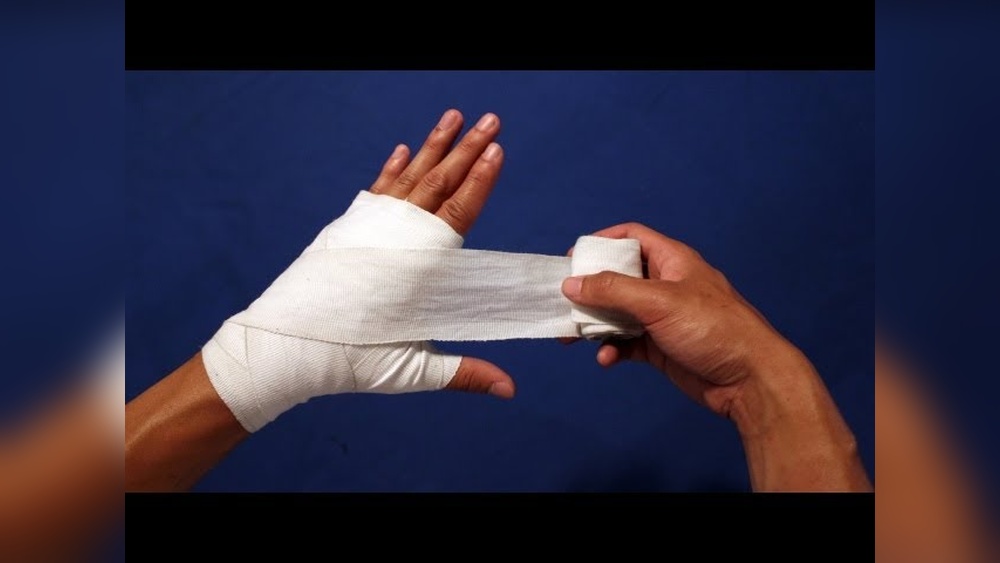
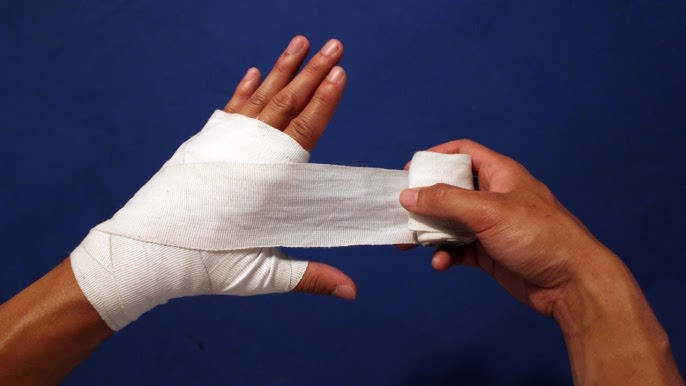
Wrapping hands protects your skin and bones during boxing. It supports your wrist and knuckles. This basic wrapping technique is simple and effective. Follow these easy steps to wrap your hands without gloves.
Starting At The Wrist
Begin by placing the wrap around your wrist. Wrap it two or three times to build a solid base. Keep the wrap snug but not too tight. This step supports your wrist and prevents injury.
Wrapping The Knuckles
Next, bring the wrap up to cover your knuckles. Wrap around your knuckles three to four times. Make sure the wrap covers all knuckles evenly. This layer cushions your knuckles during punches.
Securing The Thumb
Wrap around your thumb once to keep it stable. Do not pull too tight to avoid cutting off circulation. The thumb wrap adds extra support and keeps the wrap in place.
Finishing The Wrap
Bring the wrap back down to your wrist. Wrap around the wrist again two or three times. Secure the end with the Velcro or tape. Check your wrap for comfort and firmness. Your hands are now ready for boxing without gloves.
Advanced Wrapping Methods
Advanced wrapping methods provide extra protection for your hands during boxing. They improve stability and reduce injury risk. These techniques go beyond basic wraps and focus on key areas of your hands and wrists. You will learn patterns and tips to customize wraps to fit your unique hand size.
Figure-eight Pattern
The figure-eight pattern adds strong support between your wrist and fingers. Start by wrapping around your wrist twice. Then wrap diagonally across your palm, looping between your thumb and index finger. Repeat this motion to create a strong X shape. This pattern keeps your hand tight and stable during punches.
Additional Wrist Support
Extra wrist support helps prevent sprains and twists. Wrap the band around your wrist more times than usual. Pull the wrap tight but not too tight to cut off circulation. Secure the wrap with the Velcro or tape. This method keeps your wrist firm and reduces movement that can cause injury.
Customizing For Hand Size
Everyone’s hands are different in size and shape. Adjust the length of the wrap to fit your hand perfectly. For smaller hands, use less wrap and tighten more around fingers. Larger hands need more wrap to cover the knuckles and wrist. Test the wrap by making a fist. It should feel supported but comfortable.

Credit: www.healthline.com
Common Mistakes To Avoid
Wrapping hands correctly protects your knuckles and wrists during boxing. Many beginners make mistakes that reduce this protection. Avoid these errors to keep your hands safe and comfortable.
Wrapping Too Tight Or Loose
Wrapping too tight cuts off blood flow and causes pain. It also limits hand movement. Wrapping too loose means little support and more injury risk. Find a balance. The wrap should feel snug but not painful.
Skipping Key Areas
Some skip wrapping important parts like the knuckles or wrist. These areas need extra padding and support. Wrap around the knuckles well to protect them from impact. Secure the wrist to prevent sprains.
Ignoring Comfort
Comfort matters during training. Uncomfortable wraps distract and reduce focus. Adjust the wrap until it feels good. Your hands should not feel numb or itchy. Comfortable wraps help you train longer and safer.
Maintaining And Caring For Wraps
Proper care keeps your hand wraps fresh and ready for every boxing session. Dirty wraps can cause skin problems and reduce their lifespan. Clean wraps protect your skin and maintain support during training. Follow simple steps to wash and store your wraps correctly.
Washing Tips
Hand wraps get sweat and dirt after each use. Wash them regularly to avoid bad smells and bacteria. Use cold water to prevent shrinking. Choose a mild detergent that is gentle on fabric. Avoid bleach or strong chemicals that damage the material. Hand washing is best, but machine washing on a gentle cycle works too. Let wraps air dry flat. Do not use a dryer as heat can weaken the fabric.
Storage Suggestions
Store your wraps in a clean, dry place. Avoid leaving them in your gym bag after training. Damp wraps grow bacteria and smell bad. Roll them neatly to save space and prevent tangles. Use a small pouch or container to keep them clean. Keep wraps separate from shoes and other dirty gear. Proper storage helps maintain their shape and durability.
Frequently Asked Questions
How Do You Wrap Hands For Boxing Without Gloves?
Start with clean, dry hands. Use a hand wrap, secure the wrist, wrap knuckles, then fingers. Finish by wrapping the wrist again. Ensure snug but not too tight for circulation. This protects your hands during boxing without gloves.
Why Wrap Hands Before Boxing Without Gloves?
Wrapping hands stabilizes bones and joints, reducing injury risk. It also provides wrist support and knuckle padding. Wrapping prevents skin abrasions and enhances punch impact absorption. This is vital when boxing without gloves for safety.
What Materials Are Best For Hand Wraps Without Gloves?
Cotton or elastic hand wraps are ideal. They offer flexibility, breathability, and durability. Elastic wraps provide better compression and comfort. Choose wraps about 180 inches long for adult hands. Good material ensures effective protection and comfort.
Can I Reuse Hand Wraps For Boxing Without Gloves?
Yes, hand wraps are reusable if kept clean and dry. Wash them regularly to avoid bacteria buildup. Proper care maintains their elasticity and support. Reusing wraps saves money and ensures consistent hand protection during boxing.
Conclusion
Wrapping your hands properly protects them during boxing practice. It helps keep your wrists and knuckles safe from injury. Practice the steps slowly until you feel comfortable. Use a clean, long wrap for the best support. Always check your wrap before training to ensure it feels secure.
Good hand wraps can improve your confidence while training. Keep your hands safe, and enjoy boxing more.


