Choosing the right boxing glove weight can make a huge difference in your training and performance. You might wonder why glove weight matters or how to pick the perfect one for your needs.
The truth is, the weight affects your speed, power, and even safety during workouts. If you want to get the most out of every punch and protect your hands, understanding glove weights is key. Keep reading to discover exactly what boxing glove weight means and how to choose the best fit for you.
Credit: fintechontheseas.com
Choosing Glove Weight
Choosing the right boxing glove weight matters for comfort and safety. Gloves come in many weights, each designed for different uses. Picking the right one helps improve training and protects hands better. Learn about the common options, how weight changes performance, and how to pick based on training type.
Common Glove Weight Options
Boxing gloves usually weigh between 8 and 20 ounces. Lighter gloves, like 8 or 10 oz, suit competitions and fast punches. Mid-weight gloves, around 12 oz, work well for general training and sparring. Heavier gloves, 14 oz and above, add more padding and protect hands during practice.
How Weight Affects Performance
Heavier gloves slow down your punches but increase protection. They help build arm strength and endurance. Lighter gloves allow faster hand speed and better technique. Choosing the correct weight balances speed and safety. Gloves that are too light can cause injuries. Too heavy gloves may tire you quickly.
Selecting Weight By Training Type
For bag work, use gloves between 12 and 16 oz to protect hands and wrists. Sparring needs gloves of 14 to 18 oz to protect both fighters. Competition gloves usually weigh 8 or 10 oz for speed and power. Beginners should start with 14 oz gloves to avoid injuries. Always pick gloves that fit well and feel comfortable.
Impact On Power And Speed
Boxing glove weight affects both power and speed in striking. Heavier gloves add resistance, while lighter gloves allow faster movement. Understanding how glove weight impacts your punches helps improve your training and performance.
Heavier Gloves And Punching Power
Heavier gloves increase resistance during punches. This resistance builds muscle strength over time. Stronger muscles create harder punches. Training with heavy gloves can improve your overall punching power. But heavy gloves may slow down your hand speed slightly.
Lighter Gloves And Hand Speed
Lighter gloves reduce weight on your hands. This allows faster punches and quicker combinations. Faster hand speed helps in defense and offense. Using light gloves improves your reaction time. However, lighter gloves offer less padding and protection.
Balancing Power And Agility
Choosing the right glove weight balances power and speed. Many boxers use heavier gloves for training strength. Then, switch to lighter gloves for sparring and matches. This balance develops both punching power and agility. It helps maintain speed without losing strength.
Glove Weight And Hand Protection
Choosing the right boxing glove weight affects how well your hands stay safe. Gloves come in different weights, each offering a unique level of protection. Heavier gloves usually have more padding. This padding helps protect your knuckles and wrists from impact. Lighter gloves feel faster but offer less cushioning. Understanding glove weight helps you protect your hands better during training or fights.
Padding Thickness And Safety
Thicker padding in gloves absorbs more shock. It lowers the chance of bruises and fractures. Heavier gloves often have denser padding, which spreads the force across a larger area. This reduces the stress on your knuckles and wrist joints. Proper padding also protects your opponent from serious injury. Safety improves with the right balance of padding and glove weight.
Injury Prevention With Proper Weight
Using gloves that are too light can increase injury risk. Less padding means harder impact on your hands. Gloves that are too heavy may tire your hands quickly. This can cause poor technique and accidents. Choosing the correct glove weight reduces strain and helps maintain good form. Well-fitted gloves support your wrists and knuckles, preventing sprains and fractures.
Wraps And Glove Compatibility
Hand wraps provide extra support inside gloves. They stabilize the wrist and knuckles during punches. Some gloves fit better with wraps due to their interior size. Heavy gloves might feel tight with thick wraps. Lighter gloves offer more space but less padding. Always match glove weight with suitable wraps for best protection. Proper fit keeps your hands secure and safe.
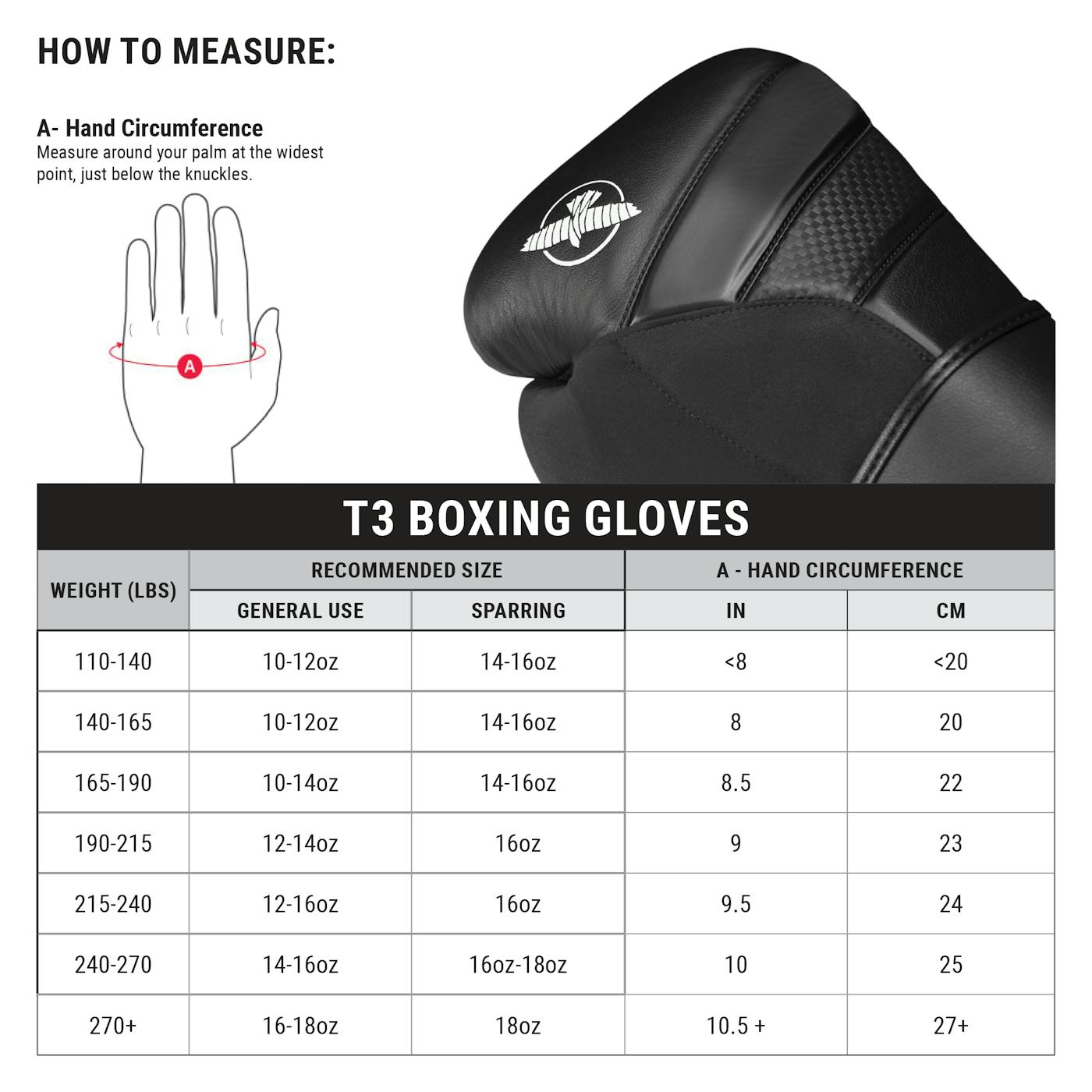
Weight Recommendations By Boxer Size
Choosing the right boxing glove weight depends on the boxer’s size and purpose. Gloves come in different weights, usually measured in ounces. Picking the correct glove weight helps with protection and performance. This guide breaks down glove weight recommendations by boxer size.
Glove Weight For Youth Boxers
Youth boxers need lighter gloves to fit their smaller hands. Gloves between 8 to 10 ounces work best. These gloves offer enough padding while allowing good hand movement. Using gloves that are too heavy can tire young fighters quickly.
Choosing Weight For Lightweight Fighters
Lightweight fighters often use gloves weighing 10 to 12 ounces. These gloves balance speed and protection well. They keep the hands safe without slowing punches. Lightweight boxers can train and compete effectively with these glove sizes.
Heavier Fighters And Glove Weight
Heavier fighters need gloves that offer more padding and support. Gloves from 14 to 16 ounces protect their larger hands and wrists. These gloves help absorb impact and reduce injury risk. Using heavier gloves also builds strength and endurance during training.
Training Vs Competition Gloves
Training gloves and competition gloves serve different purposes in boxing. Each type has its own weight and design to fit specific needs. Choosing the right gloves affects your performance and safety.
Differences In Weight And Design
Training gloves are heavier to protect your hands and your partner. They have more padding to absorb impact. Competition gloves are lighter and less padded. This helps deliver faster, harder punches. Training gloves often cover more of the wrist for support. Competition gloves focus on speed and precision.
When To Use Each Type
Use training gloves for practice, bag work, and sparring. They protect your hands during long sessions. Competition gloves are for official fights and tournaments only. They help meet rules and provide fair play. Wearing the right glove type improves your boxing experience.
Regulations For Competition Gloves
Boxing organizations set strict rules for competition gloves. Weight and size depend on the boxer’s weight class. Gloves must be approved by the event officials. This ensures safety and fairness during matches. Using unapproved gloves can lead to disqualification.
Material And Fit Considerations
Choosing the right boxing gloves involves more than just weight. The material and fit play key roles in comfort and performance. Gloves made of different materials feel and last differently. Fit impacts hand safety and punching power. Understanding these factors helps pick gloves that suit your needs.
Leather Vs Synthetic Gloves
Leather gloves offer strong durability. They soften over time, fitting your hand better. Leather is breathable, reducing sweat buildup during training. Synthetic gloves cost less and are lighter. They dry faster but may wear out sooner. Both types protect your hands well. Choose based on budget and how often you train.
How Fit Affects Glove Performance
Gloves that fit tight protect better. Loose gloves can shift and cause injury. A snug fit keeps your wrist stable. Good fit also improves punch control. Gloves that are too small hurt your hands. Proper fit balances comfort and safety. Try gloves on before buying to check fit.
Adjusting Fit For Comfort
Use hand wraps to improve glove fit. Wraps add padding and reduce glove looseness. Adjust the wrist strap for extra support. Padding inside gloves should cushion knuckles without tightness. If gloves feel too tight, try a larger size. Comfort helps you train longer and safer.
Tips For Testing Glove Weight
Choosing the right boxing glove weight is key for training and safety. Testing gloves before buying helps find the best fit. Proper glove weight supports your hands and improves performance. Here are some tips to test glove weight effectively.
Trying Gloves Before Buying
Always try gloves on before purchase. Different brands fit differently. Put gloves on and wrap your hands with hand wraps. Punch lightly to feel the glove’s weight and balance. Walk around to see how they feel during movement. Testing gloves helps avoid discomfort later.
Assessing Comfort And Mobility
Check if gloves feel comfortable around wrists and fingers. Gloves should not be too tight or loose. Move your hands to test flexibility. You need good wrist support but also easy movement. Gloves that feel heavy can slow your punches. Choose gloves that allow fast and smooth motion.
Consulting With Coaches And Experts
Ask coaches for advice on glove weight. They know what works best for different training types. Experts can suggest proper glove sizes and weights for your skill level. Their experience helps avoid common mistakes. Listen carefully and try recommended gloves. This step improves your glove choice.

Credit: ecoparkcampogrande.com.br

Credit: www.smai.com
Frequently Asked Questions
What Boxing Glove Weight Is Best For Beginners?
For beginners, 12 to 16-ounce gloves are ideal. They offer sufficient padding and protection while helping develop proper technique and strength.
How Does Glove Weight Affect Training?
Heavier gloves slow your punches, building arm strength and endurance. Lighter gloves improve speed but offer less protection during training.
What Glove Weight Is Suitable For Sparring?
14 to 16-ounce gloves are recommended for sparring. They provide adequate padding to protect both you and your partner from injury.
Which Glove Weight Is Used In Professional Fights?
Professional fighters typically use 8 to 10-ounce gloves. These gloves are lighter, allowing faster punches but less padding than training gloves.
Conclusion
Choosing the right boxing glove weight affects your training and performance. Lighter gloves help with speed and technique. Heavier gloves build strength and protect your hands. Consider your size, skill, and goals before deciding. Try different weights to see what feels best.
Comfort and safety matter most in boxing. Use this guide to pick gloves that suit you well. Keep practicing and enjoy your boxing journey.