Choosing the right boxing gloves size can make a huge difference in your comfort, safety, and performance. If you’ve ever felt unsure about which gloves to pick, you’re not alone.
Getting the size wrong can lead to hand injuries or affect your training results. But don’t worry—this guide will help you find the perfect fit for your hands and your goals. Keep reading, and you’ll discover exactly what size you should get to boost your boxing experience.
Boxing Glove Sizes Explained
Choosing the right boxing glove size is important for comfort and safety. Gloves that fit well protect your hands and wrists. They also help you train better and avoid injuries. Understanding glove sizes helps you pick the perfect pair for your needs.
Boxing gloves come in different weights and sizes. These sizes relate to your hand size and the glove’s weight. Knowing the basics makes buying gloves easier.
Weight And Measurement Basics
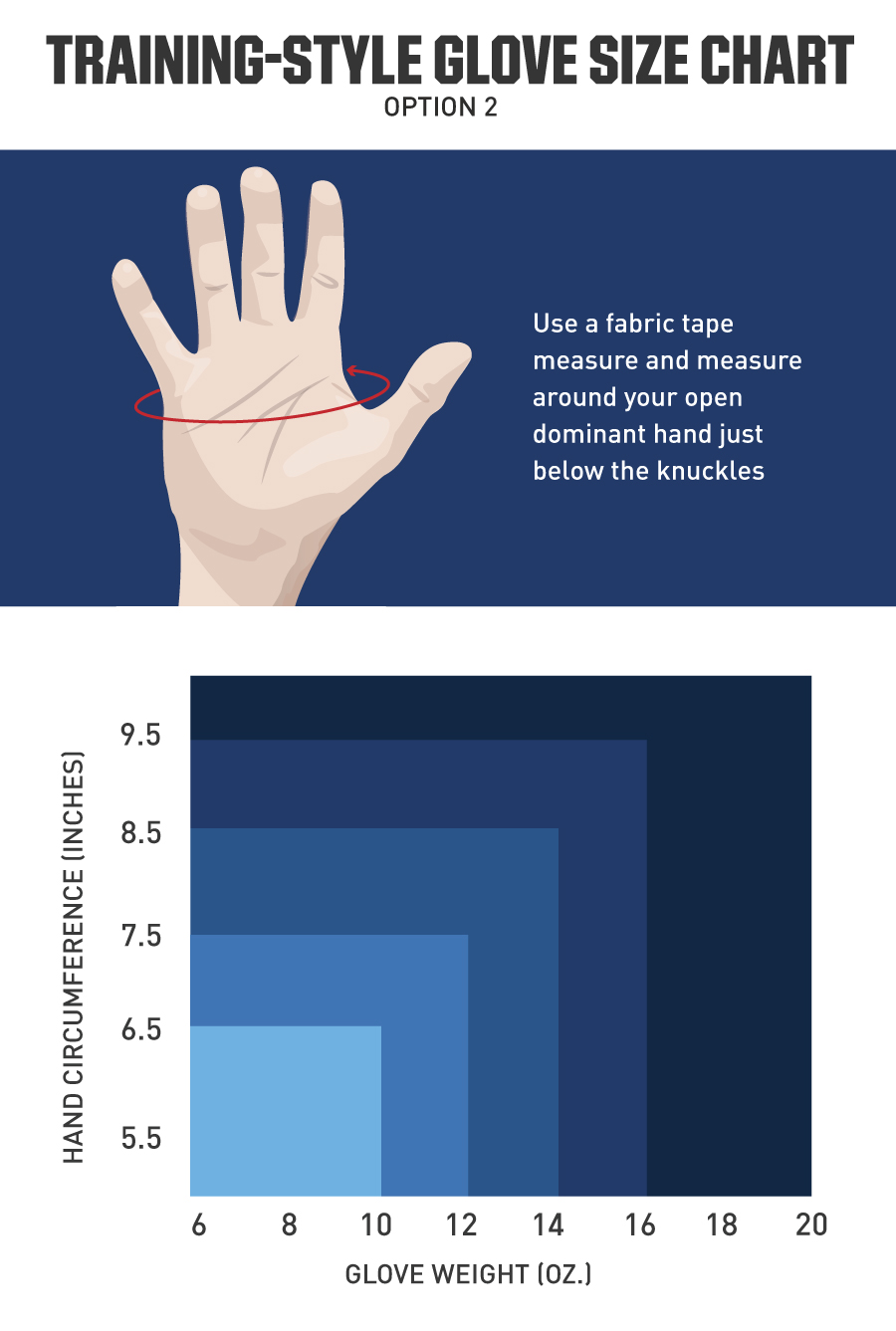
Boxing gloves are measured by weight in ounces (oz). Common weights range from 8 oz to 20 oz. Heavier gloves offer more padding and protection. Lighter gloves allow faster hand movements. The right weight depends on your training or fighting style.
Hand circumference is another key measurement. Measure around your knuckles with your hand closed. This helps find gloves that fit snugly but not tight. Proper fit ensures better control and comfort.
Common Glove Sizes
Standard glove sizes include 8 oz, 10 oz, 12 oz, 14 oz, and 16 oz. Beginners often choose 12 oz or 14 oz for training. Fighters usually wear 8 oz or 10 oz for matches. Heavier gloves like 16 oz are popular for sparring. They protect you and your partner during practice.
Choosing the right size depends on your weight and purpose. Heavier gloves add bulk but protect better. Lighter gloves offer speed but less padding.
Differences Between Youth And Adult Sizes
Youth gloves are smaller and lighter than adult gloves. They fit smaller hands and provide less padding. Youth sizes usually range from 6 oz to 10 oz. These gloves help young boxers train safely and comfortably.
Adult gloves start at 8 oz and go up to 20 oz. They offer more protection and durability. Adults need gloves that match their hand size and strength. Using the right size improves performance and safety.
Credit: www.dickssportinggoods.com
Factors Influencing Glove Size
Choosing the right boxing glove size depends on many factors. These factors help you find gloves that fit well and protect your hands. A good fit improves comfort and performance. Understanding these key points makes selecting gloves easier.
Hand Circumference And Width
Measure your hand circumference around the knuckles, excluding the thumb. This size helps pick gloves that fit snugly. Wider hands may need larger gloves for comfort. Gloves too tight can cause discomfort and affect your punches. Proper width prevents slipping inside the glove.
Purpose Of Gloves: Training Vs Competition
Training gloves differ from competition gloves. Training gloves usually have more padding to protect your hands during long sessions. Competition gloves are lighter and less padded to allow faster punches. Choose training gloves for practice and heavier workouts. Competition gloves suit sparring or official fights.
Type Of Boxing Style
Your boxing style affects the glove size choice. Fighters who throw many punches need more padding to reduce hand fatigue. Defensive boxers might prefer lighter gloves for speed. Power punchers benefit from gloves that offer extra wrist support. Match your gloves to your style for better comfort and performance.
Choosing Gloves For Different Training Types
Choosing the right boxing gloves depends on the type of training you do. Each training type requires gloves with different features. This helps protect your hands and improves your performance. Picking gloves that match your training will keep you safe and comfortable.
Bag Work Gloves
Bag work gloves are made for punching heavy bags. They need extra padding to protect your knuckles from impact. These gloves are usually 12 to 16 ounces. They are firmer to absorb the shock from hitting the bag. Bag gloves help you train longer without hurting your hands.
Sparring Gloves
Sparring gloves are softer than bag gloves. They protect both you and your training partner during practice fights. These gloves usually weigh 14 to 18 ounces. They have more padding to reduce injury risk. Sparring gloves allow you to hit safely without causing harm.
Competition Gloves
Competition gloves are lighter and smaller. They weigh between 8 and 10 ounces. These gloves focus on speed and power for fights. The padding is thinner to increase impact. Competition gloves meet official fight rules and help you perform your best.
Material And Padding Impact
Choosing the right boxing gloves is not only about size. The material and padding play a big role in comfort and safety. These factors affect how gloves feel and protect your hands during training or fights. Understanding the differences helps you pick gloves that suit your needs.
Leather Vs Synthetic Gloves
Leather gloves last longer and feel softer. They mold better to your hands over time. Leather also breathes well, keeping your hands cooler. Synthetic gloves cost less and are easier to clean. They may wear out faster and feel stiffer. For regular training, leather is often the best choice.
Padding Thickness And Protection
Thicker padding offers more protection to your knuckles and wrists. It absorbs shock better during punches. Gloves with thin padding are lighter but provide less cushion. Beginners benefit from thicker padding to avoid injuries. Advanced boxers may prefer thinner padding for speed and precision. Choose padding based on your training style and safety needs.
How To Measure Your Hand For Gloves
Choosing the right boxing gloves starts with measuring your hand correctly. Proper measurement ensures comfort and protection during training or matches. This guide will help you measure your hand easily and accurately. Follow the steps carefully to find your perfect glove size.
Tools Needed
You only need a few simple tools for this task. Grab a flexible measuring tape or a piece of string. Have a ruler or a flat surface nearby to measure the string if needed. A pen and paper will help to note down the measurements.
Step-by-step Measuring Guide
First, open your hand wide and keep fingers straight but relaxed. Wrap the measuring tape around the widest part of your hand, just below the knuckles. Do not include the thumb in this measurement. Check the tape snugly but not too tight.
If using a string, mark the length around your hand and then measure it with a ruler. Note the measurement in inches or centimeters. This number helps you find the glove size that fits best. Repeat the measurement twice for accuracy.

Credit: www.smai.com
Tips For Trying On Boxing Gloves
Trying on boxing gloves is important before buying. It helps you find the right size and feel. Gloves that fit well protect your hands and improve your performance. Use these tips for trying on boxing gloves to make a good choice.
Fit And Comfort Checks
Put the gloves on and close your fists. Your fingers should not feel squeezed or too loose. The gloves should feel snug but not tight. Move your fingers to check flexibility. The padding should cover your knuckles completely. Gloves that fit well feel like a second skin. Avoid gloves that cause pain or numbness.
Wrist Support Evaluation
Check the wrist area for tightness and support. Wrap the strap or closure around your wrist firmly. The gloves should stay in place without sliding. Good wrist support prevents injuries during punches. Try bending your wrist to test stability. If your wrist feels weak or loose, try a different size or style.
Common Sizing Mistakes To Avoid
Picking the right size boxing gloves is important. Many make simple mistakes that affect comfort and performance. These errors can cause hand pain, poor technique, or even injury. Avoiding common sizing mistakes helps you train better and stay safe.
Choosing Too Small Or Too Large
Gloves that are too small squeeze your hands. This limits movement and causes discomfort. Small gloves also reduce padding, raising injury risk. Large gloves feel loose and awkward. They can slip during punches and lower control. Find a size that fits snugly, not tight or loose.
Ignoring Glove Weight Recommendations
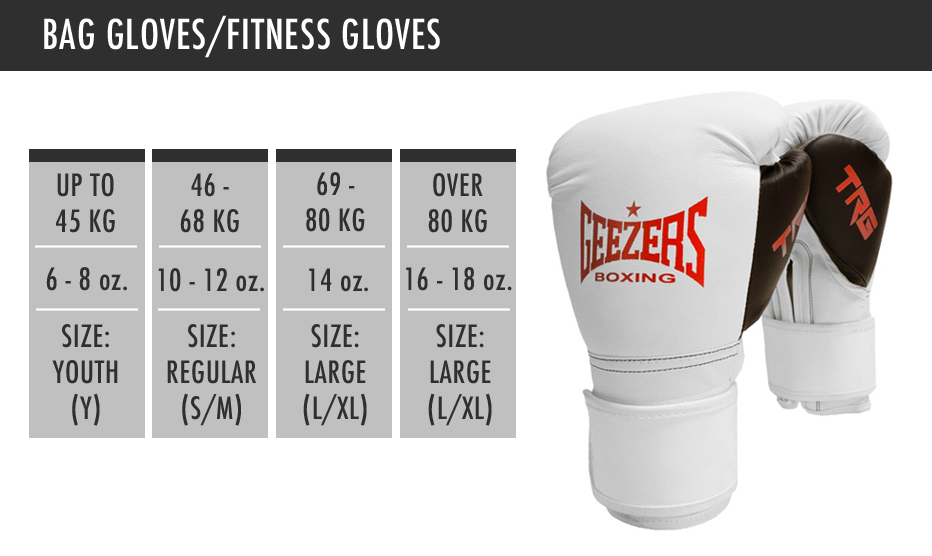
Glove weight affects protection and speed. Lighter gloves offer less padding but more speed. Heavier gloves give more padding but slow punches. Each weight suits different training needs. Ignoring weight can lead to poor practice or injury. Follow weight guidelines for your training type and body size.
Credit: www.geezersboxing.co.uk
Adjusting Glove Size For Personal Preference
Choosing the right boxing glove size is not only about measurements. Personal comfort plays a big role. Adjusting glove size for your own preference helps improve your training and performance. Everyone’s hands and needs are different. Some prefer a tighter fit, while others like a looser feel. Understanding these options helps you pick gloves that suit your style and comfort.
Tighter Fit Benefits
A tighter glove fits snugly around your hand and wrist. It offers better control and stability during punches. This fit reduces hand movement inside the glove. It helps prevent blisters and injuries. A tight glove feels like a natural extension of your hand. It improves your punching accuracy and power. Many boxers choose a tighter fit for sparring and competition.
Looser Fit Considerations
A looser glove allows more room inside. It can feel more comfortable for longer training sessions. This fit may provide better ventilation and less sweating. Some beginners prefer looser gloves to avoid feeling too tight. But too loose gloves can reduce control and increase injury risk. Always try gloves on before deciding on a looser fit. Comfort and safety come first.
Top Brands And Their Sizing Differences
Choosing the right boxing gloves size depends a lot on the brand. Each top brand has its own sizing rules. This can confuse beginners and even some experienced boxers.
Understanding these differences helps you pick gloves that fit well. Proper fit protects your hands and improves your performance. Let’s explore how popular brands vary in their sizing.
Brand-specific Size Charts
Each brand offers a size chart with weight and hand measurements. Everlast gloves, for example, use ounces to define size. They recommend 10 oz for training and 16 oz for sparring.
Cleto Reyes sizing feels tighter, so many choose a size up. Winning gloves run small too, so checking their chart is important. Venum gloves often have a wider fit and use a different scale.
Always check the exact size chart on the brand’s website. Don’t trust general size guides. Some brands count glove weight, others use hand circumference. This affects the fit and comfort.
Customer Reviews And Recommendations
Reviews reveal how true to size the gloves actually are. Many users say Everlast fits as expected but may feel narrow. Cleto Reyes gets praise for durability but warns about tight fit.
Customers often suggest sizing up for Winning gloves. Venum gloves receive compliments for comfort and flexibility. Yet, some find their sizes less consistent.
Reading multiple reviews gives a clearer picture. Look for comments on fit, comfort, and sizing advice. This helps avoid mistakes and choose gloves that feel right.
Frequently Asked Questions
What Size Boxing Gloves Suits Beginners Best?
Beginners usually benefit from 12 to 14-ounce gloves. These sizes offer good protection and control, balancing weight and comfort. They help reduce injury risk while learning proper technique.
How To Choose Boxing Glove Size By Weight?
Glove size depends on your body weight. Lighter fighters under 120 lbs use 10-12 oz gloves. Those 120-180 lbs opt for 14 oz. Over 180 lbs, 16 oz gloves are ideal for training and sparring.
Are Bigger Gloves Better For Sparring Sessions?
Yes, bigger gloves (14-16 oz) provide extra padding. This reduces impact, protecting both you and your sparring partner. They are mandatory in many gyms for safety reasons during sparring.
Do Glove Sizes Differ For Bag Work And Sparring?
Yes, bag gloves are lighter (10-12 oz) for speed and impact. Sparring gloves are heavier (14-16 oz) to cushion blows and prevent injuries. Choose based on your training activity.
Conclusion
Choosing the right boxing gloves size matters a lot for comfort and safety. Gloves that fit well protect your hands and improve your training. Consider your weight, hand size, and the type of boxing you do. Trying on gloves before buying helps find the best fit.
Remember, the right size keeps your hands safe and makes your boxing better. Take your time to choose wisely. This small step can make a big difference in your boxing journey.