Have you ever wondered what makes professional boxing gloves just right for the ring? The weight of these gloves isn’t random—it’s a key factor that affects your speed, power, and protection.
Whether you’re a boxer, a fan, or someone curious about the sport, knowing the exact weight of professional boxing gloves can change how you see the fight. Keep reading, and you’ll discover the surprising reasons behind glove weights and how they can impact every punch you throw or watch.
Your next round of boxing knowledge starts here.
Credit: armz.com.ua
Boxing Glove Weight Basics
Understanding boxing glove weight is key for every boxer. Gloves are not all the same. Different weights serve different purposes in training and fights. Choosing the right glove weight helps protect hands and improves performance. Let’s explore the basics of boxing glove weight.
Common Weight Categories
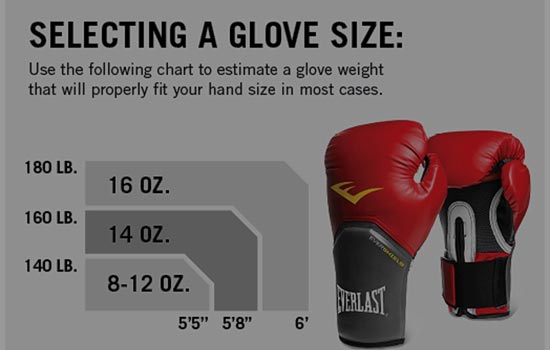
Boxing gloves come in various weights. The most common weights are 8 oz, 10 oz, 12 oz, 14 oz, and 16 oz. Pro fighters often use 8 or 10 oz gloves in matches. Heavier gloves like 14 oz or 16 oz are popular for training. Heavier gloves add more padding and slow punches slightly.
Measurement Units Explained
Glove weight is measured in ounces (oz). One ounce equals about 28 grams. The weight includes the glove’s padding and materials. Lighter gloves have less padding, making punches faster. Heavier gloves have more padding to protect hands and sparring partners. Trainers pick gloves based on training goals and hand size.
Factors Influencing Glove Weight
Several factors influence the weight of professional boxing gloves. These factors affect comfort, protection, and performance during training or fights. Understanding them helps boxers choose the right gloves for their needs.
Glove Size And Padding
Glove size directly affects its weight. Larger gloves have more padding and weigh more. Padding protects the hands and reduces impact force. Different sizes suit different hand shapes and training types. More padding means heavier gloves, which can slow hand speed.
Material And Construction
Materials like leather or synthetic fabrics impact glove weight. Leather gloves tend to be heavier but last longer. Synthetic gloves are lighter but less durable. The stitching and inner lining also add to the overall weight. Strong construction improves glove safety and comfort.
Intended Use And Purpose
Gloves made for competition usually weigh less. Training gloves are heavier to build strength and endurance. Sparring gloves have extra padding for safety and weigh more. The purpose dictates glove design, balancing protection and weight for the best performance.
Weight Standards In Professional Boxing
Weight standards in professional boxing gloves play a crucial role in the sport. These standards ensure fairness and safety for all fighters. Gloves that are too light may not protect the hands well. Gloves that are too heavy can slow down the fighters and affect their performance.
Different boxing organizations set clear rules about glove weights. These rules help keep the sport organized and fair. They also protect fighters from injuries during matches.
Regulations By Boxing Organizations
Major boxing organizations like the WBC, WBA, IBF, and WBO set specific glove weight rules. Each group has its own guidelines for the gloves used in fights. They check gloves before every match to meet their standards. Gloves must pass these checks to be allowed in official bouts.
These organizations also require gloves to meet safety standards. Gloves must have enough padding to protect both fighters. They must be made from approved materials and tested regularly. This keeps the sport safe and fair for all participants.
Weight Requirements By Weight Class
Glove weight depends on the boxer’s weight class. Lighter classes use lighter gloves to keep speed and agility. Heavier classes use heavier gloves for more protection and power.
For example, fighters under 147 pounds usually wear 8 to 10-ounce gloves. Those above 147 pounds often use 10 to 12-ounce gloves. Some classes require even heavier gloves during training or sparring. These rules help balance safety and performance across all weight divisions.
Choosing The Right Glove Weight
Choosing the right glove weight matters for every boxer. The correct weight affects training, performance, and safety. Gloves come in different weights, and each serves a special purpose. Picking the right pair helps improve skills and reduce injury risk. Understanding the difference between training and competition gloves is key.
Training Vs Competition Gloves
Training gloves are usually heavier. They add resistance and help build strength. Most training gloves weigh between 14 and 16 ounces. They provide extra padding to protect hands during long sessions.
Competition gloves are lighter. They weigh between 8 and 10 ounces. Lighter gloves allow faster punches and better control. These gloves have less padding because fights need speed and precision.
Impact On Performance And Safety
Heavier gloves slow your punches but increase hand protection. They reduce the chance of injuries during practice. Lighter gloves improve speed and accuracy in matches. However, they offer less protection.
Choosing the right glove weight balances power and safety. Use heavier gloves for training to protect your hands. Use lighter gloves in competition for better performance. Proper glove weight keeps you safe and ready for every fight.
Popular Glove Weights Among Pros
Professional boxing gloves vary in weight depending on the fighter’s category and preferences. Gloves must balance protection, speed, and power. Different weights suit different types of fighters. Pros pick glove weights that fit their style and weight class. Understanding popular glove weights helps explain what fighters use in the ring.
Heavyweight Fighters
Heavyweight boxers often use gloves weighing 10 to 12 ounces. These gloves offer solid hand protection and enough padding for hard punches. The extra weight helps control powerful strikes. Gloves too light risk injury due to strong impact. Heavyweights value durability and safety in their gloves. They choose weights that support heavy hits without slowing their hands.
Lightweight And Middleweight Fighters
Lightweight and middleweight boxers typically wear gloves from 8 to 10 ounces. Lighter gloves allow faster punches and quicker hand movement. These fighters rely on speed and precision more than raw power. Gloves in this range provide good protection while maintaining agility. Many pros in these classes prefer 8-ounce gloves for faster fights. Some use 10-ounce gloves for extra cushioning during tough bouts.
How Glove Weight Affects Technique
Boxing gloves come in different weights, and each weight changes how a boxer fights. The weight affects speed, power, and how long a boxer can keep going. Choosing the right glove weight helps improve your technique and performance.
Understanding how glove weight changes your movements can help you train better. It influences your punches and how your arms feel during a match or practice.
Speed And Power Balance
Lighter gloves make your hands move faster. You can throw quicker punches and react fast. This helps in scoring points and dodging hits.
Heavier gloves slow down your punches but add more power. They help build strength and deliver harder hits. Boxers often use heavier gloves to train for stronger punches.
Endurance And Fatigue
Using heavier gloves tires your arms faster. Your muscles work harder to move the weight. This can build endurance over time but may cause early fatigue during sparring.
Lighter gloves cause less fatigue. They allow longer training sessions and faster recovery. This helps maintain good technique even when tired.
Tips For Buying Professional Boxing Gloves
Choosing the right professional boxing gloves is important for safety and performance. Good gloves protect your hands and help improve your skills. Some tips can guide you to pick gloves that fit well and last long.
Focus on comfort and quality. These two factors affect your experience in the ring.
Fitting And Comfort
Gloves must fit snugly without feeling tight. Your fingers should move easily inside. Too loose gloves can cause injuries. Padding should protect your knuckles well. Try gloves on with hand wraps for best fit. Comfort helps you train longer and punch better.
Brand And Quality Considerations
Choose gloves from trusted brands. They use better materials and designs. High-quality gloves last longer and offer more protection. Look for strong stitching and thick padding. Avoid cheap gloves that wear out fast. Good gloves give you confidence in every fight.

Credit: www.attaliescazu.com
:format(jpeg)/f/115220/1244x700/b5324542a6/boxing-glove-ounces-explained-youtube-video.jpg)
Credit: blog.joinfightcamp.com
Frequently Asked Questions
What Is The Standard Weight Of Professional Boxing Gloves?
Professional boxing gloves typically weigh between 8 to 10 ounces. This weight ensures a balance of protection and speed during matches. Different weight classes may use specific glove weights for fairness and safety.
Why Do Glove Weights Vary In Professional Boxing?
Glove weights vary to match fighters’ weight classes and fighting styles. Lighter gloves provide speed, while heavier gloves offer more protection. Regulations also dictate glove weight to ensure fair competition.
How Does Glove Weight Affect Boxing Performance?
Glove weight affects punch speed, power, and defense. Lighter gloves increase hand speed but offer less padding. Heavier gloves slow punches but reduce injury risk for both fighters.
Are 8-ounce Gloves Mandatory In Pro Boxing Matches?
Yes, many professional bouts require 8-ounce gloves, especially in lighter weight divisions. This standard promotes fairness and balances protection with agility. Some heavier divisions may use 10-ounce gloves.
Conclusion
Professional boxing gloves come in different weights for various uses. Lighter gloves help with speed and training. Heavier gloves protect hands and improve strength. Choosing the right weight depends on the boxer’s needs. Knowing these weights helps you understand the sport better.
Gloves balance safety and performance in every match. Always pick gloves that fit well and feel comfortable. This knowledge supports better training and boxing experience.


