Have you ever wondered what the “Oz” on boxing gloves really means? If you’ve picked up a pair or shopped online, those little letters might have caught your eye—but what do they tell you about your gloves?
Understanding this simple detail can change the way you choose and use your gloves, making your training safer and more effective. Keep reading to discover exactly what the Oz stands for and how it impacts your boxing experience.
Oz In Boxing Gloves
The term “Oz” in boxing gloves often puzzles beginners. It is a key factor in choosing the right gloves. Understanding Oz helps pick gloves that fit your needs well. The Oz size affects glove weight, protection, and comfort.
Different Oz sizes serve different purposes. Knowing what Oz means guides your boxing training and matches. This section explains what Oz stands for and the common sizes available.
What Oz Stands For
Oz stands for ounces. It measures the glove’s weight. This weight includes padding and materials. Higher Oz means heavier gloves. Lower Oz means lighter gloves. Weight affects how the glove feels and protects.
Common Oz Sizes
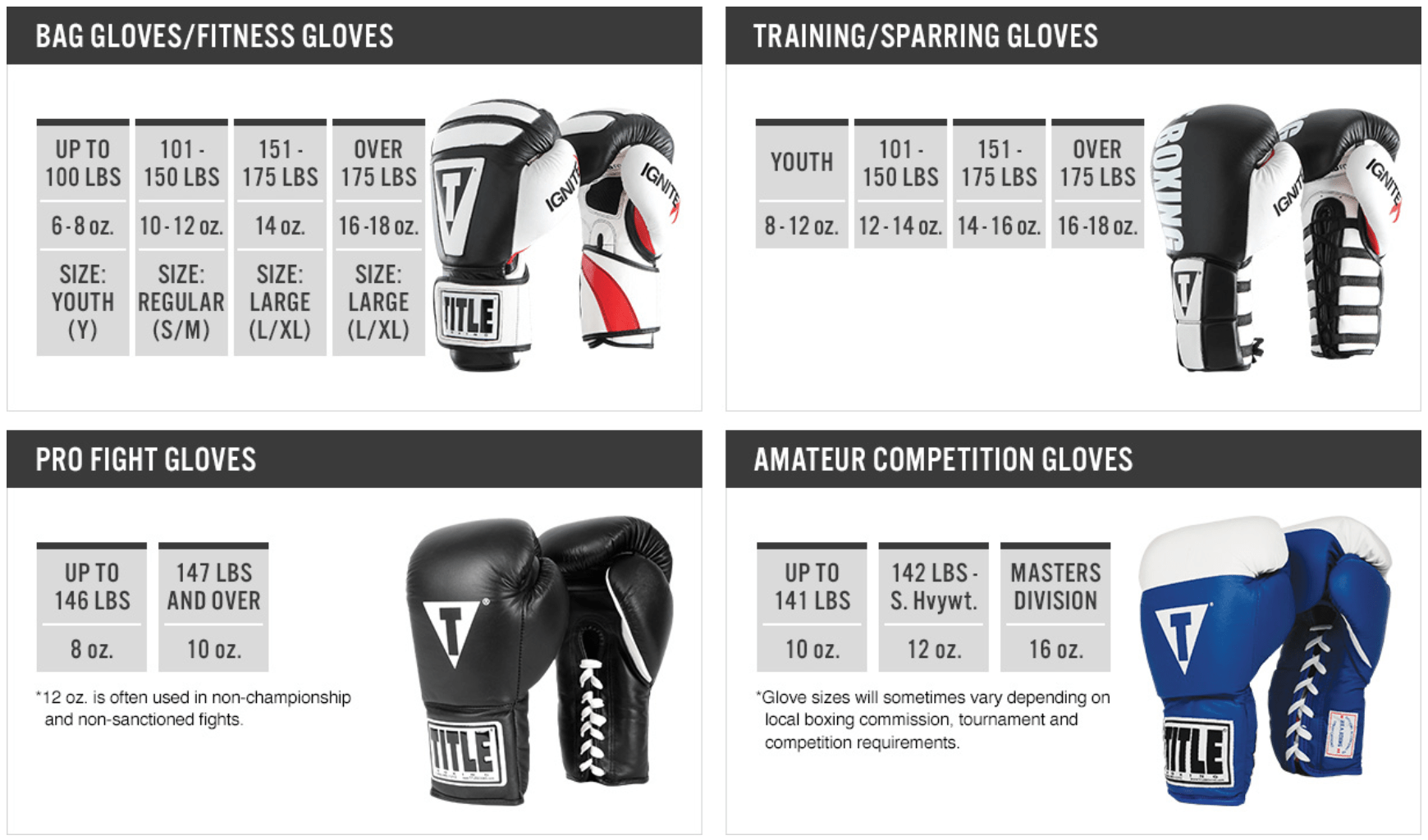
Boxing gloves come in sizes from 8 to 20 Oz. 8 Oz gloves are light and fast. They suit competition and speed training. 10 Oz gloves are popular for matches. 12 to 14 Oz gloves are good for training and sparring. 16 to 20 Oz gloves are heavy. They give more protection and build strength.
Credit: vicentetorns.com
How Oz Affects Glove Weight
The “Oz” in boxing gloves stands for ounces. It shows the glove’s weight. Understanding how Oz affects glove weight helps you pick the right gloves. Weight influences comfort, protection, and performance in boxing. Let’s explore how materials and size relate to the Oz rating.
Material And Padding
The type of material affects the glove’s weight. Leather gloves tend to be heavier than synthetic ones. Padding inside the glove adds to the total weight. More padding means a higher Oz rating. Padding protects hands and opponents during punches.
Different gloves use various padding types. Foam is light but dense. Gel padding is heavier but offers better shock absorption. The combination of materials and padding decides the glove’s final weight.
Size Vs Weight
Glove size relates to hand size and Oz rating. Smaller gloves usually weigh less. Larger gloves weigh more due to extra padding and material. Gloves with 8 Oz or 10 Oz are common for competition. Training gloves often start at 12 Oz and go up to 16 Oz or more.
Heavier gloves slow down punches but increase protection. Lighter gloves allow faster punches but less padding. Choosing the right size and weight depends on your boxing needs and hand size.
Impact On Performance
The size of boxing gloves, measured in ounces (oz), plays a key role in how a boxer performs. Different glove weights affect speed, agility, power, and protection. Choosing the right oz can help a boxer train better and fight more effectively.
Speed And Agility
Lighter gloves, like 8 oz or 10 oz, allow faster hand movement. They reduce fatigue during quick combos and footwork. This helps boxers react faster and stay agile in the ring. A lighter glove feels less bulky, improving overall speed.
However, very light gloves offer less padding. This means less protection but better speed. Fighters focusing on quick strikes often prefer these gloves.
Power And Protection
Heavier gloves, such as 14 oz or 16 oz, add more padding. This extra weight slows punches but increases hand and wrist protection. These gloves absorb more impact, reducing injury risk during training.
Using heavier gloves builds strength and power over time. Boxers develop stronger punches because their muscles work harder. Heavier gloves help prepare fighters for real match conditions where protection matters most.
Choosing The Right Oz
Choosing the right ounce (Oz) for boxing gloves is important for comfort and safety. Oz measures the weight of the gloves and affects protection and speed. Picking the right Oz helps improve your boxing experience.
For Training
Training gloves usually weigh between 14 and 16 Oz. They offer good padding to protect your hands and your partner. Heavier gloves help build strength and endurance during workouts.
For Sparring
Sparring gloves often range from 16 to 18 Oz. More padding reduces the risk of injury for both boxers. These gloves slow down punches slightly, making sparring safer and more controlled.
For Competition
Competition gloves are lighter, usually 8 to 10 Oz. They allow faster punches and better hand speed. Less padding means more impact, so use these gloves only in official matches.
Oz And Hand Protection
The “Oz” in boxing gloves stands for ounces, which measure the glove’s weight. This weight affects how much protection your hands get during training or fights. Choosing the right ounce size helps protect your hands from injury and improves comfort.
Different gloves offer varying levels of padding and support. Heavier gloves usually have more padding, which means better hand protection. Lighter gloves may feel faster but offer less cushion for your hands.
Wrist Support
Wrist support is vital in boxing gloves. Gloves with good wrist support keep your wrist stable and reduce the risk of sprains. Heavier gloves often include stronger wrist straps for better hold. A secure wrist means you can punch harder without hurting yourself.
Injury Prevention
Proper glove weight helps prevent injuries like fractures and bruises. Gloves with more padding absorb shock from punches. This padding protects your knuckles and fingers. Using gloves that match your training style lowers the chance of hand injuries.
Credit: www.arloren.com
Oz And Boxing Rules
The term “Oz” in boxing gloves refers to the glove’s weight measured in ounces. This weight affects the glove’s padding and protection level. Boxing rules use these measurements to ensure fighters have the right gear. Proper glove weight keeps matches safe and fair for everyone.
Regulations By Weight Class
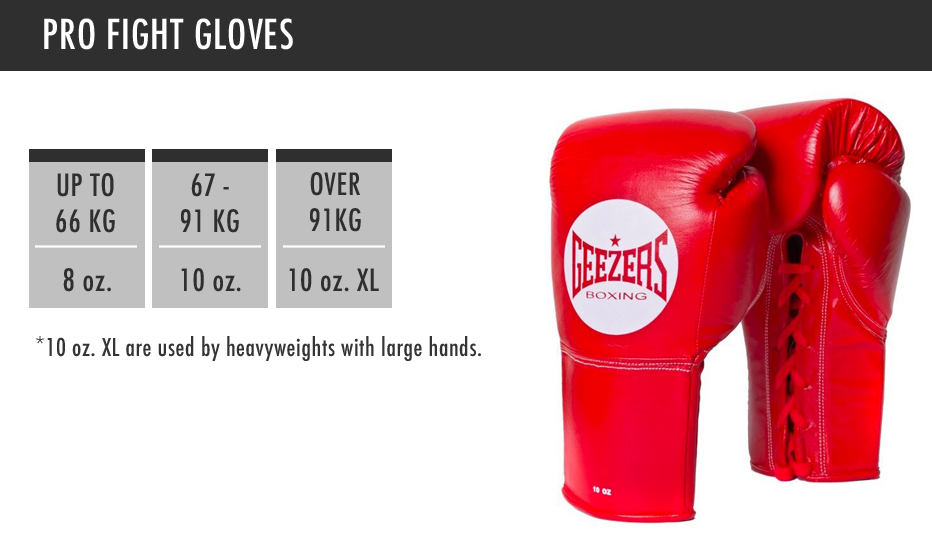
Boxing rules set specific glove weights for each weight class. Lighter fighters use smaller gloves, usually 8 or 10 ounces. Heavier fighters wear larger gloves, often 12 or 16 ounces. These rules help balance protection and performance in the ring. They also reduce the risk of injury during matches.
Professional Vs Amateur
Professional boxing has stricter glove weight rules. Pros often use 8 or 10-ounce gloves depending on the fight. Amateur boxing usually requires heavier gloves, like 12 or 14 ounces. Heavier gloves offer more padding and safety for amateurs. This difference protects less experienced fighters during training and bouts.
Common Myths About Oz
Many people have ideas about the weight of boxing gloves, called “oz” or ounces. These ideas are not always correct. Some believe heavier gloves are always better. Others think lighter gloves make you faster. These are common myths about the “oz” in boxing gloves. Understanding the truth helps you choose the right gloves.
Heavier Means Better
Some think heavier gloves offer more protection. Heavier gloves have more padding. This can reduce hand injuries. But heavier does not always mean better. Too heavy gloves can slow your punches. They may tire your arms faster. The right weight depends on your training and goals. Heavier gloves are good for practice, not just for fighting.
Lighter Means Faster
Many believe lighter gloves help you punch faster. Lighter gloves do allow quicker hand movement. But they have less padding. This means less protection for your hands. Lighter gloves are often used in matches. They help with speed but increase injury risk. Balance is key between speed and safety. Choose gloves that fit your style and skill.
Maintaining Your Gloves
Maintaining your boxing gloves helps them last longer and stay fresh. Gloves get sweat and dirt inside. This can cause bad smells and damage the material. Taking care of your gloves keeps them safe and ready for your next fight or training.
Cleaning Tips
Wipe your gloves with a clean cloth after each use. Use a small amount of mild soap and water for cleaning. Avoid soaking the gloves or using harsh chemicals. Let them air dry in a cool place. Do not put gloves in direct sunlight or near heaters. This can crack the leather or fabric inside.
Use a glove deodorizer or sprinkle baking soda inside to remove odors. Open the gloves to let air flow and dry completely. Regular cleaning stops bacteria and keeps gloves smelling fresh.
Storage Advice
Store gloves in a cool, dry place away from moisture. Do not keep gloves in a closed gym bag for a long time. This traps sweat and causes bad odors. Use a breathable bag or mesh pouch for storage. Keep gloves open or with a glove ball inside to keep their shape. Proper storage prevents damage and keeps gloves comfortable for use.

Credit: darsalud.com.ve
Frequently Asked Questions
What Does Oz Mean On Boxing Gloves?
Oz stands for ounces, measuring the glove’s weight. It indicates padding thickness and protection level. Heavier gloves offer more padding but less speed. Lighter gloves provide faster punches but less protection.
How To Choose Glove Oz For Boxing?
Choose glove Oz based on your weight and training type. Heavier boxers often use 16-18 Oz gloves for sparring. Lighter gloves like 10-12 Oz suit competition or bag work. Proper Oz selection prevents injuries and improves performance.
Why Are Boxing Gloves Measured In Oz?
Oz measurement helps standardize glove weight and protection. It allows boxers to select gloves matching their training and fighting needs. The Oz system ensures fair competition and consistent safety standards in boxing.
Does Glove Oz Affect Punching Power?
Yes, glove Oz affects punching speed and impact. Heavier gloves reduce punch speed but cushion blows more. Lighter gloves increase speed but deliver harder impacts. The right Oz balances power and protection.
Conclusion
The “oz” on boxing gloves tells you their weight. Heavier gloves offer more protection but can slow your punches. Lighter gloves help you move faster but give less padding. Choosing the right size matters for training and fighting. Understanding glove weight helps you pick what fits best.
This knowledge keeps you safe and improves your boxing skills. Now, you know what those numbers really mean.


