Are you struggling to find the perfect boxing gloves that fit just right? Choosing the best size for your boxing gloves can make all the difference in your comfort, performance, and safety.
Too big, and you lose control; too small, and your hands might hurt or get injured. You’ll discover exactly how to pick the right glove size that matches your needs. Keep reading, because the right gloves can change the way you train and fight.
Credit: www.dickssportinggoods.com
Choosing Boxing Glove Sizes
Choosing the right size for boxing gloves is key to training and fighting safely. Gloves that fit well protect your hands and wrists from injury. They also help you punch with more control and power.
Boxing gloves come in various sizes and weights. Knowing what size fits your weight and purpose makes a big difference. The right gloves feel comfortable and support your goals in the ring.
Weight Categories Explained
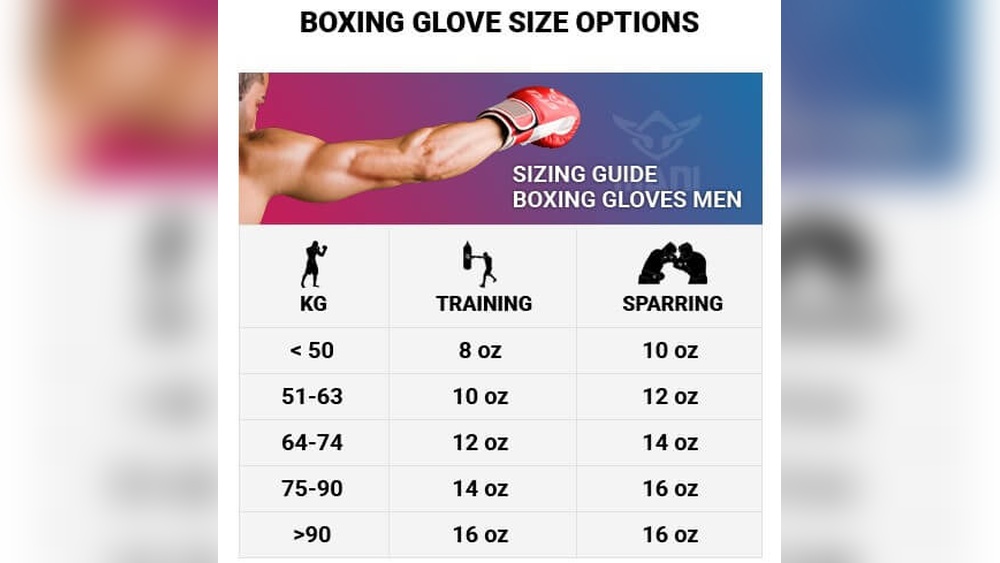
Boxing gloves are measured in ounces. Common weights range from 8 oz to 20 oz. Lighter gloves offer less padding and more speed. Heavier gloves provide extra protection but can slow you down.
Choose glove weight based on your body weight and training type. Smaller fighters often use 10 oz gloves. Bigger fighters usually pick 14 oz or 16 oz gloves. For sparring, heavier gloves help reduce injury risk.
Common Glove Sizes
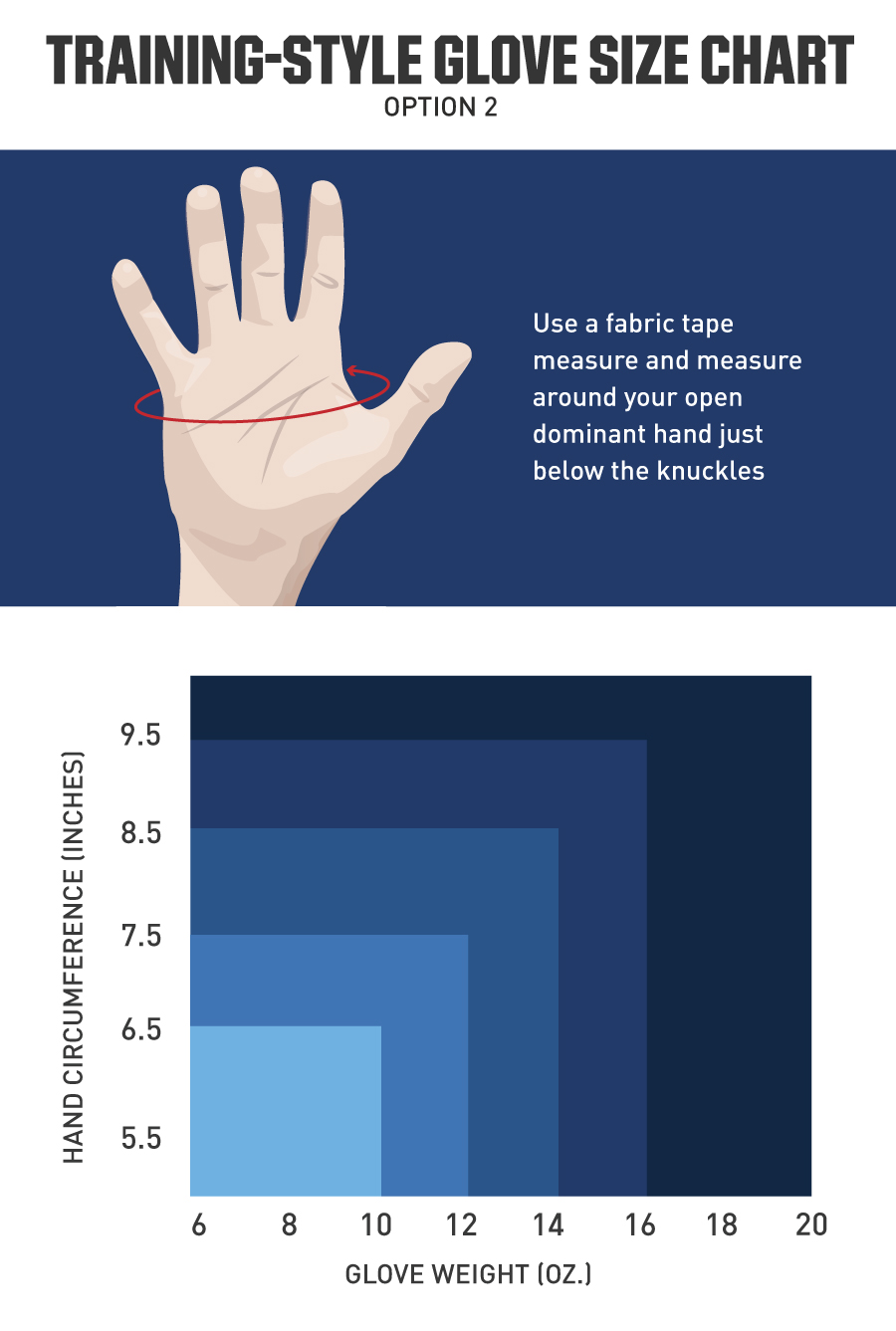
Sizes usually depend on glove weight and hand circumference. Small gloves fit hands under 7 inches wide. Medium gloves suit hands 7 to 8.5 inches wide. Large gloves fit hands over 8.5 inches.
Try gloves on to check for a snug fit. Gloves should not squeeze your fingers too tight. They must allow wrist movement and good fist closure. This balance keeps you safe and comfortable.
Sizing Differences By Brand
Brands often use different sizing charts. One brand’s medium may fit like another’s large. Always check each brand’s size guide before buying. Reading reviews helps understand true glove fit.
Trying gloves on in person is best. If buying online, measure your hand and compare with the chart. Some brands offer wider or narrower gloves. This affects comfort and performance.

Credit: www.smai.com
Impact Of Glove Size On Performance
The size of boxing gloves plays a big role in how well a boxer performs. Different glove sizes change how a boxer moves, hits, and protects themselves. Choosing the right size helps balance safety with skill.
Protection And Safety
Bigger gloves have more padding. They help protect your hands and your opponent from hard hits. This reduces the risk of injury during training and fights. Smaller gloves offer less cushion. They allow for quicker punches but raise the chance of hurting your hands.
Speed And Agility
Smaller gloves are lighter. They let boxers move their hands faster. This boosts speed and quick reflexes in the ring. Larger gloves feel heavier and slow down hand movements. Fast punches and quick defense become harder with big gloves.
Power And Impact
Larger gloves spread the force over a bigger area. This lowers the impact on the target. Smaller gloves focus the force into a smaller spot. This creates harder hits and stronger impact. The choice depends on whether you want power or protection.
Glove Size For Training And Sparring
Choosing the right boxing gloves depends a lot on the fighter’s experience and style. Different types of fighters need gloves that fit their training and fighting needs. This guide helps pick the best glove size based on who you are as a boxer.
Beginners And Novices
New fighters should choose gloves that offer more protection. Gloves between 14 and 16 ounces work well. They cushion the hands and reduce injury risk. Heavier gloves help build strength and improve technique. Beginners need comfort to stay confident and safe.
Amateurs And Hobbyists
Amateur boxers often use gloves from 12 to 14 ounces. These gloves balance protection and speed. Hobbyists training for fitness or fun also benefit from this size. Gloves should fit snugly but not be too tight. This size helps improve hand speed and control.
Professional Fighters
Pros usually pick gloves from 8 to 10 ounces. Lighter gloves allow faster punches and better movement. They offer less padding but more precision. Professionals need gloves that feel natural and boost performance. Choosing the right size can impact fight results.
Choosing Gloves By Fighter Type
Choosing the right size for boxing gloves starts with measuring your hand correctly. A good fit protects your hands and improves performance. Measuring your hand is simple and takes only a few minutes. Follow clear steps to get the most accurate results.
Measuring Techniques
Use a soft tape measure or a piece of string and a ruler. Wrap it around your dominant hand just below the knuckles. Do not include the thumb. Note the measurement in inches or centimeters. Measure your hand’s length from the tip of the middle finger to the base of the palm. Record both width and length for the best fit.
Hand Size Vs Glove Size
Hand measurements help pick the correct glove size. Gloves come in sizes like 8 oz, 10 oz, or 12 oz. Larger gloves offer more padding but feel bulkier. Smaller gloves fit tighter but may not protect as well. Match your hand measurement with the glove size chart. This ensures comfort and safety during training or matches.
Tips For Accurate Fit
Measure your hand at the end of the day. Hands swell and are largest then. Measure more than once to confirm accuracy. Keep your hand relaxed while measuring. Wear hand wraps during measurement if you plan to use them with gloves. This helps find the true glove size needed.
How To Measure Your Hand For Gloves
Choosing the right boxing gloves involves understanding their materials and how they are made. These factors affect comfort, protection, and how long the gloves last. Different materials and construction styles offer various benefits. Knowing these can help you pick the best gloves for your needs.
Leather Vs Synthetic
Leather gloves are strong and last longer. They feel soft and become more comfortable over time. Leather is also good at handling sweat and wear. Synthetic gloves cost less and are easier to clean. They work well for beginners or casual use. But they may wear out faster than leather gloves.
Padding And Cushioning
Good gloves have thick padding to protect your hands and wrists. Foam padding absorbs shock and reduces injury risk. Some gloves use layered foam for extra comfort. Padding also affects glove size and weight. Choose padding that fits your training type and hand size.
Durability Factors
Stitching quality is key to glove durability. Strong, tight stitches keep gloves intact longer. The glove lining helps manage sweat and odor. Gloves with reinforced seams resist tearing. Proper care also extends glove life. Durable gloves save money over time.
Materials And Glove Construction
Boxing gloves must meet specific rules in competitions. These rules protect fighters and ensure fairness. Different competitions have different glove size requirements. Understanding these rules helps fighters choose the right gloves.
Amateur Boxing Rules
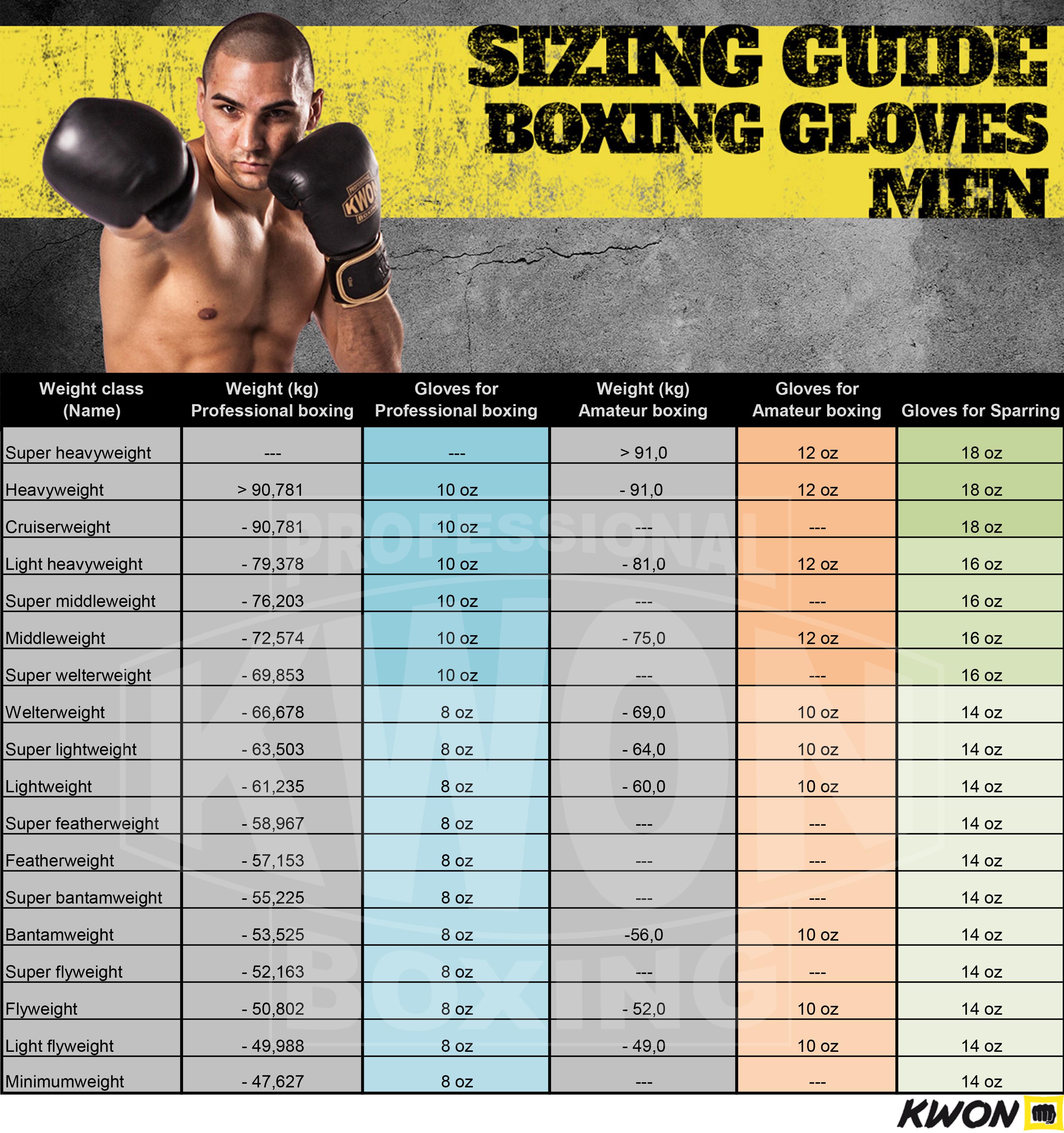
Amateur boxing uses gloves that weigh between 10 and 16 ounces. The size depends on the boxer’s weight class. Lighter boxers use smaller gloves. Larger gloves protect hands and reduce injury risks. Gloves must be approved by the boxing authority.
Pro Boxing Guidelines
Professional boxers use gloves weighing from 8 to 10 ounces. Fighters in heavier classes often use 10-ounce gloves. Smaller gloves allow faster punches but less padding. Gloves must fit well and meet safety standards. Officials check gloves before the match starts.
Variations By Organization
Different boxing organizations set their own rules. Some require specific glove brands or models. Weight limits for gloves can vary slightly. Fighters must follow the rules of their event. Knowing these differences helps avoid disqualification.
Regulations And Competition Standards
Taking care of your boxing gloves is key to keeping them in good shape. Proper maintenance stops bad smells and damage. Gloves last longer and stay comfortable with regular care.
Simple habits can protect your gloves from sweat and dirt. Clean gloves feel fresh and work better. Store them right to keep their form and padding. Follow easy steps to extend your glove lifespan.
Cleaning Tips
After every use, wipe gloves with a clean cloth. Use a mild soap and water mix for deeper cleaning. Avoid soaking gloves in water to protect the padding. Let gloves air dry naturally, never in direct sunlight. Use glove deodorizers or baking soda to reduce odor. Regular cleaning helps keep bacteria and mold away.
Storage Recommendations
Store gloves in a cool, dry place to avoid moisture. Keep them open to let air flow inside. Avoid leaving gloves in your gym bag for too long. Use a mesh bag or breathable container for storage. Proper storage keeps gloves fresh and prevents damage.
Extending Glove Lifespan
Use hand wraps to reduce sweat inside gloves. Rotate between two pairs of gloves to allow drying time. Avoid hitting hard surfaces with gloves off your hands. Repair small tears or loose stitching quickly. Regular care keeps gloves soft and padded longer.
Credit: vixencomposites.com
Frequently Asked Questions
What Size Boxing Gloves Are Best For Beginners?
Beginners should use 12 to 14-ounce gloves for balanced protection and comfort. These sizes help reduce injury risk during training and sparring.
How To Choose Boxing Glove Size For Sparring?
For sparring, 14 to 16-ounce gloves are ideal. They provide extra padding to protect both you and your partner during practice.
What Boxing Glove Size Is Suitable For Bag Work?
10 to 12-ounce gloves work well for bag training. They offer sufficient padding while allowing faster hand movement and better impact control.
Does Glove Size Depend On Hand Weight Or Body Weight?
Glove size mainly depends on body weight and training type, not just hand size. Heavier individuals generally need larger gloves for better protection.
Conclusion
Choosing the right boxing glove size matters for comfort and safety. Smaller gloves offer speed but less padding. Bigger gloves protect your hands more but feel heavier. Think about your weight, training style, and goals. Try different sizes before buying.
Proper gloves help you train better and avoid injuries. Remember, the best size fits your hands well and feels good. Keep these tips in mind for your next boxing session. Your hands will thank you.


