
Are you ready to step into the ring but unsure about the right glove size? Choosing the correct boxing glove size is crucial for your comfort, safety, and performance.
If you pick gloves that are too big or too small, you risk injury and reduced effectiveness. You’ll discover the standard glove sizes used in boxing and how to find the perfect fit for your hands. Keep reading to make sure your next fight or training session feels just right.
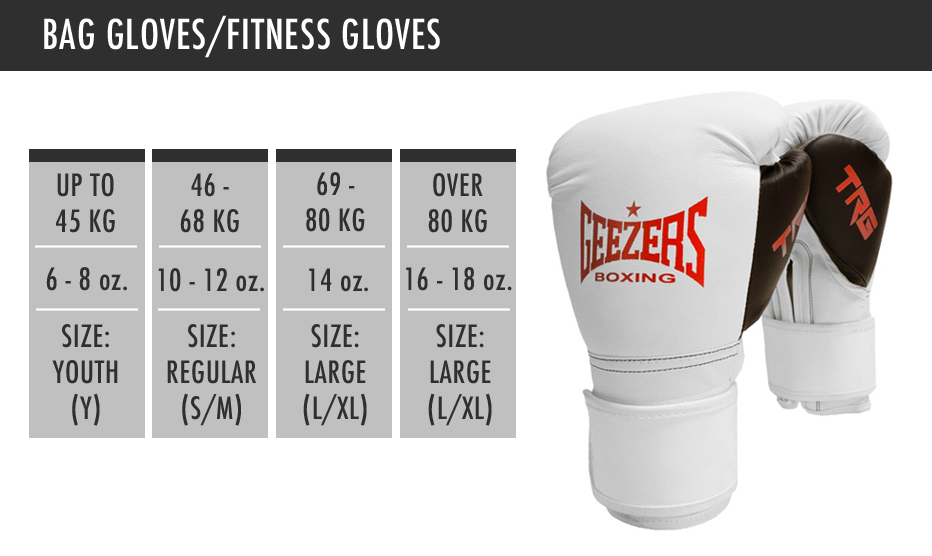
Credit: www.arloren.com
Boxing Glove Size Basics
Choosing the right boxing glove size matters a lot. It protects your hands and your opponent. The size affects comfort and performance during training or fights. Knowing the basics helps you pick gloves that fit well and feel good.
Glove sizes vary by weight and hand size. Using the correct size reduces the risk of injuries. It also improves your punching power and control. Understanding glove sizes is the first step to better boxing experience.
How Glove Sizes Are Measured
Boxing gloves are measured by their weight in ounces. This weight shows the glove’s size and padding amount. Heavier gloves have more padding for protection. Lighter gloves give better speed and feel.
Glove size depends on your hand size and training type. Bigger hands need larger gloves for comfort. Different types of boxing require different glove weights.
Common Glove Size Units
The most common unit for boxing gloves is ounces (oz). Gloves usually come in sizes from 8 oz to 20 oz. Amateur boxers often use 10 oz gloves for matches. Training gloves tend to be heavier, around 14 oz to 16 oz.
Some brands also use small, medium, and large labels. These labels are less precise than ounces. Always check the glove weight before buying to match your needs.
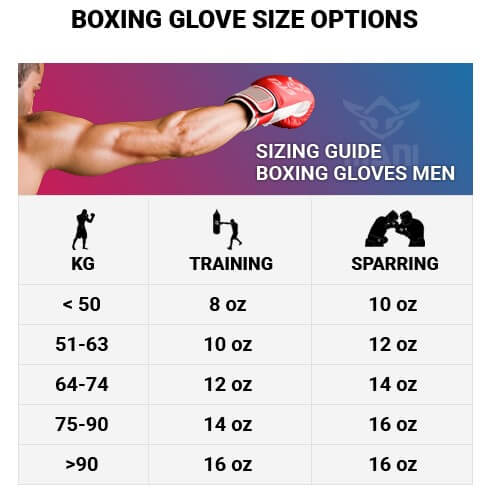
Credit: fintechontheseas.com
Standard Glove Sizes Explained
Boxing gloves come in many sizes to fit different hands and purposes. Choosing the right glove size is important for safety and comfort. Gloves protect your hands and your opponent during training and fights.
Glove sizes are usually measured in ounces. The weight shows the amount of padding inside. More padding means more protection but less speed. Different age groups and skill levels use different sizes.
Youth And Kids Glove Sizes
Younger boxers need smaller gloves. Youth gloves usually weigh between 6 to 10 ounces. These gloves fit smaller hands and offer enough padding for safety. Kids’ gloves also help them learn proper punching techniques.
Adult Glove Size Range
Adult gloves come in sizes from 10 to 18 ounces. The size depends on your weight, hand size, and training type. Lighter gloves are good for speed and competition. Heavier gloves are better for training and protection.
Professional Vs Amateur Sizes
Professional boxing gloves often use smaller sizes like 8 to 10 ounces. These gloves allow faster punches and better control. Amateur gloves tend to be heavier to reduce injury risk. Rules may require certain glove sizes for competitions.
Choosing The Right Glove Size
Choosing the right boxing glove size is important for safety and performance. Gloves that are too big or small can cause injury or discomfort. Proper fit helps protect your hands and wrists during training or matches. Knowing how to pick the correct size will make your boxing experience better and safer.
Factors Affecting Glove Size Choice
Several factors affect the size of boxing gloves you need. Your hand size and weight play a big role. The type of boxing you do also matters. Different styles and training types require different glove sizes. Personal comfort and protection level are important too.
Hand Circumference And Weight Guide
Measure your hand circumference around the knuckles with a tape. Use your weight to help decide the glove size. For example, lighter boxers often use smaller gloves. Heavier boxers usually wear larger gloves for extra padding. This guide helps find a glove that fits well and offers good protection.
Purpose-based Size Selection
Boxing gloves come in sizes based on their purpose. Training gloves are often larger for more padding. Sparring gloves need good protection and a snug fit. Competition gloves are usually smaller and lighter. Choose the size based on whether you train, spar, or compete.
Weight Classes And Glove Sizes
Boxing glove sizes vary depending on the boxer’s weight class. Each weight class has a recommended glove size to ensure safety and proper performance. Wearing the right glove size helps protect both the boxer and their opponent. It also affects punching power and speed. Understanding glove sizes in relation to weight classes is important for every boxer.
Lightweight Boxers
Lightweight boxers usually wear gloves weighing 8 to 10 ounces. These gloves offer enough padding without adding too much weight. They help boxers move quickly and throw fast punches. Choosing the right size prevents hand injuries during training and fights. Light gloves suit boxers under 135 pounds well.
Middleweight Boxers
Middleweight boxers often use gloves weighing 10 to 12 ounces. These gloves balance protection and power. They provide more padding than lightweight gloves, reducing injury risk. Middleweight boxers weigh between 135 and 160 pounds. Wearing gloves in this size range supports their strength and speed.
Heavyweight Boxers
Heavyweight boxers need gloves weighing 12 to 16 ounces. These gloves offer maximum padding for powerful punches. They protect the hands and reduce impact on opponents. Heavyweights weigh over 200 pounds. Larger gloves help absorb shock and keep fights safe. Proper glove size matters most in this class.
Glove Types And Their Sizes
Boxing gloves come in different types and sizes. Each type serves a specific purpose and fits differently. Knowing the right glove type and size helps improve comfort and safety. This section explains the main glove types and their sizes.
Training Gloves
Training gloves are for general workouts and bag work. They provide good hand protection and wrist support. Sizes usually range from 12 to 16 ounces. Heavier gloves offer more padding for long sessions. Choose a size that feels snug but not tight.
Sparring Gloves
Sparring gloves protect both you and your partner during practice. They have extra padding to reduce injury risk. Common sizes are 14 to 16 ounces. Larger gloves help soften the impact of punches. Always pick gloves that fit well and allow good movement.
Competition Gloves
Competition gloves are lighter with less padding. They focus on speed and precision during matches. Sizes often range from 8 to 10 ounces. Different competitions have specific size rules. Make sure your gloves meet the event’s requirements.
Impact Of Glove Size On Performance
Boxing glove size affects how a boxer performs in the ring. Gloves protect hands and influence punching style. Choosing the right size changes comfort and fight tactics. Small gloves feel lighter but offer less padding. Larger gloves add weight and extra protection. Each size changes how fast and powerful punches feel. Understanding this impact helps boxers pick the best gloves.
Protection And Safety
Bigger gloves have more padding to absorb shocks. They lower the chance of hand injuries and cuts. More padding also protects the opponent from hard hits. Small gloves give less protection, increasing injury risk. Safety is key in training and matches. Gloves that fit well keep wrists stable and reduce sprains. Proper size means safer fights for both boxers.
Speed And Power Dynamics
Small gloves allow faster punches and quicker hand movement. Speed helps land hits before the opponent reacts. Larger gloves slow down hand speed due to extra weight. They make punches feel heavier and stronger. Power depends on how a boxer uses their gloves. Heavy gloves build strength but may reduce quickness. Finding a balance between speed and power is important.
Glove Size Trends For 2025
The glove size trends for 2025 show interesting changes in the boxing world. Fighters and trainers are paying close attention to glove fit and comfort. New designs and preferences shape how gloves protect and perform. These trends influence what glove sizes become standard for different boxing styles and weight classes.
Innovations In Glove Design
Glove makers focus on better padding and lighter materials. New gloves offer improved wrist support and shock absorption. Designs aim for a snug fit without feeling tight. Breathable fabrics help keep hands dry during long sessions. These innovations change how boxers pick their glove size. A glove that fits well boosts confidence and safety inside the ring.
Shifts In Size Preferences
Boxers now choose gloves based on both protection and speed. Some prefer slightly larger gloves for extra padding. Others pick smaller gloves for faster punches. Women’s glove sizes are becoming more popular and varied. Youth boxing also sees changes with gloves designed for smaller hands. The trend moves toward more personalized glove sizes for each boxer’s needs.
Tips For Measuring Your Hand
Knowing your hand size helps pick the right boxing gloves. Gloves that fit well protect your hands and improve performance. Measuring your hand is simple with the right steps and tools. Accurate measurement avoids buying gloves that are too tight or loose.
Tools Needed
Use a soft measuring tape for best results. A ruler or string can work as well. Have a pen and paper ready to note down the measurements. Make sure your hand is clean and dry before measuring.
Step-by-step Measuring Guide
First, open your hand and stretch your fingers out wide. Wrap the measuring tape around the knuckles, excluding the thumb. Record the circumference in inches or centimeters. Next, measure the length from the tip of the middle finger to the base of the palm. Write down this number too. Use these two numbers to find your glove size. Repeat the process for your other hand for accuracy.
Common Mistakes In Glove Sizing
Choosing the right glove size is vital for boxing safety and performance. Many beginners make errors that affect their training and comfort. Understanding common mistakes helps avoid pain and injury during boxing sessions.
Buying Too Small Or Too Large
Gloves that are too small can hurt your hands. They limit movement and cause discomfort. Small gloves also reduce protection against impacts.
Large gloves feel loose and unstable. They can slip during punches. This reduces control and increases injury risk.
Proper glove size fits snugly but allows finger movement. It supports your wrist and knuckles well.
Ignoring Padding And Fit
Padding quality matters more than size alone. Thin padding offers less shock absorption. This can damage your hands over time.
Ignoring fit leads to poor glove performance. Gloves should wrap your hand tightly without cutting off blood flow. A good fit keeps gloves in place during training.
Check padding thickness and glove design before buying. This ensures better protection and comfort.
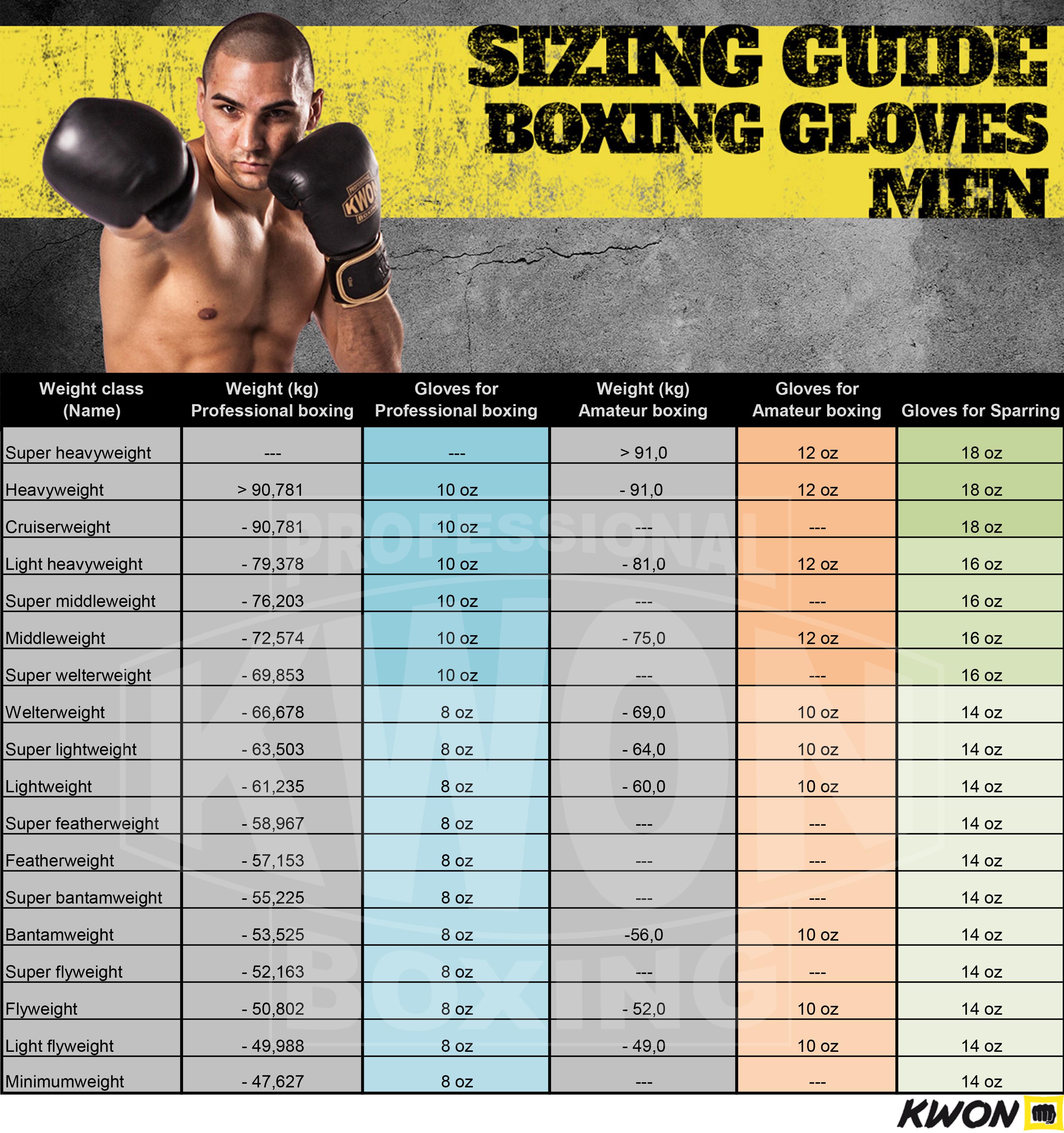
Credit: kdfoundation.org
Frequently Asked Questions
What Is The Standard Glove Size For Boxing?
The standard boxing glove size is 12 to 16 ounces. Size depends on hand weight and boxing purpose. Amateur boxers often use 12 oz gloves, while professionals use 16 oz for training.
How Do I Choose The Right Boxing Glove Size?
Choose boxing gloves based on your hand weight and training type. Lighter gloves (8-10 oz) suit competition, while heavier gloves (14-16 oz) are best for training and sparring.
Why Does Boxing Glove Size Matter?
Glove size affects protection, comfort, and performance. Proper size reduces injury risk and improves punching power and technique. Using the right size ensures better safety during boxing sessions.
Are 16 Oz Gloves Suitable For Beginners?
Yes, 16 oz gloves are ideal for beginners. They offer extra padding, protecting hands and sparring partners. Beginners gain better control and safety with these gloves during practice.
Conclusion
Choosing the right boxing glove size protects your hands and improves performance. Most boxers use sizes between 8 and 16 ounces. Size depends on your weight, training type, and personal comfort. Gloves that fit well help avoid injuries during practice and fights.
Remember to try different sizes before buying. Proper gloves make boxing safer and more enjoyable. Stay safe and train smart with the right glove size.

