Are you curious about how much normal boxing gloves weigh and why it matters for your training or fights? Knowing the right weight of your gloves can make a big difference in your performance, comfort, and safety.
Whether you’re a beginner or getting ready for your next match, understanding glove weights helps you choose the perfect pair that fits your needs. Keep reading to discover everything you need to know about the weight of normal boxing gloves and how it impacts your boxing experience.
Boxing Glove Weights Explained
Boxing gloves come in different weights to suit various needs. The weight of gloves affects comfort, protection, and training style. Knowing glove weights helps choose the right pair for your purpose.
Glove weight is measured in ounces (oz). Each weight serves a specific function in boxing. Beginners, amateurs, and pros use different weights based on their training or fighting goals.
Common Weight Categories
Boxing gloves usually range from 8 oz to 20 oz. Lighter gloves, like 8 oz or 10 oz, are common in professional fights. These gloves offer less padding and more speed.
Heavier gloves, such as 14 oz or 16 oz, are used mostly for training. They provide extra padding to protect hands and sparring partners. Bigger gloves help build strength and endurance.
Some gloves weigh 12 oz, balancing protection and speed. These are popular for general training and fitness boxing.
How Weight Affects Performance
Heavier gloves slow down your punches but improve hand safety. They help develop muscle and stamina during workouts. Lighter gloves allow faster punches but less padding.
Choosing glove weight depends on your activity. Use heavier gloves for training and lighter ones for actual fighting. Proper glove weight reduces injury risk and improves technique.
Weight also affects how you feel during boxing. Heavier gloves tire your arms faster but strengthen muscles. Lighter gloves keep your hands quick and agile.
Standard Weights For Training Gloves
Standard weights for training gloves help boxers train safely and effectively. Gloves come in different sizes based on their weight. Each weight suits a particular training need. Choosing the right weight protects your hands and improves your skill.
Light Training Gloves
Light training gloves usually weigh between 8 and 10 ounces. They feel less bulky and allow faster hand movement. These gloves are ideal for speed and technique practice. They offer less padding, so they are best for light workouts.
Medium Weight Gloves
Medium weight gloves range from 12 to 14 ounces. They provide a good balance of protection and comfort. These gloves suit most daily training sessions. They help build endurance while protecting your knuckles well.
Heavy Training Gloves
Heavy training gloves weigh 16 ounces or more. They have extra padding for heavy bag work and sparring. These gloves help strengthen your arms and improve stamina. Using heavier gloves makes your hands stronger over time.
Competition Glove Weights
Competition glove weights vary based on the type of boxing event. Gloves must meet strict rules for safety and fairness. They differ for amateur and professional boxing. Knowing these weights helps boxers choose the right gear.
Amateur Boxing Gloves
Amateur boxing gloves usually weigh 10 to 12 ounces. These gloves provide extra padding to protect the hands and the opponent. The weight depends on the boxer’s weight class and competition rules. Lighter gloves allow faster punches but offer less protection. Heavier gloves slow punches but reduce injury risk.
Professional Boxing Gloves
Professional boxing gloves often weigh 8 to 10 ounces. These gloves have less padding for more impact. Fighters choose glove weight based on their style and division. Lighter gloves increase punch speed and power. Heavier gloves offer more hand protection during training and fights.
Credit: magaliesbeefarms.co.za
Choosing Gloves By Body Weight
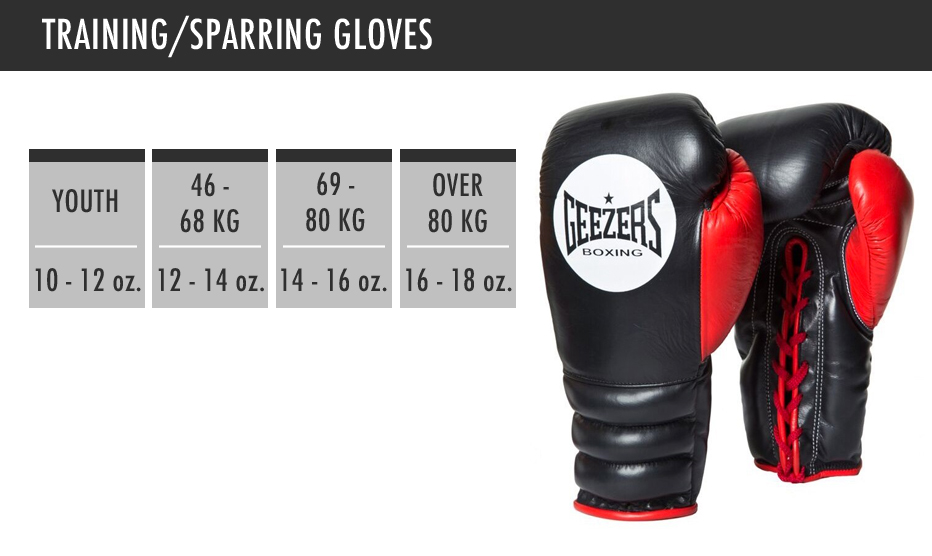
Choosing boxing gloves by body weight helps protect your hands and improves training. Gloves that are too heavy can slow you down. Gloves that are too light may not offer enough protection. Selecting the right glove weight ensures better performance and safety during boxing sessions.
Glove Recommendations For Lightweights
Lightweight boxers usually weigh under 135 pounds. Gloves weighing 10 to 12 ounces suit them best. These gloves offer enough padding without being too bulky. They allow faster punches and better hand movement. Lightweights should focus on gloves that balance speed and protection.
Options For Middleweights
Middleweight boxers weigh between 135 and 165 pounds. Gloves of 12 to 14 ounces work well for them. These gloves provide more padding for harder punches. They help reduce hand fatigue during longer training sessions. Middleweights need gloves that offer solid protection and comfort.
Gloves For Heavyweights
Heavyweight boxers weigh over 165 pounds. Gloves of 14 to 16 ounces fit their needs. Heavier gloves absorb more impact and protect the hands better. They also help condition the arms and shoulders. Heavyweights should choose gloves that support power and endurance.
Materials And Padding Impact
The weight of normal boxing gloves depends greatly on the materials and padding inside. These factors affect comfort, protection, and performance. Different gloves use various padding types and materials that change their overall weight. Understanding these details helps choose the right gloves for training or competition.
Types Of Padding Used
Boxing gloves use several types of padding to protect hands and reduce impact. Foam padding is common. It is lightweight and absorbs shock well. Some gloves use gel padding for extra cushioning. Gel adds weight but improves comfort. Horsehair padding is traditional and firm. It offers less shock absorption but lasts longer. Many gloves combine foam and gel for balance. The padding type directly affects the glove’s weight and feel.
How Materials Influence Weight
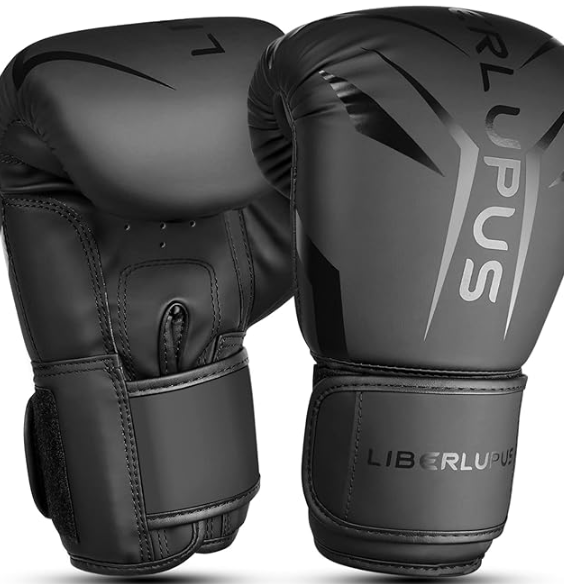
The outer material also impacts the glove’s weight. Leather gloves weigh more than synthetic ones. Leather is durable but heavier. Synthetic leather is lighter and cheaper. Inside lining materials add small weight differences. High-quality gloves use dense foam and leather. This makes them heavier but better for protection. Lightweight gloves use thinner materials. These reduce weight but may wear out faster. Material choice balances weight, durability, and comfort.
Credit: absolutemma.com
Glove Weight And Hand Protection
Boxing gloves come in different weights to protect your hands and improve performance. The glove weight matters for both safety and speed. Choosing the right weight helps reduce injuries and allows better control during fights or training.
Balancing Protection And Speed
Heavier gloves offer more padding to shield your knuckles and wrists. They slow down your punches but protect your hands better. Lighter gloves let you punch faster. They have less padding, which means less protection. Finding the right balance keeps you safe without losing speed.
Injury Prevention Factors
Proper glove weight reduces the risk of hand injuries. Gloves with enough padding absorb shocks from punches. Wrapping your hands before wearing gloves adds support. Gloves that fit well keep your wrists stable. Using gloves that are too light or too heavy can cause harm.
Regulations And Boxing Organizations
Boxing gloves must follow strict rules set by different organizations. These rules ensure fairness and safety in the sport. The weight of gloves is one of the most important factors controlled by these bodies. Each organization has specific weight limits for gloves depending on the fight type and class.
Glove Weight Rules By Major Bodies
Major boxing organizations set clear glove weight rules. The World Boxing Association (WBA) requires gloves to weigh between 8 and 10 ounces for professional bouts. The World Boxing Council (WBC) often mandates 10-ounce gloves for title fights. The International Boxing Federation (IBF) and World Boxing Organization (WBO) follow similar weight standards. Amateur boxing, overseen by the International Boxing Association (AIBA), uses gloves weighing 10 to 12 ounces. These rules help protect fighters and keep the sport fair.
Differences Across Countries
Countries may have slight variations in glove weight rules. In the United States, professional fights usually use 8 to 10-ounce gloves. In the United Kingdom, 10-ounce gloves are standard for many professional matches. Amateur fights in countries like Russia and Mexico often require heavier gloves, around 12 ounces. These differences reflect local customs and safety preferences. Still, all aim to protect the athletes and maintain competition balance.
Tips For Selecting The Right Gloves
Choosing the right boxing gloves is key for safety and performance. The weight of gloves affects your training and fighting style. Picking the correct gloves helps protect your hands and your opponent.
Focus on fit and purpose to find gloves that suit your needs. This guide offers simple tips to select gloves that feel good and work well.
Fitting And Comfort
Gloves must fit snugly but not too tight. Check if your fingers can move inside comfortably. Padding should cover your knuckles well.
Try gloves with your hand wraps on. This shows the true fit during training. Look for gloves with good wrist support to avoid injuries.
Comfort matters. Gloves that feel heavy or rough can distract you. Soft inner lining helps reduce sweat and friction.
Purpose-driven Choices
Different gloves suit different uses. Lighter gloves, like 8-10 ounces, are good for competition. Heavier gloves, such as 14-16 ounces, protect more during training.
Choose gloves based on your goal. For sparring, pick gloves with more padding. For bag work, use gloves that offer wrist stability.
Consider your weight and strength. Heavier gloves add resistance and build power. Match glove weight with your body type for balance and control.

Credit: kashifiqbal.com
Frequently Asked Questions
What Is The Standard Weight Of Boxing Gloves?
Normal boxing gloves typically weigh between 8 to 16 ounces. The most common weight is 12 ounces for training and sparring purposes. Weight selection depends on your size, skill, and the type of boxing activity.
How Does Glove Weight Affect Boxing Performance?
Heavier gloves offer more protection but reduce hand speed. Lighter gloves improve speed but provide less padding. Choosing the right weight balances safety and agility during training or competition.
Why Do Boxing Gloves Come In Different Weights?
Different glove weights accommodate various training needs and hand sizes. Heavier gloves increase endurance, while lighter gloves enhance speed. Weight selection ensures proper protection and effectiveness in boxing workouts.
Are 10-ounce Gloves Suitable For Beginners?
Yes, 10-ounce gloves are common for beginners. They provide adequate protection and allow developing proper technique. However, glove choice should consider hand size and training type for best results.
Conclusion
Normal boxing gloves usually weigh between 8 to 16 ounces. The weight depends on the purpose, like training or competition. Heavier gloves offer more protection and build strength. Lighter gloves allow faster punches and better speed. Choosing the right weight helps improve your boxing skills.
Always pick gloves that feel comfortable and suit your needs. Understanding glove weight makes boxing safer and more fun. Keep these points in mind for your next boxing session.