You want to keep your bike safe, right? Choosing the right bike lock can make all the difference between a stolen ride and a secure ride.
But what exactly makes a good bike lock? Is it the material, the size, or maybe the locking mechanism? If you’ve ever felt unsure about which lock to trust, this article is for you. By the end, you’ll know how to pick a lock that protects your bike and gives you peace of mind every time you leave it unattended.
Keep reading to discover the key features that make a bike lock truly reliable.
Credit: viavelolock.com
Types Of Bike Locks
Choosing the right bike lock is key to keeping your bike safe. Different locks offer different levels of security and convenience. Understanding the types of bike locks helps you pick one that fits your needs and budget.
U-locks
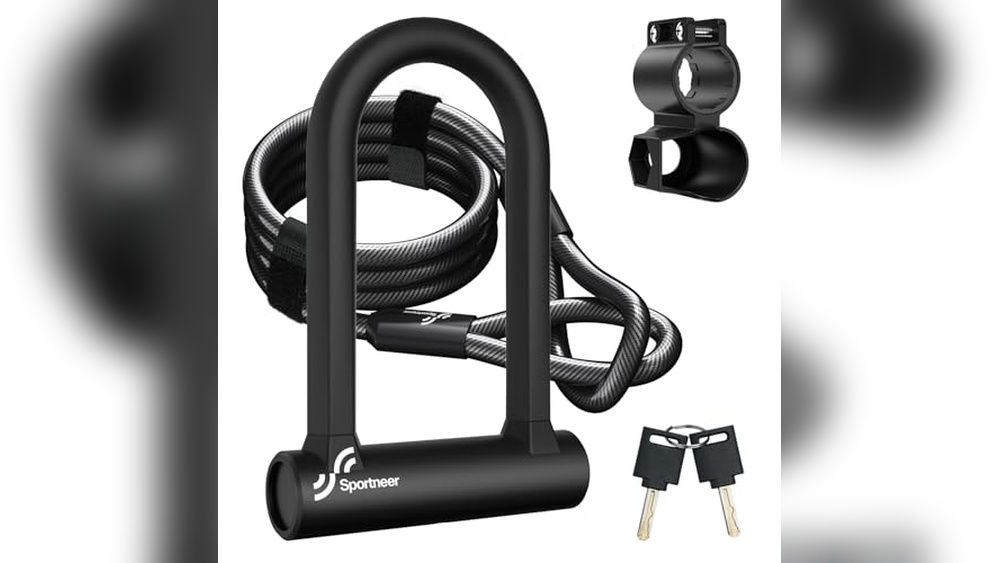
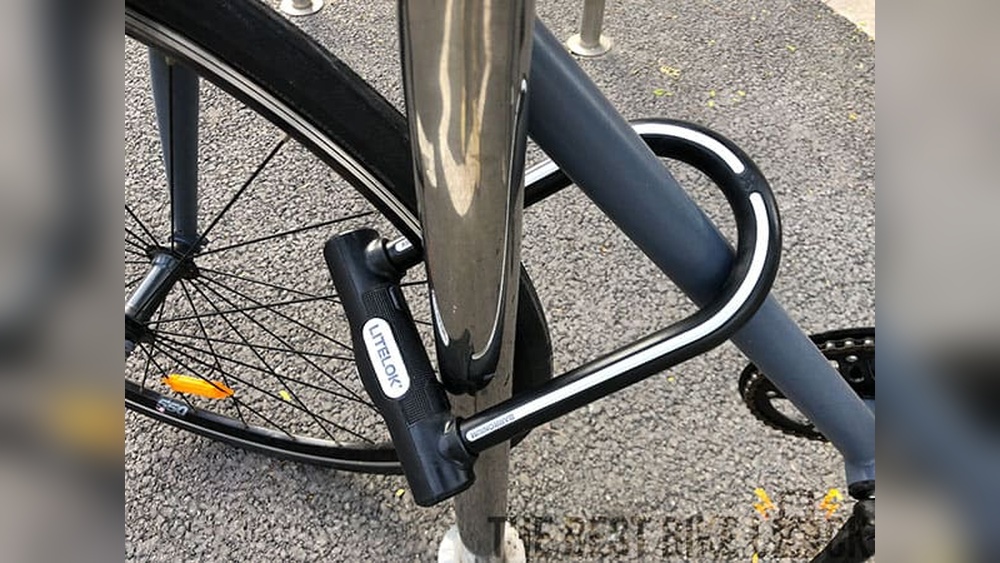
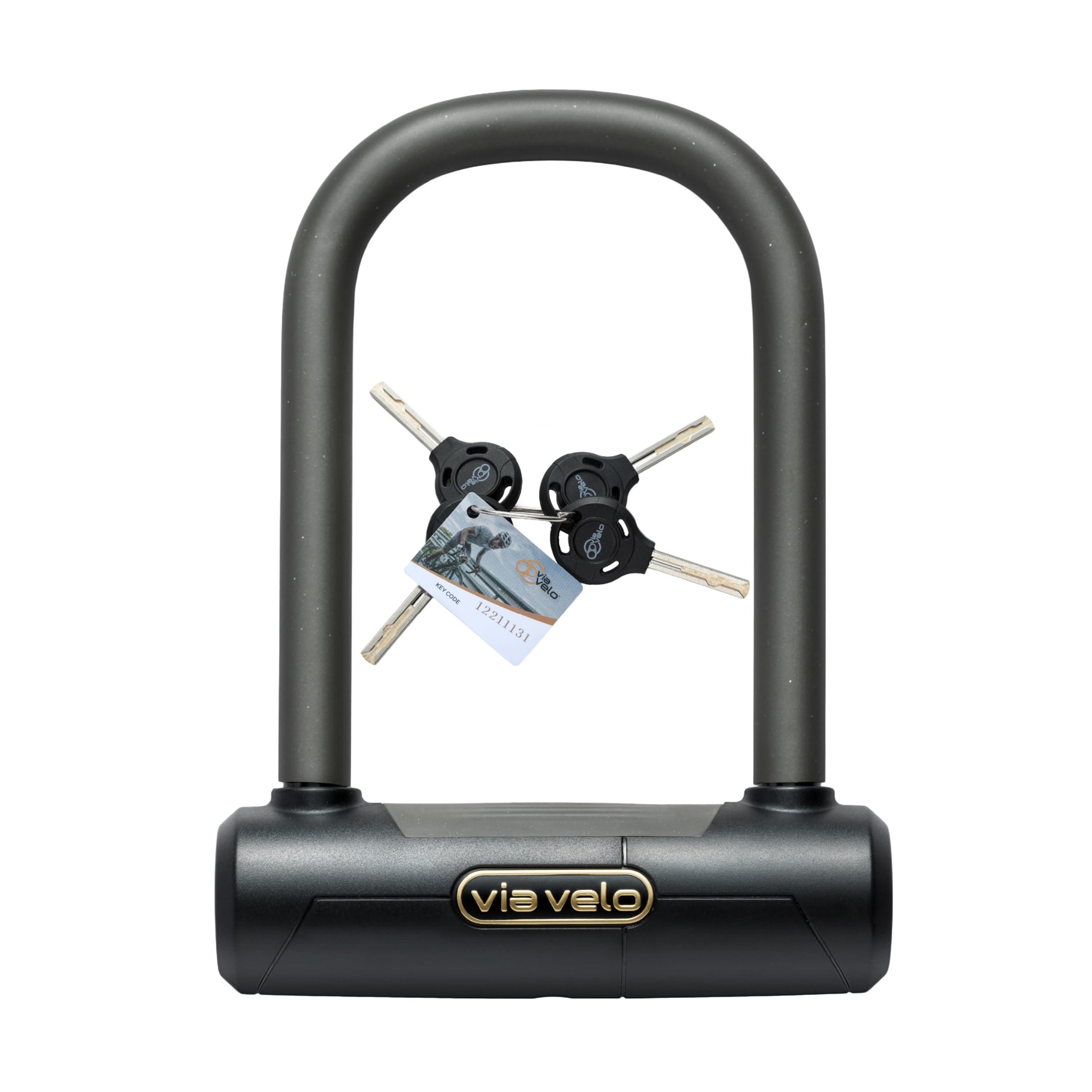
U-locks have a solid metal bar shaped like the letter “U.” They resist cutting and prying well. These locks are heavy but strong. Use them to lock the frame and a wheel to a fixed object.
Chain Locks
Chain locks use thick metal links with a strong lock. They are flexible and secure. You can wrap them around large objects like poles or fences. Chains vary in weight and strength, so choose one made of hardened steel.
Folding Locks
Folding locks fold into a compact shape for easy carrying. They combine flexibility and strength. These locks are lighter than chains but still tough. Ideal for riders who want a balance of security and portability.
Cable Locks
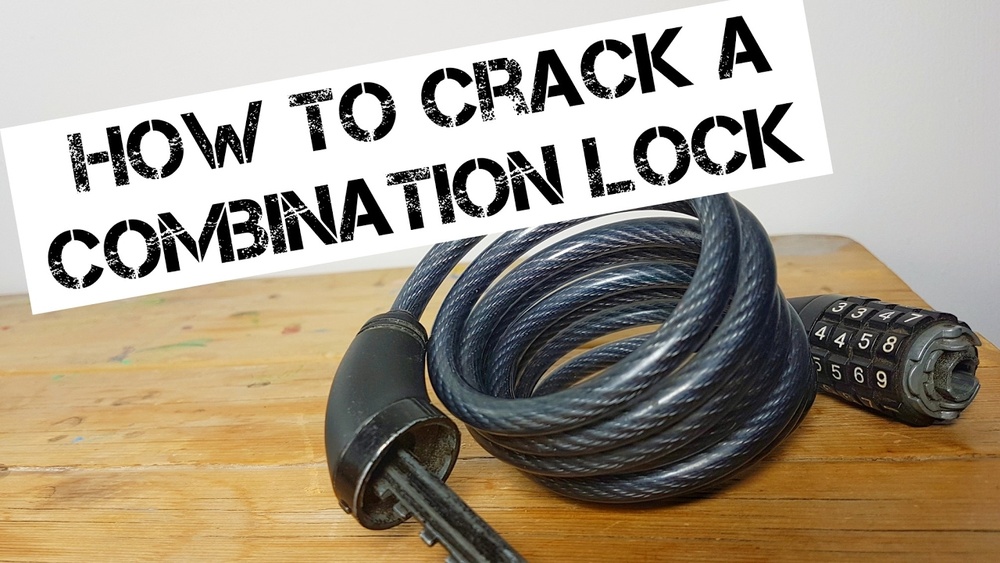
Cable locks are thin and flexible cables covered in plastic. They are lightweight and easy to carry. These locks are good for short stops in low-risk areas. Avoid using them alone in places with high theft risk.
Materials And Build Quality
Materials and build quality are key to a bike lock’s strength and durability. Strong materials stop thieves from cutting or breaking the lock. A well-built lock lasts longer and keeps your bike safe. Understanding different materials helps you choose the best lock.
Hardened Steel
Hardened steel is a top choice for bike locks. It is very tough and hard to cut. The steel goes through a special process to become stronger. This makes it resistant to saws and bolt cutters. Locks made with hardened steel offer excellent protection.
Alloy Components
Some bike locks use alloy parts to reduce weight. Alloys mix metals to keep strength but stay light. This helps carry the lock easily on rides. Good alloy components balance strength and convenience. Avoid cheap alloys that break or wear out fast.
Locking Mechanisms
The locking mechanism affects how secure the lock is. Quality locks have strong, precise locking parts. They resist picking and forced entry. Look for locks with solid internal parts and smooth action. A sturdy locking mechanism adds another layer of protection.
Security Ratings And Certifications
Security ratings and certifications help you choose a strong bike lock. They show how well a lock can resist theft attempts. These ratings come from tests by trusted organizations. Understanding them can save your bike from being stolen.
Sold Secure Ratings
Sold Secure is a well-known UK testing group. They test bike locks with real theft tools. Locks get ratings: Bronze, Silver, or Gold. Gold means the lock is very tough. Silver is good for moderate security needs. Bronze is basic but better than no rating.
Choose a lock with a Sold Secure rating for better safety. It tells you the lock passed strict tests. Thieves find it harder to break these locks.
Art Ratings
ART is a Dutch organization that tests bike locks too. Their ratings range from 1 to 5 stars. More stars mean stronger locks. ART tests locks using heavy tools and force. The higher the stars, the more secure the lock.
Look for ART ratings if you want a tested lock. This helps avoid weak locks that break easily.
Other Standards
Some countries have their own bike lock standards. For example, the CEN rating in Europe tests lock strength. UL (Underwriters Laboratories) tests locks in the USA. These standards also check how locks resist cutting and picking.
Choosing locks with recognized certifications adds trust. It means experts have checked their security. This helps you pick a lock that keeps your bike safe.
Credit: www.provelo.org
Locking Techniques
Locking techniques play a crucial role in protecting your bike from theft. A good lock alone is not enough. How you lock your bike matters just as much. Proper locking methods reduce the chances of your bike being stolen. It makes thieves think twice before trying to take your bike.
Securing The Frame And Wheels
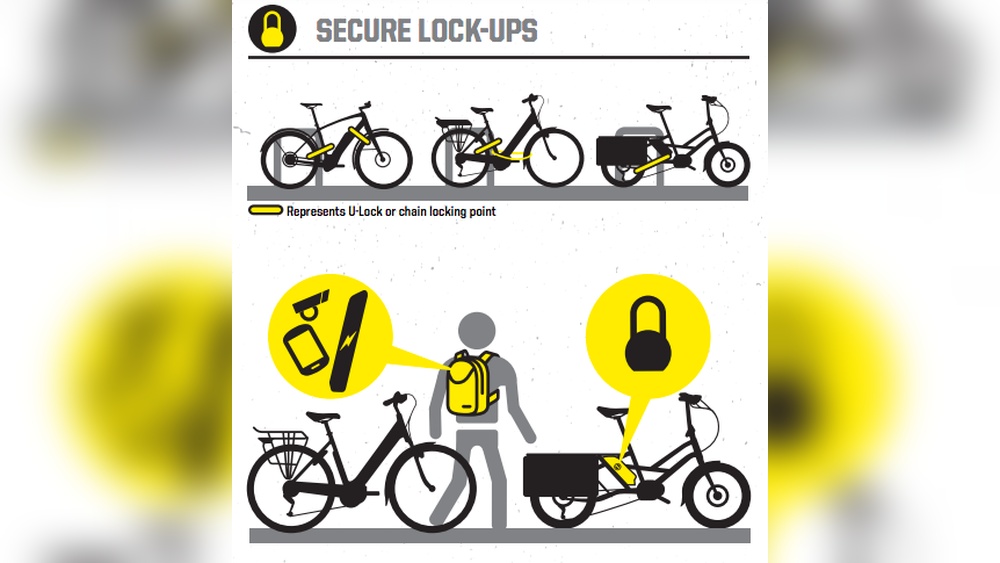
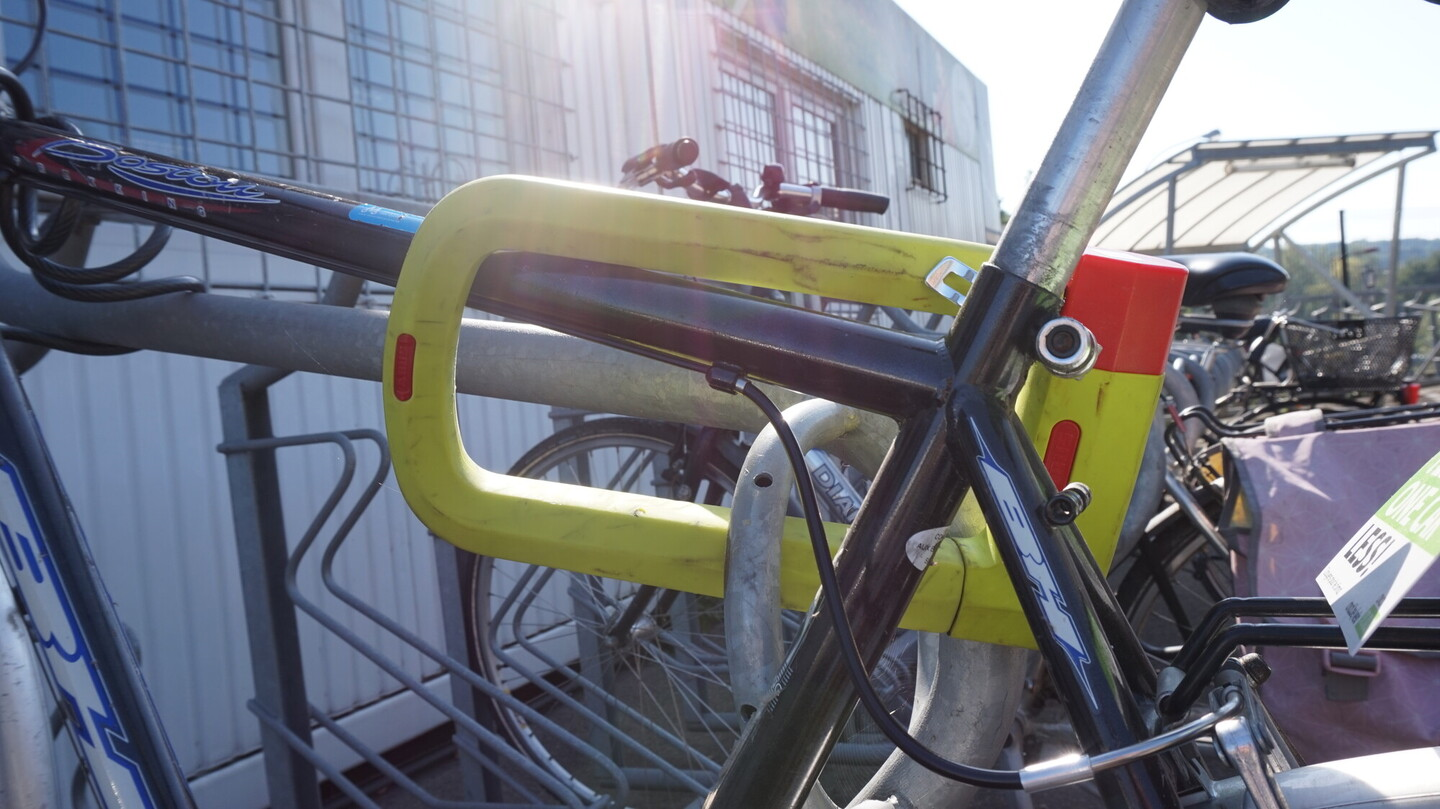
Always lock the frame of your bike, not just the wheels. The frame is the most important part to secure. Use the lock to go through the frame and one wheel. This stops thieves from removing the wheels and taking the frame. If possible, lock both wheels to the frame. This extra step makes your bike harder to steal.
Choosing The Right Anchor Point
Pick a strong, fixed object to lock your bike to. Look for metal poles, bike racks, or sturdy fences. Avoid thin or weak anchors that can be cut or broken easily. Make sure the anchor cannot be lifted or moved. The better the anchor, the safer your bike stays.
Using Multiple Locks
Use two different locks for better security. A U-lock combined with a cable lock works well. One lock can secure the frame and one wheel. The other lock can secure the second wheel. Different lock types make it harder for thieves to use one tool to break both. Multiple locks increase the time needed to steal your bike.
Portability And Weight
Portability and weight are key factors in choosing a good bike lock. A heavy lock may offer strong security but can be hard to carry. A light lock is easy to bring along but might not protect well. Finding the right balance helps keep your bike safe without extra burden.
Balancing Security With Convenience
Heavy locks often mean better protection. They resist cutting and tampering more effectively. Yet, carrying a heavy lock can be tiring on long rides. A lock that is too light might be easy to carry but less secure. Think about how far you travel and where you park. Choose a lock that fits your travel style and security needs.
Lock Size And Carrying Options
Lock size affects both weight and ease of carrying. Large locks offer more coverage but can be bulky. Small locks are compact but may limit where you can secure your bike. Many locks come with carrying cases or mounts. These options make it easier to attach the lock to your bike frame or backpack. Check for comfort and convenience in carrying before buying.
Additional Features
Good bike locks do more than just secure your bike. Extra features improve safety and convenience. They help protect your bike in different conditions and add smart functions for easier use. These features make a lock more reliable and user-friendly.
Weather Resistance
Bike locks face rain, snow, and heat daily. Weather resistance means the lock resists rust and damage. It keeps working smoothly despite harsh weather. Coated metals and sealed keyholes stop water and dust from entering. This feature extends the lock’s life and keeps it strong.
Smart Locks And Technology
Smart locks use Bluetooth or apps to open your lock. No need for keys or combinations. You can lock or unlock from your phone easily. Some models share access with friends. They also alert you if someone tries to steal your bike. Technology adds comfort and better security.
Anti-theft Alarms
Alarms sound loud noises if the lock is tampered with. This scares thieves and draws attention quickly. Some alarms activate with movement or vibration. They give extra protection when you leave your bike unattended. An alarm makes your lock a strong theft deterrent.
Tips For Choosing The Right Lock
Choosing the right bike lock can protect your bike from theft. The right lock depends on many factors. Knowing these helps you pick a strong and practical lock. This section offers simple tips to guide your choice.
Assessing Your Environment
Think about where you park your bike most. Busy city streets may need stronger locks. Quiet neighborhoods might allow lighter locks. Check if bike racks or poles are sturdy. Choose a lock that fits your parking spots well.
Budget Considerations
Set a budget before buying a lock. Good locks come at different prices. Spending a bit more often means better security. Avoid the cheapest locks; they may break easily. Balance cost with the level of protection you need.
Matching Lock To Bike Value
Match the lock’s strength with your bike’s value. Expensive bikes need high-security locks. For lower-cost bikes, a simpler lock can work. This saves money without risking your bike. Think about what your bike is worth to you.

Credit: thebestbikelock.com
Frequently Asked Questions
What Features Define A Good Bike Lock?
A good bike lock is strong, durable, and resistant to cutting or picking. It should be easy to carry and use. U-locks and heavy-duty chains offer excellent security. Weather resistance and lock complexity also enhance protection against theft.
How Important Is Lock Size And Weight?
Lock size and weight matter for portability and convenience. A heavier, larger lock usually offers better security but is less portable. Balance your need for protection with ease of carrying. Choose a lock that fits your riding style and storage options.
Are U-locks Better Than Cable Locks?
Yes, U-locks generally provide stronger security than cable locks. They resist cutting and leverage attacks more effectively. Cable locks are flexible but easier to cut. For high-theft areas, a sturdy U-lock is a better choice.
How Does Lock Material Affect Security?
Lock material impacts durability and theft resistance. Hardened steel is most secure, resisting cutting and sawing. Cheaper metals are easier to break. Quality lock materials ensure your bike stays protected for longer.
Conclusion
A good bike lock keeps your bike safe and gives you peace. Choose one that is strong and hard to break. Look for a lock that fits your bike and is easy to carry. Remember, a reliable lock can stop thieves and save your bike.
Protect your ride with a lock you trust. Simple steps make a big difference in bike security. Stay smart and keep your bike safe every day.