Are you wondering what size boxing gloves you need for bag work? Choosing the right gloves can make a big difference in your training.
Too small, and your hands might hurt or get injured. Too big, and you could lose power and control. Finding the perfect fit helps you punch harder, protect your hands, and get the most from every workout. Keep reading to discover how to pick the ideal glove size that matches your needs and boosts your performance.
Choosing Gloves For Bag Work
Picking the right gloves for bag work is very important. Gloves protect your hands and improve your training. The right size helps you hit the bag with good technique. It also keeps your wrists safe from injury.
Different glove sizes suit different training needs. Bag work needs gloves that offer enough padding and comfort. This lets you train longer without pain. Choosing gloves that fit well makes your workout more effective.
Why Glove Size Matters
Glove size affects comfort and protection. Too small gloves can hurt your knuckles. Too big gloves feel loose and reduce control. The right size supports your hand and wrist firmly.
Proper glove size keeps your hands safe. It helps absorb the shock from hitting the bag. This lowers the chance of bruises and injuries. Good gloves also help you punch with proper form.
Impact On Performance And Safety
Wearing gloves that fit well improves your bag work. You can punch harder and faster. Gloves that are too heavy or bulky slow you down. Proper gloves let you move your hands naturally.
Safety is key during training. Gloves that fit protect your hands and wrists. They reduce the risk of sprains or fractures. Using the right gloves helps you train smart and stay injury-free.
Credit: kdfoundation.org
Common Boxing Glove Sizes
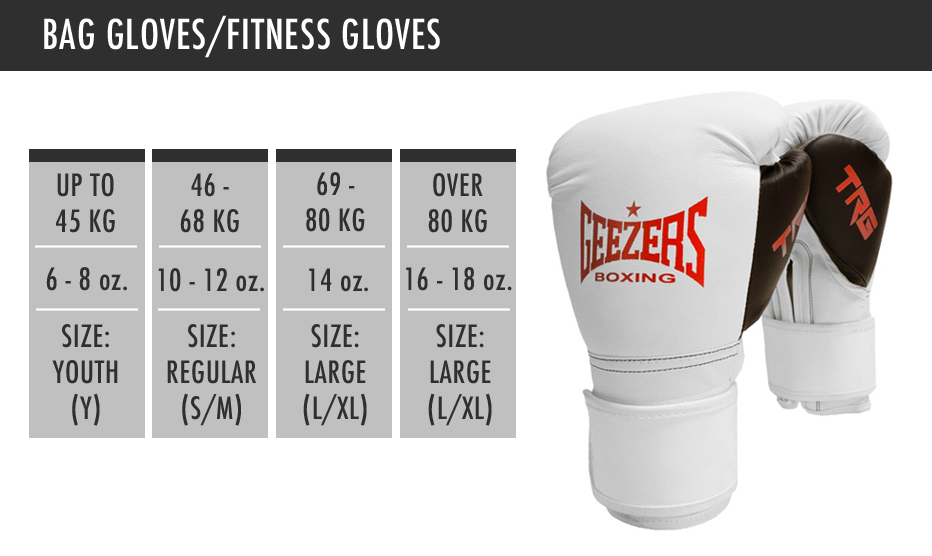
Choosing the right size boxing gloves is key for effective bag work. Gloves that fit well protect your hands and improve your training. Common sizes vary by weight and use. Understanding these sizes helps you pick the best gloves for your workouts.
Understanding Ounce Measurements
Boxing gloves are measured in ounces (oz). This number shows the glove’s weight, not the size. Heavier gloves have more padding. Lighter gloves offer less padding but more speed. Most bag work gloves range from 10 oz to 16 oz. The ounce number affects comfort and protection.
Typical Sizes For Bag Work
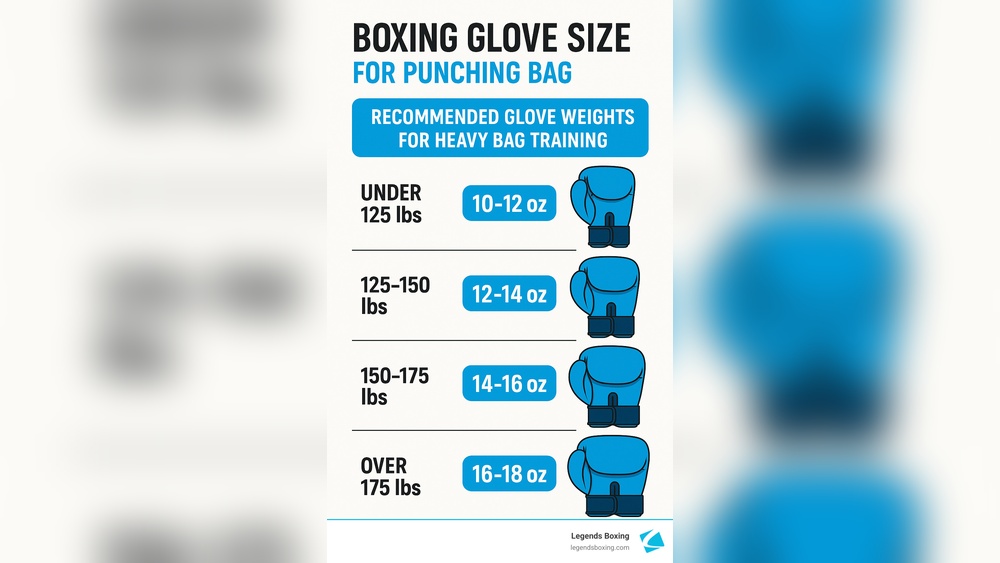
Bag work usually requires gloves between 12 oz and 16 oz. Beginners often use 14 oz gloves for good protection. Experienced boxers may choose 12 oz for faster punches. Larger gloves reduce hand stress during heavy hitting. Pick gloves that feel snug but not tight. Proper fit helps avoid injuries and improves technique.
Factors Affecting Glove Size
Choosing the right boxing glove size depends on several important factors. These factors help ensure your gloves protect your hands and improve your training. Understanding them can help you pick gloves that fit well and feel comfortable during bag work.
Hand Size And Weight
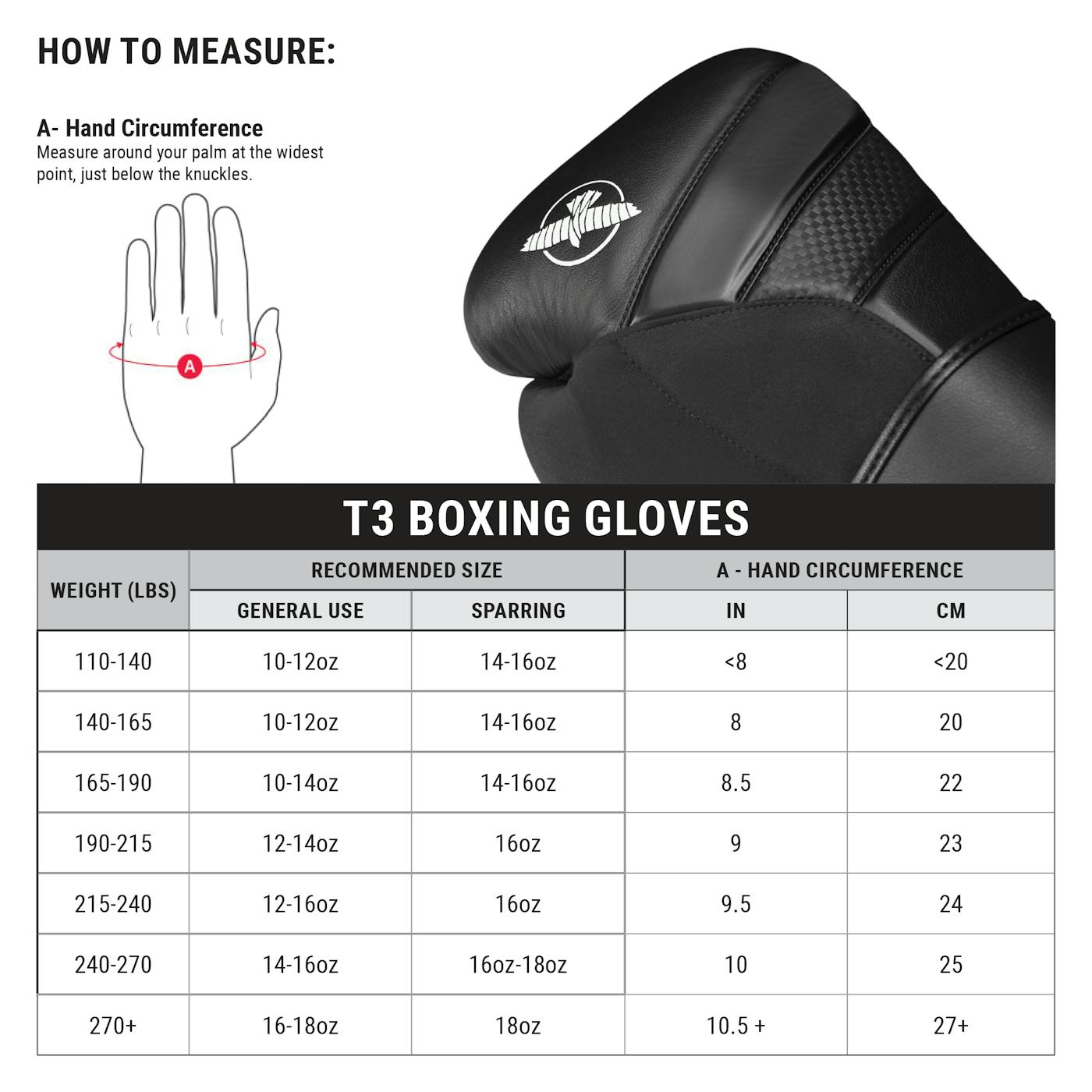
Your hand size is a key factor in choosing glove size. Gloves that are too big or small can cause discomfort or injury. Also, your body weight affects the glove size you need. Heavier boxers often use larger gloves for better protection.
Type Of Bag Training
Different bag types need different glove sizes. For heavy bags, thicker gloves with extra padding work best. For speed bags, lighter gloves help you move faster and keep your hands agile. Choose gloves based on the bag type you train with most.
Personal Comfort And Fit
Comfort matters a lot in boxing gloves. Gloves should feel snug but not tight. They need to allow good wrist support and hand movement. Trying on gloves before buying helps find the best fit for your hands and training style.
Credit: kdfoundation.org
Glove Types For Bag Work
Choosing the right gloves is important for bag work. Different gloves serve different purposes. Knowing the types helps you train safely and effectively. Two common types are bag gloves and training gloves. Each offers unique features for your workout.
Bag Gloves Vs. Training Gloves
Bag gloves are lighter and thinner. They allow faster punches and better feel for the bag. These gloves protect your knuckles but have less padding overall. They are designed for heavy bag and speed bag use.
Training gloves are thicker and heavier. They provide extra padding to protect your hands and wrists. These gloves are good for sparring and bag work. They help reduce the risk of injury during long sessions.
Differences In Padding And Support
Bag gloves have less padding to keep punches quick. This padding mainly protects your knuckles. The wrist support is usually minimal. This design allows more hand movement but less wrist stability.
Training gloves have more foam padding. This extra padding cushions your hands and wrists. It absorbs impact better than bag gloves. The wrist support is stronger to prevent injuries. This makes training gloves safer for hard hits and longer use.
Choosing The Right Weight
Choosing the right weight for your boxing gloves is important for effective bag work. The glove weight affects your speed, power, and endurance during training. Picking the correct weight helps you train smart and stay safe.
Benefits Of Lighter Gloves
Lighter gloves usually weigh between 8 and 12 ounces. They allow faster punches, improving your hand speed and reaction time. You can throw more punches without feeling too tired.
Lighter gloves also help with technique. They let you focus on accuracy and quick movements. If you want to build speed and precision, lighter gloves are a good choice.
Advantages Of Heavier Gloves
Heavier gloves often range from 14 to 18 ounces. They add resistance, making your muscles work harder. Training with heavier gloves builds strength and endurance.
Heavier gloves offer better protection for your hands and wrists. They reduce the risk of injury during powerful punches. Using heavier gloves can prepare you for real fight conditions.
Material And Durability
Choosing the right material for your boxing gloves affects comfort and how long they last. Gloves made from strong materials protect your hands better during bag work. Durability means your gloves stay good after many training sessions. Good gloves save money because you replace them less often.
Leather Vs. Synthetic Gloves
Leather gloves offer better breathability and last longer. They mold to your hands over time, giving a better fit. Leather feels softer and more natural when you punch. Synthetic gloves cost less and are easier to clean. They may wear out faster and feel stiffer. For heavy bag work, leather gloves usually hold up better.
Longevity And Maintenance Tips
Keep gloves dry after use to stop bad smells and damage. Use glove deodorizers or stuff them with newspaper to absorb moisture. Wipe gloves with a clean cloth after training. Avoid leaving gloves in direct sunlight or wet places. Regular cleaning helps keep the material strong. Proper care extends the life of your gloves.
Additional Tips For Glove Selection
Choosing the right size boxing gloves for bag work involves more than just numbers. Several factors affect comfort and performance. These tips help you pick gloves that fit well and protect your hands.
Trying Gloves On
Put on gloves before buying. Move your fingers and make a fist. Gloves should feel snug but not tight. Test how they feel with hand wraps on. Comfort is key for long training sessions.
Using Hand Wraps
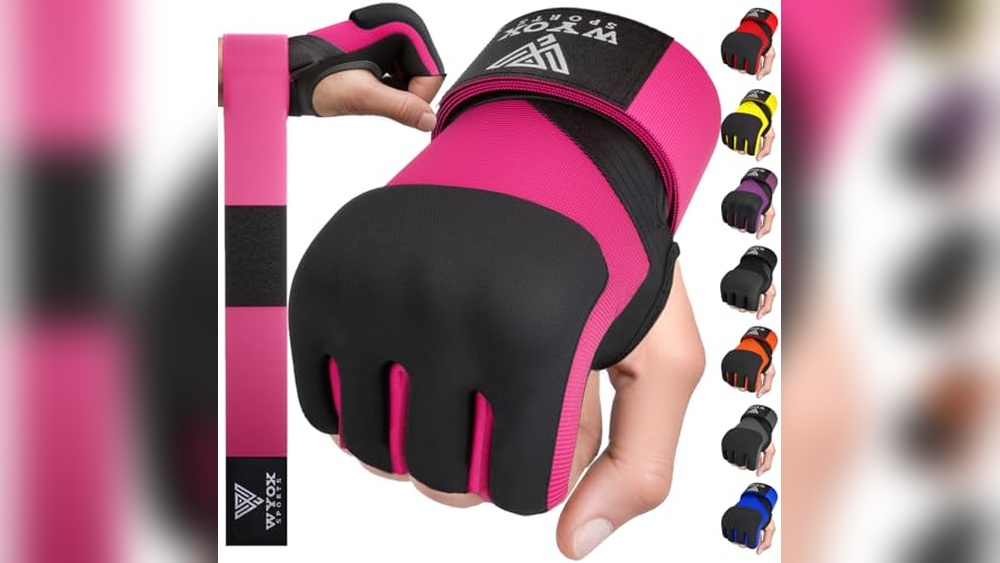
Hand wraps add padding and support. They take up space inside gloves. Try gloves with your hand wraps on. This helps find the right glove size. Avoid gloves that feel too loose or too tight with wraps.
Budget Considerations
Set a budget before shopping. Good gloves do not have to be expensive. Look for durable materials and proper padding. Cheaper gloves might wear out fast. Invest in gloves that protect your hands well.
Credit: www.hayabusafight.com
Frequently Asked Questions
What Size Boxing Gloves Are Best For Bag Work?
For bag work, 12 to 16 oz gloves are ideal. They provide enough padding to protect your hands and the bag. Choose based on your hand size and weight for comfort and safety.
How Does Glove Weight Affect Bag Training?
Heavier gloves offer more protection but can tire you faster. Lighter gloves allow speed and endurance but less padding. Balance weight and protection for effective training.
Can I Use Sparring Gloves For Bag Work?
Sparring gloves can be used but may wear out faster. Bag gloves are usually more durable and designed for impact. It’s best to use gloves made specifically for bag work.
Why Is Glove Fit Important For Bag Work?
Proper fit prevents injuries and improves control during training. Gloves that are too loose or tight can cause discomfort and reduce effectiveness. Always choose gloves that fit snugly without restricting movement.
Conclusion
Choosing the right boxing gloves protects your hands and improves your training. Lighter gloves offer speed, while heavier ones give more padding. Think about your weight and training goals when picking gloves. Comfort and fit matter a lot. Try different sizes to see what feels best.
The right gloves help you train longer and safer. Keep these tips in mind to make a smart choice. Your hands will thank you every time you hit the bag.