Choosing the right size boxing gloves can make all the difference in your training and performance. If you’re wondering, “What size boxing gloves do I wear?”
You’re not alone. Picking gloves that fit well protects your hands, boosts your confidence, and helps you train longer without discomfort. You’ll discover simple tips to find the perfect glove size for your needs, whether you’re a beginner or a seasoned boxer.
Keep reading to unlock the secret to better punches and safer workouts!
Why Glove Size Matters
Choosing the right size boxing gloves is very important. It affects how well you perform and how safe you stay. Gloves that fit well help you train better and avoid injuries. Understanding why glove size matters can help you pick the perfect pair.
Impact On Performance
Gloves that are too big or too small can slow you down. Properly sized gloves give you better control and speed. They help your punches land correctly. You can move your hands freely and react faster.
Injury Prevention
Gloves protect your hands and wrists from harm. The right size offers good padding and support. It reduces the chance of sprains and fractures. Gloves that fit poorly increase injury risks during training or fights.
Comfort And Fit
Comfort is key for long training sessions. Gloves that fit well feel snug without being tight. They stop your hands from slipping inside. A good fit keeps you focused and ready to train hard.
How Boxing Gloves Are Measured
Choosing the right boxing gloves starts with understanding how they are measured. Gloves are not sized like regular gloves. Instead, they use weight and dimensions to define the fit and protection level. This helps boxers pick gloves that suit their training or fighting style.
Weight Vs. Size
Boxing gloves are measured by weight, not by hand size. The weight is shown in ounces (oz). This weight includes the glove’s padding and material. Heavier gloves offer more padding and protection. Lighter gloves are faster but provide less cushioning. The weight affects comfort, protection, and performance.
Common Weight Categories
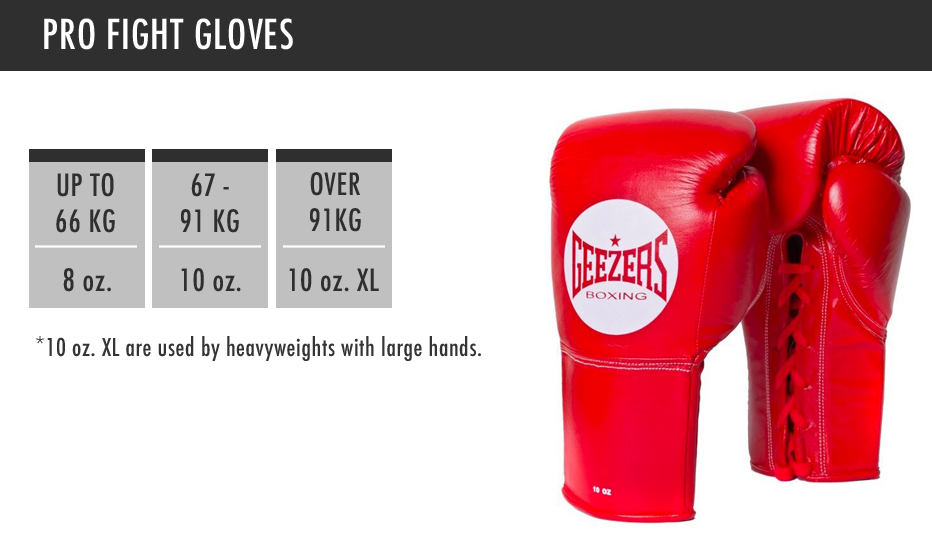
Most boxing gloves come in several standard weights. Common weights include 8 oz, 10 oz, 12 oz, 14 oz, and 16 oz. Fighters often choose 8 oz or 10 oz for competition. For training, 12 oz to 16 oz gloves are popular. Heavier gloves are used for sparring to reduce injury risk.
Understanding Glove Dimensions
Beyond weight, glove size depends on hand circumference. This is measured around the widest part of the hand. Gloves also vary in length and width to fit different hand shapes. Proper fit means gloves stay secure and protect the hand well. Trying gloves on helps find the best fit.
Factors Influencing Glove Size Choice
Choosing the right size boxing gloves depends on several key factors. These factors help ensure comfort, protection, and performance during training or competition. Understanding these elements can guide you to pick the best glove size for your needs.
Hand Size And Shape
Hand size plays a major role in glove fit. Measure your hand around the knuckles without the thumb. Gloves that are too tight can restrict movement. Loose gloves may cause hand injuries. Also, hand shape varies from person to person. Some have wider palms or longer fingers. Choose gloves that match your hand shape for better comfort and control.
Training Purpose
The type of training affects glove size choice. Heavy bag work requires more padding for impact protection. Sparring gloves need extra cushioning to protect both you and your partner. Competition gloves are lighter and more compact for speed. Select gloves based on your main training focus to avoid injury and improve performance.
Experience Level
Beginners often benefit from larger gloves with more padding. These gloves provide better protection while learning proper technique. Experienced boxers might prefer smaller gloves for faster hand speed. Skill level influences glove size choice and the amount of padding needed. Adjust your glove size as your experience grows to suit your training style.
Choosing Gloves For Different Boxing Activities
Choosing the right boxing gloves depends on the activity you plan to do. Each type of boxing requires gloves designed for safety and performance. Picking gloves made for specific uses helps protect your hands and your training partner.
Different activities need different glove sizes and padding. This section explains the best gloves for bag work, sparring, and competition.
Bag Work Gloves
Bag work gloves are for hitting heavy bags and focus pads. These gloves usually have firmer padding to protect your knuckles. They are lighter and allow for fast punches. The size is often smaller, around 12 to 14 ounces. Choose gloves that fit snugly for better control.
Sparring Gloves
Sparring gloves keep both you and your partner safe. They have more padding than bag gloves. The extra padding reduces the impact of punches. Sparring gloves are bigger, often 14 to 16 ounces. This size helps absorb shock and prevent injuries. Pick gloves that offer comfort and good wrist support.
Competition Gloves
Competition gloves follow specific rules about size and weight. They are lighter to allow faster punches. Usually, these gloves weigh 8 to 10 ounces. Competition gloves have less padding than sparring gloves. You must select gloves approved by the event or organization. Fit and feel are very important to perform well.
How To Measure Your Hand For Gloves
Choosing the right size boxing gloves starts with measuring your hand correctly. A proper fit protects your hands and improves your performance. Knowing how to measure your hand helps you pick gloves that feel comfortable and secure.
Tools Needed
Gather a flexible measuring tape. If you do not have one, use a string and a ruler. You need something that wraps easily around your hand. A pen and paper help to write down your measurements.
Step-by-step Measurement
Start by opening your hand wide. Wrap the measuring tape around the widest part of your palm. This is usually below the knuckles, excluding your thumb. Note the number where the tape meets. This number is your hand circumference. Next, measure the length from the tip of your middle finger to the base of your palm. Write both numbers down. Use these measurements to check glove size charts.
Common Measurement Mistakes
Do not measure with a clenched fist. This can give a smaller size than needed. Avoid pulling the tape too tight or leaving it loose. Measure your dominant hand because it is usually bigger. Don’t forget to measure more than once for accuracy.

Credit: www.smai.com
Glove Size Chart And Recommendations
Choosing the right size boxing gloves is key for comfort and protection. A glove size chart helps find the best fit based on your weight and hand size. This guide gives clear recommendations for picking gloves that suit your needs.
Size Chart By Weight
Boxing gloves come in sizes measured in ounces (oz). The right size depends mainly on your body weight.
- Under 120 lbs: 8 oz or 10 oz gloves
- 120 to 150 lbs: 10 oz or 12 oz gloves
- 150 to 180 lbs: 12 oz or 14 oz gloves
- Over 180 lbs: 14 oz or 16 oz gloves
Heavier gloves offer more padding and protection. Lighter gloves give faster hand movement but less cushioning.
Adjusting For Personal Preference
Some boxers prefer tighter gloves for better control. Others want extra padding for safety. Consider how you train. For bag work, lighter gloves might feel better.
For sparring, choose heavier gloves to protect both you and your partner. Also, think about hand size. Bigger hands may need a larger glove size.
Tips For Trying On Gloves
Try gloves with hand wraps on. They add extra space inside the glove. Make sure fingers move comfortably. Gloves should fit snug but not tight.
Move your hands as if punching. Check for any pinching or pressure points. Feel the wrist support. A secure wrist helps prevent injuries.
Test different brands. Sizes can vary between manufacturers. Take your time and pick gloves that feel right.
Materials And Padding Affecting Fit
Choosing the right boxing gloves means understanding how materials and padding affect the fit. Gloves are not just about size. The type of material and padding inside changes how gloves feel on your hands. These details affect comfort, protection, and performance during training or matches.
Leather Vs. Synthetic
Leather gloves are durable and soften with use. They mold to your hand over time. This creates a snug fit and better comfort. Synthetic gloves are lighter and cheaper. They do not stretch much and can feel stiff at first. Synthetic material may not last as long but works well for beginners or casual use.
Padding Types
Foam padding is common and offers good shock absorption. It shapes the glove and protects your knuckles. Gel padding provides extra cushioning and reduces impact better. Some gloves mix foam and gel for balance. Thicker padding means more protection but less hand movement. Choose padding based on your training style and protection needs.
Glove Break-in Process
New gloves feel tight and stiff. The break-in process makes gloves softer and fits better. Punching bags and hand exercises help soften padding and material. Wearing gloves for light sessions also shapes them to your hands. Break-in improves comfort and control. Avoid heavy use until gloves feel more flexible.
Credit: hydrogeology.mn
Maintaining And Caring For Boxing Gloves
Maintaining and caring for boxing gloves is important to keep them in good shape. Proper care helps prevent bad smells and damage. It also makes your gloves last longer. Simple steps can protect your investment and keep your gloves ready for every session.
Cleaning Tips
Wipe gloves with a clean cloth after each use. Use a mild soap and water mix for deep cleaning. Avoid soaking gloves; moisture damages the padding. Let gloves dry naturally in a well-ventilated area. Do not use a dryer or direct sunlight. Use glove deodorizers or baking soda to reduce odor.
Storage Advice
Store gloves in a cool, dry place. Avoid leaving gloves in your gym bag for long periods. Keep gloves open or use a glove rack to allow airflow. Never store gloves in a sealed plastic bag. Proper storage prevents mold and bad smells.
Extending Glove Lifespan
Use hand wraps to reduce sweat inside gloves. Rotate between two pairs of gloves if possible. Regularly check gloves for tears or loose stitching. Repair small damages quickly to avoid bigger problems. Good care habits help your gloves stay strong and comfortable for a long time.

Credit: kdfoundation.org
Frequently Asked Questions
What Boxing Glove Size Suits Beginners Best?
Beginners usually benefit from 12 to 14-ounce gloves. These sizes offer balanced protection and comfort. They help reduce injury risk while learning techniques.
How To Choose Glove Size By Weight?
Boxing glove sizes depend on your body weight. Lighter athletes use 8 to 10 ounces. Heavier athletes prefer 14 to 16 ounces for extra padding.
Do Glove Sizes Affect Training Effectiveness?
Yes, glove size impacts training quality. Proper size ensures hand protection and correct punching form. Using wrong sizes can cause injury and hamper progress.
Can I Use The Same Gloves For Sparring And Bag Work?
No, sparring gloves and bag gloves differ. Sparring gloves are heavier for protection. Bag gloves are lighter for speed and impact on bags.
Conclusion
Choosing the right boxing glove size matters a lot. It helps protect your hands and your opponent. Gloves that fit well feel comfortable and improve your performance. Remember to consider your weight and training style. Try on different sizes if you can.
Always pick gloves that support your goals and safety. With the right size, you can focus more on training and less on discomfort. Keep these tips in mind for a better boxing experience. Your hands will thank you.