Choosing the right size boxing gloves for your training can make a huge difference in your performance and safety. If you’ve ever felt discomfort or struggled with your gloves during practice, you’re not alone.
Finding gloves that fit well protects your hands and helps you train longer and harder. You’ll discover exactly how to pick the perfect glove size for your needs. Keep reading, and you’ll soon have the confidence to train smarter and stronger every time you step into the ring.
Credit: www.tondicaffe.com
Choosing The Right Glove Size
Choosing the right glove size is important for training in boxing. The right size helps protect your hands and makes your training better. Gloves that are too small can hurt your knuckles and wrists. Gloves that are too big may feel loose and unsafe. Understanding how to pick the right size can improve your comfort and safety during workouts.
Why Size Matters
Glove size affects how well you protect your hands. Proper gloves absorb impact and reduce injury risk. Gloves that fit well also help you move your hands freely. Wrong sizes can cause pain and reduce your training quality. Good fit means better control and comfort during punches.
Common Glove Sizes
Boxing gloves come in sizes measured in ounces, like 8 oz, 10 oz, or 14 oz. Smaller sizes like 8 oz are for lighter training and competitions. Medium sizes like 12 oz and 14 oz are common for general training. Larger gloves, 16 oz and above, offer more padding for sparring and heavy bag work. Choose size based on your training type and hand size.
Weight Vs. Fit
Weight shows the glove’s padding amount. Fit depends on your hand size and shape. Heavier gloves have more padding but can feel bulky. Lighter gloves are easier to move but protect less. Try gloves on to check comfort and tightness. Balance weight and fit to find the best gloves for your training.
Credit: www.dickssportinggoods.com
Factors Influencing Glove Size
Choosing the right size boxing gloves is key for safe and effective training. Several factors affect which glove size fits best. Understanding these factors helps you pick gloves that protect your hands and improve your performance.
Hand Measurements
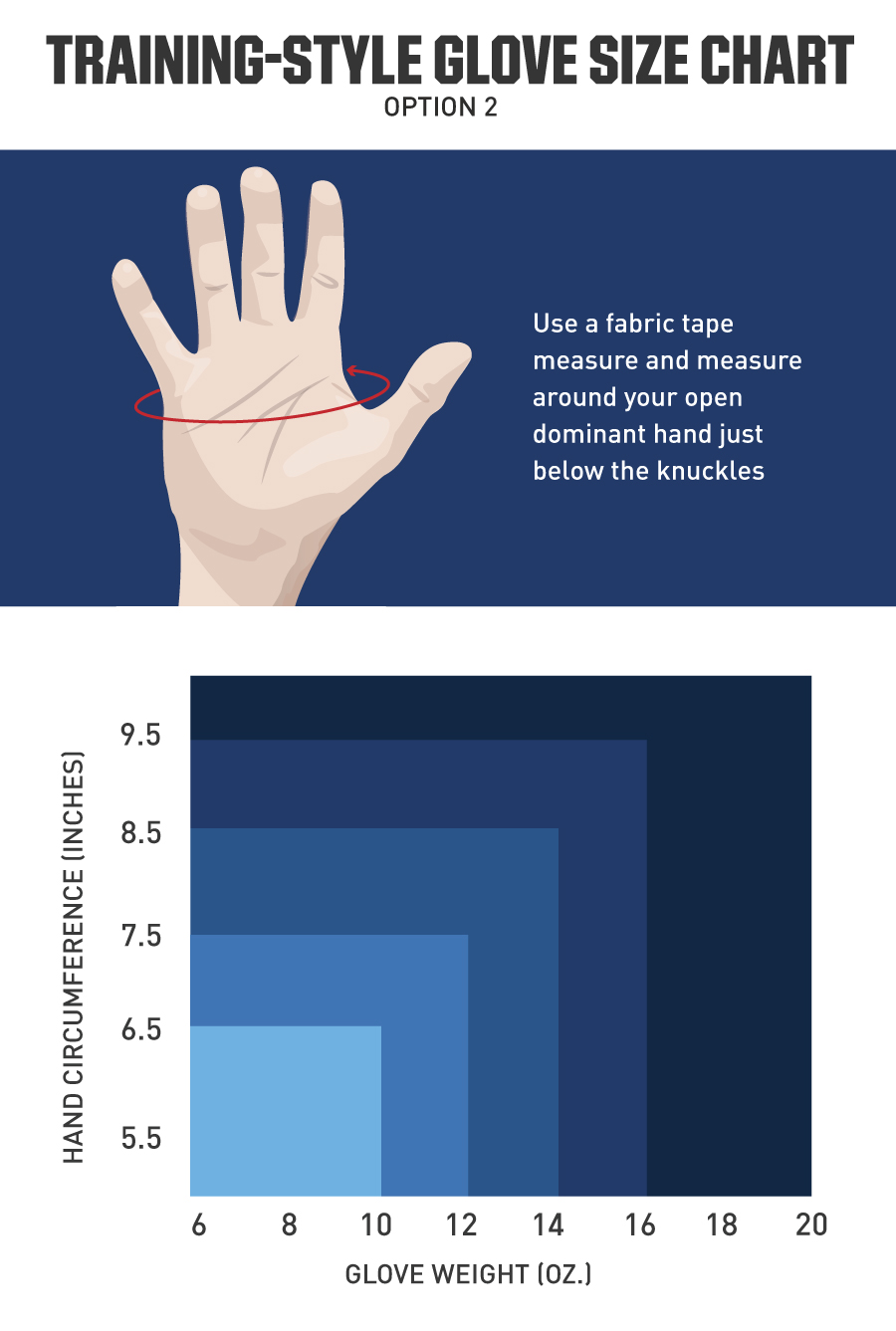
Measure your hand around the knuckles with a tape measure. This size helps determine the glove width. Gloves that are too tight limit movement. Gloves too loose reduce protection. Accurate hand measurement ensures a comfortable fit.
Training Type
Different training styles need different gloves. Heavy bag training requires more padding for impact. Sparring needs gloves with extra protection for both fighters. Fitness boxing may use lighter gloves for speed. The training type guides your glove weight and padding choice.
User Weight And Height
Your body size affects glove size choice. Heavier or taller users generally need larger gloves. Smaller users benefit from lighter gloves for better control. Matching glove size to your weight and height improves comfort and safety during training.
Types Of Training Gloves
Choosing the right boxing gloves is key to effective training. Different gloves serve different purposes. Understanding the types helps you pick gloves that fit your training needs. This guide covers three main types of training gloves.
Bag Gloves
Bag gloves protect your hands during heavy bag workouts. They are lighter and thinner than other gloves. This design helps you feel the bag better. Bag gloves offer good wrist support. They reduce the risk of injury from repetitive punching.
Sparring Gloves
Sparring gloves are heavier and more padded. They protect both you and your sparring partner. These gloves reduce the impact of punches. They allow safer practice of techniques. Sparring gloves usually weigh between 14 to 16 ounces.
Competition Gloves
Competition gloves are lighter and less padded than training gloves. They focus on speed and power for matches. These gloves follow strict size and weight rules. Wearing the right competition gloves helps you perform your best.
Sizing Charts And Guidelines
Choosing the right size boxing gloves is important for safe and effective training. Sizing charts and guidelines help you find gloves that fit well and protect your hands. Understanding these basics makes your training more comfortable and productive.
Measuring Your Hand
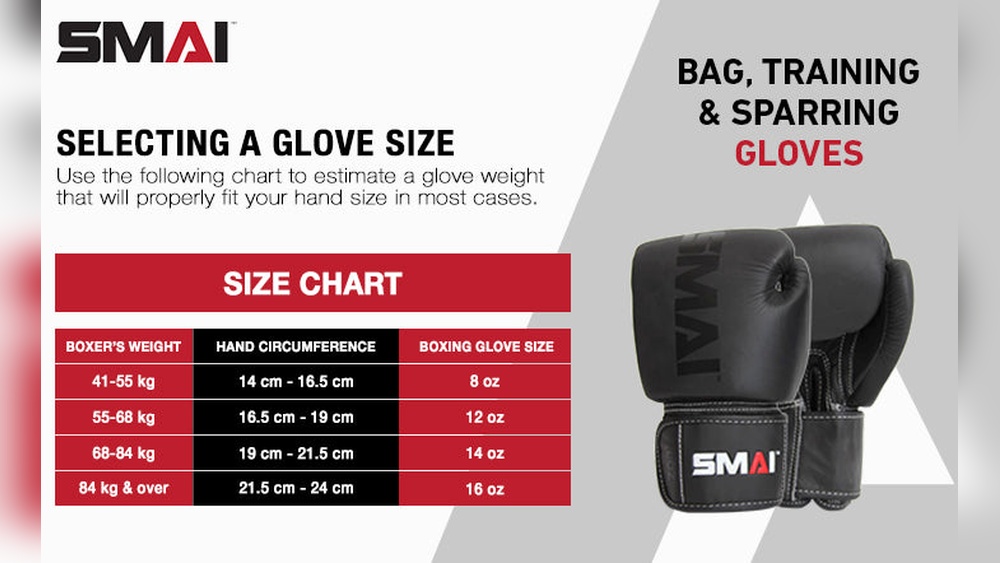
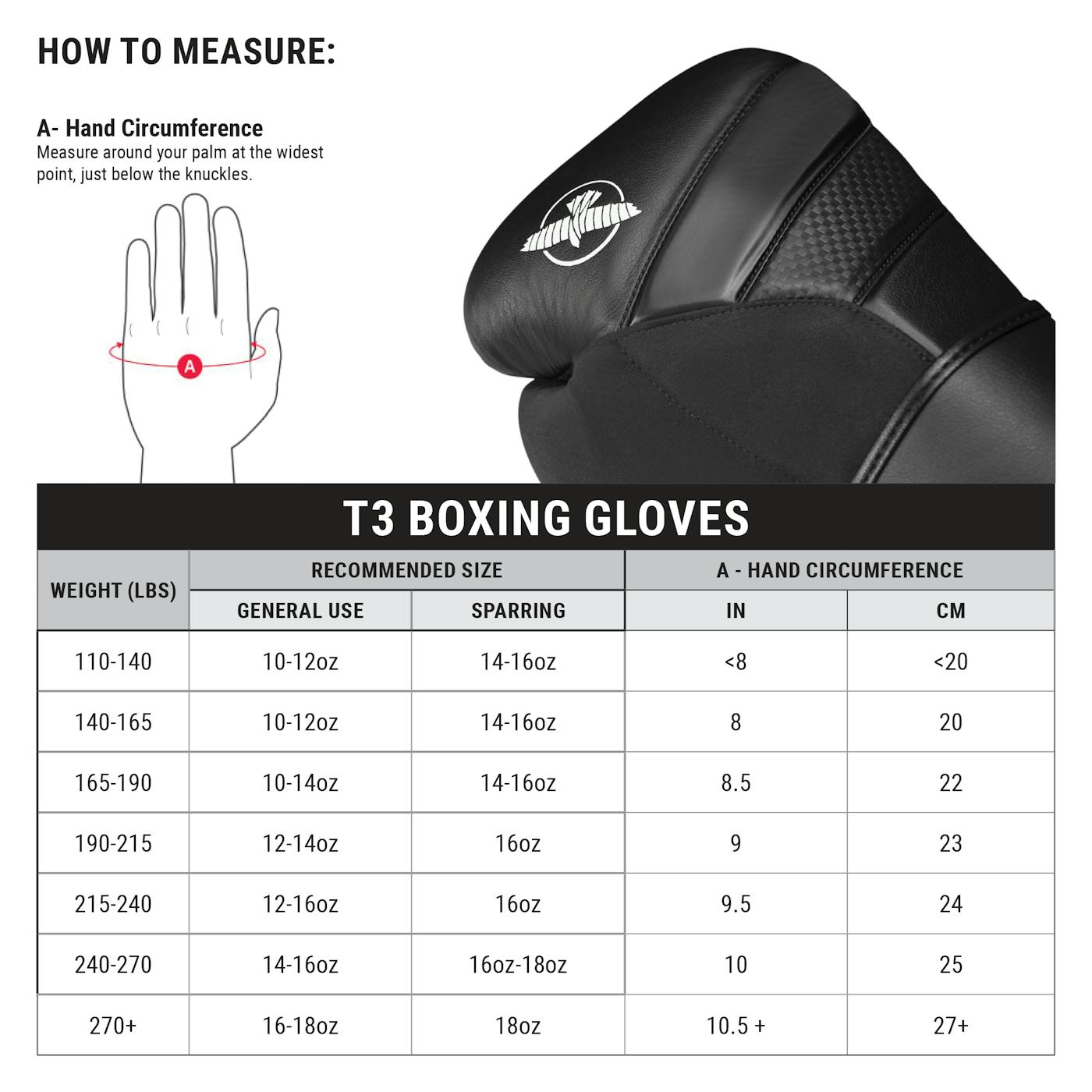
Measure your hand around the knuckles with a soft tape. Keep your fingers together and wrist straight. The number you get helps find the right glove size. This simple step ensures gloves fit snugly without being too tight.
Matching Weight To Size
Boxing gloves come in different weights, like 8 oz, 10 oz, 12 oz, and more. The weight shows the glove’s padding and size. Heavier gloves offer more protection but may feel bulky. Choose a glove weight that fits your training type and hand size.
Brand Variations
Each brand has its own sizing chart and style. Some gloves may fit larger or smaller than others. Always check the brand’s specific guide before buying. Trying gloves on helps find the best fit for your hand and training needs.
Tips For Perfect Glove Fit
Choosing the right boxing gloves is not just about size. Fit matters a lot for comfort and safety. Proper fit helps avoid injuries and improves your training. This section shares simple tips to get the best glove fit. Follow these ideas to find gloves that feel just right.
Trying Gloves On
Always try gloves before buying. Put them on and make a fist. Gloves should feel snug but not tight. Your fingers need space to move inside. Check the wrist fit too. It should hold your wrist firmly without pain. Move your hands around to test comfort. Try different brands and sizes. Each brand fits a little differently.
Padding And Protection
Good padding keeps your hands safe during training. Thicker padding gives more protection but may feel bulky. Thin padding offers better control but less cushion. Balance padding with your training type. Check padding around the knuckles and wrist. Make sure it absorbs shocks well. Padding should feel soft but firm.
Wraps And Glove Compatibility
Hand wraps add extra protection under gloves. Use wraps that fit your gloves well. Bulky wraps may make gloves too tight. Thin wraps fit better but offer less padding. Test gloves with your usual wraps. Gloves should close easily over wrapped hands. Proper fit prevents slipping and discomfort.
Common Mistakes To Avoid
Choosing the right size boxing gloves matters for effective training. Many beginners make simple mistakes that can cause pain or slow progress. Avoid these common errors to get the best results and protect your hands.
Choosing Too Small
Small gloves can hurt your knuckles and wrists. They offer less padding and shock absorption. This increases the chance of injury during punches. Small gloves also make your hands tired faster. Always pick gloves that fit your hand size well.
Ignoring Training Purpose
Training gloves differ from competition gloves. Using the wrong type can limit your performance. For bag work, heavier gloves protect your hands better. For sparring, softer gloves reduce injury risks for both fighters. Match your glove size to your training needs.
Overlooking Comfort
Uncomfortable gloves distract you from training. Tight gloves cut off circulation and cause numbness. Loose gloves do not provide enough support. Comfort affects your focus and endurance. Try gloves on before buying to check fit and feel.
Maintaining Your Boxing Gloves
Maintaining your boxing gloves is key to keeping them in good shape. Proper care extends their life and keeps them safe to use. Clean gloves feel better and prevent bad smells. Dry gloves stop bacteria and mold growth. These simple steps help you train longer with your gloves.
Cleaning And Drying
After each training, wipe your gloves inside and out with a clean cloth. Use mild soap and water for tough stains. Avoid soaking gloves; too much water can damage them. Let gloves air dry in a cool, dry place. Never put gloves under direct sunlight or in a dryer. Use glove deodorizers or stuff them with newspaper to absorb moisture.
Storage Tips
Store gloves in a well-ventilated area. Avoid leaving them in your gym bag for long periods. Keep gloves away from heat sources and damp places. Use a breathable bag to carry gloves to training. Proper storage keeps gloves fresh and helps them keep their shape.
When To Replace Gloves
Check gloves for cracks, tears, or worn padding. Gloves that lose shape or become too soft need replacement. Bad odor that won’t go away is a sign to get new gloves. Using old gloves can cause hand injuries. Replace gloves regularly to protect your hands and improve your training.

Credit: www.smai.com
Frequently Asked Questions
What Size Boxing Gloves Are Best For Beginners?
For beginners, 12 to 14 oz gloves provide good protection and comfort. They balance weight and padding well. These sizes help reduce hand injuries during training and improve technique development.
How Do I Choose Glove Size For Training?
Choose glove size based on your weight and training type. Lighter individuals often use 10 to 12 oz gloves. Heavier or more experienced boxers prefer 14 to 16 oz for better protection and endurance.
Are Heavier Gloves Better For Training?
Heavier gloves, like 14 to 16 oz, offer more padding and wrist support. They slow down punches, enhancing endurance and technique. Using heavier gloves during training improves strength and reduces injury risk.
Can I Use The Same Gloves For Sparring And Bag Work?
No, sparring gloves usually weigh 14 to 16 oz for protection. Bag gloves are often lighter, around 10 to 12 oz, for speed and impact. Using the right gloves ensures safety and effective training.
Conclusion
Choosing the right boxing glove size protects your hands and improves training. Smaller gloves offer speed but less padding. Larger gloves give more protection but feel heavier. Consider your weight, training type, and comfort. Try different sizes before buying. Proper gloves help you train longer and safer.
Stay consistent and enjoy your boxing journey.


