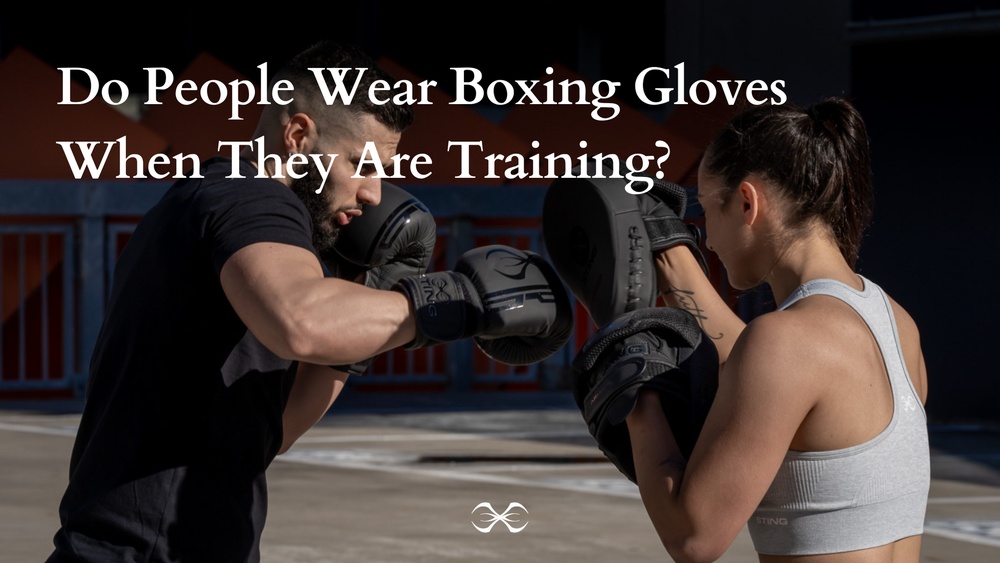
Choosing the right size boxing gloves for bag work can make a huge difference in your training. If you pick gloves that are too big or too small, you might risk injury or miss out on getting the most from your workout.
You want gloves that protect your hands, feel comfortable, and help you hit the bag with confidence. You’ll discover exactly what size gloves fit your needs, so you can train harder and smarter. Keep reading to find the perfect gloves for your bag work and boost your boxing game!
Choosing The Right Glove Size
Choosing the right glove size is key for effective bag work. The right gloves protect your hands and improve training. Gloves that are too small can cause injury. Gloves that are too big reduce control and power. Finding the perfect size helps you train longer and safer.
Why Size Matters
Proper glove size protects your knuckles and wrists. It cushions impact and reduces injury risk. The right fit improves your punching technique. Gloves that fit well feel comfortable and secure. They help you hit the bag with more confidence.
Common Glove Sizes
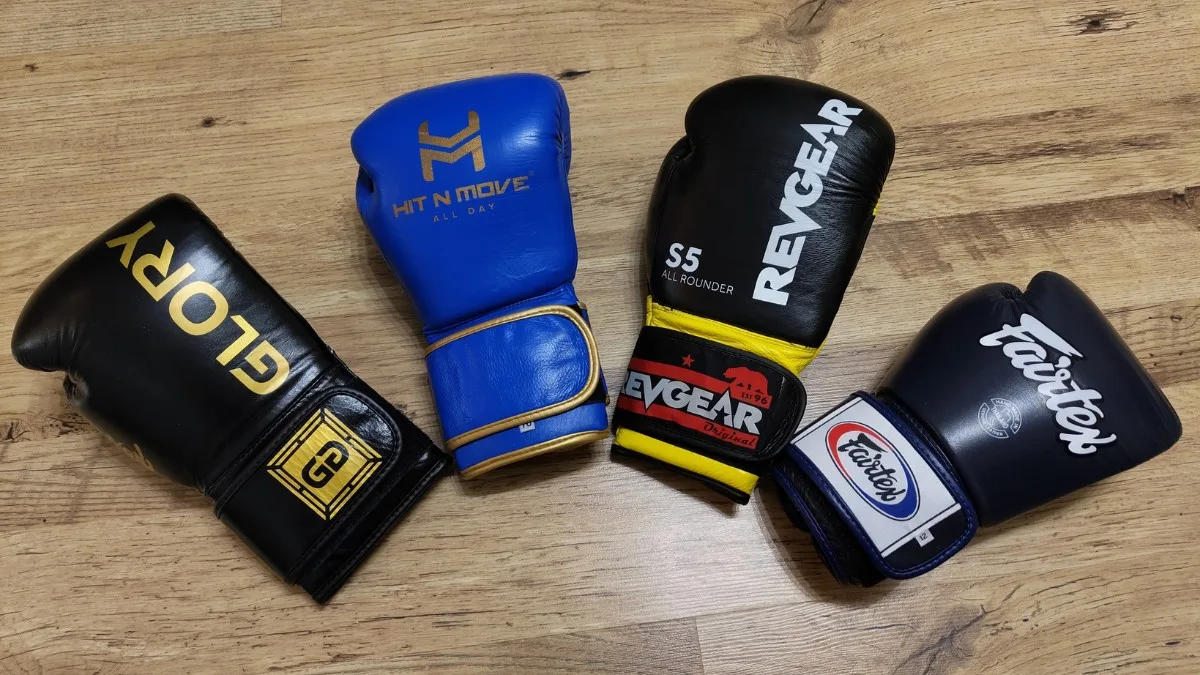
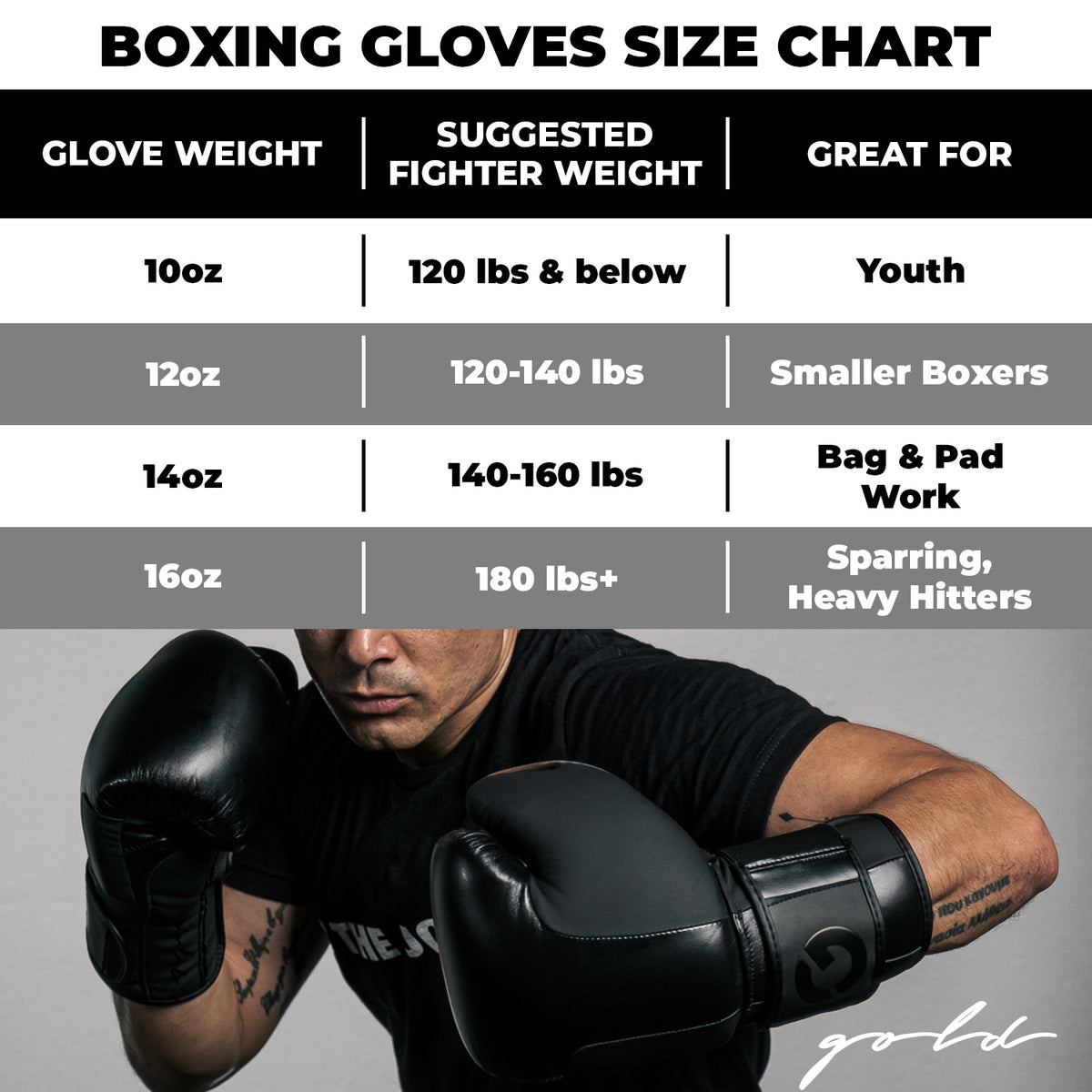
Boxing gloves are measured in ounces (oz). Common sizes include 8 oz, 10 oz, 12 oz, 14 oz, and 16 oz. Lighter gloves offer less padding and more speed. Heavier gloves provide extra protection and build strength. Beginners often use 12 oz or 14 oz gloves for bag work. Choose a size based on your weight and training goals.
Credit: kdfoundation.org
Factors Influencing Glove Size
Choosing the right size boxing gloves depends on several important factors. These elements affect comfort, safety, and performance during bag work. Understanding these factors helps you pick gloves that fit well and protect your hands. Below are key points to consider when selecting glove size for bag training.
Hand Weight And Size
Your hand weight and size play a big role in glove selection. Larger hands need bigger gloves for a comfortable fit. Gloves that are too small can cause pain and reduce movement. Check your hand weight and compare it with glove size charts. This ensures your gloves feel snug without being tight.
Type Of Training
The type of training affects the glove size you should choose. Bag work requires gloves with enough padding to absorb impact. Sparring gloves might be bigger for extra protection. For bag work, gloves usually range from 12 to 16 ounces. Pick a size that allows good wrist support and flexibility.
Padding And Protection
Padding is crucial for protecting your hands during bag work. Thicker padding reduces the risk of injuries. Gloves with more padding feel heavier but offer better shock absorption. Thin padding can lead to bruises and discomfort. Balance protection and comfort by choosing gloves that suit your training intensity.
Glove Sizes For Bag Work
Choosing the right glove size is key for effective bag work. Gloves protect your hands and improve your training. Using the correct size helps avoid injuries and boosts performance. Different bags need different glove sizes. Understanding these sizes makes your workouts safer and more productive.
Recommended Sizes For Heavy Bag
Heavy bag gloves have more padding. They protect your knuckles and wrists from hard hits. Gloves weighing 14 to 16 ounces suit most adults. Larger gloves reduce impact and absorb shock well. Beginners and heavier users should choose 16-ounce gloves. Smaller hands can use 12 to 14 ounces for better control.
Ideal Sizes For Speed Bag
Speed bag gloves are lighter and less padded. They allow faster punches and better hand movement. Gloves around 8 to 10 ounces are best. These sizes help improve hand speed and timing. Too much padding slows your punches down. Choose snug gloves to feel the bag well.
Credit: kdfoundation.org
Material And Fit Considerations
Choosing the right boxing gloves for bag work involves more than just size. Material and fit play a big role in comfort and performance. These factors affect how you train and protect your hands. Understanding the difference between materials and the importance of fit helps you pick the best gloves.
Leather Vs Synthetic Gloves
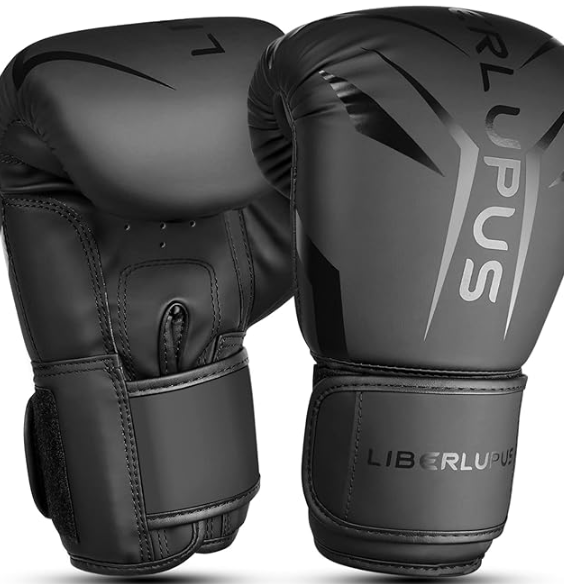
Leather gloves are strong and last longer. They feel soft and mold to your hand over time. These gloves handle sweat better and resist wear. They cost more but give good value for frequent use.
Synthetic gloves are lighter on the wallet. They dry faster but can wear out quickly. These gloves are good for beginners or occasional training. They come in many colors and styles.
Importance Of Proper Fit
Gloves that fit well protect your hands and wrists. Too tight gloves can cause pain and limit movement. Too loose gloves reduce control and increase injury risk. Your fingers should move comfortably inside the glove.
Try gloves on before buying, if possible. Wrap your hands with hand wraps for the best fit test. A snug but comfortable fit helps you punch with power and safety.
Tips For Trying On Gloves
Trying on boxing gloves is an important step before buying them for bag work. Gloves that fit well protect your hands and improve your training. Take your time to test the gloves carefully. Pay attention to how they feel on your hands and wrists. Small details can make a big difference in comfort and safety.
Checking Comfort And Mobility
Put on the gloves and make a fist several times. Your fingers should move freely without pain or pressure. The gloves should not feel too tight or too loose. Check if your hand slides inside the glove. Your knuckles need to line up with the padding. Good mobility helps you punch correctly and reduces injury risk.
Ensuring Wrist Support
Wrap the gloves’ wrist strap firmly around your wrist. The support should feel snug but not cut off circulation. Shake your hand to test stability. Your wrist should stay steady during movement. Proper wrist support protects against sprains during heavy bag hits. Avoid gloves with weak or loose wrist straps.
Maintaining Your Gloves
Proper care keeps your boxing gloves fresh and strong. Regular maintenance stops bad smells and damage. It helps your gloves last longer and feel better on your hands. This section shares easy steps to care for your gloves after bag work.
Cleaning And Drying
Wipe your gloves with a clean, damp cloth after each use. This removes sweat and dirt. Avoid soaking gloves in water. Use a small amount of mild soap if needed. Open the gloves wide to air dry. Do not put them in direct sunlight or near heaters. Stuff gloves with newspaper to absorb moisture quickly.
Extending Glove Lifespan
Store gloves in a cool, dry place. Avoid leaving them in your gym bag for long hours. Use glove deodorizers or silica packs to reduce odor. Rotate between two pairs if you train often. Check gloves for tears or loose stitching regularly. Fix small problems early to prevent bigger damage.
Credit: kdfoundation.org
Frequently Asked Questions
What Size Boxing Gloves Are Best For Bag Work?
For bag work, 12 to 16 oz gloves are ideal. They offer enough padding to protect your hands and wrists. Choose based on your hand size and weight for comfort and safety.
How To Choose Boxing Gloves For Heavy Bag Training?
Select gloves with good padding and wrist support. Typically, 14-16 oz gloves suit heavy bag training well. They absorb impact and reduce injury risk during intense workouts.
Are Heavier Gloves Better For Bag Work?
Heavier gloves provide more protection and build strength. However, they can slow your speed. Balance weight and comfort to maximize training benefits without strain.
Can I Use Sparring Gloves For Bag Work?
You can use sparring gloves for bag work if they have adequate padding. Usually, sparring gloves are 14-16 oz and protect your hands well during bag sessions.
Conclusion
Choosing the right boxing gloves for bag work helps protect your hands and improve training. Size matters for comfort and safety during punches. Heavier gloves offer more padding but feel bulkier. Lighter gloves let you move faster but give less protection.
Think about your weight and training goals when picking gloves. Try different sizes to find what fits best. Good gloves make every workout better and safer. Keep these tips in mind to enjoy your boxing sessions fully.