
Choosing the right size boxing gloves can make all the difference in your training and performance. If you’re unsure about what size boxing gloves to use, you’re not alone.
Picking the wrong gloves can lead to discomfort, poor technique, or even injury. But don’t worry—this guide will help you find the perfect fit for your hands and goals. By the end, you’ll know exactly what size gloves to choose so you can train smarter and fight stronger.
Keep reading, because your best boxing experience starts here.
Choosing Gloves By Weight
Choosing boxing gloves by weight helps match the gloves to your training needs. Gloves come in different weights. Each weight offers different protection and comfort. Picking the right weight can improve your boxing experience and safety.
Common Weight Options
Boxing gloves usually come in 8 oz, 10 oz, 12 oz, 14 oz, and 16 oz. Lighter gloves are often 8 or 10 ounces. Heavier gloves are 14 or 16 ounces. The weight you choose depends on your size and training style.
Weight And Purpose
Lighter gloves are good for competitions. They allow faster punches and better speed. Heavier gloves protect your hands more. They are used for training and sparring. Using the right weight prevents injuries during practice.
Impact On Training
Heavier gloves add resistance to your punches. This builds strength and endurance. Lighter gloves let you practice speed and technique. Changing glove weight helps balance power and skill. Training with proper gloves leads to better results.
Credit: joshtatofimusic.com
Hand Size And Glove Fit
Choosing the right boxing gloves starts with understanding your hand size and how the gloves fit. Gloves that fit well protect your hands and improve your performance. Gloves that are too loose or tight can cause discomfort and injuries. This section explains how to measure your hand and find the perfect glove fit.
Measuring Your Hand
Measure your hand to get the right glove size. Use a tape measure or string around the widest part of your palm. Do not include your thumb. Note the measurement in inches or centimeters. This number helps pick gloves that match your hand size. Accurate measurement prevents buying gloves that are too small or too big.
Matching Size To Comfort
Comfort matters more than exact size numbers. Try gloves on to check how they feel. Your fingers should move easily inside the glove. The glove should wrap snugly without pressure. Gloves that fit well support your wrist and knuckles. Comfortable gloves let you train longer and hit harder.
Avoiding Loose Or Tight Gloves
Loose gloves cause your hand to slide inside. This can lead to blisters and less control. Tight gloves restrict blood flow and cause pain. Both affect your performance and safety. Choose gloves that stay in place but do not squeeze. Good fit means better protection and a better boxing experience.
Glove Types And Their Sizes
Boxing gloves come in different types and sizes. Each type serves a specific purpose. Choosing the right size helps protect your hands and improves performance.
Understanding glove types and their sizes makes it easier to pick the best gloves for your needs.
Bag Gloves
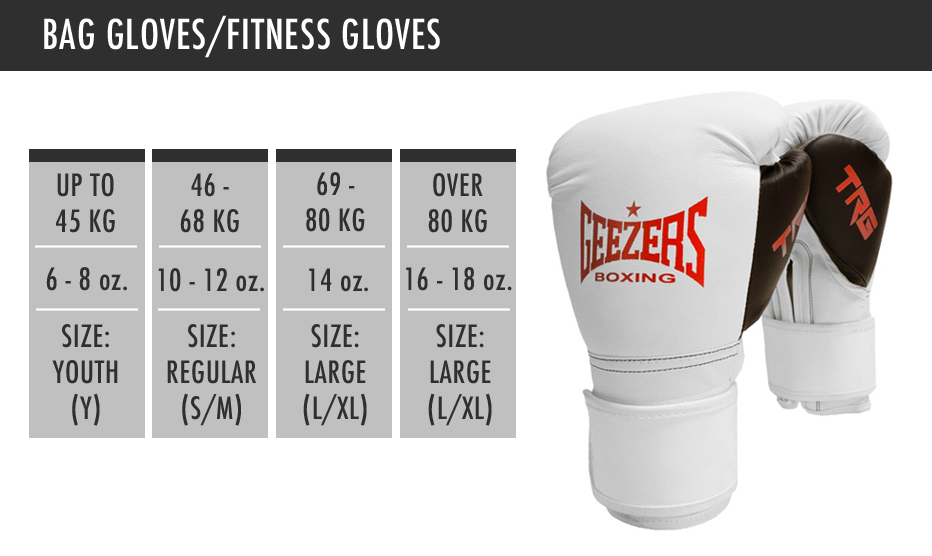
Bag gloves are designed for heavy bag training and pad work. They are lighter and less padded than other gloves. Sizes usually range from 10 oz to 14 oz. Smaller sizes allow better speed and control. Larger sizes offer more protection for your hands.
Sparring Gloves
Sparring gloves have extra padding to protect both you and your partner. They usually come in sizes from 14 oz to 18 oz. Bigger gloves reduce impact during practice. Choose a size that fits snugly but feels comfortable. Proper fit prevents injuries and improves technique.
Competition Gloves
Competition gloves are lighter and have less padding. Sizes often depend on weight classes and rules. Common sizes are 8 oz and 10 oz. These gloves offer faster punches and better feel. Make sure to follow official guidelines for your competition.

Credit: www.kaz-metiz.com
Factors Influencing Glove Choice
Choosing the right size boxing gloves depends on several key factors. These factors help match your gloves to your needs and goals. Proper gloves improve comfort and protect your hands.
Understanding these factors makes it easier to pick gloves that fit well. Let’s explore the main points that influence your glove choice.
Training Goals
Your training type affects glove size choice. For heavy bag work, heavier gloves offer more padding. Lighter gloves suit speed and technique drills better.
Sparring requires gloves with extra padding for safety. Competition gloves are usually smaller and lighter for faster punches.
Skill Level
Beginners need gloves with more padding to protect hands and wrists. Advanced boxers may prefer lighter gloves for better speed and control.
Experience helps you know what feels comfortable and supportive during training.
Frequency Of Use
Frequent training means gloves must be durable and well-padded. Gloves used only occasionally can be lighter and less bulky.
Regular use also demands gloves that fit well to avoid injuries and discomfort.
Protective Features And Fit
Choosing the right boxing gloves is not just about size. Protective features and fit play a big role. Gloves must protect your hands and wrists well. They also need to feel comfortable during training or fights. A glove with poor fit can cause injuries or reduce performance. Let’s break down key features to consider for the best protection and fit.
Padding Thickness
Padding protects your knuckles and hands from impact. Thicker padding offers more shock absorption. It reduces the risk of bruises and fractures. For beginners, more padding is safer. Pro boxers might prefer thinner padding for faster punches. The right thickness depends on your training type and intensity.
Wrist Support
Strong wrist support prevents sprains and twists. Gloves with wide, adjustable straps offer better stability. They keep your wrist aligned during punches. Good wrist support also reduces hand fatigue. Make sure the strap fits snugly but not too tight. This balance helps avoid injuries and improves control.
Material And Breathability
Material affects comfort and durability. Leather gloves last longer and feel sturdy. Synthetic gloves are lighter and often cheaper. Breathable gloves keep your hands dry and cool. Look for mesh panels or moisture-wicking lining. Proper airflow helps prevent odors and skin problems. Choose gloves that match your budget and training needs.

Credit: www.smai.com
Adjusting Gloves For Best Fit
Adjusting boxing gloves for the best fit is key to comfort and performance. Proper fit helps protect your hands and wrists during training. Gloves that are too tight or loose can cause discomfort and injury. Small changes can make a big difference in how your gloves feel and perform.
Using Hand Wraps
Hand wraps add extra support inside your gloves. They protect your knuckles and wrists from impact. Wraps also fill empty space in loose gloves. Use wraps to create a snug fit. Wraps come in different lengths and materials. Choose wraps that feel comfortable and firm.
Custom Fit Tips
Adjust the glove’s straps or laces for a tighter grip. Check if the gloves slide or pinch your hand. Use small pads or inserts for extra cushioning. Test gloves with your regular hand wraps on. Make sure you can open and close your fist easily. A good fit feels secure but not tight.
Breaking In New Gloves
New gloves feel stiff and hard at first. Breaking them in softens the padding and leather. Punch a heavy bag or shadow box to loosen gloves. Wear gloves during light training sessions. Use leather conditioner to keep them soft. Patience helps gloves form to your hand shape.
Common Mistakes To Avoid
Choosing the right size boxing gloves can be tricky. Many beginners make simple mistakes that affect their training and safety. Avoiding these errors helps improve comfort and performance. Here are common mistakes to watch out for.
Choosing Based On Appearance
Picking gloves because they look cool is a common error. Fancy colors or designs do not mean the gloves fit well. Gloves must feel comfortable and protect your hands first. Appearance should never be the main reason for your choice.
Ignoring Hand Size
Many people forget to measure their hand size before buying gloves. Gloves too big or too small cause pain and poor technique. Use a tape measure to find your hand width and length. This ensures a better fit and support during training.
Overlooking Glove Weight
Glove weight matters more than most think. Lighter gloves offer speed but less protection. Heavier gloves provide more padding but can slow you down. Match glove weight to your training type and hand strength for best results.
Sizing Charts And Conversion
Choosing the right size boxing gloves is key for comfort and protection. Sizing charts help you find the perfect fit quickly. They show glove sizes based on weight and hand measurements. Understanding these charts avoids buying gloves that are too big or small.
Standard Size Charts
Standard size charts usually measure gloves in ounces. Common sizes include 8 oz, 10 oz, 12 oz, 14 oz, and 16 oz. Each size fits different hand weights and training needs. For example, 8 oz gloves suit lighter hands or competition. Larger gloves, like 16 oz, offer more padding for sparring.
International Size Differences
Boxing glove sizes vary worldwide. A 12 oz glove in the US might differ slightly in Europe or Asia. Some brands use centimeters to show glove length or width. Others use weight or numerical sizes. Check the brand’s country of origin to understand their sizing system.
How To Use Charts Effectively
Measure your hand around the knuckles with a tape measure. Match your hand size or weight to the chart’s recommended glove size. Compare sizes across brands before buying. Choose gloves with enough padding for your training type. Use charts as a guide, not a strict rule.
Frequently Asked Questions
What Size Boxing Gloves Are Best For Beginners?
Beginners should use 12 to 14 oz gloves. This size offers good protection and comfort during training. It helps prevent hand injuries and allows better control for new boxers.
How Do I Choose Gloves For Sparring?
For sparring, 14 to 16 oz gloves are ideal. Heavier gloves provide more padding and protect both you and your partner. They reduce impact and ensure safer practice sessions.
What Glove Size Is Suitable For Bag Work?
Use 10 to 12 oz gloves for bag work. These gloves are lighter and allow faster punches. They offer enough protection for your hands while hitting the heavy bag.
Does Weight Affect Boxing Glove Size Choice?
Yes, your body weight influences glove size. Heavier boxers generally need larger gloves (14-16 oz) for better cushioning. Lighter boxers can use smaller gloves (10-12 oz) to maintain speed and agility.
Conclusion
Choosing the right boxing gloves size protects your hands and improves training. Gloves that fit well feel comfortable and safe. Too small gloves can hurt your knuckles. Too big gloves may slow your punches. Consider your weight and training type for the best fit.
Try on gloves before buying if possible. The right gloves help you enjoy boxing more. Take your time to pick the perfect size. Your hands will thank you in every workout. Keep practicing and stay safe in the ring.


