Have you ever wondered what size gloves professional boxers use in the ring? Whether you’re a fan, a beginner, or someone thinking about trying boxing yourself, knowing the right glove size is key.
It affects comfort, safety, and how well you perform. You’ll discover exactly what glove sizes pro fighters choose and why it matters for your own boxing experience. Keep reading to find out how the perfect glove can make all the difference in your training or next match.

Credit: kashifiqbal.com
Glove Sizes In Pro Boxing
Glove sizes in professional boxing play a key role in safety and performance. Different sizes suit different fighters and match rules. Choosing the right glove size helps protect fighters’ hands and opponents from serious injury. Understanding glove sizes helps fans and aspiring boxers learn more about the sport.
Common Glove Weights
Professional boxing gloves usually weigh between 8 and 10 ounces. Lightweight gloves, like 8 oz, are common for lower weight classes. Heavier gloves, such as 10 oz, are standard for higher weight classes. The weight affects how fast and hard punches land. Lighter gloves allow quicker punches but offer less padding.
Measuring Glove Size
Glove size depends mostly on weight, not hand size. Boxers select gloves based on their weight class and fight rules. Gloves are labeled by their weight in ounces, not by length or width. Fighters often try different sizes during training to find the best fit. Proper fit ensures comfort and good wrist support.
Differences By Weight Class
Lower weight classes usually use 8-ounce gloves. Middleweight and above mostly use 10-ounce gloves. Some fights require specific glove weights set by boxing commissions. Heavier fighters need gloves with more padding for safety. Different glove sizes balance protection and fighting style for each class.
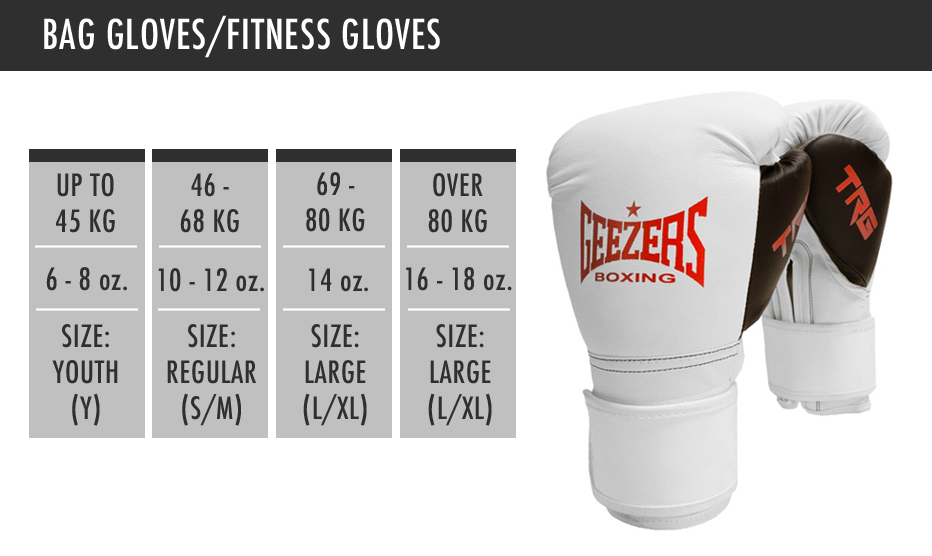
Credit: www.readwritesolutions.com
Rules And Regulations
Rules and regulations guide the use of gloves in professional boxing. They ensure safety and fairness for all fighters. Each boxing match follows strict standards about glove size. These rules come from official organizations that manage the sport worldwide.
Glove size affects how punches land and how much protection fighters have. Too small or too large gloves can change the match’s outcome. That is why governing bodies set clear rules. Boxers and their teams must follow these rules during competitions.
Governing Bodies’ Standards
Major organizations regulate glove sizes in professional boxing. The World Boxing Association (WBA), World Boxing Council (WBC), and International Boxing Federation (IBF) lead these rules. Each body sets specific sizes for gloves in different weight classes.
These groups ensure gloves meet quality and safety checks. Gloves must be approved before use in official matches. This process keeps fighters safe and maintains the sport’s integrity.
Mandatory Glove Sizes In Matches
The rules require specific glove weights based on the boxer’s weight. Lightweight fighters usually wear 8-ounce gloves. Heavier fighters often use 10-ounce gloves. Some matches may allow larger gloves for extra protection.
Referees check gloves before fights to confirm they follow the rules. Gloves that do not meet the standards are not allowed. This check prevents unfair advantages and protects both boxers.
Impact Of Glove Size On Performance
Glove size plays a key role in professional boxing performance. It affects how boxers deliver punches and protect themselves. Different glove sizes change the feel and weight in a fighter’s hands. This influences speed, power, and safety during a match.
Protection Vs. Speed
Larger gloves offer more padding, which means better protection. They help reduce the impact on both fighters. But bigger gloves are heavier and can slow down punches. Smaller gloves are lighter and allow faster hand movement. Boxers often choose size based on their style and need for speed or defense.
Influence On Punch Power
Glove size also affects punch power. Smaller gloves let boxers hit with more force. Less padding means more direct impact on the opponent. Larger gloves spread out the force, making punches feel softer. Fighters use different glove sizes to balance power with endurance in the ring.
Injury Prevention
Proper glove size helps prevent injuries for both fighters. Bigger gloves protect the hands and reduce cuts on the face. They absorb shock, lowering the chance of broken bones. Using the right glove size keeps boxers safer and allows longer careers in the sport.
Choosing The Right Gloves
Choosing the right gloves in professional boxing affects performance and safety. Gloves protect the hands and reduce injury risk. The correct size and type help boxers punch with power and control.
Many factors influence the choice of gloves. Fighters must balance protection, comfort, and rules of their division. The right gloves fit well and support the wrist during fights and training.
Factors For Selection
Boxers select gloves based on weight, size, and padding. Gloves usually range from 8 to 16 ounces. Lighter gloves offer speed and power but less padding. Heavier gloves provide more protection but can slow punches.
Hand size also matters. Gloves that are too tight limit movement. Gloves that are too loose can cause injury. Padding type and thickness protect both the wearer and the opponent. Rules of the boxing organization often set glove standards.
Custom Vs. Standard Gloves
Standard gloves come in fixed sizes and designs. They are easier to find and cheaper. Many boxers use standard gloves for training and amateur fights.
Custom gloves are made to fit a boxer’s hand exactly. They offer better comfort and wrist support. Custom gloves can improve performance by fitting perfectly. Many professionals prefer custom gloves for big matches. Custom gloves also allow personal style and branding.
Glove Maintenance And Care
Proper glove maintenance is crucial for professional boxers. It keeps gloves in good shape and extends their life. Clean gloves protect hands from bacteria and bad smells. Taking care of gloves also helps maintain their fit and comfort during matches and training.
Cleaning Tips
Wipe gloves with a clean cloth after each use. Use a mild soap solution to remove sweat and dirt. Avoid soaking gloves in water. Let gloves air dry in a well-ventilated area. Avoid direct sunlight to prevent material damage. Use glove deodorizers or sprinkle baking soda inside to reduce odors. Regular cleaning keeps gloves fresh and safe.
Storage Recommendations
Store gloves in a cool, dry place. Avoid leaving gloves in gym bags for long periods. Use a breathable bag or mesh container to allow airflow. Keep gloves away from heat sources and moisture. Proper storage prevents mold and material breakdown. It also helps maintain glove shape and padding quality.

Credit: kaneelesthetictherapy.com
Trends And Innovations
Boxing gloves have evolved with new trends and innovations. These changes improve safety, comfort, and performance. Modern gloves are lighter yet provide strong protection. Innovations help boxers train better and fight safer.
Materials and technology play a big role in these improvements. Advances also make gloves last longer and fit better. The boxing community is always open to smarter gear.
New Materials
Gloves now use advanced foams that absorb impact well. These foams reduce hand injuries and protect opponents. Synthetic leather replaces traditional leather for durability and ease of cleaning. Some gloves use breathable fabrics to keep hands cool and dry. These materials help fighters stay comfortable during long matches.
Technological Advances
Smart gloves with sensors track punch speed and force. This data helps coaches and fighters improve techniques. Some gloves feature gel inserts for better shock absorption. Enhanced wrist support designs reduce the chance of sprains. Technology also allows custom glove fitting for each boxer’s hand shape. These advances raise the standard of training and competition.
Frequently Asked Questions
What Glove Sizes Do Professional Boxers Use?
Professional boxers typically use 8 to 10-ounce gloves. The size depends on the weight class and match rules. Lighter gloves offer faster hand speed, while heavier gloves provide more protection.
Why Do Glove Sizes Vary In Professional Boxing?
Glove sizes vary to balance protection and performance. Different weight classes require specific glove weights to ensure fair competition. Rules from boxing organizations dictate glove size standards.
How Do Glove Sizes Affect Boxing Performance?
Smaller gloves allow quicker punches and better hand speed. Larger gloves provide more wrist and knuckle protection. The right glove size helps optimize safety and effectiveness in the ring.
Are Heavier Gloves Used In Professional Boxing Matches?
Heavier gloves, like 10 ounces, are common in professional bouts. They protect fighters during intense matches. The glove weight is often mandated by the boxing commission.
Conclusion
Professional boxing gloves vary by weight and purpose. Fighters use 8 to 10-ounce gloves in matches. Heavier gloves protect hands during training. Choosing the right size affects safety and performance. Gloves must fit well to avoid injuries. Knowing glove sizes helps fans understand the sport better.
Every boxer’s choice depends on rules and comfort. Gloves play a key role in boxing’s fairness and safety. Understanding glove sizes makes the sport clearer and more exciting.