
Choosing the right size gloves in boxing is more important than you might think. If you want to protect your hands, improve your performance, and avoid injuries, getting the perfect fit is key.
But how do you know which size suits you best? Don’t worry—this article will guide you step by step to find the glove size that matches your needs. Keep reading, and you’ll discover tips that can make a real difference every time you train or fight.
Your hands deserve the best care, and it all starts with the right gloves.
Credit: kdfoundation.org
Choosing The Right Glove Size
Choosing the right glove size is key to boxing success. Gloves protect your hands and your opponent. The right size improves comfort and control. It also reduces injury risk. Understanding glove sizes helps you pick the best fit for your needs.
Impact Of Glove Size On Performance
Glove size affects your speed and power. Smaller gloves feel lighter and faster. They help with quick punches and better hand movement. Larger gloves add weight and cushion. They slow punches but protect your hands more. The right size balances speed and safety. It supports your boxing style and goals.
How Glove Weight Affects Your Game
Glove weight is measured in ounces. Heavier gloves build strength and endurance. They make your arms work harder during training. Lighter gloves allow faster punches and better technique. Training with different weights prepares you for fights. Choose a weight that matches your training and competition needs.
Credit: www.esseg.eu
Measuring Your Hand For Gloves
Choosing the right boxing gloves starts with measuring your hand correctly. Proper measurement ensures comfort, protection, and better performance. This guide helps you find the perfect glove size for your boxing needs.
Tools Needed For Accurate Measurement
Gather a flexible measuring tape. A ruler can work but is less accurate. Have a pen and paper ready. You will write down your measurements. Make sure your hand is clean and relaxed.
Step-by-step Hand Measurement Guide
First, spread your fingers out naturally. Wrap the measuring tape around the widest part of your hand. This is usually just below your knuckles, excluding the thumb. Note the measurement in inches.
Next, measure the length of your hand. Place the tape at the tip of your middle finger. Stretch it down to the base of your palm. Write down this length.
Compare your measurements with a boxing glove size chart. This helps you pick gloves that fit well and feel comfortable.
Glove Sizes And Weight Classes
Choosing the right glove size is key in boxing. Gloves protect your hands and your opponent. Different weight classes need different glove sizes. This keeps the sport fair and safe. Knowing which glove size matches your weight class helps you train well and compete safely.
Common Glove Sizes Explained
Boxing gloves come in sizes measured in ounces. Common sizes are 8 oz, 10 oz, 12 oz, 14 oz, and 16 oz. The number shows the glove’s weight. Heavier gloves offer more padding. Lighter gloves let you move faster. Fighters use different sizes for training and fighting.
Smaller gloves are usually for competition. Bigger gloves are for sparring and practice. The glove size also affects your punching power and speed. Choosing the right size balances safety and performance.
Recommended Sizes For Different Weight Classes
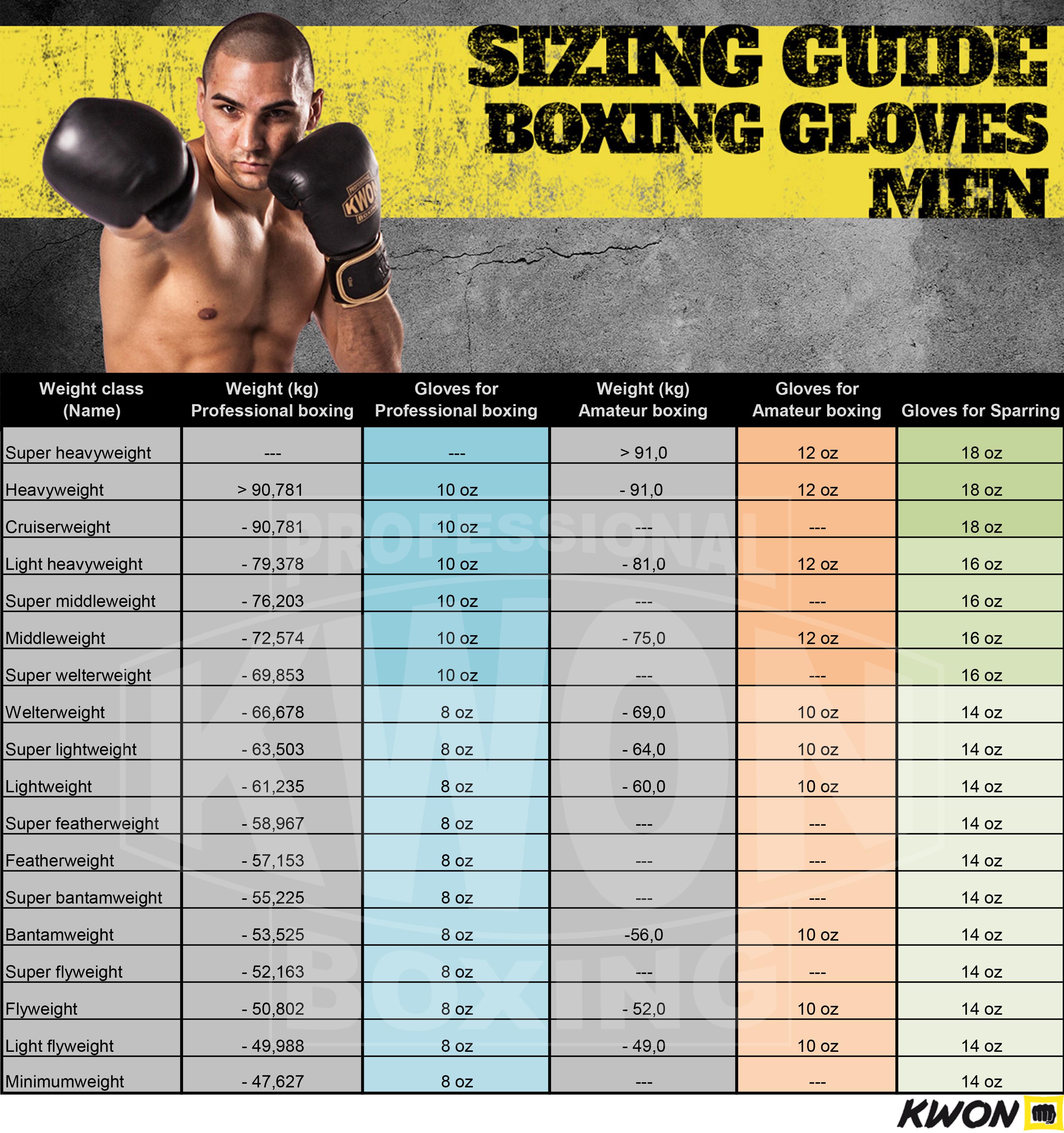
Lower weight classes often use smaller gloves. For example, boxers under 135 lbs usually wear 8 oz or 10 oz gloves. Middleweight boxers, between 135 and 160 lbs, tend to use 10 oz or 12 oz gloves. Heavyweight fighters, over 200 lbs, often prefer 14 oz or 16 oz gloves.
Amateur boxing has specific rules for glove sizes. These rules make sure every fighter has equal protection. Checking your weight class and glove size before a match is important. It helps avoid injuries and ensures fair play.
Types Of Boxing Gloves
Boxing gloves come in different types to suit various needs. Each type offers specific protection and comfort. Choosing the right glove helps improve performance and safety.
Understanding the types helps decide which glove fits your training or competition style.
Training Gloves
Training gloves are versatile and used for general workouts. They provide good padding to protect hands and wrists. These gloves are ideal for bag work and mitt drills. Most training gloves weigh between 12 to 16 ounces. Their design balances comfort and durability for daily use.
Sparring Gloves
Sparring gloves focus on safety for both fighters. They have extra padding to reduce impact during practice fights. These gloves usually weigh 14 to 18 ounces. The added weight helps slow punches and lowers injury risk. Sparring gloves also protect your partner from hard hits.
Competition Gloves
Competition gloves are lighter and more compact than others. They allow faster punches and better hand movement. These gloves often weigh 8 to 10 ounces. They meet strict rules for professional or amateur bouts. Competition gloves have less padding but must still protect the wearer.
Material And Padding Considerations
Choosing the right gloves for boxing depends on more than just size. The material and padding also affect comfort and safety. These factors influence how gloves feel during training and fights. Understanding these aspects helps pick the best gloves for your needs.
Leather Vs Synthetic Gloves
Leather gloves offer durability and better breathability. They last longer and shape well to your hands. Synthetic gloves cost less and are easier to clean. They suit beginners or casual boxers. Both types provide good protection but differ in price and feel.
Padding Types And Their Benefits
Glove padding can be foam, gel, or layered cotton. Foam padding absorbs impact and protects your knuckles. Gel padding adds extra shock absorption and comfort. Layered cotton padding offers a softer feel but less protection. The right padding reduces injury risk and improves performance.

Credit: vixencomposites.com
Fitting Tips For Comfort And Safety
Choosing the right glove size is not enough for comfort and safety. Proper fitting matters a lot. Gloves that fit well protect your hands and wrists during training or fights. Poorly fitted gloves can cause pain or injury. Follow these tips to ensure your gloves fit just right.
Ensuring Proper Wrist Support
Wrist support is key to avoiding injuries. Gloves should wrap firmly around your wrist. The strap or laces must feel snug but not tight. A good fit keeps your wrist stable during punches. Test the fit by moving your wrist. It should feel secure without cutting off circulation.
Checking Finger And Knuckle Fit
Your fingers should fill the glove comfortably. There should be no extra space inside. Knuckles need padding to absorb impact. Gloves that are too loose allow your hand to shift. Too tight gloves restrict movement and cause discomfort. Make sure your knuckles sit right under the padding.
Common Glove Fit Mistakes
Choosing the right glove size is very important in boxing. Many boxers make common mistakes with glove fit. These errors can cause discomfort and reduce performance. Wearing the wrong size gloves can also increase injury risk. Understanding these mistakes helps you pick the perfect gloves.
Choosing Gloves Too Large
Gloves that are too big feel loose and slippery. They do not protect your hands properly. Large gloves make it hard to make a tight fist. This reduces your punching power and control. Also, large gloves can cause your hands to slide inside. That leads to blisters and injuries during training.
Wearing Gloves Too Tight
Tight gloves squeeze your hands too much. This cuts off blood flow and causes pain. Tight gloves limit your wrist movement. You may feel numbness or tingling in fingers. This can lead to long-term hand damage. Tight gloves also make it hard to wrap your hands well underneath.
Maintaining And Replacing Gloves
Maintaining boxing gloves is key for safety and performance. Gloves last longer with proper care. Cleaning them stops bad smells and bacteria. Replacing gloves at the right time avoids injury. Every boxer should know how to keep gloves fresh and when to buy new ones.
Signs Your Gloves Need Replacement
Look for cracks or tears on the glove surface. Padding that feels hard or thin means less protection. Smells that don’t go away show bacteria buildup. Loose stitching can cause gloves to fall apart. Gloves that hurt your hands or wrists need changing.
Cleaning And Care Tips
Wipe gloves with a clean, damp cloth after use. Avoid soaking gloves in water or washing machines. Let gloves dry in a cool, ventilated place. Use glove deodorizers or stuff with newspaper to absorb moisture. Apply a light spray of disinfectant to reduce germs. Store gloves away from direct sunlight and heat.
Frequently Asked Questions
What Size Gloves Do Beginners Need In Boxing?
Beginners usually start with 12 to 14-ounce gloves. These sizes provide good protection and comfort. They help absorb impact and reduce injury risks during training.
How To Choose The Right Boxing Glove Size?
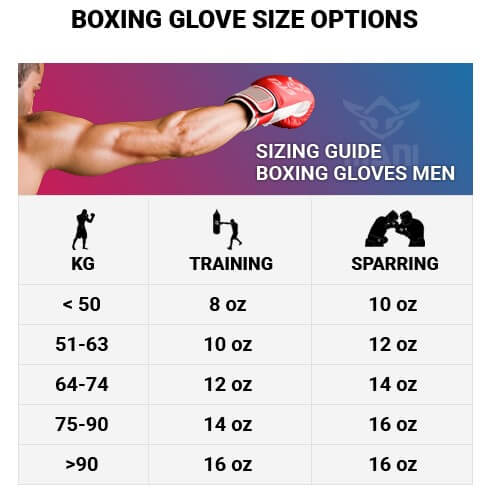
Choose glove size based on your weight and training type. Lighter gloves suit speed training, heavier gloves offer more protection. Always try gloves on before buying for a perfect fit.
Why Are Glove Sizes Important In Boxing?
Proper glove size ensures safety and performance. Too small gloves can cause injuries. Too large gloves reduce control and speed. Correct size improves punching technique and comfort.
What Is The Difference Between 10oz And 16oz Gloves?
10oz gloves are lighter, used for competition. 16oz gloves are heavier, used for training and sparring. Heavier gloves provide more padding and protect both fighters better.
Conclusion
Choosing the right boxing glove size matters a lot for safety and comfort. Smaller gloves offer speed, while bigger ones protect better. Think about your weight, training type, and hand size. Try different gloves before deciding. Proper fit helps avoid injuries and improves performance.
Keep your goals clear and pick wisely. Boxing feels better with the right gloves. Stay safe, train smart, and enjoy every punch.