When it comes to pro boxing, the size of your gloves can make all the difference. You might think any gloves will do, but choosing the right size is key to your performance and safety.
Are you wondering which glove size fits you best? Or how glove size affects your punches and protection? Keep reading, because understanding glove sizes will help you step into the ring with confidence and power. Let’s break down everything you need to know about glove sizes in pro boxing.
:format(jpeg)/f/115220/1244x700/b5324542a6/boxing-glove-ounces-explained-youtube-video.jpg)
Credit: blog.joinfightcamp.com
Glove Sizes In Pro Boxing
Glove sizes in pro boxing play a crucial role in the sport. They protect fighters’ hands and reduce injury risks. Choosing the right glove size affects comfort and performance inside the ring. Understanding glove sizes helps boxers prepare better for matches.
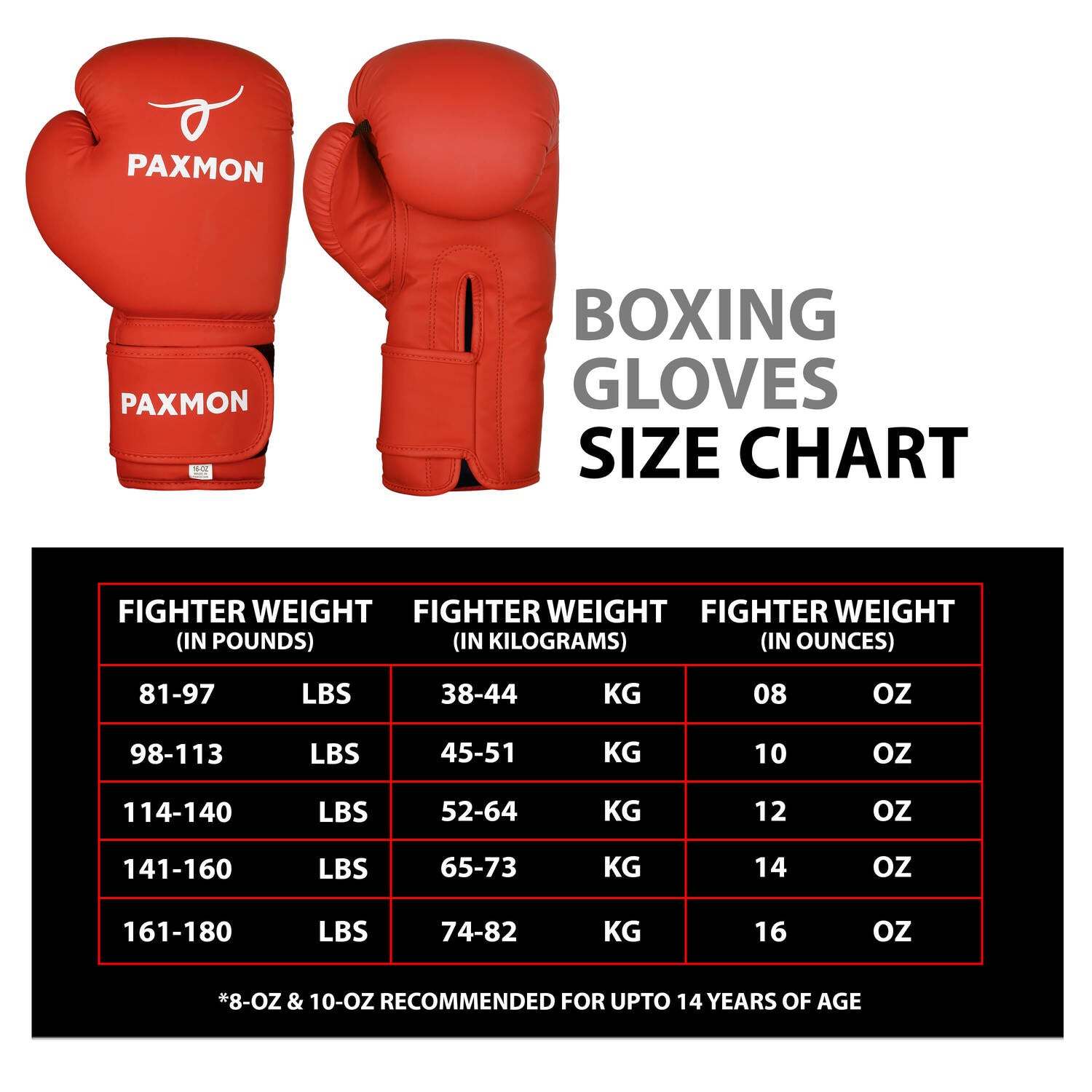
Glove size is measured by weight, usually in ounces. Different weight categories serve different purposes. Each size offers a unique balance of protection and speed.
Common Glove Weight Categories
Pro boxing gloves come in several weight classes. The most common sizes include 8 oz, 10 oz, and 12 oz. Fighters often wear 8 oz or 10 oz gloves during official matches. Heavier gloves like 12 oz are used during training and sparring. Lighter gloves allow faster punches but less padding. Heavier gloves offer more hand protection but can slow punches.
How Size Affects Performance
Glove size directly impacts a boxer’s speed and power. Smaller gloves increase punching speed but give less protection. Larger gloves protect hands better but reduce punch speed. The right size balances safety and effectiveness. Fighters choose gloves based on weight class and fight rules. Proper glove size improves confidence and reduces injury risk.
Choosing The Right Glove Size
Choosing the right glove size is key in pro boxing. Gloves protect your hands and your opponent. The correct size improves comfort and performance. It also reduces injury risks. Every boxer needs gloves that fit well.
Glove size depends on several factors. Knowing these helps you pick the best gloves. Properly sized gloves let you train harder and fight better. Let’s explore how to find your perfect glove size.
Factors Influencing Glove Selection
Weight plays a big role in glove size. Heavier gloves offer more padding and protection. Lighter gloves give faster hand speed and more impact. The type of training matters too. Sparring needs more padding than bag work. Your hand size and shape also affect the fit. Some gloves fit wider or narrower hands better. Rules of your boxing organization may require certain glove sizes.
Hand Measurement Tips
Measure your hand around the knuckles, without the thumb. Use a soft tape measure for accuracy. Keep your fingers together and relaxed. Note the measurement in inches or centimeters. Check the glove size chart from the brand you choose. Try gloves on if possible. The glove should feel snug but not tight. Your fingers should move freely inside. Proper fit means no slipping or pinching.
Impact Of Glove Size On Safety
Glove size plays a key role in boxing safety. It affects how much protection a fighter gets. Different glove sizes change the impact of punches. Choosing the right size can reduce injuries and keep fighters safer.
Protection For Fighters
Bigger gloves have more padding. This padding absorbs the force of punches. It helps protect the hands and wrists. It also lowers the impact on the opponent’s head. Smaller gloves have less padding. They allow harder hits but less protection.
Injury Risks And Prevention
Using gloves that are too small can cause hand injuries. The knuckles and wrists get more stress. Fighters may suffer fractures or sprains. Gloves that are too large may reduce control. This can lead to accidental hits and cuts. Proper glove size helps prevent injuries and keeps the fight fair.
Regulations On Glove Sizes
Glove size rules play a key role in pro boxing. They protect fighters and keep matches fair. Different organizations set clear standards for glove sizes. These rules help avoid injuries and ensure equal conditions for all boxers.
Pro Boxing Rules And Standards
Pro boxing follows strict rules on glove sizes. The World Boxing Association (WBA) and World Boxing Council (WBC) regulate these sizes. Gloves must weigh between 8 and 10 ounces. The exact size depends on the fighter’s weight class. Officials check gloves before every fight. Gloves must be approved and meet safety standards.
Variations Across Weight Classes
Glove size changes with the boxer’s weight. Lighter fighters use smaller gloves, usually 8 ounces. Heavier fighters wear larger gloves, up to 10 ounces. This difference helps balance power and protection. It reduces the risk of serious injuries. Each weight class has clear rules to follow. These rules keep fights safe and fair for everyone.
Glove Materials And Construction
Glove materials and construction play a vital role in pro boxing. They affect performance, protection, and durability. Different materials and design choices change how gloves feel and work during a fight. Understanding these aspects helps boxers choose the right gloves for their needs.
Padding Types
Paddings in boxing gloves protect hands and opponents from injury. Foam padding is common. It absorbs shocks well and keeps hands safe. Gel padding adds extra cushioning. It spreads the impact force over a larger area. Some gloves mix foam and gel for balanced protection. The thickness of padding varies by glove size and type. Thicker padding offers more safety but may reduce speed.
Durability And Comfort
Leather is the best material for durability. It lasts longer and resists wear and tear. Synthetic leather is cheaper but wears out faster. Comfort comes from soft inner linings that absorb sweat. Well-made gloves have good ventilation to keep hands cool. Proper stitching also affects glove strength and comfort. Strong seams prevent gloves from falling apart during tough training.
Credit: kdfoundation.org
Custom Vs Standard Gloves
Choosing the right gloves is key in pro boxing. Boxers often debate between custom and standard gloves. Both types serve the purpose but differ in fit, comfort, and price. Understanding these differences helps boxers pick what suits them best.
Benefits Of Custom Fit
Custom gloves mold perfectly to your hand shape. They offer better comfort and support during fights. These gloves reduce the risk of injury with a snug fit. Padding aligns better with your knuckles and wrists. Custom gloves feel lighter and more natural. They enhance control and improve punching accuracy. Many pro boxers prefer custom gloves for these benefits.
Cost Considerations
Standard gloves cost less and are widely available. They come in fixed sizes like 10, 12, or 16 ounces. Custom gloves require extra work and materials, raising the price. The cost can be two to three times higher than standard gloves. For beginners or casual boxers, standard gloves work well. Serious athletes or professionals often invest in custom gloves for better fit and performance.
Maintaining And Caring For Gloves
Proper care keeps your boxing gloves in good shape. Good maintenance stops bad smells and damage. It also helps gloves last longer. Gloves need regular cleaning and proper storage. This section shows easy ways to care for your gloves.
Cleaning Tips
Wipe gloves with a clean, damp cloth after each use. Use mild soap if gloves look very dirty. Avoid soaking gloves in water. Let gloves air dry in a cool, dry place. Do not put gloves in direct sunlight or near heaters. Use glove deodorizers or sprinkle baking soda inside to reduce odor. Avoid using strong chemicals that can harm glove material.
Extending Glove Lifespan
Store gloves in a ventilated bag, not in a closed gym bag. Keep gloves away from moisture to stop mold growth. Use hand wraps inside gloves to absorb sweat. Replace hand wraps regularly to keep gloves cleaner. Open gloves after use to let air circulate inside. Check gloves for tears or loose stitching. Repair small damages early to avoid bigger problems.

Credit: kashifiqbal.com
Frequently Asked Questions
What Glove Sizes Are Used In Professional Boxing?
Professional boxing gloves typically range from 8 to 10 ounces. The size depends on weight class and fight rules. Lighter gloves are common in lower weight classes for speed. Heavier gloves offer more protection in higher weight classes.
How Do Glove Sizes Affect Boxing Performance?
Glove size impacts hand speed, power, and protection. Smaller gloves allow faster punches but less padding. Larger gloves reduce hand speed but increase safety. Choosing the right glove size balances offense and defense in boxing.
Are Glove Sizes Standardized In Pro Boxing?
Yes, glove sizes are standardized by boxing commissions. Most pro fights require 8 or 10-ounce gloves. These standards ensure fairness and safety across bouts. Fighters must use approved glove sizes during official matches.
Why Do Heavyweight Boxers Use Bigger Gloves?
Heavyweight boxers use 10-ounce gloves for better protection. Their punches carry more force, needing extra padding. Larger gloves help reduce injury risks for both fighters. This size is mandated by most boxing organizations for heavyweights.
Conclusion
Choosing the right glove size matters in pro boxing. It protects your hands and helps with performance. Smaller gloves offer speed but less padding. Bigger gloves provide more safety but can slow you down. Knowing your weight class can guide your choice.
Always pick gloves that feel comfortable and secure. Proper gloves reduce injury risk during training and fights. Remember, the right fit helps you box better and safer. Keep these points in mind when buying gloves. Your hands will thank you every time you step in the ring.