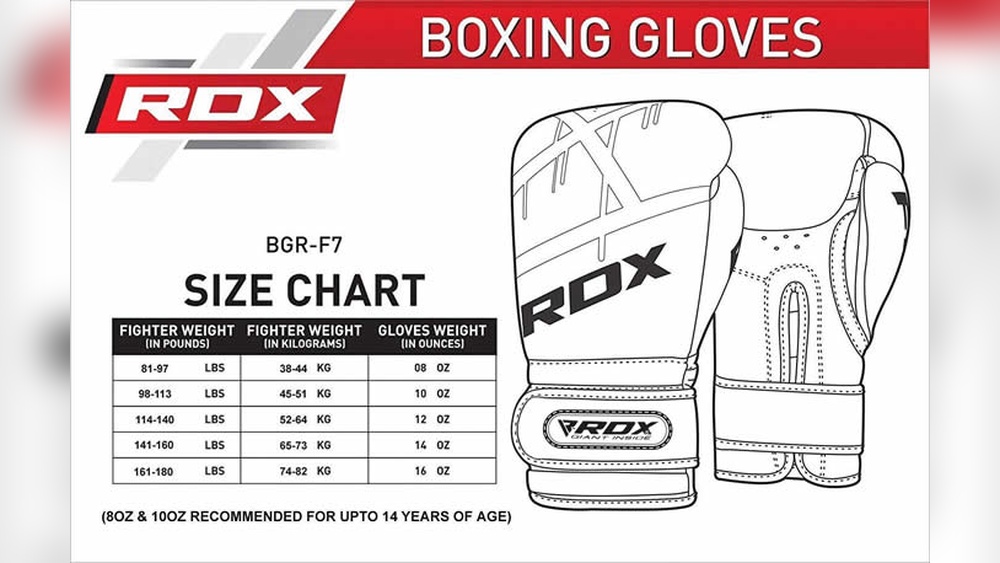
Choosing the right size training boxing gloves can make all the difference in your comfort, performance, and safety. If you’re unsure about which gloves fit you best, you’re not alone.
Picking gloves that are too big or too small can lead to hand injuries or hold you back during training. You’ll discover exactly how to find the perfect glove size for your needs. By the end, you’ll feel confident stepping into the ring with gloves that protect your hands and boost your skills.
Keep reading to unlock the secret to better boxing training.
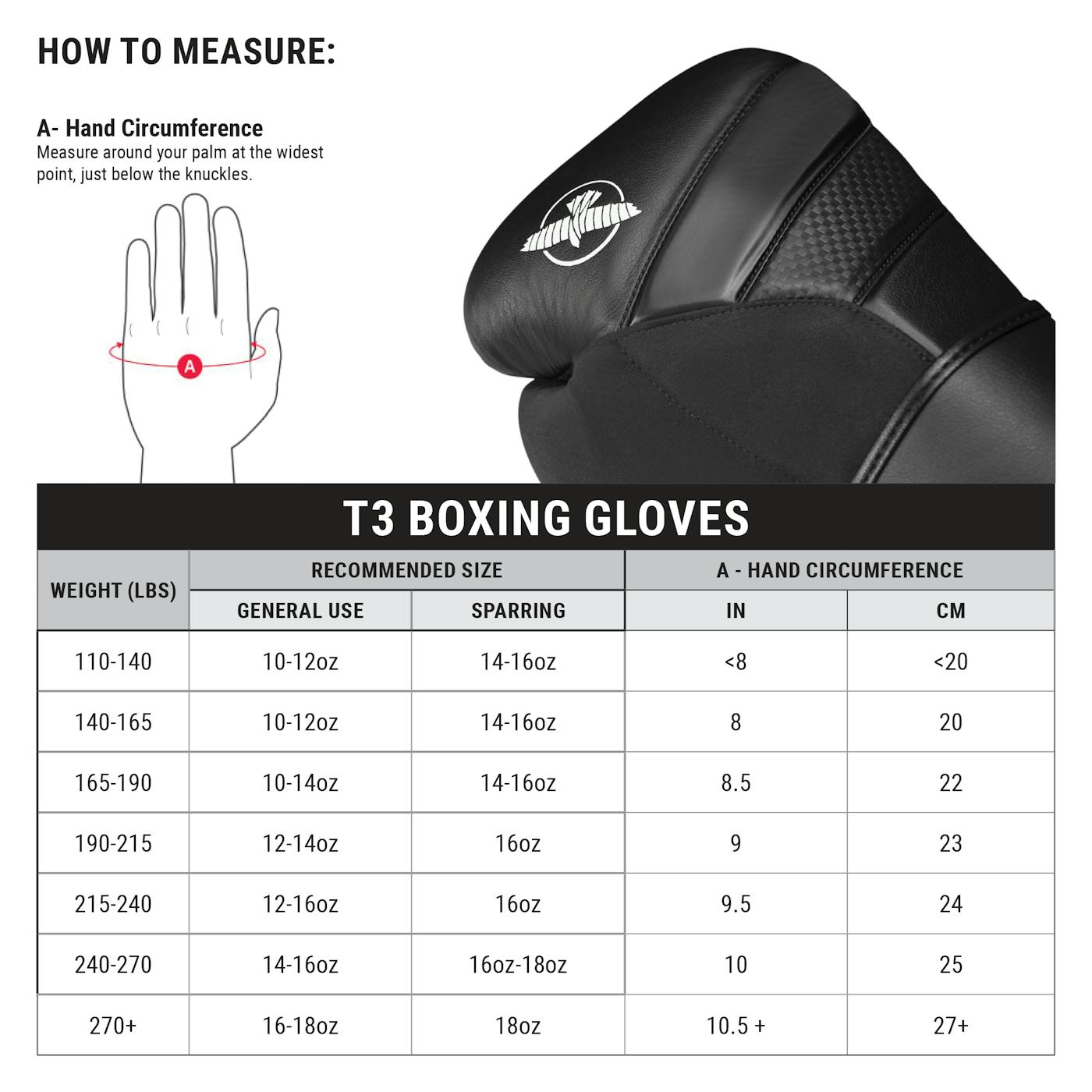
Credit: www.tondicaffe.com
Choosing The Right Glove Size
Choosing the right glove size is key for any boxer. Gloves that fit well protect your hands and improve your training. The right size also helps you punch with more power and less risk of injury.
Importance Of Proper Fit
Gloves that fit too tight can cause discomfort and reduce blood flow. Gloves that are too loose can slip and cause hand injuries. Proper fit means your fingers and thumb move comfortably. Your gloves should feel snug but not tight. A good fit protects your knuckles and wrist during impact.
How Glove Size Affects Performance
Smaller gloves offer more speed but less padding. Larger gloves provide extra protection and support. The right size helps maintain good form and technique. Gloves that fit well allow better control and stronger punches. Comfort in your gloves leads to longer, safer training sessions.
Common Glove Sizes Explained
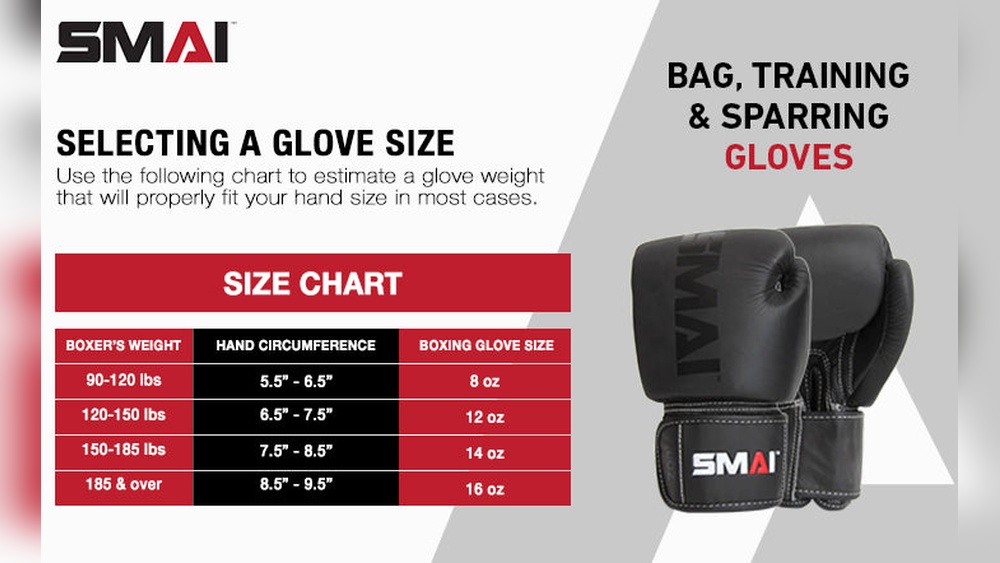
Boxing gloves come in sizes measured in ounces, from 8 oz to 20 oz. Lighter gloves (8-12 oz) suit competition or light training. Medium gloves (14-16 oz) are popular for general training. Heavier gloves (18-20 oz) provide extra padding for sparring. Choose size based on your weight, training type, and hand size.

Credit: www.smai.com.au
Measuring Your Hand For Gloves
Measuring your hand correctly helps you find the right boxing glove size. Gloves that fit well protect your hands and improve your training. Accurate measurement avoids discomfort and injury during practice. Follow simple steps to get the exact size for your gloves.
Tools Needed For Measurement
You need a flexible measuring tape or a string and a ruler. A pen and paper help to note down the measurements. Make sure your hand is relaxed and open before measuring.
Step-by-step Measurement Guide
Wrap the measuring tape around the widest part of your hand, just below the knuckles. Do not include your thumb in this measurement. Note the number where the tape meets. If using a string, mark the length and measure it with a ruler. This number is your hand circumference.
Hand Size Vs. Glove Weight
Gloves come in different weights, usually from 8 oz to 16 oz. Smaller hands fit better in lighter gloves. Bigger hands need heavier gloves for protection. Match your hand circumference with the glove weight chart. This choice balances comfort and safety during training.
Glove Sizes By Training Type
Choosing the right glove size depends on the type of boxing training you do. Different training types need different glove sizes. This helps protect your hands and improves your performance. Understanding glove sizes by training type makes your training safer and more effective.
Gloves For Bag Work
Bag work gloves usually weigh between 12 to 16 ounces. These gloves have extra padding to protect your hands from the hard bag. A snug fit is important to avoid injuries. Choose a size that feels comfortable but secure.
Sparring Gloves
Sparring gloves are larger, often 14 to 18 ounces. They have more padding to protect both you and your partner. The extra weight slows down punches for safety. Pick gloves that fit well and cushion your knuckles.
Competition Gloves
Competition gloves are smaller and lighter, usually 8 to 10 ounces. They allow faster punches and better control. These gloves have less padding than training gloves. Make sure they fit tightly and meet your competition rules.
Material And Padding Impact
Choosing the right training boxing gloves means understanding material and padding. These two factors affect comfort, protection, and glove lifespan. The material affects how the gloves feel and last. Padding impacts safety and shock absorption. Both are key for effective training sessions.
Leather Vs. Synthetic Gloves
Leather gloves feel soft and mold to your hand. They last longer and handle sweat well. Synthetic gloves cost less and are lighter. They dry faster but wear out sooner. For frequent training, leather is often better. Beginners may prefer synthetics for budget reasons.
Padding Thickness And Protection
Thicker padding offers more protection for your knuckles and wrists. It helps reduce hand injuries during punches. Thin padding feels lighter but gives less shock absorption. Training gloves usually have medium to thick padding. This balance keeps your hands safe without feeling too bulky.
Durability Considerations
Leather gloves resist tears and last through tough workouts. They keep their shape longer than synthetic types. Synthetic gloves may crack or peel over time. Proper care extends glove life regardless of material. Clean and dry gloves after every use to avoid damage.
Adjusting For Personal Preferences
Choosing the right size for training boxing gloves depends on more than just your hand measurements. Personal preferences play a big role in how gloves feel and perform. Adjusting for comfort, protection, and fit ensures better training sessions and less injury risk. Understanding these factors helps you pick gloves that suit your style and needs.
Hand Wraps And Glove Fit
Hand wraps add extra padding and support inside gloves. They affect how tight or loose the gloves feel. Some gloves fit well with wraps, while others feel tight or bulky. Always try gloves with your usual hand wraps. This shows the true fit during training or sparring.
Comfort Vs. Protection Balance
Comfort is important, but so is protection. Bigger gloves offer more padding but may feel heavy. Smaller gloves are lighter but provide less cushion. Choose gloves that protect your hands and feel comfortable for long use. The right balance prevents injuries and fatigue.
Trying Gloves Before Buying
Trying gloves on helps you find the best fit and feel. Move your fingers, make a fist, and check wrist support. Different brands have different shapes and sizes. Testing gloves lets you compare and choose the one that fits your hand perfectly.
Tips For Maintaining Gloves
Taking care of your boxing gloves is key to keeping them in good shape. Proper maintenance helps gloves last longer and stay fresh. Small daily habits can make a big difference.
Cleaning And Drying
After every session, wipe your gloves with a clean cloth. Use mild soap and water to remove sweat and dirt. Avoid soaking gloves in water to prevent damage.
Let gloves air dry in a well-ventilated area. Avoid direct sunlight or heaters, which can crack the material. Open the gloves wide to let moisture escape.
Storage Best Practices
Store gloves in a cool, dry place. Avoid leaving them in your gym bag for long periods. Use a mesh bag to allow airflow.
Keep gloves away from damp areas to prevent mold. Stuff gloves with newspaper or glove dogs to keep their shape. Do not store heavy items on top of them.
Extending Glove Lifespan
Use hand wraps to reduce sweat inside gloves. Rotate between two pairs if possible to give gloves time to dry. Regularly check for tears or loose stitching.
Replace gloves if padding wears out or they smell bad. Proper care saves money and keeps your gloves comfortable. Treat your gloves well to train longer and better.
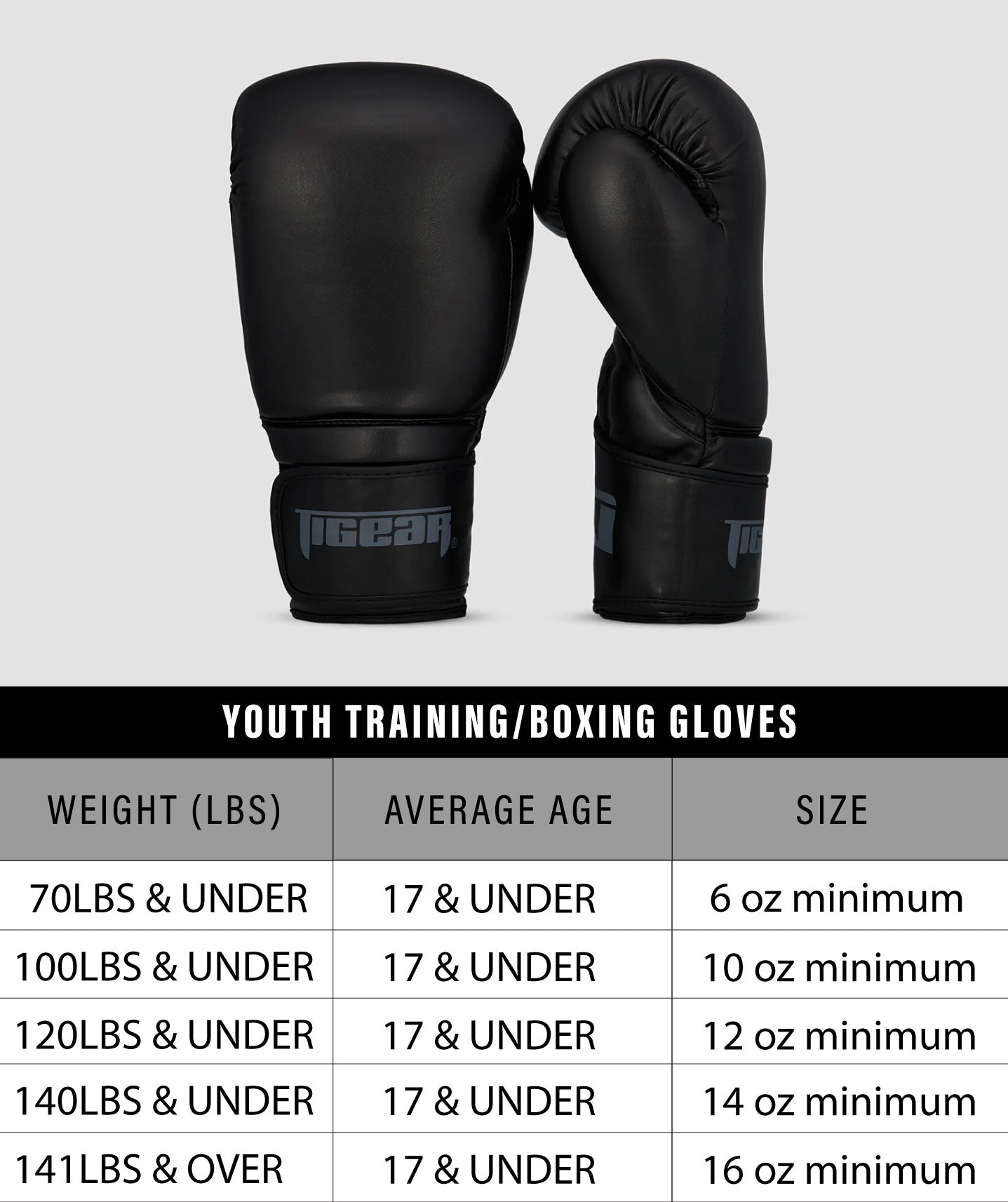
Credit: www.tigear.com
Frequently Asked Questions
What Size Boxing Gloves Are Best For Training?
Training gloves usually range from 12 to 16 ounces. Heavier gloves offer more protection and conditioning. Choose based on your weight and training type for optimal comfort and safety.
How To Measure Hand Size For Boxing Gloves?
Measure around your knuckles with your hand flat. This circumference helps select the right glove size. Proper fit ensures better control and injury prevention during training.
Why Do Training Gloves Come In Different Weights?
Different weights provide varying padding levels for safety. Heavier gloves add wrist support and reduce impact force. Select weight based on your training intensity and hand size.
Can I Use Smaller Gloves For Training Sessions?
Smaller gloves offer less padding, increasing injury risk. They are better suited for competition rather than training. Always opt for well-padded gloves during training for safety.
Conclusion
Choosing the right size boxing gloves helps protect your hands and wrists. Proper fit improves comfort and performance during training sessions. Gloves that are too big or small may cause injury or reduce control. Focus on weight and padding to match your training style.
Testing gloves before buying ensures the best fit for you. Remember, good gloves support safe and effective boxing practice. Keep these points in mind for better training results and enjoyment.