If you want to get the most out of your heavy bag workouts, choosing the right boxing gloves is key. The gloves you pick can protect your hands, improve your performance, and make every punch feel better.
But with so many options out there, how do you know which type is best for you? This guide will help you find the perfect gloves for heavy bag training, so you can train harder, stay safe, and see real progress.
Keep reading to discover what features matter most and how to make the right choice for your boxing journey.

Credit: www.youtube.com
Boxing Gloves Basics
Boxing gloves protect your hands and improve training quality. Choosing the right gloves matters. The basics include understanding glove parts, weight, and size. These factors affect comfort and safety during heavy bag workouts.
Glove Components
Boxing gloves have several key parts. The outer layer is usually leather or synthetic material. Inside, padding cushions your knuckles and wrists. The wrist strap keeps the glove secure. Good padding absorbs impact and prevents injuries. Quality stitching ensures durability. Each part works together to protect your hands and deliver power safely.
Weight And Size
Gloves come in different weights, measured in ounces. Common sizes range from 10 oz to 16 oz. Heavier gloves have more padding and offer better protection. Lighter gloves feel faster but provide less cushioning. For heavy bag training, 14 oz or 16 oz gloves are common. Choose a size that fits your hand well. Proper weight and size balance comfort, protection, and performance.

Credit: heavybag.pro
Types Of Boxing Gloves
Choosing the right boxing gloves is key for your training and safety. Gloves come in different types, each made for a special use. Knowing the types helps you pick gloves that fit your needs. Here are the main types of boxing gloves you should know about.
Training Gloves
Training gloves are all-purpose gloves. They protect your hands and wrists during workouts. These gloves have good padding to absorb impact. They work well for heavy bag work and pad drills. Training gloves offer comfort for longer sessions.
Bag Gloves
Bag gloves are made specifically for heavy bag use. They have firmer padding to protect your knuckles. These gloves are lighter and less bulky. Bag gloves help improve your punching technique. They offer less wrist support than training gloves.
Sparring Gloves
Sparring gloves are softer and more padded. They keep you and your partner safe during practice fights. These gloves reduce the risk of injury from repeated hits. Sparring gloves usually weigh more for better protection. They are not ideal for heavy bag work.
Competition Gloves
Competition gloves are lighter and less padded. They meet specific rules for boxing matches. These gloves allow faster punches and better control. Competition gloves focus on performance over protection. They should not be used for heavy bag training.
Choosing Gloves For Heavy Bag
Choosing the right gloves for heavy bag training helps protect your hands and improves your performance. Gloves designed for heavy bags offer the right balance of padding, support, and durability. Picking gloves without these features can lead to injuries or wear out the gloves quickly. Focus on key aspects like impact protection, durability, and comfort to find the best pair for your workouts.
Impact Protection
Heavy bag gloves need extra padding to absorb strong punches. Good padding reduces the risk of hand and wrist injuries. Look for gloves with thick foam or gel layers inside. This material cushions your knuckles and keeps your hands safe during hard hits. Impact protection helps you train longer without pain.
Durability
Heavy bag gloves face constant friction and pressure. Durable gloves resist tears and wear for a longer time. Materials like genuine leather or high-quality synthetic leather last longer. Strong stitching also prevents gloves from falling apart. Durable gloves save money by lasting through many sessions.
Comfort And Fit
Comfort is key for effective heavy bag training. Gloves should fit snugly but not feel too tight. Good wrist support keeps your wrists stable and prevents injuries. Look for gloves with adjustable straps for a custom fit. Comfortable gloves let you focus on your punches, not on pain or slipping.
Material Options
Choosing the right material for your heavy bag boxing gloves affects comfort and durability. Gloves come mainly in leather and synthetic types. Each has unique benefits that suit different training needs and budgets. Understanding these options helps you pick gloves that last and protect well.
Leather Gloves
Leather gloves offer strong durability and excellent comfort. They mold to your hand over time, giving a custom fit. These gloves handle heavy punching without losing shape quickly. Leather also breathes better, keeping hands cooler during long sessions. They tend to cost more but last longer, making them a smart choice for frequent boxers.
Synthetic Gloves
Synthetic gloves use materials like vinyl or PU leather. They are usually lighter and less expensive than leather. Synthetic gloves resist water and sweat, which helps with easy cleaning. They may not last as long but work well for beginners or casual training. These gloves come in many colors and styles, offering good options for all users.
Glove Weight Recommendations
Choosing the right glove weight is key for heavy bag training. Gloves come in different weights, each offering unique benefits. The glove weight affects comfort, protection, and performance. Knowing which weight suits your needs helps prevent injuries and improves your workout.
Lightweight Gloves
Lightweight gloves usually weigh 8 to 12 ounces. They allow faster hand movement and better speed training. These gloves offer less padding, so they suit lighter punches. Beginners might find them less protective but good for quick drills. Lightweight gloves are best for those focusing on speed and technique.
Medium Weight Gloves
Medium weight gloves range from 12 to 16 ounces. They balance protection and speed well. These gloves provide enough padding to protect hands and wrists. Most people use medium gloves for regular heavy bag workouts. They help build strength while reducing injury risk. Medium gloves work well for both beginners and experienced boxers.
Heavyweight Gloves
Heavyweight gloves weigh 16 ounces or more. They offer maximum padding for hand safety. These gloves are ideal for powerful punches and long training sessions. Heavy gloves slow down hand speed but increase strength. Boxers use them to build endurance and protect their hands. Heavyweight gloves suit those training hard with heavy bags.
Additional Features To Consider
Choosing the right boxing gloves for heavy bag training means more than just size and padding. Extra features can improve comfort and safety. These small details make a big difference during tough workouts.
Wrist Support
Strong wrist support helps prevent injuries. Gloves with firm wrist straps keep your wrist steady. This support reduces the chance of sprains or twists. Look for gloves with adjustable closures to fit tightly. Good wrist support lets you punch harder and safer.
Ventilation
Ventilation keeps your hands cool and dry. Gloves with mesh panels or breathable materials allow air flow. This reduces sweat and odor inside the gloves. Proper ventilation helps your gloves last longer. It also makes workouts more comfortable.
Closure Types
Closure types affect how gloves fit and feel. Velcro straps are easy to fasten and adjust quickly. They provide a secure fit for most users. Lace-up gloves offer tighter, custom support but need help to put on. Choose the closure type that suits your training style best.
Maintenance Tips
Maintaining your boxing gloves is essential for their durability and hygiene. Proper care helps keep them fresh and extends their life. Follow these simple tips to protect your investment and stay comfortable during training.
Cleaning Gloves
Wipe the gloves with a damp cloth after each use. Use mild soap and water for deeper cleaning. Avoid soaking gloves to prevent damage. Remove any dirt or sweat to stop bad odors. Clean gloves regularly to keep bacteria away.
Drying And Storage
Air dry gloves after every workout. Avoid direct sunlight or heat sources. Stuff gloves with newspaper to absorb moisture. Store gloves in a cool, dry place. Proper drying prevents mold and keeps gloves fresh longer.
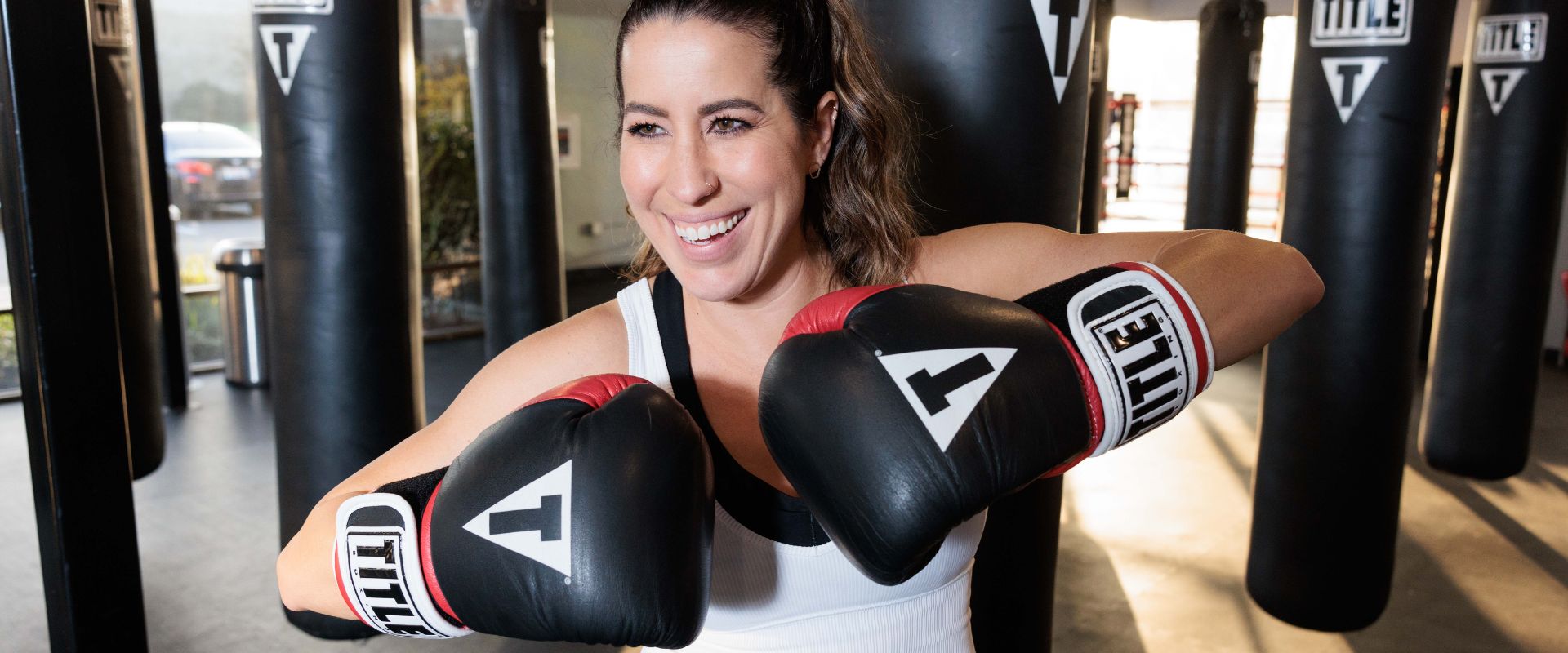
Credit: titleboxingclub.com
Frequently Asked Questions
What Are The Best Boxing Gloves For Heavy Bag Training?
The best gloves for heavy bag training offer good padding and wrist support. Look for gloves with 14-16 oz weight to protect your hands and absorb impact effectively.
How Much Weight Should Boxing Gloves Have For Heavy Bags?
Boxing gloves for heavy bags typically weigh between 14 and 16 ounces. Heavier gloves provide better protection and reduce hand fatigue during intense training sessions.
Should I Use Leather Or Synthetic Gloves For Heavy Bag Work?
Leather gloves are more durable and comfortable for heavy bag use. However, synthetic gloves are budget-friendly and suitable for beginners or occasional training.
Can I Use Sparring Gloves On A Heavy Bag?
Sparring gloves can be used on heavy bags, but they often have less padding. Heavy bag gloves are designed specifically to protect your hands and the bag during impact.
Conclusion
Choosing the right boxing gloves protects your hands and improves training. Gloves with good padding reduce impact and avoid injuries. Heavier gloves offer better wrist support and last longer. Pick gloves that fit comfortably and feel secure. Avoid gloves that are too tight or too loose.
Quality gloves make your heavy bag workouts safer and more effective. Remember, your hands deserve the best care during every punch. Keep practicing with the right gloves to see steady progress. Gloves matter—choose wisely for stronger, safer boxing sessions.