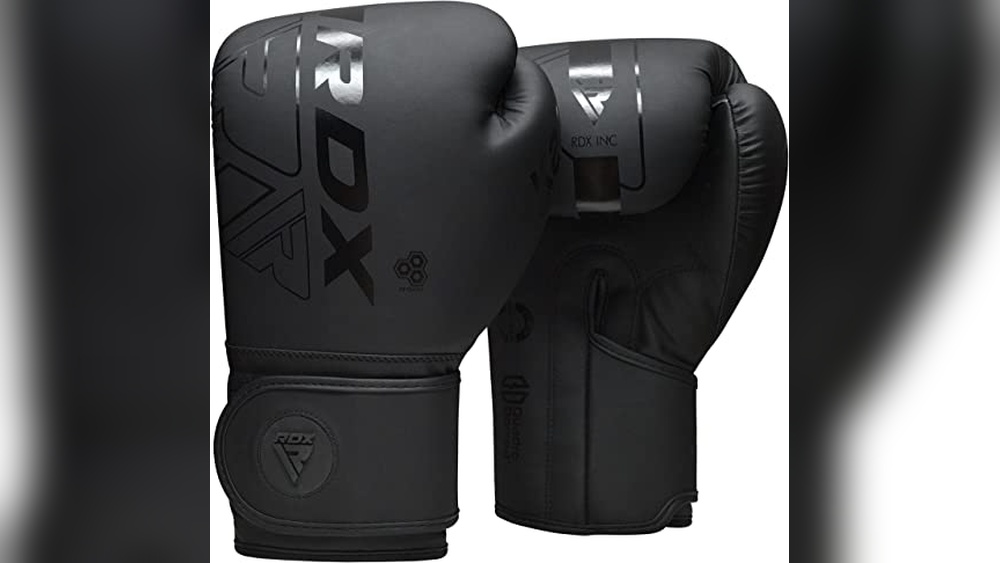
Are you confused about what weight your boxing gloves should be? Choosing the right glove weight can make a big difference in your training and performance.
Whether you’re just starting out or looking to upgrade your gear, understanding standard boxing glove weights helps you stay safe and improve your skills. Keep reading to find out exactly what glove weight suits your needs and why it matters more than you might think.
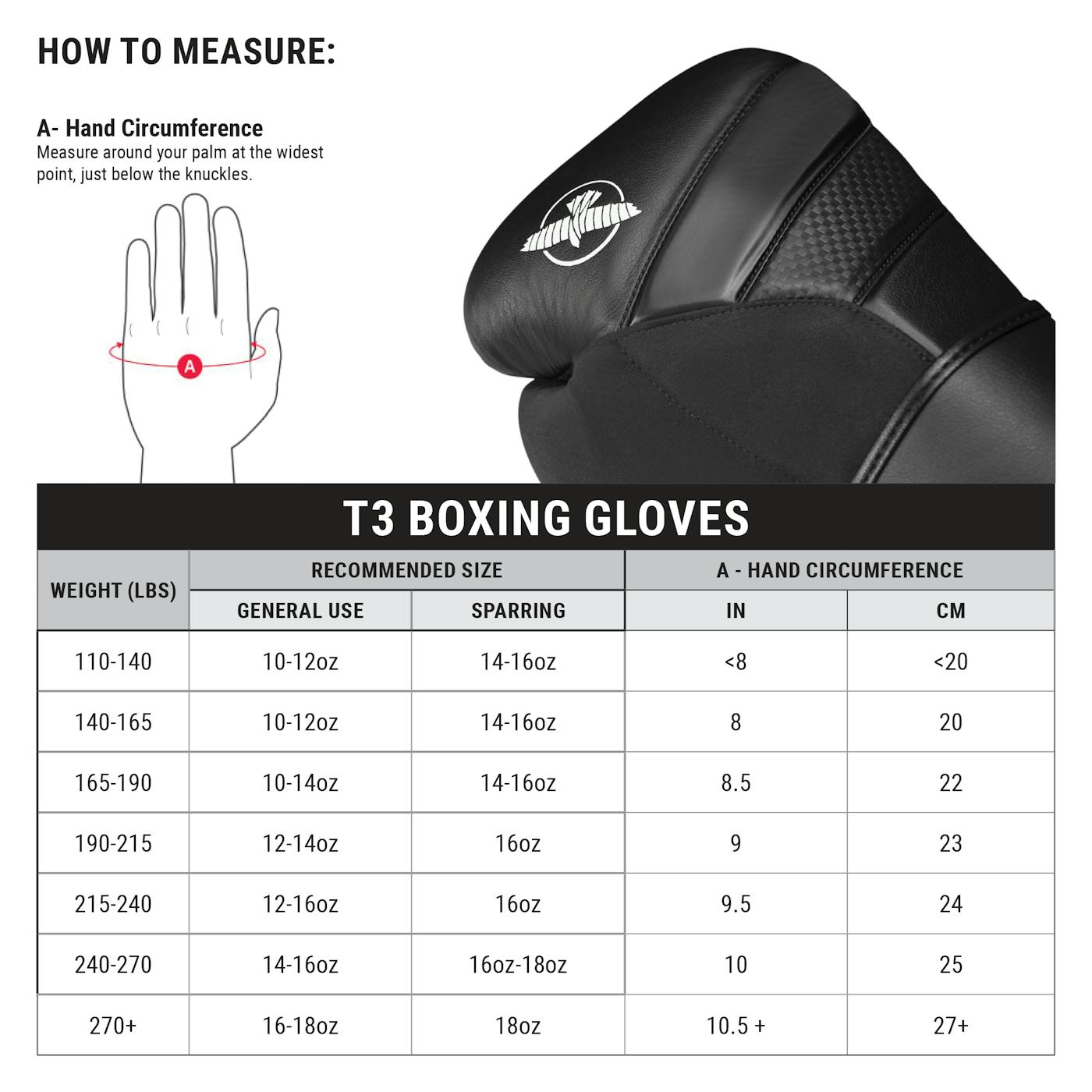
Credit: kashifiqbal.com
Boxing Glove Weight Basics
Boxing glove weight is a key factor in training and fighting. Gloves come in different weights to match training goals and hand sizes. Knowing the basics helps you pick the right gloves for your needs.
Glove weight affects protection, speed, and power. Understanding these differences improves your boxing experience.
Common Weight Categories
Standard boxing gloves usually range from 8 to 20 ounces. The most common weights are 10 oz, 12 oz, 14 oz, and 16 oz. Lighter gloves, like 8 oz or 10 oz, are used in matches. Heavier gloves, such as 14 oz or 16 oz, are common for training and sparring.
How Weight Affects Performance
Lighter gloves increase hand speed and punching power. They offer less padding, so hits feel harder. Heavier gloves add more padding for protection. They slow down punches but reduce injury risk. The right weight balances speed, power, and safety for your style.
Choosing The Right Weight
Consider your weight, training type, and experience. Beginners often start with 14 oz or 16 oz gloves for safety. Fighters use 8 oz or 10 oz gloves in official matches. For bag work, heavier gloves protect your hands better. Choose gloves that fit well and feel comfortable.
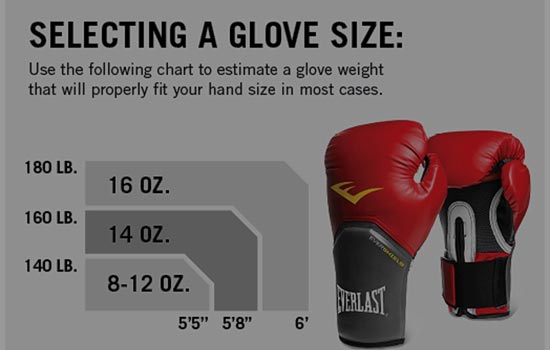
Credit: globaleduversity.com
Standard Boxing Glove Weights
Standard boxing gloves come in different weights. Each weight suits different purposes in training and competition. Choosing the right glove weight helps protect your hands and your opponent. It also affects your speed and power during a fight.
Here is a breakdown of common boxing glove weights and their uses.
8 Oz Gloves
8 oz gloves are the lightest standard size. They are often used in professional fights. These gloves allow fast punches and good hand movement. They offer less padding, so more protection is needed for both fighters.
10 Oz Gloves
10 oz gloves are popular in amateur boxing matches. They provide a balance between speed and protection. Many competitions require this weight for fairness and safety. These gloves suit fighters with smaller hands.
12 Oz Gloves
12 oz gloves are common for training and sparring. They offer more padding to reduce injury risk. These gloves protect both you and your partner well. Many boxers use 12 oz gloves for regular practice.
14 Oz Gloves
14 oz gloves are heavier and provide extra cushioning. They are ideal for intense sparring sessions. The added weight helps build arm strength and endurance. These gloves slow punches down, improving control.
16 Oz Gloves
16 oz gloves are the heaviest standard size. They are the best choice for heavy training and sparring. These gloves protect hands and opponents from strong punches. Many trainers recommend 16 oz for safety and strength building.
Weight Selection By Purpose
Choosing the right weight for boxing gloves depends on the purpose you need them for. Different activities demand different glove weights to protect your hands and your opponent. Understanding these differences helps you pick gloves that suit your training or competition needs perfectly.
Training Gloves
Training gloves usually weigh between 12 and 16 ounces. They offer good padding for heavy bag work and mitt drills. These gloves protect your hands from injury during long practice sessions. Heavier gloves help build strength and improve technique.
Sparring Gloves
Sparring gloves are often heavier, ranging from 14 to 18 ounces. The extra padding reduces the impact on your sparring partner. It also keeps your hands safer during practice fights. Choosing the right weight is important to avoid injury for both boxers.
Competition Gloves
Competition gloves are lighter, usually 8 to 10 ounces. They allow faster punches and better hand speed. These gloves have less padding to make the fight more challenging. Rules often set the exact weight for official matches.
Factors Influencing Glove Weight Choice
Choosing the right boxing glove weight depends on several key factors. These factors help fighters find gloves that offer protection and comfort. The right glove weight improves performance and reduces injury risk. Understanding these factors guides you to the best glove choice for your needs.
Fighter’s Weight Class
A fighter’s weight class affects glove weight selection. Heavier fighters often use heavier gloves for better padding. Lighter fighters usually pick lighter gloves to keep speed and agility. The glove weight must match the fighter’s body weight for balance.
Hand Size And Comfort
Hand size plays a big role in glove weight choice. Gloves that are too heavy or tight can feel uncomfortable. Comfort ensures better control and less fatigue during training or fights. Proper fit helps protect hands and wrists effectively.
Type Of Training
Training type influences the glove weight needed. Sparring requires heavier gloves to protect both fighters. Bag work and pad drills often use lighter gloves for speed. Using the right glove weight for training prevents injuries and improves skill.
Impact Of Glove Weight On Safety
The weight of boxing gloves plays a big role in safety during training and fights. Gloves come in different weights, usually measured in ounces. The glove weight affects how much padding is inside. This padding helps protect both the boxer and their opponent.
Choosing the right glove weight matters for safety. Lighter gloves have less padding. Heavier gloves have more padding. This changes the impact of punches and the chance of injury. Understanding this helps boxers stay safe and train well.
Protection For Hands
Heavier gloves have thick padding that cushions the hands. This reduces the chance of hurting knuckles or wrists. Boxing with light gloves can cause hand injuries. Gloves with enough weight give better support. They help absorb the shock from punches. This keeps the hands safer during hard hits.
Reducing Injury Risk
Glove weight also lowers the risk of cuts and bruises. More padding spreads the force of punches over a bigger area. This lessens the damage to both fighters. Using gloves that are too light may cause more injuries. Proper glove weight helps boxers avoid serious harm. It makes training and matches safer for everyone.
Opponent Safety
Heavier gloves protect the opponent too. The padding softens punches and reduces impact force. This helps prevent serious injuries like broken bones or deep cuts. Boxing with gloves that are too light can increase injury risk for opponents. Proper glove weight makes fights safer and fairer. It supports good sportsmanship and care in the ring.
Materials And Construction
Standard boxing gloves rely heavily on their materials and construction for performance and safety. The choice of materials affects the glove’s comfort, protection, and weight. Each component plays a vital role in how the glove feels and functions during training or matches.
Padding Types
Padding absorbs impact and protects hands and wrists. Common padding includes foam, gel, and horsehair. Foam padding is soft and lightweight but compresses over time. Gel padding offers better shock absorption and maintains shape longer. Horsehair padding is dense and durable but heavier and less common now. Different padding types influence glove weight and comfort.
Glove Shell Materials
The outer shell protects the padding and adds durability. Leather is the top choice for quality gloves. It is strong, flexible, and breathable. Synthetic leather offers a cheaper alternative. It feels less natural but is easier to clean. Shell material affects the glove’s lifespan and comfort during use.
Durability And Weight
Durability depends on the quality of materials and stitching. High-quality leather with double stitching lasts longer. Synthetic gloves may wear out faster but weigh less. Heavier gloves often have thicker padding for protection. Lighter gloves offer speed but less cushioning. Choosing the right glove balances weight, durability, and protection.
Tips For Buying Boxing Gloves
Choosing the right boxing gloves is key to safe and effective training. Gloves come in different weights and sizes. Picking the right pair protects your hands and improves performance. Here are some helpful tips for buying boxing gloves that fit well and suit your needs.
Trying On Gloves
Always try gloves on before buying. Make sure they fit snugly but not too tight. Move your fingers and make a fist. The gloves should feel comfortable and allow easy movement. Test the wrist straps for secure support. Poor fit can cause injuries and reduce control.
Checking Weight Labels
Boxing gloves come in various weights, usually from 8 oz to 16 oz. Lighter gloves are for competition; heavier gloves offer more padding for training. Read the weight label carefully. Choose gloves that match your body weight and training type. Correct weight helps protect your hands and your opponent.
Budget Considerations
Set a budget before shopping. Gloves vary widely in price. Cheaper gloves might wear out quickly or lack padding. Mid-range gloves often offer good quality and durability. Think about how often you will train. Investing in quality gloves saves money over time.
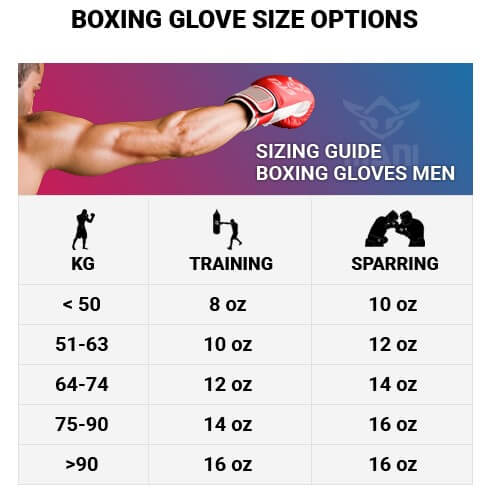
Credit: nesteellintels.com
Maintaining Your Gloves
Maintaining your boxing gloves helps keep them clean and fresh. Proper care stops bad smells and wear. Gloves last longer when you take good care of them.
Cleaning And Care
Wipe gloves with a damp cloth after every use. Use mild soap to clean the outside if needed. Avoid soaking gloves in water. Let gloves air dry completely to stop bacteria. Use glove deodorizers or sprinkle baking soda inside to reduce odor.
Storage Tips
Store gloves in a cool, dry place. Avoid leaving them in your gym bag for days. Keep gloves away from direct sunlight and heat. Open gloves after use to let air circulate. Use a mesh bag for better ventilation.
Extending Glove Lifespan
Wear hand wraps to protect gloves inside. Rotate between two pairs of gloves if possible. Check gloves for damage regularly. Repair small tears or loose stitching quickly. Proper cleaning and storage extend glove life significantly.
Frequently Asked Questions
What Weight Are Standard Boxing Gloves For Adults?
Standard adult boxing gloves usually weigh between 10 and 16 ounces. The weight depends on use, such as training or competition. Heavier gloves provide more padding and protection, while lighter gloves are used in professional fights.
How Does Glove Weight Affect Boxing Performance?
Heavier gloves slow down hand speed but offer better protection. Lighter gloves increase speed but have less padding. Choosing the right weight balances safety and performance based on training or fighting needs.
Are 12 Oz Gloves Standard For Amateur Boxing?
Yes, 12 oz gloves are common in amateur boxing. They provide sufficient padding for protection while allowing good hand speed. Many amateur competitions and gyms recommend 12 oz gloves for training and sparring.
Why Do Boxing Gloves Come In Different Weights?
Glove weights vary to suit different purposes like training, sparring, or competition. Heavier gloves add protection and build strength. Lighter gloves are for speed and professional fights. This variety helps boxers train effectively and safely.
Conclusion
Choosing the right boxing glove weight matters for comfort and safety. Lighter gloves offer speed but less protection. Heavier gloves protect hands but may slow you down. Most standard gloves weigh between 8 and 16 ounces. Think about your training goals and hand size before buying.
Proper gloves help prevent injuries and improve your experience. Remember, the right weight supports your progress in boxing. Keep these points in mind when selecting your gloves. Your hands will thank you.