
Choosing the right weight for your boxing gloves can make a big difference in your training and performance. You might wonder, “What weight should my boxing gloves be?” The answer isn’t one-size-fits-all—it depends on your goals, experience, and even your body weight.
Picking the wrong gloves can slow your progress, cause discomfort, or even lead to injury. Keep reading to discover how to find the perfect glove weight that fits you just right and helps you train smarter, hit harder, and stay safe.
Choosing The Right Weight
Choosing the right weight for boxing gloves is important for comfort and performance.
The right gloves protect your hands and improve your training or fighting.
Many factors affect which glove weight suits you best.
Factors Influencing Glove Weight
Boxing gloves come in different weights, usually from 8 to 20 ounces.
Heavier gloves offer more padding and protection.
Lighter gloves allow faster punches but less padding.
Your purpose—training or fighting—affects your choice.
Your body weight and strength also guide the glove weight you need.
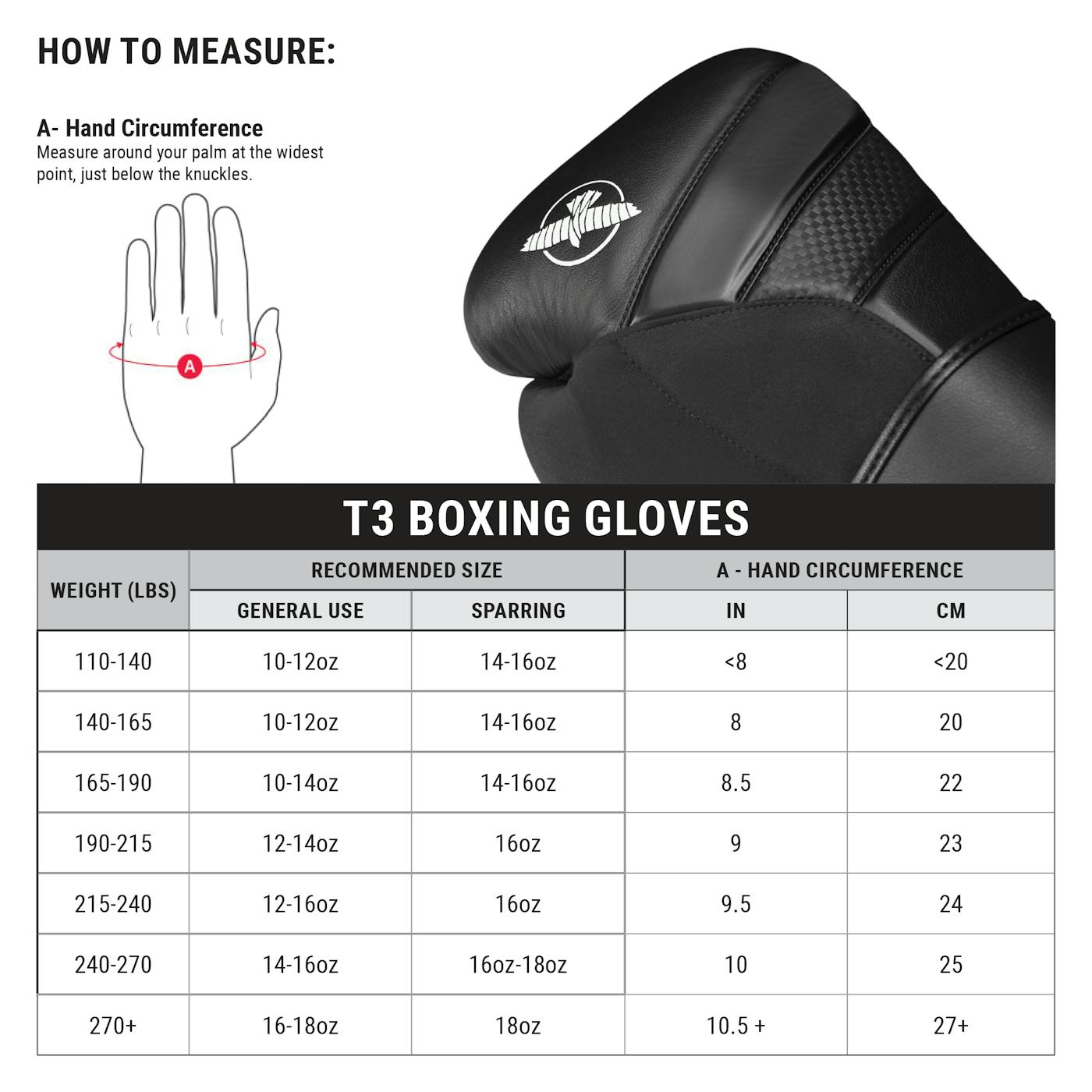
Hand Size And Glove Weight
Hand size matters for glove fit and comfort.
Small hands usually need lighter gloves to move easily.
Larger hands require heavier gloves for proper coverage.
Gloves that fit well prevent injuries and improve your control.
Try on gloves to find the best fit before buying.
Training Vs Competition Gloves
Training gloves are usually heavier for extra protection.
They help build strength and protect your hands during long sessions.
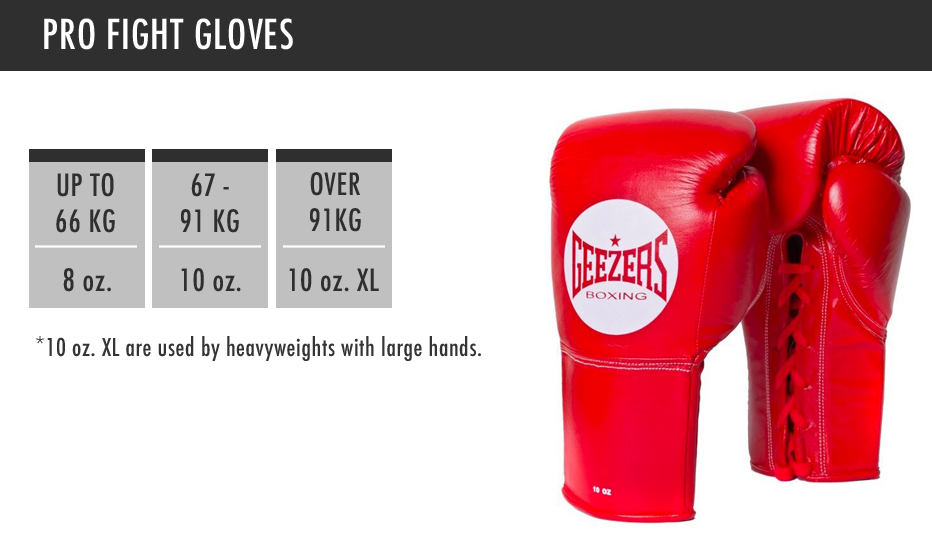
Competition gloves are lighter for speed and quick punches.
Fighters often use 8 or 10-ounce gloves in matches.
Choose training gloves that match your workout style and goals.
Credit: networktraveltour.com
Common Glove Weights
Boxing gloves come in different weights. Each weight suits different needs and skill levels. Choosing the right glove weight helps protect your hands and improves your training.
Common glove weights range from 8 ounces to 16 ounces and above. Each weight has its own purpose and benefits. Understanding these can help you pick gloves that fit your style and goals.
8 Oz Gloves
8 oz gloves are light and fast. They are often used in professional fights. These gloves offer less padding, so hand protection is lower. Ideal for quick punches but not for heavy training.
10 Oz Gloves
10 oz gloves are a common choice for amateur fighters. They balance speed and protection well. These gloves are good for light sparring and bag work. They help improve technique without too much weight.
12 Oz Gloves
12 oz gloves provide more padding and comfort. They suit beginners and intermediate boxers. These gloves are great for training and sparring. They protect your hands better during longer sessions.
14 Oz Gloves
14 oz gloves offer extra protection and durability. They are popular for regular sparring and heavy bag work. These gloves help build strength and endurance. Good for fighters who want solid hand safety.
16 Oz Gloves And Above
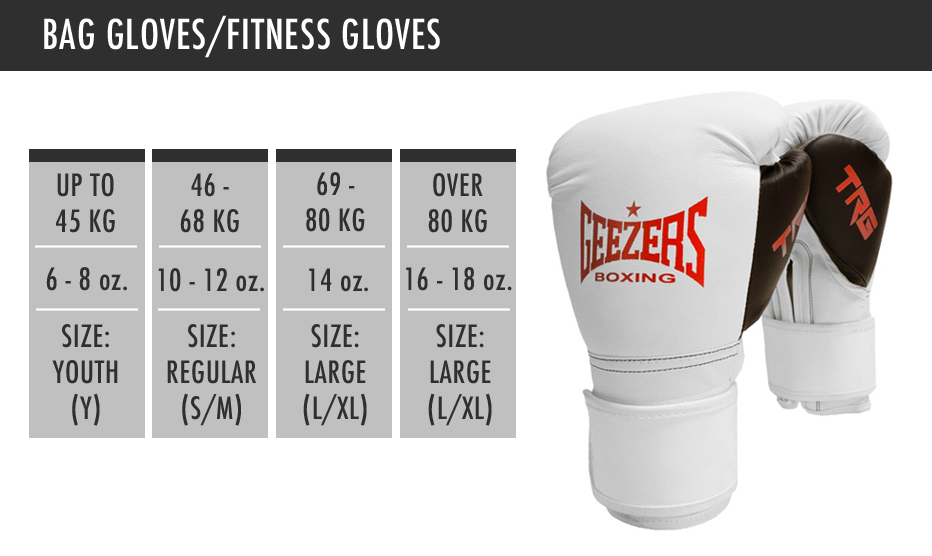
16 oz gloves and above are heavy and well-padded. They are perfect for intense training and sparring. These gloves protect both you and your partner. Often used to increase power and stamina in workouts.
Weight Recommendations By Skill Level
The right boxing glove weight varies by skill level. Choosing the correct weight helps improve training and reduces injury risk. Different fighters need different glove weights for comfort and protection. Below are weight recommendations based on your experience in boxing.
Beginners
Beginners should pick gloves that offer more padding. Gloves weighing 14 to 16 ounces are common for new boxers. These gloves protect hands and wrists during learning sessions. They also help develop proper punching technique safely. Heavier gloves slow punches a bit, which aids control and accuracy.
Intermediate Fighters
Intermediate boxers often use gloves weighing 12 to 14 ounces. These gloves balance protection and speed well. They allow faster punches while still cushioning impact. Fighters at this level train more frequently and with more intensity. Using medium-weight gloves helps build endurance and power.
Advanced Fighters
Advanced fighters usually select lighter gloves, between 10 and 12 ounces. Lighter gloves offer less padding but increase speed and agility. These gloves suit experienced boxers who have strong wrists and good technique. They provide better feel and control for sparring and matches. Choosing the right weight depends on personal comfort and competition rules.
Choosing Gloves For Different Training Types
Choosing the right boxing gloves depends on the type of training you do. Each training style needs gloves with specific weight and padding. Using the correct gloves helps protect your hands and your training partner. It also improves your performance and comfort during workouts.
Sparring Gloves
Sparring gloves are heavier to protect both fighters. They usually weigh between 14 and 18 ounces. The extra padding absorbs impact and reduces injury risk. Choose gloves that fit well but allow some movement. Heavier gloves help build strength and endurance too.
Bag Gloves
Bag gloves are lighter and firmer than sparring gloves. They weigh around 10 to 14 ounces. These gloves protect your hands during heavy bag or mitt work. They offer less padding but more wrist support. Bag gloves help improve punching technique and speed.
Competition Gloves
Competition gloves are the lightest, often 8 to 10 ounces. They must follow specific rules for weight and size. These gloves have less padding to make punches faster and stronger. They fit snugly for better control. Use competition gloves only for matches, not training.
Impact Of Glove Weight On Performance
The weight of boxing gloves plays a big role in how you perform during training or a fight. Different weights change how fast and powerful your punches feel. Gloves that are too heavy or too light can affect your comfort and safety. Choosing the right glove weight helps balance speed, protection, and endurance.
Speed Vs Protection
Lighter gloves allow faster punches. They help improve hand speed and reaction time. But they offer less padding, which lowers protection. Heavier gloves slow your punches but add more cushion. This protects your hands and your opponent better. Picking glove weight means finding the right mix of speed and safety.
Hand And Wrist Support
Heavier gloves usually provide better support for hands and wrists. They have thicker padding and tighter straps. This reduces the risk of injuries during hard hits. Lighter gloves offer less support and may increase strain. Protecting your hands is important, especially during intense training.
Endurance And Fatigue
Heavier gloves make your arms work harder. This can cause fatigue faster, limiting training time. Lighter gloves help conserve energy and let you train longer. Using the right glove weight helps build endurance without overworking your muscles. Balance is key to lasting through rounds or sessions.
Credit: www.geezersboxing.co.uk
Additional Considerations
Choosing the right weight for boxing gloves is important. But some extra factors also matter. These can affect your training and comfort. Understanding these helps you pick the best gloves for your needs.
Material And Padding
Gloves come in different materials. Leather gloves last longer and feel soft. Synthetic gloves cost less and are lighter. Padding inside the gloves protects your hands and your opponent. More padding means better shock absorption but heavier gloves. Choose gloves with good padding for safety.
Glove Fit And Comfort
Gloves must fit well. Too tight gloves hurt your hands. Too loose gloves slip during punches. Try different sizes and models. Your gloves should feel snug but not tight. Comfort helps you train longer without pain.
Brand And Price Factors
Some brands offer better quality gloves. They use durable materials and good padding. Price often shows quality but not always. Expensive gloves are not always the best for beginners. Find a brand trusted by many boxers. Choose gloves that fit your budget and needs.
Credit: www.geezersboxing.co.uk
Frequently Asked Questions
What Weight Boxing Gloves Suit Beginners Best?
For beginners, 12 to 14 oz gloves are ideal. They offer good protection and balance for learning techniques safely.
How To Choose Boxing Glove Weight For Sparring?
Use 14 to 16 oz gloves for sparring. Heavier gloves provide better padding and reduce injury risks during practice.
Why Do Heavier Gloves Protect Hands Better?
Heavier gloves have more padding, absorbing impact efficiently. This reduces stress on your hands and wrists during training.
Does Boxing Glove Weight Affect Punching Speed?
Yes, lighter gloves allow faster punches. However, heavier gloves build strength and endurance over time.
Conclusion
Choosing the right boxing gloves weight affects your training and safety. Lighter gloves help speed and technique, while heavier gloves build strength and protect your hands. Think about your goals and experience level before picking a weight. Try different gloves to see what feels best.
Remember, comfort and fit matter most for good performance. Use this guide to make smart choices and enjoy your boxing journey. Keep practicing, stay safe, and have fun in the ring.
