Are you confused about what size boxing gloves you need? Choosing the right glove size is more important than you might think.
The perfect fit protects your hands, improves your performance, and keeps you comfortable during every punch. You’ll discover exactly how to find your ideal boxing glove size—no guesswork, no frustration. Keep reading to make sure your gloves work for you, not against you.
Credit: www.shoshitamam.com
Why Glove Size Matters
Choosing the right boxing glove size is important. It affects how you perform and feel during training or a match. The right size helps you hit harder and protect your hands. It also makes your boxing experience safer and more comfortable.
Impact On Performance
Glove size changes how fast and strong your punches are. Smaller gloves feel lighter and help you punch faster. Bigger gloves add weight but give more power in each punch. Picking the right size helps you train better and box with confidence.
Injury Prevention
Proper glove size protects your hands and wrists from harm. Gloves that are too small do not cushion your knuckles well. Gloves that are too big can slip and cause accidents. Wearing the right gloves lowers the risk of injuries during fights or workouts.
Comfort And Control
Good glove fit feels comfortable on your hands. It gives you better control over your punches. Gloves that fit well prevent your hands from slipping inside. Comfort and control make your boxing smoother and more precise.
Measuring Your Hand Size
Knowing your hand size is key to buying the right boxing gloves. Gloves that fit well protect your hands and improve your performance. Measuring your hand size is simple and takes only a few minutes. Follow clear steps to get the right measurement every time.
Tools Needed
Use a soft measuring tape for best results. A ruler or a strip of paper can work too. You will also need a pen to mark the paper. A flat surface helps keep your hand steady.
Step-by-step Measurement
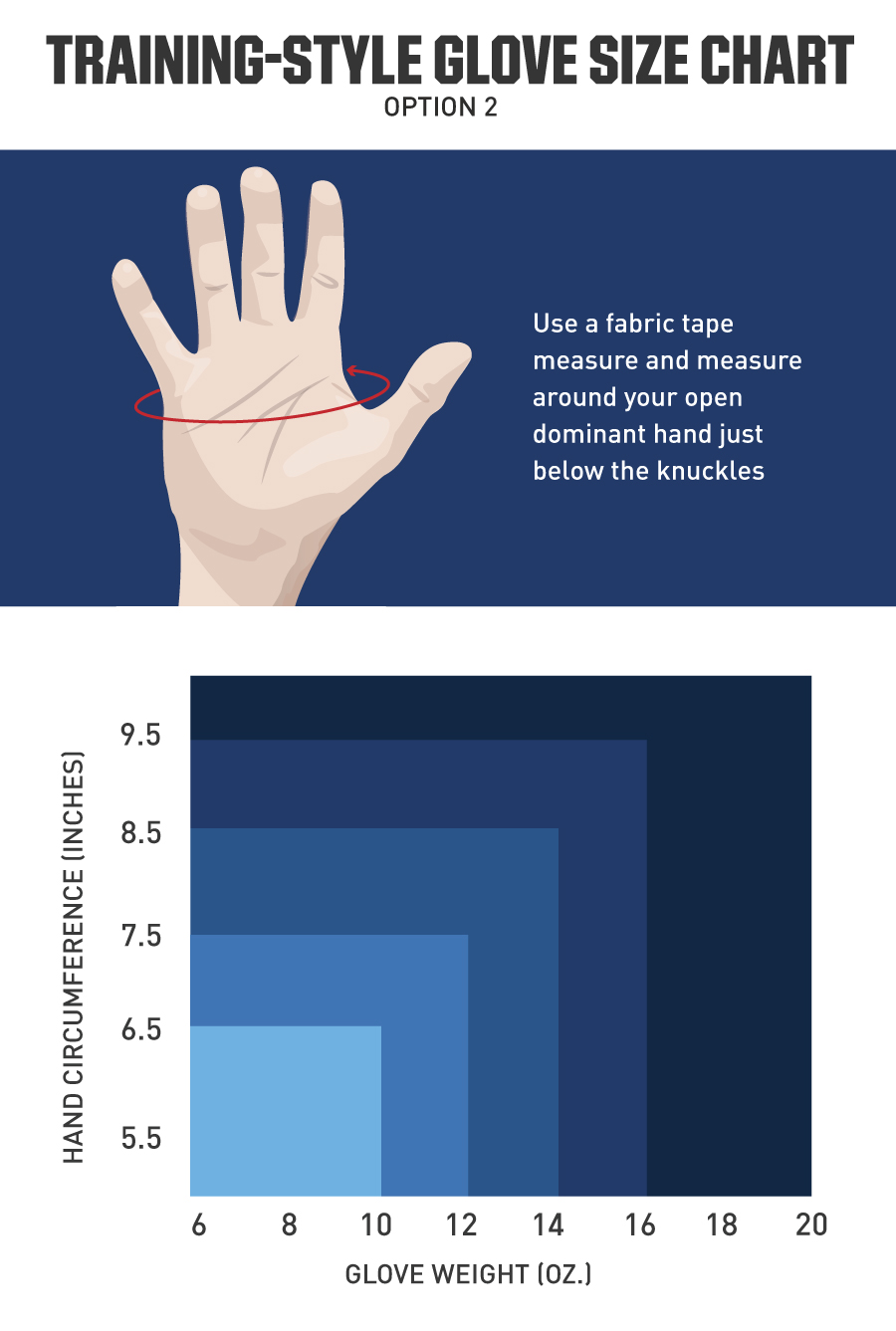
Start by opening your hand wide. Wrap the measuring tape around the knuckles. Do not include the thumb in this measurement. Note the number where the tape meets. If using paper, wrap it around and mark the spot. Measure the paper length with a ruler. This number is your hand circumference.
Common Mistakes To Avoid
Do not measure your hand when clenched. This can give a smaller size. Avoid measuring only the palm; knuckles matter more. Make sure the tape is snug, not tight. Measuring over gloves or bulky items skews results. Always measure both hands for accuracy.
Glove Size Chart Basics
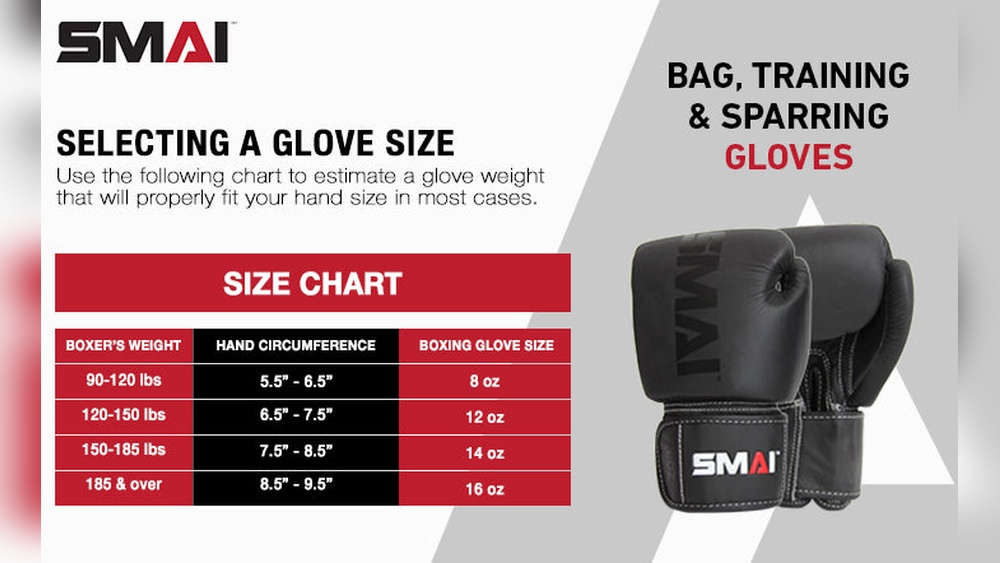
Choosing the right boxing glove size matters for comfort and safety. A glove size chart helps match gloves to your needs. It shows how sizes fit different weights and hand measurements. Understanding this chart makes picking gloves easier and more precise.
Weight-based Sizing
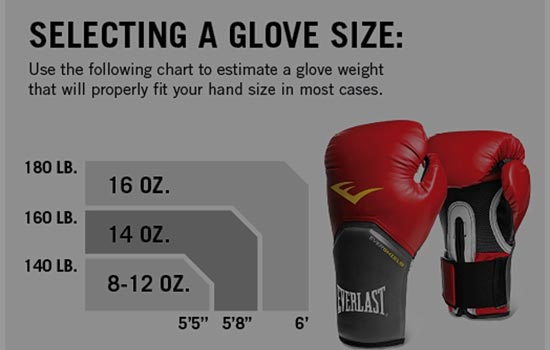
Glove sizes often relate to your body weight. Heavier people usually need bigger gloves. Sizes range from 8 oz to 16 oz or more. For example, someone under 120 lbs might use 8-10 oz gloves. Someone over 180 lbs could need 14-16 oz gloves. This method gives a quick size estimate for beginners.
Hand Circumference Guide
Hand size is another way to find glove size. Measure around your knuckles with a tape. Small hands fit smaller gloves, large hands need bigger ones. Gloves come in sizes like small, medium, and large. Use your hand measurement to pick a comfortable fit. This helps ensure your gloves protect your hands well.
Differences By Brand
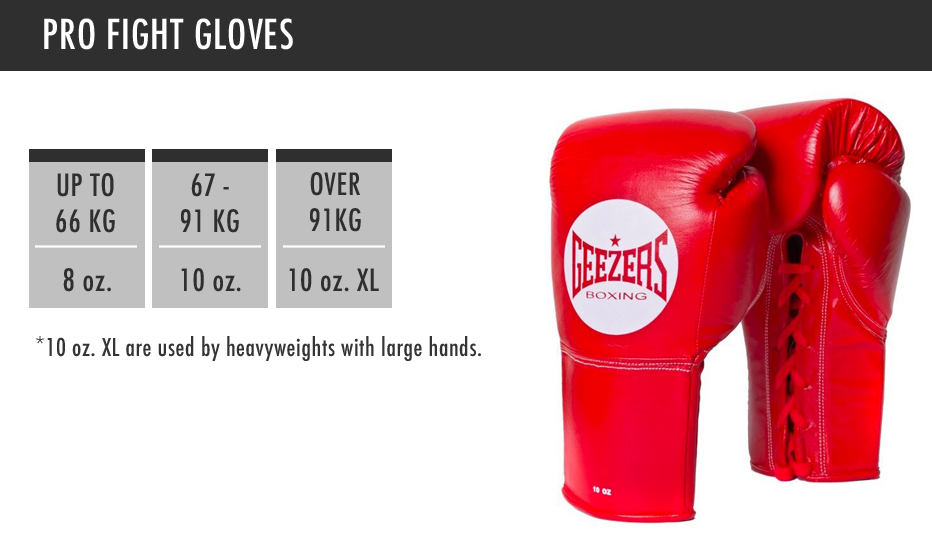
Not all brands size gloves the same way. Some brands run larger or smaller than others. Check each brand’s size chart before buying. Trying gloves on helps find the best fit. Reading reviews can also guide you on brand sizing. This avoids buying gloves that feel too tight or loose.
Credit: www.geezersboxing.co.uk
Choosing Gloves By Boxing Style
Choosing the right boxing gloves depends on your boxing style. Different gloves suit different training needs. Picking gloves that match your style helps protect your hands and improve your performance.
Each type of glove serves a special purpose. Understanding these types guides you to the best fit for your workouts and fights.
Training Gloves
Training gloves are versatile and used for many workouts. They offer good padding to protect your hands during heavy bag work and mitt sessions. Choose gloves that feel comfortable and support your wrist well. Weight usually ranges from 12 to 16 ounces for training gloves.
Sparring Gloves
Sparring gloves focus on safety for both you and your partner. They have extra padding to reduce impact. These gloves are softer to prevent injuries during practice fights. Common sizes are 14 to 18 ounces, depending on your weight and sparring intensity.
Competition Gloves
Competition gloves are lighter and firmer. Designed for matches, they allow faster punches and better control. Weight and size often follow strict rules by boxing organizations. These gloves offer less padding but more speed, fitting closely to your hand.
Material And Padding Effects
Choosing the right boxing glove size depends greatly on the material and padding. These two factors affect comfort, protection, and performance. Understanding them helps you pick gloves that fit well and last long.
Leather Vs Synthetic
Leather gloves feel soft and mold to your hand over time. They offer good breathability and are strong. Synthetic gloves cost less and are easier to clean. They may wear out faster but can be lighter. Both types suit different budgets and needs.
Types Of Padding
Foam padding is common and absorbs impact well. It keeps your hands safe during punches. Gel padding adds extra shock absorption and comfort. Some gloves mix foam and gel for better protection. The padding type affects how the glove fits and feels.
Durability And Maintenance
Leather gloves last longer but need regular care. Use a soft cloth to clean and avoid water. Synthetic gloves dry quickly and resist stains. They need less maintenance but may crack over time. Proper care extends the life of any glove.
Trying Gloves On
Trying on boxing gloves is key to finding the right size. Gloves that fit well protect your hands and improve your performance. This step helps you feel the comfort and security gloves offer before buying.
Fit Check Tips
Start by putting on your hand wraps. They add padding and support. Slip your hand into the glove gently. Check if your fingers can move slightly but not slide around. The glove should cover your entire hand without tight spots.
How Gloves Should Feel
Gloves must feel snug but not too tight. Your knuckles should sit comfortably inside the padding. Avoid gloves that pinch your fingers or wrist. The glove should feel stable when you make a fist. No pain or numbness is allowed.
Adjusting Wraps And Straps
Secure your hand wraps first for good support. Then tighten the glove straps firmly. Straps keep the gloves in place during training. Make sure the straps are not too loose or too tight. They should hold your wrist steady without cutting circulation.
Common Glove Size Faqs
Choosing the right boxing glove size can be confusing. Many people ask common questions before buying gloves. Knowing answers helps pick gloves that fit well and protect hands.
Below are answers to some common glove size questions. They cover brand differences, when to get new gloves, and sizes for kids and adults.
Can Sizes Vary By Brand?
Yes, glove sizes can differ between brands. One brand’s 12 oz glove might feel tighter than another’s. Each company uses its own measurements and padding style. Trying gloves on is the best way to check fit. Reading reviews can also help understand size differences.
When To Upgrade Gloves
Upgrade gloves if they feel loose or worn out. Padding breaks down over time and protection decreases. New gloves improve comfort and safety. Also, upgrade if you change your training style. Heavier gloves suit bag work, lighter ones suit sparring. Changing glove weight may mean changing size too.
Glove Size For Kids Vs Adults
Kids need smaller gloves than adults. Gloves for children usually start at 6 oz or 8 oz. Adults often use 12 oz to 16 oz gloves. Smaller gloves protect children’s smaller hands better. Always measure hand size before buying kids’ gloves. Proper fit prevents injuries and helps training.
Credit: www.dickssportinggoods.com
Frequently Asked Questions
How Do I Measure My Hand For Boxing Gloves?
Measure the circumference of your dominant hand using a tape. Wrap it around the knuckles, excluding the thumb. Use this size to find the right glove weight and fit.
What Glove Size Suits Beginners In Boxing?
For beginners, 12 to 14 ounces gloves work well. They offer good protection and help build proper technique. Choose gloves based on your hand measurement and training type.
Does Glove Size Affect Boxing Performance?
Yes, the right glove size improves comfort and protection. Proper fit enhances control and reduces injury risk. Ill-fitting gloves can hinder performance and cause discomfort.
How To Choose Glove Size For Sparring?
Choose gloves weighing 14 to 16 ounces for sparring. Heavier gloves provide extra padding to protect both fighters. Ensure the gloves fit snugly without restricting movement.
Conclusion
Choosing the right boxing glove size protects your hands and improves training. Gloves that fit well feel comfortable and give better control. Consider your weight, hand size, and training type carefully. Trying different sizes helps find the best match for you.
Remember, the correct glove size reduces injury risk and boosts confidence. Take your time to pick gloves that suit your needs perfectly. Stay safe and enjoy every punch with the right gloves on.


