
Choosing the right boxing gloves can make a big difference in your training and performance. But with so many options out there, you might be wondering: what’s the best ounce (oz) for boxing gloves?
The weight you pick affects your comfort, speed, and protection. If you want to avoid injuries and get the most out of your workouts, it’s important to know which glove size fits your needs. Keep reading, and you’ll discover how to find the perfect gloves that match your goals and skill level.
Choosing The Right Glove Weight
Choosing the right glove weight is key for effective boxing training and sparring. Gloves come in different weights measured in ounces (oz). Each weight offers a different level of protection, comfort, and performance. Picking the correct glove weight helps prevent injuries and improves your technique. Understanding glove sizes will guide you to the best choice for your needs.
Common Oz Sizes Explained
Boxing gloves usually range from 8 oz to 20 oz. Lighter gloves like 8 oz and 10 oz are often used for competitions. Heavier gloves, such as 14 oz or 16 oz, provide more padding and protection. These are ideal for training and sparring. The number shows the glove’s weight, not its size. Heavier gloves feel bulkier but protect your hands better.
Impact On Training And Sparring
Heavier gloves slow down your punches. This builds strength and endurance. They also protect your hands and your partner during sparring. Lighter gloves allow faster punches and better speed training. Using the right glove weight helps you train safely and effectively. It balances power, speed, and protection.
Matching Gloves To Your Weight Class
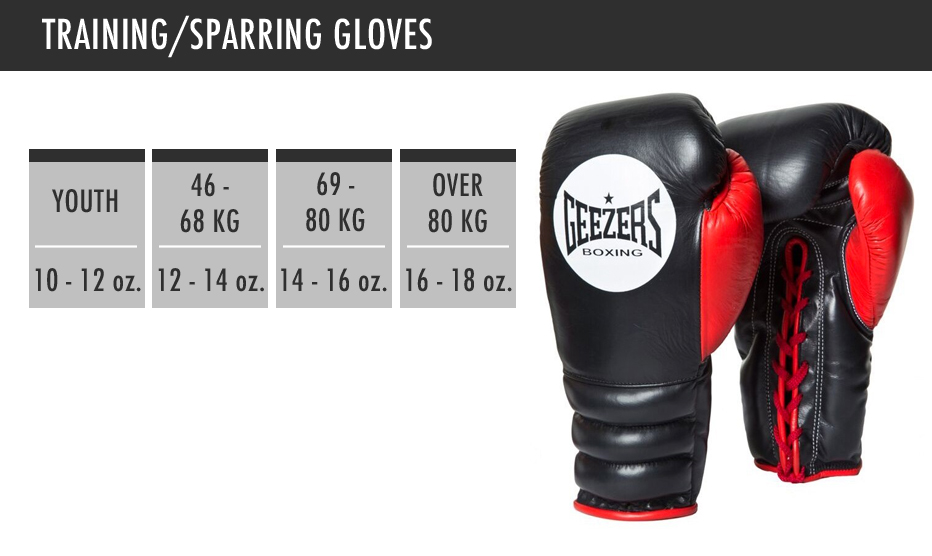
Your body weight helps decide the glove weight you should use. People under 120 pounds often use 10 oz or 12 oz gloves. Those between 120 and 150 pounds may choose 14 oz gloves. Fighters over 150 pounds usually pick 16 oz gloves. This match ensures proper hand protection and comfort during training. Wearing the right gloves supports your boxing goals and safety.

Credit: www.fstt.org
Glove Types And Their Uses
Choosing the right boxing gloves depends on the type of training or competition. Each glove type serves a special purpose. Understanding these types helps pick the best gloves for your needs.
Gloves differ in weight, padding, and design. These differences affect comfort, protection, and performance during boxing activities.
Bag Gloves Vs Sparring Gloves
Bag gloves have extra padding to protect your hands on heavy bags. They focus on wrist support and shock absorption. Sparring gloves are softer and offer more padding to protect both you and your partner. They help reduce injury risk during practice fights.
Competition Gloves
Competition gloves are lighter and more compact. They allow faster punches and better control. These gloves have less padding than training gloves. They meet specific rules for official matches and help maximize performance in the ring.
Training Gloves For Versatility
Training gloves are designed for multiple uses. They provide balanced padding for bag work, sparring, and mitt drills. These gloves offer comfort and protection in various exercises. They are a good choice for beginners and regular training routines.
Factors Influencing Glove Weight Choice
Choosing the right weight for boxing gloves depends on several key factors. Each factor affects comfort, safety, and how well you train. Understanding these can help you pick gloves that fit your needs perfectly.
Glove weight is not just about size. It relates to your hand size, training goals, and the level of protection you need. The right glove weight makes your sessions more effective and safer.
Hand Size And Comfort
Your hand size is crucial when choosing glove weight. Gloves too heavy or too light can cause discomfort. Properly fitting gloves reduce hand fatigue and improve performance. Comfort allows longer training without pain or injury.
Protection And Safety
Glove weight affects how well your hands and wrists are protected. Heavier gloves offer more padding, reducing impact during sparring. Lighter gloves are better for speed but less protective. Safety should guide your weight choice.
Training Goals And Intensity
Your training type impacts the best glove weight. For heavy bag work, heavier gloves build strength and endurance. For speed and technique, lighter gloves allow faster punches. Match glove weight to your workout intensity for best results.
Popular Oz Sizes For Different Scenarios
Boxing gloves come in different weights, measured in ounces (oz). Each size suits a specific use. Choosing the right size helps protect your hands and your opponent. It also improves your training or fight experience. Below are popular glove sizes and their common uses.
8oz And 10oz Gloves For Competition
These gloves are light and fast. They allow quick punches and better hand speed. Most professional boxers use 8oz or 10oz gloves in matches. They provide less padding but more control. Ideal for fighters who want to hit fast and hard.
12oz And 14oz Gloves For Sparring
Sparring requires safety for both boxers. 12oz and 14oz gloves offer more padding. They reduce the risk of injury during practice. These gloves balance protection and comfort. Perfect for regular sparring sessions with a partner.
16oz Gloves For Heavy Training
Heavy training demands strong protection. 16oz gloves have thick padding to absorb impact. They help build strength and stamina. Trainers often recommend 16oz gloves for bag work and conditioning. These gloves keep your hands safe during intense workouts.
Material And Padding Considerations
Choosing the right material and padding is key for boxing gloves. These factors affect comfort, protection, and glove lifespan. Understanding the differences can help you pick gloves that suit your needs and style.
Leather Vs Synthetic Materials
Leather gloves offer natural breathability and flexibility. They shape well to your hands over time. Leather is strong and lasts longer with care. Synthetic gloves cost less and are easier to clean. They resist water and stains better. However, synthetics may feel stiffer and wear out faster.
Types Of Padding And Shock Absorption
High-quality foam padding absorbs impact well. Multi-layer foam provides better shock absorption. Gel padding adds extra protection around knuckles. Proper padding reduces hand injuries during training or fights. Check thickness and density to find suitable gloves.
Durability And Maintenance
Leather gloves need regular cleaning and conditioning. This keeps the material soft and prevents cracking. Synthetic gloves require simple wiping after use. Both types should dry completely before storage. Well-maintained gloves last longer and perform better.

Credit: www.youtube.com
Fitting And Comfort Tips
Choosing the right boxing gloves is not only about size or weight. Comfort and fit play a major role in your performance and safety. Gloves that fit well protect your hands and wrists during training or fights. This section gives useful tips to help you find gloves that feel just right.
Proper Wrapping Techniques
Hand wraps add support inside your gloves. Wrap your hands tightly but not too tight. Cover your knuckles and wrists well. Good wrapping reduces the risk of injuries. It also helps the gloves fit better and feel more comfortable.
Trying Gloves Before Buying
Always try gloves on before buying. Wear your hand wraps first. Make some punching motions to check the feel. Gloves should not squeeze or pinch. Your fingers should move easily. Test both gloves to ensure a balanced fit.
Signs Of A Good Fit
Good gloves feel snug but not tight. Your fingers should rest naturally inside. No extra space should allow slipping. Wrists must feel supported and stable. Check if the gloves stay secure during movement. A proper fit means better control and safety.
Budgeting For Quality Gloves
Choosing the right boxing gloves means balancing quality and price. Budgeting for quality gloves helps you find the best fit without overspending. Good gloves protect your hands and last longer. Poor gloves might cause injury or wear out fast.
Price Ranges And What To Expect
Boxing gloves come in several price ranges. Low-cost gloves usually cost under $30. They suit beginners or light training but may lack durability and padding. Mid-range gloves, between $30 and $80, offer better materials and protection. These gloves fit most hobbyists well. High-end gloves cost over $80. They use premium leather and advanced padding. These gloves are ideal for serious training and competition.
Investing In Your Safety
Good gloves protect your hands and wrists. Poor gloves can cause sprains or fractures. Spending more on gloves means better padding and wrist support. This reduces the risk of injury during training or fights. Your safety should be a top priority. Saving money here can cost more in medical bills later.
Brands Known For Quality
Some brands are trusted for making quality gloves. Everlast, Venum, and Title Boxing offer solid options. These brands balance price with good materials and design. They have gloves for beginners and pros. Choosing a well-known brand ensures better protection and durability. Check customer reviews before buying for the best choice.
Credit: www.geezersboxing.co.uk
Frequently Asked Questions
What Does “oz” Mean In Boxing Gloves?
“Oz” stands for ounces, measuring the glove’s weight and padding thickness. Higher ounces mean more protection and bulk.
Which Glove Size Is Best For Beginners?
12 to 14 oz gloves suit beginners, offering balanced protection and comfort during training.
How Does Glove Weight Affect Performance?
Heavier gloves provide better wrist support but can reduce speed. Lighter gloves increase speed but offer less protection.
What Glove Size Is Ideal For Sparring?
14 to 16 oz gloves are best for sparring to ensure safety and proper cushioning.
Conclusion
Choosing the right glove size affects comfort and safety in boxing. Smaller gloves offer more speed but less protection. Larger gloves provide better cushioning but feel heavier. Think about your weight, training type, and goals. Try different sizes to find what fits best.
The best glove size helps you train longer and avoid injury. Remember, comfort and protection matter most in boxing gloves.


