Where do you keep your bike lock while riding? It’s a simple question, but the answer can make a big difference in your comfort, safety, and convenience.
You want your lock close enough to grab quickly when you stop, but not so bulky that it gets in your way or throws off your balance. Finding the perfect spot can save you hassle and even protect your bike from theft.
Keep reading to discover smart, practical ways to carry your bike lock that fit your riding style and keep you moving smoothly.

Credit: thebestbikelock.com
Common Bike Lock Storage Options
Finding the right place to keep your bike lock while riding is important. It helps keep the lock safe and easy to reach. Many cyclists use different ways to carry their locks. Each option has its own benefits. Choose one that fits your riding style and bike setup.
Frame Mounts
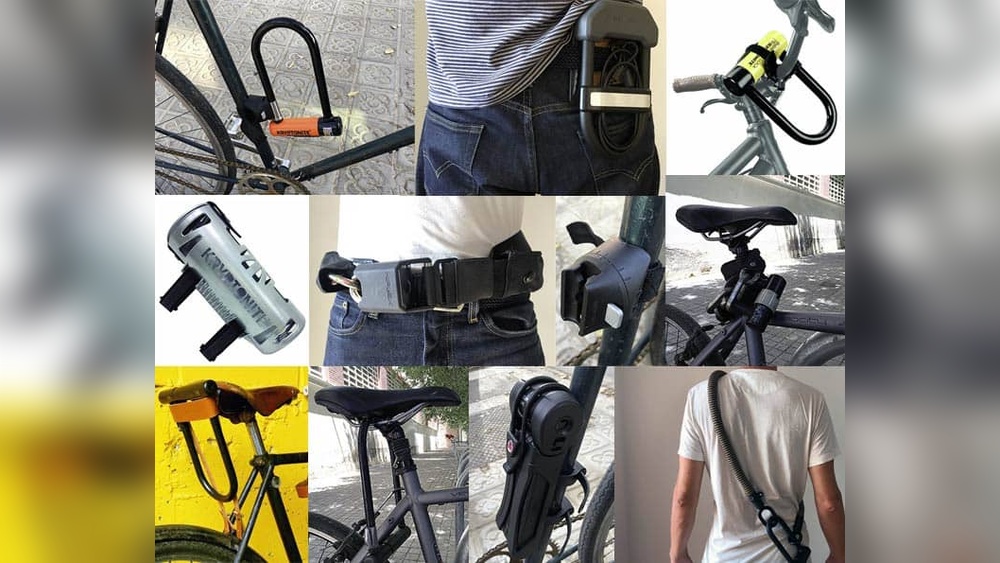
Frame mounts hold the lock directly on your bike frame. They use brackets or clips to attach the lock. This method keeps the lock steady and stops it from swinging. Frame mounts save space and keep the lock close. They work well with U-locks or folding locks.
Backpack And Bags
Carrying your lock in a backpack or bike bag is simple. This option keeps the lock safe and out of the way. Backpacks with special compartments can hold locks securely. Bike bags attached to the frame or rack also fit locks. This method is good if you carry other items too.
Seat Post Holders
Seat post holders attach the lock below the seat. They are easy to install and remove. This position keeps the lock off the frame and out of the way. Seat post holders work best with cable or chain locks. They keep the lock balanced and do not affect riding.
Handlebar Attachments
Handlebar attachments hold the lock in front of the bike. They use straps or brackets to fix the lock in place. This keeps the lock within easy reach. Handlebar mounts suit smaller locks like folding types. They do not add much weight to the front.
Pros And Cons Of Each Storage Method
Choosing where to keep your bike lock while riding matters. It affects your ride and safety. Different storage methods have clear benefits and drawbacks. Knowing these helps you pick what fits best.
This section covers the pros and cons of common ways to carry a bike lock. Read on to find out about accessibility, security, comfort, and weight balance.
Accessibility And Convenience
Keeping the lock in a backpack offers easy access. You can grab it quickly when needed. A frame-mounted lock is always with your bike. No need to carry extra weight on your back. Storing it on the bike frame can be simple but may need adjustments. Some locks fit in special holders. These holders may take time to install or remove.
Security And Theft Risk
Locks stored on the bike frame face higher theft risk. Thieves see the lock and might try to steal it. A backpack lock stays out of sight. It reduces chances of theft. Some riders use lock holders that lock to the frame. This adds security but is not foolproof. Always check how well the lock is secured.
Impact On Riding Comfort
Carrying a lock on your back can cause discomfort. It may make you sweat or feel heavy. Frame-mounted locks do not affect your body directly. They keep your ride smooth. Locks hanging from the handlebars or seat can shake or hit your legs. This may disturb your balance.
Weight Distribution Effects
Locks on the bike frame help keep weight balanced. This makes riding easier and stable. A heavy lock in your backpack shifts weight to your back. It can tire you faster. Locks on one side of the bike may cause uneven weight. This may affect steering and control.
Choosing The Right Lock For Easy Storage
Choosing the right bike lock affects how easy it is to store while riding. A good lock fits your bike and your style. It should be easy to carry and quick to use. The type of lock you pick changes where and how you keep it. Consider size, weight, and shape for smooth rides.
U-locks Vs. Cable Locks
U-locks are strong and hard to break. They hold their shape and fit in bike frames well. Many riders attach them to the frame or carry them in a bag. Cable locks are lighter and flexible. They coil up small and fit in pockets or backpacks. But cables are less safe against theft than U-locks.
Foldable Locks Benefits
Foldable locks fold into compact shapes for easy storage. They fit in small bags or attach to bike frames. These locks balance security and convenience. Their design makes them easy to carry without noise or bulk. They also work well in tight spaces where other locks don’t fit.
Size And Weight Considerations
A lock should not add too much weight to your ride. Heavy locks can be tiring to carry on long trips. Small locks are easier to store but might be less secure. Choose a lock size that fits your bike and storage options. Lightweight locks improve comfort and ease during rides.
Tips For Securing Your Lock While Riding
Carrying a bike lock safely while riding is important. It keeps the lock secure and your ride comfortable. There are smart ways to hold or attach your lock to avoid damage or loss. These tips help you keep the lock close and quiet.
Choose a method that fits your bike and riding style. Think about easy access and safety at all times.
Using Lock Mounting Kits
Lock mounting kits attach the lock directly to your bike frame. They hold the lock firmly in place. Most kits use brackets or clips that fit common bike frames. This keeps the lock out of the way but easy to reach. Installation is simple and tools come with the kit. A mounted lock stays steady and stops swinging around. It also protects the lock from dirt and damage.
Diy Storage Solutions
DIY solutions let you use items you already have. Use Velcro straps or bungee cords to fix the lock to the frame. Wrap the lock in cloth or foam to prevent scratches. Some riders use small bags or pouches attached to the bike. These ideas save money and are easy to customize. Make sure the lock is tight and won’t fall off during your ride.
Avoiding Noise And Rattling
Noise and rattling come from loose locks hitting the frame. Wrap the lock with tape or rubber bands to soften contact points. Use foam pads between the lock and frame for extra quietness. Tighten mounting brackets or straps regularly. A quiet lock means a smoother and more pleasant ride. Less noise also means less distraction for you.
Safety Precautions During Bike Lock Transport
Carrying a bike lock while riding needs care and attention. The way you transport the lock affects your safety and the bike’s condition. Taking simple safety steps helps avoid damage and injury. Keep your lock secure and your ride smooth.
Preventing Lock Damage
Always place the lock where it will not hit the ground or other objects. Use a lock holder or strap to keep it steady. Avoid letting the lock bang against the bike frame. This prevents scratches and keeps the lock working well.
Protecting Your Bike Frame
Use padding or a soft cover around the lock when attaching it to the bike. This stops the lock from rubbing and scratching the paint. Secure the lock tightly to prevent it from moving during the ride. A well-secured lock protects both the frame and your bike’s look.
Avoiding Injury Risks
Do not carry the lock in your hand while riding. It can slip and cause accidents. Keep the lock away from your legs to avoid hitting or scratching yourself. Make sure the lock does not block your movement or balance. Safety comes first with smart lock transport.
Credit: www.reddit.com
Expert Recommendations For Different Riding Styles
Choosing where to keep your bike lock while riding depends on your style. Different riders have different needs. The right place keeps your lock safe, easy to reach, and out of the way. Here are some expert tips for various riding styles.
Commuters And Urban Riders
Commuters need quick access to their locks. Many carry U-locks or folding locks. The best spot is on the frame’s down tube or seat tube. Use a lock mount or cage for security. Some riders strap the lock to their backpack. This keeps the bike balanced and the lock ready.
Mountain Bikers
Mountain bikers face rough trails and bumps. Locks should not interfere with handling. Most place the lock inside a backpack or hydration pack. A flexible cable lock works well for quick stops. Avoid mounting locks on the frame where they can rattle or get damaged.
Casual And Leisure Cyclists
Casual riders prefer light and easy solutions. A small cable lock fits in a saddlebag or jersey pocket. Some carry locks in a handlebar bag. This keeps the lock out of sight but easy to find. Comfort and minimal weight matter most for this group.

Credit: www.reddit.com
Frequently Asked Questions
Where Is The Safest Place To Keep A Bike Lock While Riding?
The safest place to keep a bike lock while riding is attached securely to the bike frame. Avoid loose or dangling locks to prevent noise and damage. Using a lock holder or mount ensures stability and convenience during your ride.
Can I Carry My Bike Lock In A Backpack While Cycling?
Yes, carrying your bike lock in a backpack is common. It keeps the lock secure and out of the way. However, ensure the backpack fits well and does not affect your balance or comfort while riding.
Is It Okay To Hang A Lock On The Bike Handlebar?
Hanging a lock on the handlebar is not recommended. It can interfere with steering and cause imbalance. Instead, secure the lock to the frame or use a dedicated lock mount for safer transport.
How Do I Avoid Noise From My Bike Lock While Riding?
To avoid noise, secure the lock tightly to the frame using a lock mount or holder. Loose locks can rattle and distract you. Padding or rubber-coated locks also help reduce noise during your ride.
Conclusion
Keeping your bike lock safe while riding matters a lot. Choose a spot that feels secure and easy to reach. Many riders use a backpack, frame mount, or belt loop. Avoid loose places where the lock might fall or get lost.
Think about your comfort and safety too. A good habit protects your bike and gives you peace of mind. Try different ways and find what works best for you. Safe riding starts with smart choices.


