Choosing the right size boxing gloves can make a big difference in your training and performance. If you pick gloves that are too big or too small, you might feel uncomfortable, risk injury, or not get the support you need.
But how do you know which size is perfect for you? You’ll discover simple tips to find gloves that fit just right, so you can train harder, stay safe, and enjoy every punch. Keep reading to find out exactly what size boxing gloves you should get!
Why Glove Size Matters
Choosing the right size boxing gloves is very important. Gloves that fit well help you perform better and keep your hands safe. Picking the wrong size can cause problems during training or matches. Understanding why glove size matters helps you make the best choice.
Impact On Performance
Glove size affects how fast and strong your punches are. Smaller gloves let you punch quicker but offer less padding. Larger gloves slow your punches but give more protection. The right size helps you hit hard without losing speed.
Hand Protection Benefits
Proper glove size protects your knuckles and wrists. Gloves with enough padding reduce the risk of injuries. Gloves that are too small can cause pain or bruises. Gloves that are too big may not support your wrists well.
Training Vs Competition Gloves
Training gloves are usually heavier and bigger for more padding. They protect your hands during long practice sessions. Competition gloves are lighter and smaller to allow faster punches. Choosing the right glove depends on your activity type.
Measuring Your Hand
Choosing the right boxing gloves starts with knowing your hand size. Measuring your hand helps find gloves that fit well. Gloves that fit properly protect your hands and improve your performance. This section explains how to measure your hand for the best glove size.
Finding Your Hand Circumference
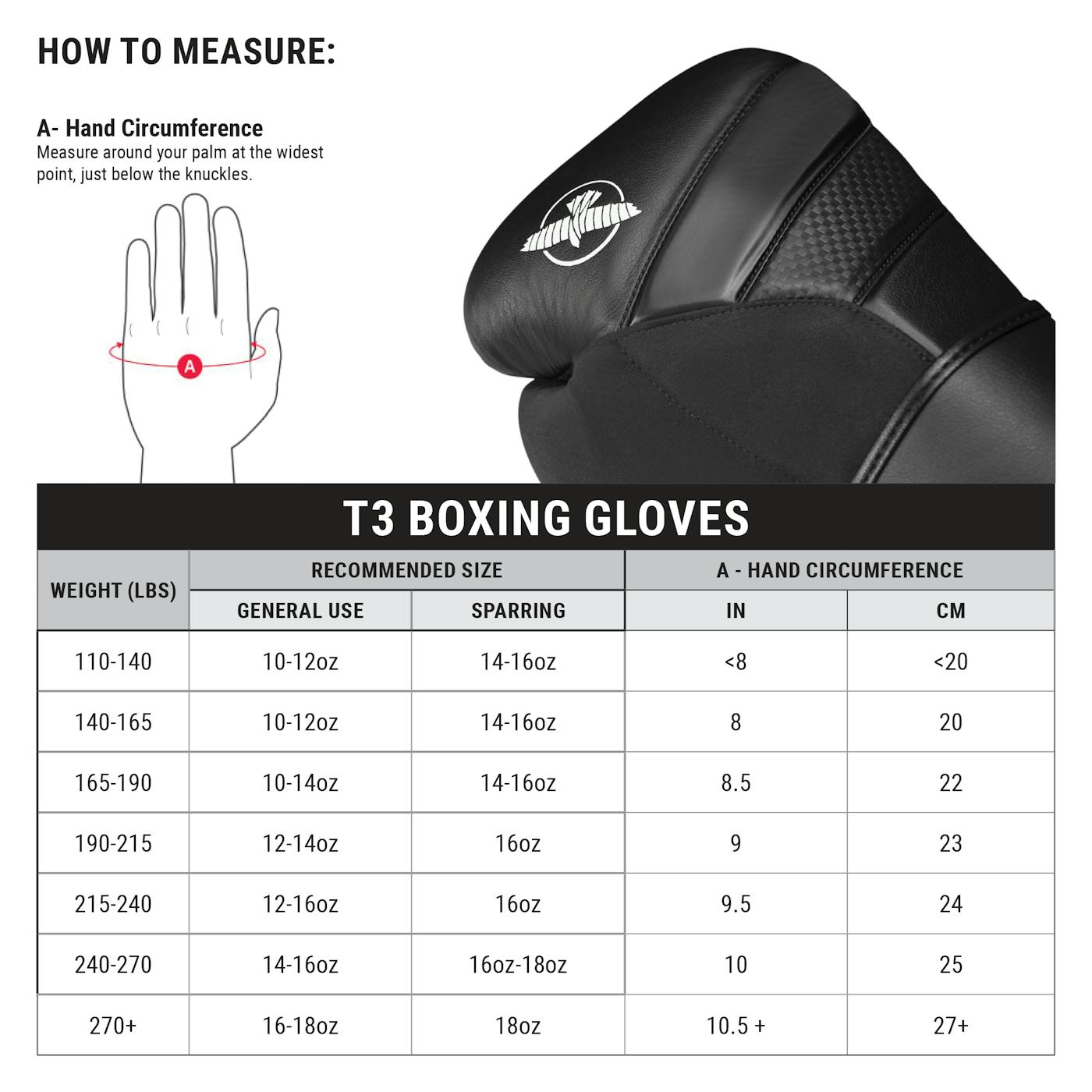
Use a soft tape measure to find your hand circumference. Wrap it around the widest part of your hand. This is usually around the knuckles, not including the thumb. Keep the tape snug but not tight. Note the measurement in inches or centimeters.
This number helps decide the glove size. Different brands may vary, so always check their size chart.
Checking Weight And Height
Hand size alone is not enough to pick gloves. Your weight and height also matter. Heavier and taller people often need bigger gloves for better protection. Lighter and shorter people usually use smaller gloves for comfort and speed.
Check weight and height guidelines on glove packaging. This helps narrow down choices before trying gloves on.
Glove Sizes Explained
Choosing the right boxing glove size matters for comfort and safety. Gloves come in different sizes based on weight and fit. This section explains how glove sizes work. It helps you pick the perfect gloves for your training or fights.
Understanding Ounce Measurements
Boxing gloves are measured in ounces (oz). This number shows the glove’s weight, not its physical size. More ounces mean more padding and protection. Lighter gloves feel faster but offer less protection. Heavier gloves protect more but may slow your punches.
Common sizes range from 8 oz to 20 oz. The right size depends on your hand size, training type, and purpose. Gloves with more ounces add extra padding for sparring. Fighting gloves usually weigh less for speed and power.
Common Glove Sizes And Uses
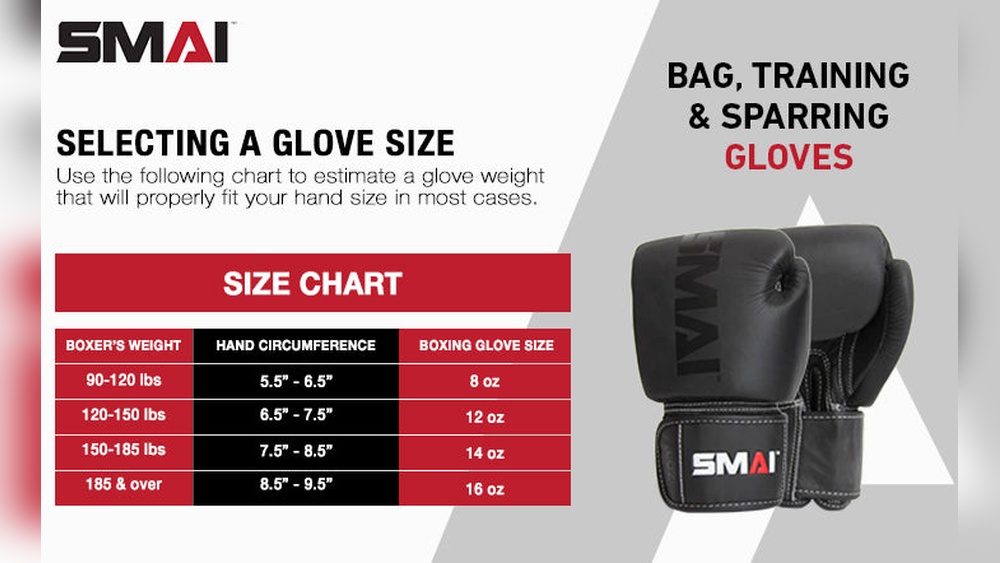
8 oz gloves suit fighters with small hands and competition. They offer less padding but good speed.
10 oz gloves fit most adults for bag work and light sparring. They balance protection and speed well.
12 oz and 14 oz gloves are popular for regular training. They protect hands during heavy bag work and sparring.
16 oz gloves provide extra padding for intense sparring sessions. They reduce injury risk and protect your partner.
18 oz and 20 oz gloves are best for bigger hands or extra protection. They slow punches but keep hands safe.
Credit: fundacioninbursa.org
Choosing Gloves For Different Purposes
Choosing the right boxing gloves depends on what you will use them for. Different activities need different types of gloves. This helps protect your hands and improves your training or fight experience.
Each type of glove offers different padding, weight, and fit. Picking the correct gloves can prevent injuries and boost your performance.
Gloves For Bag Work
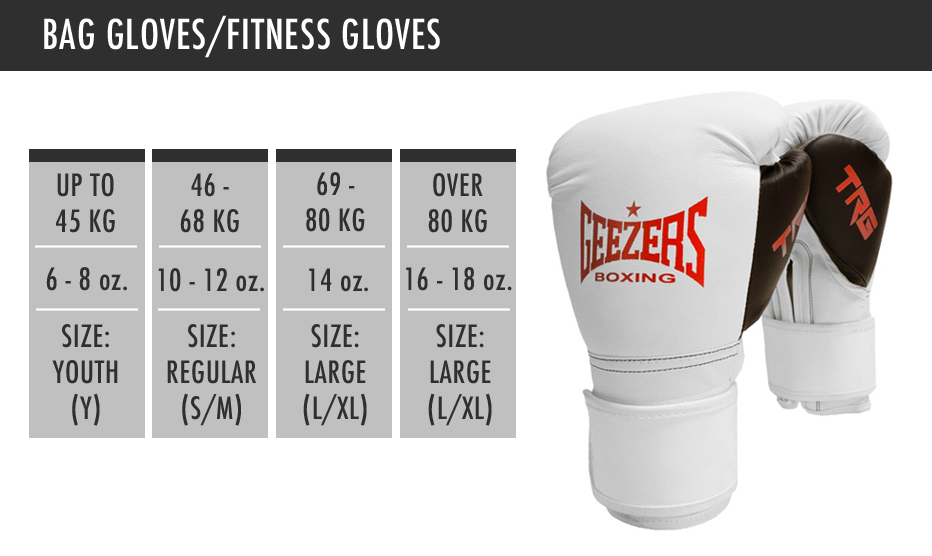
Bag gloves are usually lighter and have less padding. They help you hit the bag with speed and power. These gloves protect your knuckles from damage. Use gloves that weigh between 12 to 16 ounces for bag work. They allow good hand movement and speed.
Gloves For Sparring
Sparring gloves need extra padding to protect both you and your partner. These gloves are heavier, often 14 to 18 ounces. The padding absorbs impact from repeated punches. Choose gloves that fit comfortably and cover your wrist well. This reduces the risk of injury during practice.
Gloves For Competition
Competition gloves are lighter and smaller than sparring gloves. They usually weigh between 8 to 10 ounces. These gloves allow faster punches and quick movements. They have less padding to make fights fair and exciting. Make sure to check the rules for glove size before a fight.
Material And Padding Types
Choosing the right boxing gloves means understanding the materials and padding inside. These affect comfort, protection, and how long the gloves last. The material type and padding density work together to give the best experience during training or fights.
Leather Vs Synthetic Gloves
Leather gloves are strong and last long. They mold to your hands over time. Leather also allows better breathability, which reduces sweat and smell.
Synthetic gloves cost less and are easier to clean. They come in many colors and styles. But they may wear out faster and feel less flexible.
Foam And Padding Density
Foam padding absorbs the impact of punches. Thick padding offers more protection but feels heavier. Soft foam gives comfort but less shock resistance.
High-density foam keeps its shape longer. Low-density foam may flatten after use. Choose padding based on your training type and hand protection needs.
Credit: www.tondicaffe.com
Trying Gloves On
Trying boxing gloves on is a key step in finding the right size. Gloves that feel good on your hands help protect you and improve your performance. Always test gloves before buying. This helps you check if the gloves fit well and feel comfortable during movement. Gloves that are too tight or too loose can cause problems and reduce your training quality.
Checking Fit And Comfort
Put on the gloves and make a fist. Your fingers should move freely but not slide inside. The gloves should feel snug around your knuckles and palm. There should be no pinching or squeezing. Make sure there is enough space to wear hand wraps underneath. Gloves that are too big can cause your hand to slip inside. Too small gloves can cut off circulation and cause pain.
Wrist Support And Closure Types
Good wrist support helps prevent injuries. Check how the gloves wrap around your wrist. Velcro closures are easy to adjust and secure. They offer strong support for beginners and training. Lace-up gloves give a tighter fit but need help to tie. Choose a closure that feels stable and comfortable. The wrist should feel locked in place without tightness or discomfort.
Adjusting For Personal Preference
Choosing the right boxing gloves is not only about size. Personal comfort and style play a big role. Adjusting gloves to fit your needs helps improve your training and performance. This section explains how glove weight and padding affect your choice.
Glove Weight Vs Speed
Lighter gloves let you move your hands faster. They help improve your speed and quick punches. Heavier gloves slow you down but build strength. Choose gloves that match your training goals and style. Speed matters for fast combos. Weight matters for power and endurance.
Padding Thickness And Impact
Thicker padding protects your hands better. It also reduces the impact on your partner. Thin padding offers less protection but feels lighter. Think about how much protection you want. Training hard needs more padding. Sparring needs extra safety. Personal preference guides your choice here.
Tips For Buying Boxing Gloves
Choosing the right boxing gloves matters for comfort and safety. Good gloves protect your hands and your training partner. Picking gloves that fit well helps improve your performance. Below are some tips to guide you in buying the perfect gloves.
Trusted Brands To Consider
Some brands offer reliable quality and durability. Brands like Everlast, Title, and Ringside are popular choices. These companies have years of experience in making boxing gear. Their gloves often pass strict quality checks. Choosing a trusted brand reduces the chance of buying poor gloves.
Budget Vs Quality
Cheap gloves may look tempting but might not last long. Higher quality gloves offer better padding and support. Spending a bit more often means better protection for your hands. Balance your budget with the glove features you need. Think about how often you will use your gloves.
Caring For Your Gloves
Cleaning gloves after each use keeps them fresh and lasting longer. Wipe the inside and outside with a clean cloth. Let them air dry to stop bad smells and bacteria growth. Store gloves in a cool, dry place away from sunlight. Proper care helps keep gloves soft and safe.

Credit: www.smai.com
Frequently Asked Questions
What Size Boxing Gloves Are Best For Beginners?
Beginners should start with 12 to 14-ounce gloves. These sizes offer good hand protection and comfort. They help avoid injuries during training and sparring. Choosing the right size improves learning and performance.
How To Choose Boxing Gloves For Weight And Height?
Select gloves based on your body weight and hand size. Lightweight boxers (under 120 lbs) use 10-12 oz gloves. Heavier boxers need 14-16 oz gloves for better padding and protection.
Do Bigger Gloves Protect Hands Better In Boxing?
Yes, bigger gloves have more padding. They reduce impact on hands and wrists. Larger gloves (14-16 oz) are ideal for sparring. Smaller gloves (8-10 oz) suit competition but offer less protection.
Can I Use One Glove Size For All Boxing Activities?
No, glove size depends on activity type. Training and sparring require bigger gloves for safety. Competition gloves are smaller for speed and power. Always match glove size to your specific use.
Conclusion
Choosing the right boxing gloves size matters a lot. It protects your hands and improves your training. Smaller gloves feel lighter but offer less padding. Bigger gloves give more protection but may feel heavy. Consider your weight, hand size, and training type.
Try different sizes before you buy. Comfort and fit should always come first. The right gloves help you train safely and confidently. Take your time to pick the best size for you. Your hands will thank you.

