Have you ever wondered why boxers always wear gloves when they step into the ring? It’s not just about looking professional or following tradition.
Gloves play a crucial role in protecting you and your opponent, shaping the way boxing is fought and experienced. If you want to understand how these simple pieces of gear can change the whole game, keep reading. By the end, you’ll see why gloves aren’t just a choice—they’re a must-have for anyone serious about boxing.
Purpose Of Boxing Gloves
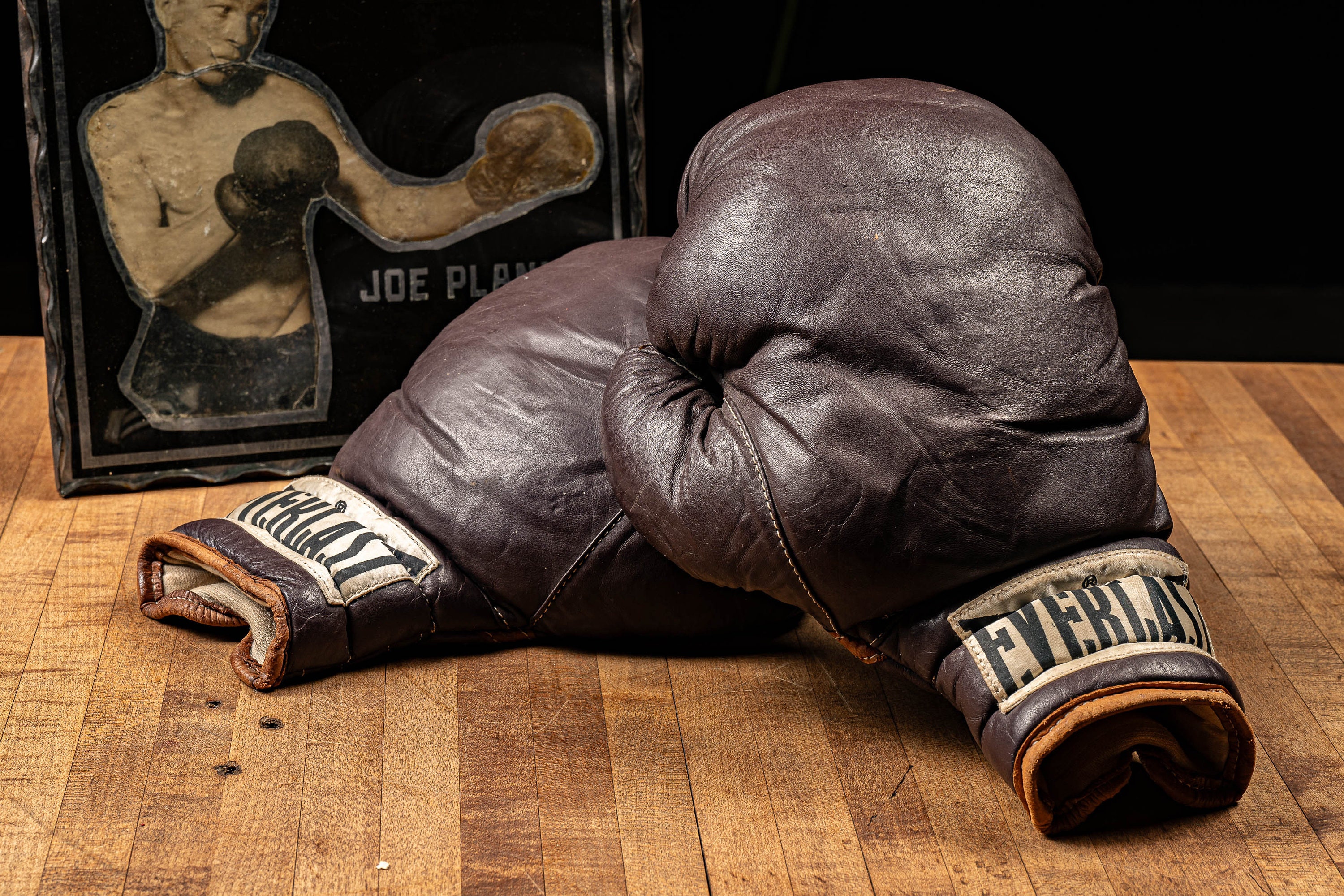
Boxing gloves serve an important role in the sport. They are not just for looks or tradition. Their main purpose is to protect both the boxer and the opponent during matches. Gloves help boxers punch harder and safer. They also make the sport less dangerous for everyone involved.
Protecting The Hands
Boxers hit with great force. Bare knuckles can easily break or get injured. Gloves provide padding that cushions the hands. This padding stops bones from cracking and skin from tearing. Gloves also support wrist joints, reducing the chance of sprains. They let boxers train and fight longer without hurting themselves.
Reducing Impact On Opponents
Gloves spread the force of a punch over a wider area. This lowers the risk of cuts and deep bruises on the opponent. Gloves help avoid serious injuries like broken bones or concussions. They make the sport safer and fairer for both fighters. Gloves encourage skill and technique over raw power alone.
Credit: www.etsy.com
Types Of Boxing Gloves
Boxing gloves come in different types. Each type serves a special purpose in training or fights. Choosing the right glove is important for safety and performance.
Training Gloves
Training gloves are made for regular practice. They offer extra padding to protect both hands and sparring partners. These gloves help reduce injuries during long training sessions. They are usually heavier to build strength and endurance.
Competition Gloves
Competition gloves are lighter and smaller. They allow faster punches and better control. These gloves meet strict rules for professional or amateur fights. The padding is thinner but still protects the fighter’s hands.
Bag Gloves
Bag gloves are designed for hitting heavy bags and pads. They have firm padding to protect knuckles from impact. These gloves provide wrist support and durability for tough workouts. Bag gloves are not ideal for sparring or matches.
Safety Benefits
Boxing gloves offer several safety benefits to both fighters. They help protect hands, wrists, and faces during intense matches. Using gloves reduces the chance of serious injuries.
Minimizing Hand Injuries
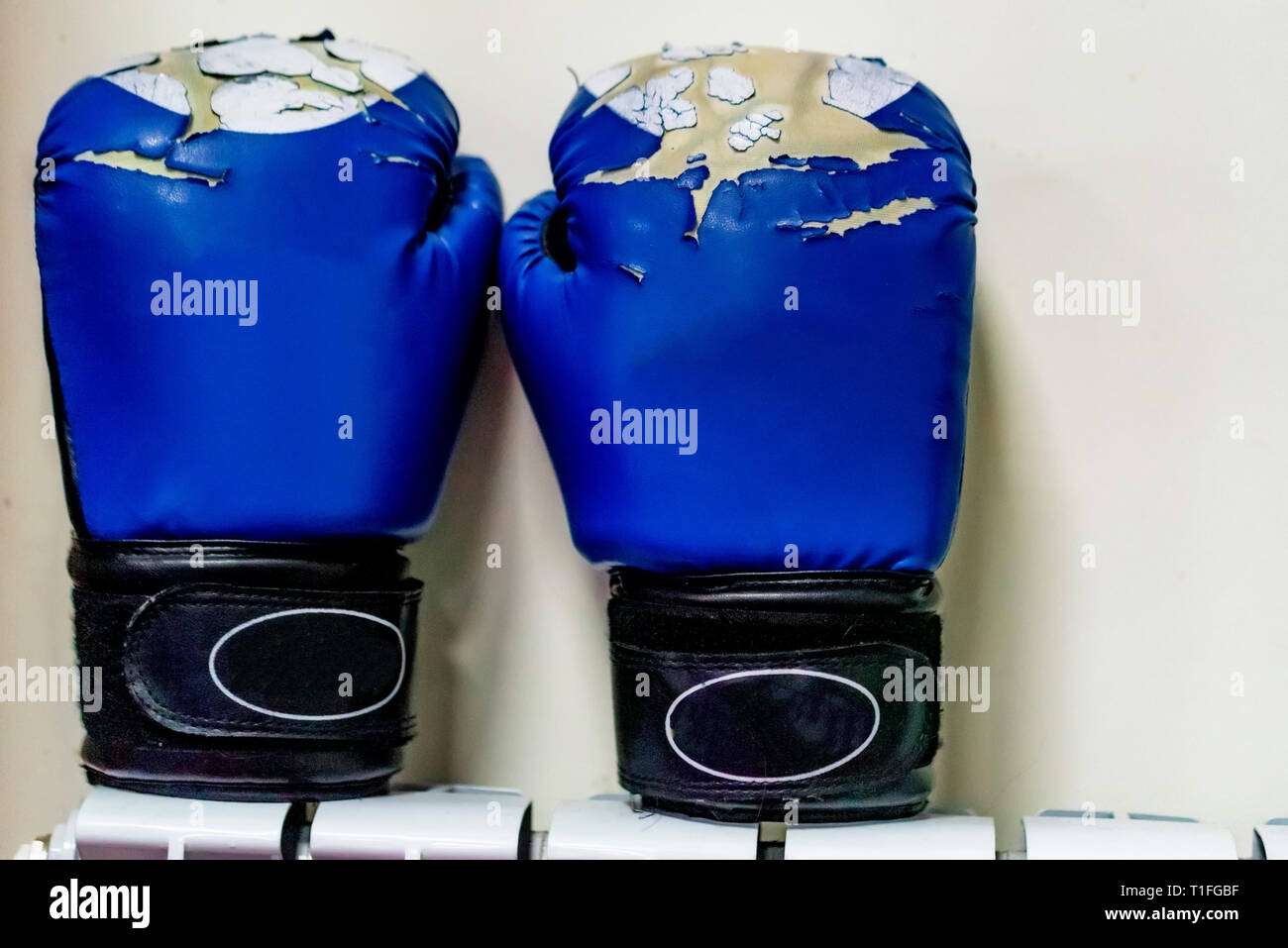
Boxing involves strong punches that can hurt your hands. Gloves cushion the impact and spread the force evenly. This padding lowers the risk of broken knuckles and bruises. Gloves keep the bones and joints safer during each hit.
Preventing Facial Cuts
Gloves have a soft surface that reduces sharp edges. This helps avoid cuts and bruises on the face. Without gloves, bare knuckles can cause painful wounds. Gloves make fights less damaging and protect the skin.
Supporting Wrist Stability
Boxing gloves wrap tightly around wrists. This support stops the wrist from bending wrong or twisting. Stable wrists mean fewer sprains and strains. Gloves keep wrists strong and reduce injury risks during punches.
Credit: www.alamy.com
Performance Benefits
Boxing gloves do more than protect your hands. They help improve your boxing skills and performance. Using gloves changes how you punch and how long you can fight. These benefits matter for both beginners and experienced boxers.
Improving Punch Accuracy
Gloves make your punches more controlled. The padding helps guide your hand to hit the right spot. Without gloves, it is harder to aim correctly. Gloves also reduce the chance of injury, letting you practice precise punches safely.
Enhancing Punch Power
Gloves add weight to your fists. This weight helps build muscle strength over time. Heavier gloves train your arms to deliver stronger punches. When you switch to lighter gloves or no gloves, your punches feel faster and more powerful.
Increasing Endurance
Gloves protect your hands and wrists from damage. This protection lets you train longer without pain. With gloves, your muscles tire less quickly. You can keep practicing and fighting for more rounds, improving your stamina.
Material And Design Factors
Boxing gloves protect both fighters and improve performance. The materials and design of gloves play a big role in how well they work. Every detail matters. From the padding inside to the way gloves fit, each factor helps keep hands safe and comfortable during training or matches.
Padding And Cushioning
Padding absorbs impact to protect hands and wrists. It reduces the force of punches. Gloves use foam or gel padding for shock absorption. Thicker padding means better protection but less speed. Good gloves balance protection with mobility.
Weight And Fit
Glove weight affects speed and power. Lighter gloves allow faster punches. Heavier gloves build strength and offer more protection. Fit is crucial. Gloves must fit snugly to prevent slipping. Proper fit protects wrists and keeps hands stable.
Ventilation And Comfort
Boxing is intense and gloves get hot inside. Ventilation channels or mesh panels improve airflow. Good ventilation keeps hands dry and cool. Comfort helps boxers focus on their technique. Well-designed gloves reduce sweat and discomfort.
Glove Maintenance Tips
Taking good care of boxing gloves helps them last longer and stay fresh. Proper glove maintenance keeps the padding firm and prevents bad smells. It also protects your hands during training. Follow these simple tips to keep your gloves in top shape.
Cleaning Techniques
Wipe your gloves after each use with a clean, damp cloth. Use mild soap and water to clean the outside. Avoid soaking the gloves in water. For the inside, use a glove deodorizer spray or sprinkle baking soda to remove odors. Let the gloves dry completely before storing.
Storage Recommendations
Store gloves in a cool, dry place away from direct sunlight. Avoid leaving gloves in your gym bag for long hours. Use a mesh bag or breathable container to allow air circulation. Open the gloves slightly to let moisture escape. Proper storage prevents mold and bad smells.
When To Replace Gloves
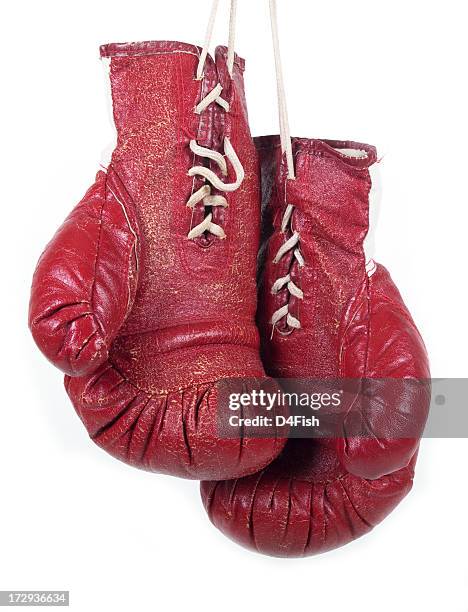
Replace gloves if the padding feels soft or uneven. Check for tears or cracks on the outer material. If gloves lose their shape or smell bad after cleaning, it is time for new ones. Using worn-out gloves increases injury risk during boxing.
Credit: www.gettyimages.in
Frequently Asked Questions
Why Are Gloves Important In Boxing Matches?
Gloves protect fighters’ hands and reduce injury risk. They cushion punches, preventing cuts and fractures. Gloves also protect opponents by lessening impact force, making boxing safer and fairer.
How Do Boxing Gloves Protect A Boxer’s Hands?
Boxing gloves distribute punch force evenly across the hand. This reduces stress on knuckles and wrists, preventing fractures and sprains. Gloves also provide padding, absorbing shock during impact to protect bones and joints.
What Role Do Gloves Play In Boxing Safety?
Gloves minimize cuts, bruises, and facial injuries by cushioning blows. They help prevent severe hand injuries, ensuring fighters can continue training and competing. Gloves contribute to overall sport safety and reduce long-term damage.
Are Boxing Gloves Mandatory In Professional Fights?
Yes, gloves are required in professional boxing to comply with regulations. They ensure fair play, protect both fighters, and maintain sport integrity. Different glove weights and sizes are specified based on fight category.
Conclusion
Gloves protect boxers from serious hand injuries. They also reduce cuts and bruises during fights. Wearing gloves helps both safety and fair play. Boxers can punch harder without hurting themselves. Gloves keep the sport safer and more enjoyable. Every boxer, beginner or pro, needs good gloves.
They make training and matches much safer. That’s why gloves are a key part of boxing. Safety first, skill second—that’s the boxing way.