You’ve invested in a great bike and a sturdy hitch rack to take it wherever you go. But how do you make sure your bike stays safe and secure when you’re not around?
Locking your bike to a hitch rack might seem simple, but the right method can make all the difference in preventing theft and damage. You’ll discover the best way to lock bikes to hitch racks—easy steps that protect your ride and give you peace of mind.
Keep reading to learn how to lock up like a pro and keep your bike exactly where you left it.

Credit: www.youtube.com
Choosing The Right Lock
Choosing the right lock is key to keeping your bike safe on a hitch rack. A good lock stops thieves and gives you peace of mind. Picking the right type helps protect your bike in different conditions and situations.
Types Of Bike Locks
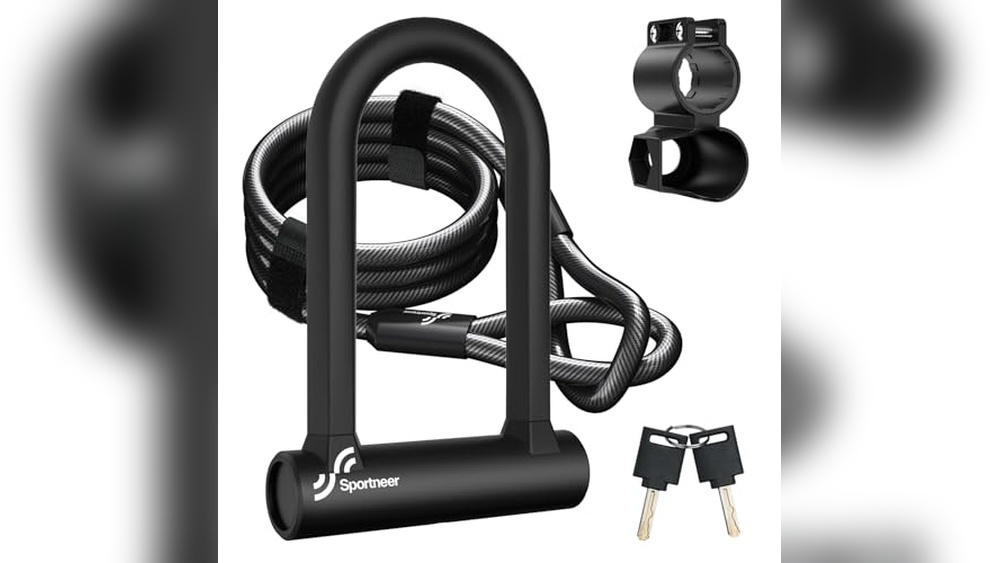
There are many types of bike locks. U-locks are hard and strong. Cable locks are flexible and light. Chain locks are tough and heavy. Folding locks are compact and easy to carry. Each type fits different needs and budgets.
Lock Strength And Durability
Strong locks resist cutting and breaking. Look for locks made of hardened steel. Thicker locks often last longer. Good durability means the lock stays reliable over time. Avoid locks with thin cables or weak materials.
Weather Resistance
Locks face rain, sun, and cold. Weather-resistant locks do not rust or freeze. Plastic or rubber coatings protect the metal. A weatherproof lock works well all year. This keeps your bike safe in any weather.

Credit: thebestbikelock.com
Preparing Your Hitch Rack
Preparing your hitch rack properly is key to keeping your bikes safe. Taking time to set up the rack right helps prevent theft and damage. A well-prepared hitch rack gives peace of mind on every trip.
Selecting A Secure Hitch Rack
Choose a hitch rack made from strong, durable materials. Steel racks offer better protection than plastic or aluminum. Look for racks with locking features on the arms and hitch pin. These locks add an extra layer of security. Avoid racks that wobble or feel loose on your vehicle.
Positioning Bikes For Maximum Security
Place bikes close together to reduce movement during travel. Secure heavier bikes on the bottom or closest to the vehicle. Use the rack’s straps or clamps to hold bikes firmly. Avoid leaving gaps that allow easy access to bike frames. Tight placement also makes it harder for thieves to grab a bike.
Using Additional Security Accessories
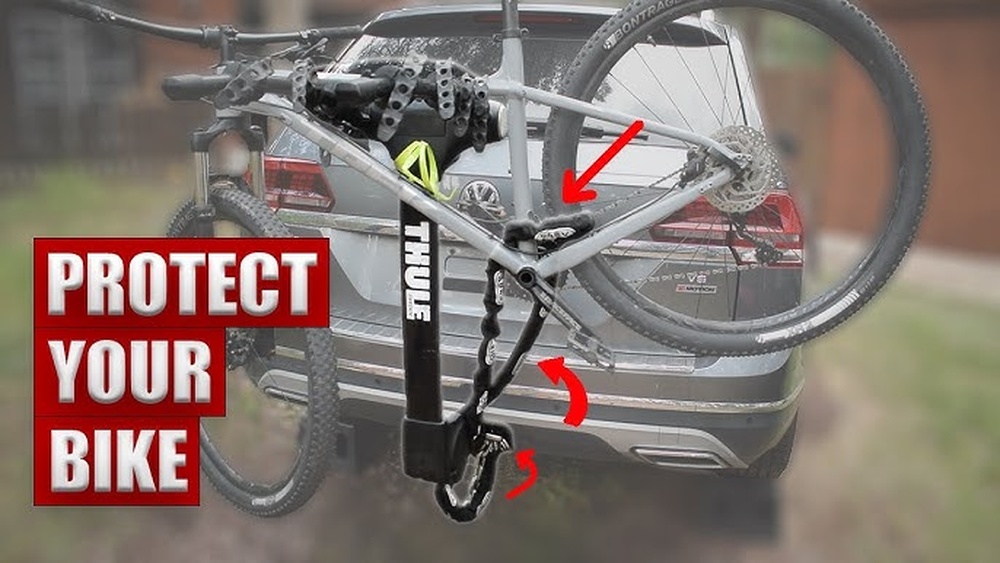
Use cable locks or chain locks to secure bike frames to the rack. Lock wheels to the frame with small cable locks if possible. Consider using hitch lock pins to secure the rack itself. Adding extra locks raises the effort needed to steal a bike. Keep keys in a safe place while traveling.
Locking Techniques
Locking your bike to a hitch rack properly protects it from theft. Using the right techniques makes a big difference in safety. Focus on locking the main parts and avoid common errors. Adding more locks can increase security. Simple steps can keep your bike safe during travel.
Securing The Frame And Wheels
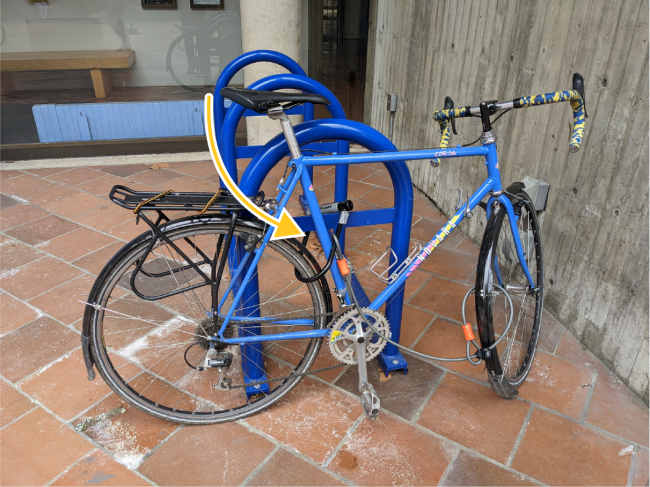
Always lock the bike frame to the hitch rack. The frame is the strongest part and harder to break. Use a sturdy U-lock or heavy-duty cable lock. Pass the lock through the frame and the rack. Secure at least one wheel, usually the rear wheel. This stops thieves from taking parts or the whole bike.
Avoiding Common Locking Mistakes
Do not lock only the wheels or quick-release parts. Thieves can remove these parts easily. Avoid loose locks that can be slipped off. Do not use thin or weak locks. Avoid locking to weak parts of the rack. Check if the lock fits tightly around the bike and rack. Loose locks give thieves extra time to break them.
Using Multiple Locks For Added Safety
Use two different locks for better protection. One lock can secure the frame and one wheel. The second lock can secure the other wheel or accessories. Different lock types slow down thieves. Carrying an extra lock adds peace of mind. More locks mean more effort for a thief.
Deterring Theft
Protecting your bike from theft is a top priority when using a hitch rack. Thieves often target bikes that seem easy to steal. Taking smart steps can greatly reduce this risk. Simple actions make your bike less attractive to thieves and harder to steal.
Choosing Visible Parking Spots
Park your bike in a well-lit, busy area. Thieves avoid places with many people around. A visible spot acts as a natural deterrent. It increases the chance that someone will notice suspicious activity. Always pick places where your bike can be seen clearly.
Using Alarm Systems And Gps Trackers
Alarms alert you and scare off thieves quickly. Many alarms sound loudly when movement is detected. GPS trackers help find your bike if stolen. They send location signals to your phone. Combining alarms and trackers improves bike security.
Removing Valuables And Accessories
Take off any removable items like lights or bags. Thieves are drawn to easy targets like accessories. Carry valuables with you instead of leaving them on the bike. This reduces temptation and makes your bike less appealing.
Maintenance And Inspection
Keeping your bike lock in good shape helps protect your bike better. Regular maintenance and inspection stop problems before they start. This saves money and gives peace of mind. A well-kept lock works smoothly and stays strong against theft. Spend a little time checking and caring for the lock on your hitch rack. It keeps your bike safe every ride.
Regular Lock Maintenance
Clean your lock often to remove dirt and dust. Use a soft cloth and mild soap with water. Dry it completely to stop rust from forming. Apply lubricant to the keyhole and moving parts. This helps the lock open and close easily. Avoid using too much oil. A small drop is enough to keep parts moving well.
Inspecting For Wear And Damage
Look closely at your lock for cracks or rust spots. Check if the key turns smoothly or sticks. Examine the cables or chains for frays or weak spots. Notice any loose or bent parts. These signs mean the lock might fail soon. Catching problems early keeps your bike safer on the road.
Replacing Locks When Needed
Replace your lock if it shows heavy damage or rust. Old locks may not protect your bike well anymore. Get a new lock that fits your hitch rack and bike type. Choose one with strong materials and good reviews. A fresh lock gives better security and lasts longer. Don’t wait until your lock breaks to change it.
Credit: transportation.wwu.edu
Frequently Asked Questions
How Do You Secure Bikes On A Hitch Rack Safely?
Use sturdy bike locks to secure the frame and wheels. Lock both the bike frame and the rack. This prevents theft and keeps bikes stable during travel.
What Type Of Lock Is Best For Hitch Racks?
A heavy-duty U-lock or a strong cable lock is ideal. These locks resist cutting and tampering. Choose weather-resistant materials for durability.
Can You Lock Multiple Bikes On One Hitch Rack?
Yes, use individual locks for each bike’s frame and wheels. Ensure each bike is tightly secured to avoid movement. This method enhances security and stability.
Where Should You Place The Lock On A Hitch Bike Rack?
Lock the bike frame to the rack’s main bar. Avoid locking only the wheels, as they can be removed easily. Secure both wheels if possible for extra protection.
Conclusion
Securing your bike to a hitch rack protects it from theft and damage. Use strong locks that fit well around the frame and rack. Always double-check the lock before you leave. Keep your bike steady to avoid scratches or falls.
Remember, a small effort can save your bike from big trouble. Stay safe and enjoy your rides worry-free.